



Local roof inspection services are critical for maintaining the durability, safety, and efficiency of a home’s roof. As a seasoned professional in the roofing industry, I have seen firsthand how regular inspections can prevent costly repairs and extend your roof’s lifespan. This article outline the essential benefits of roof inspections, detail the process followed by certified inspectors, and highlight common roofing issues. I will also explain how to prepare for an inspection appointment, discuss the importance of detailed inspection reports, and offer tips for selecting the right local service provider. This information is especially valuable for homeowners with asphalt shingle roofs, those prone to hail damage, and anyone concerned about leaks and waterproofing. Understanding the benefits of a residential roof inspection can help protect your home, save energy costs, and boost property value.
What Are the Key Benefits of Local Roof Inspection Services?
Local roof inspection services help homeowners avoid unexpected repairs, prolong roof life, and maintain a safe environment by detecting hidden damage early. Regular inspections provide an objective evaluation of roof materials—such as asphalt shingles, underlayment, flashing, and waterproofing—ensuring that signs of deterioration are promptly addressed.
How Do Local Roof Inspections Protect Your Home or Business?
Roof inspections can identify early damage like loose or missing shingles, deteriorated flashing, and debris that may cause leaks. Even minor issues, such as improper sealing around the attic or nail punctures, can lead to water intrusion, mold growth, or electrical hazards. Early detection allows roof inspectors in my area to advise on targeted repairs, reducing long-term risks and preserving your investment.
What Cost Savings Can You Expect From Early Roof Inspections?
By finding minor leaks or hail damage early, inspections help prevent expensive interior repairs and structural damage. Preventative maintenance can save hundreds or thousands of dollars over time. Moreover, well-maintained roofs improve energy efficiency—keeping your home cooler in summer and warmer in winter—and may even lower insurance premiums.
Why Is Choosing a Local Roofing Company Important for Inspections?
Choosing a local company ensures you work with experts who understand regional weather patterns, such as wind, hail, and heavy rain. Local inspectors also offer personalized customer service, faster response times, free quote calls, and detailed follow-ups. Their recommendations are tailored to your rooftop’s unique conditions.
How Do Certified Inspectors Conduct a Roof Inspection?
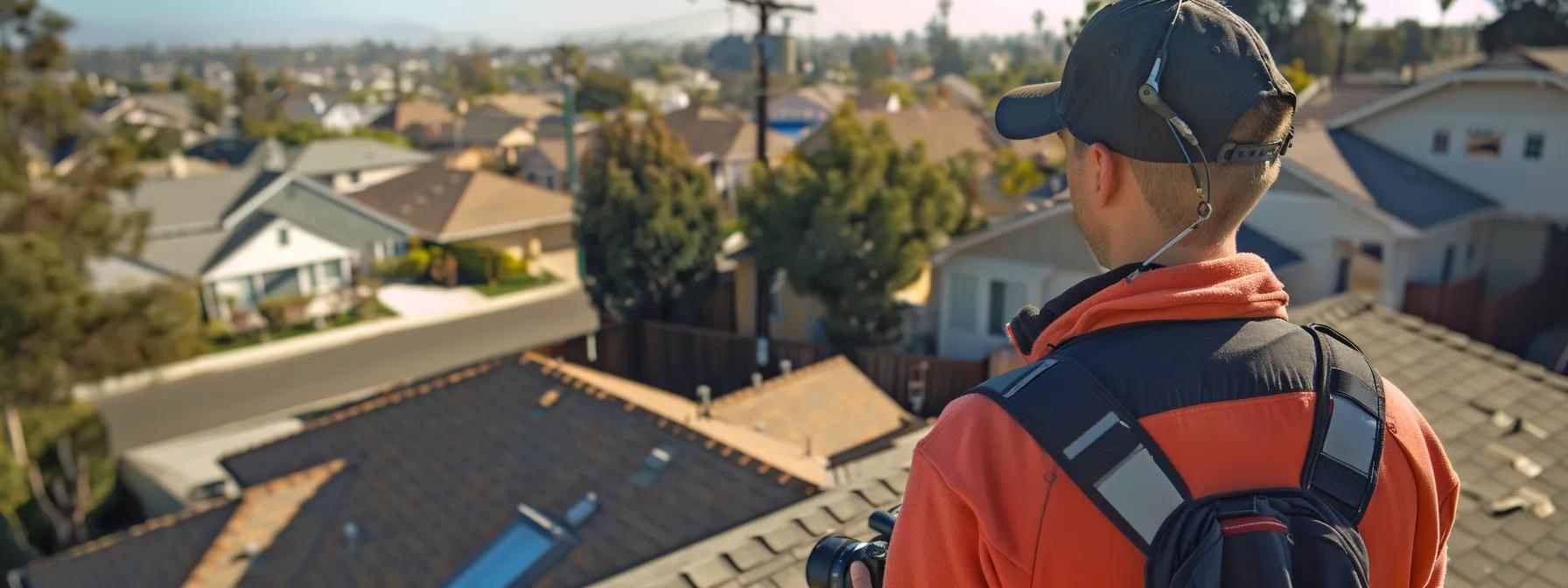
Certified roof inspectors follow a standardized process to assess your roof’s condition. Their methods include visual, physical, and sometimes drone-assisted examinations to ensure no detail is missed—from the roof covering to the supporting structure.
What Are the Main Steps in a Professional Roof Inspection?
A professional inspection begins with a thorough visual review of the roof’s exterior for cracked, missing, or curling shingles, defective flashing, and debris buildup. The inspector then checks the attic for signs of water damage, insulation issues, or ventilation problems. They also test gutters and downspouts to verify proper function. Every step is documented with photographs to create a comprehensive report.
Which Tools and Techniques Are Used During Inspections?
Inspectors use moisture meters, infrared cameras, and drones to uncover hidden problems such as insulation gaps and water leaks. They also employ ladders, binoculars, and flashlights to examine hard-to-reach areas. These tools help ensure that issues—from minor leaks to hail-induced damage—are accurately recorded.
How Are Inspection Findings Documented and Reported?
After the inspection, a detailed report is compiled with high-resolution photographs, diagrams, and comments on each roofing component. The report outlines the condition of asphalt shingles, flashing, and other critical elements, providing clear recommendations for immediate repair or future maintenance.
What Common Roofing Issues Do Local Inspectors Identify?
Roof inspectors are trained to spot common issues that compromise structural integrity and home safety, especially in regions with extreme weather. They check for wear-and-tear, moisture intrusion, and compliance with building standards.
How Can Inspectors Detect Roof Damage From Weather and Age?
Inspectors look for cracking, curling, and granule loss in shingles caused by sun exposure, wind, rain, or hail. They also watch for worn flashing and deteriorated sealants that can lead to leaks, particularly in older roofs.
What Signs Indicate the Need for Roof Repairs or Replacement?
Visible leaks or water stains, sagging areas, significant shingle loss, and cracks in flashing are clear indicators of damage. Poorly functioning gutters may also signal issues with roof drainage. An inspection report will highlight these red flags, suggesting whether a repair or complete replacement is needed.
How Do Local Inspectors Assess Compliance With Building Codes?
Certified inspectors verify that your roof—including decking and insulation—meets local building codes and safety standards. This is especially important during home sales or renovations, as compliance can affect property value and insurance approval.
How to Prepare for Your Local Roof Inspection Appointment?

Proper preparation ensures a smooth, accurate roof inspection. Homeowners should reduce obstacles, secure pets and children indoors, and make available any records of past repairs or maintenance.
What Should Homeowners Expect During the Inspection Visit?
During the visit, expect a detailed examination of the roof’s exterior (shingles, gutters, flashing) and interior (attic or crawl spaces) for signs of water damage or mold. The inspector will explain their process and ask about the roof’s history to ensure a complete report.
How Can You Facilitate a Smooth Roof Inspection Process?
Clear the area around your roof of obstacles like outdoor furniture or overgrown plants. Keep maintenance documents handy, as these can help clarify whether current issues stem from previous damage or new deterioration.
What Questions Should You Ask Your Roof Inspector?
Ask about specific areas of concern, recommendations for repair versus replacement, maintenance tips to extend roof life, and the expected impact of local weather. These questions help you understand the roof’s condition and required actions.
How Are Roof Inspection Reports Delivered and Used?
Inspection reports are essential tools that detail your roof’s current condition and recommend steps for improvements. They are used to plan immediate repairs, schedule future maintenance, negotiate insurance claims, or prepare for roof upgrades.
What Details Are Included in a Typical Roof Inspection Report?
A typical report includes:
- – Photographs of defects and damaged areas.
- – A narrative of the inspection process and tools used.
- – A list of issues rated by severity.
- – Recommendations for repairs versus long-term maintenance.
- – Measurements and notes on code compliance.
How Can You Use Inspection Reports to Plan Repairs or Maintenance?
Review the reported issues to decide if a quick fix will suffice or if more extensive work is needed. Use the report to budget future repairs and schedule timely maintenance, especially if it shows that some roofing components are nearing the end of their lifespan.
What Are the Benefits of Transparent and Detailed Reporting?
Detailed reports build trust with contractors and insurance companies and support informed decision-making. They provide documentation that is useful during home sales, increasing buyer confidence in the roof’s condition.
How to Choose the Best Local Roof Inspection Service Near Me?

Selecting a reliable local roof inspection service is an investment in your home’s safety and performance. Look for companies with certified inspectors, strong local expertise, transparent reporting, and fair pricing.
What Qualifications and Certifications Should Inspectors Have?
A reputable inspector should hold certifications from bodies like the National Roofing Contractors Association (NRCA) and have extensive experience with various roofing materials, including asphalt shingles, metal roofing, and flat roofs. Local expertise, especially in high-wind or hail-prone areas, is a significant advantage.
How Important Is Customer Service and Communication?
Good communication is key. The best inspectors are punctual, polite, and willing to explain their findings in detail. They offer free quote calls, follow up with comprehensive reports, and encourage references or online reviews to establish their reputation.
What Are Common Pricing Models for Roof Inspection Services?
Pricing may be fixed based on roof size and type, or offered as bundled services including free quote calls, inspection, and detailed reporting. Some companies may add fees for drone-assisted inspections or emergency visits after severe weather. Always request a transparent estimate that outlines all possible charges.
What Are the Next Steps After a Roof Inspection?
After receiving your inspection report, it is crucial to address any identified issues promptly to prevent further damage. Whether the report calls for immediate repairs, routine maintenance, or a full roof replacement, clear next steps ensure your home remains protected.
When Should You Schedule Roof Repairs or Maintenance?
If the report identifies active leaks, significant shingle damage, or deteriorated flashing, schedule repairs immediately. For minor wear, seasonal preventive maintenance may be enough. Urgent repairs post-severe weather are a priority.
How Can Regular Inspections Extend Your Roof’s Lifespan?
Regular inspections allow for early detection and proactive repairs, reducing the overall impact of weather-related damage. Consistent monitoring helps maintain proper insulation and ventilation, which enhances energy efficiency and prolongs roof life.
What Are Your Options if Major Roof Issues Are Found?
Depending on the severity of the damage, you may opt for targeted repairs, complete roof replacement, or additional measures like waterproofing or improved insulation. Consult a trusted local roofing contractor to weigh cost and longevity before choosing the best solution.
Detailed Comparison Tables and Lists
Below is a table summarizing key aspects of local roof inspection services:
Here is a list outlining common roofing issues and their identifiers:
- Missing or Damaged Shingles – Indicator of Potential Leaks Inspections often reveal missing or damaged shingles that may allow water intrusion and lead to internal damage.
- Deteriorated Flashing – Vulnerable Seams Around Vents and Chimneys Poor flashing increases the risk of leaks around chimneys or skylights.
- Granule Loss on Asphalt Shingles – Sign of Aging and Weather Impact Excessive granule loss indicates stress from ultraviolet radiation and weather exposure.
- Clogged or Damaged Gutters – Risk of Overflow and Water Damage Blocked or damaged gutters hinder proper drainage, potentially causing leaks.
- Moss or Algae Growth – Indicator of Moisture Retention Moss or algae can trap moisture and accelerate roof aging.
Additionally, here is a list comparing the benefits across inspection elements:
- Preventative Maintenance – Minimizes Repair Costs: Early detection helps schedule minor repairs before they worsen.
- Safety Assurance – Protects Your Family’s Wellbeing: Identifying issues early prevents hazards, including electrical risks.
- Improved Home Value – Essential for Property Resale: Documented inspections boost buyer confidence.
- Energy Efficiency – Reduces Utility Bills: A well-maintained roof supports proper insulation, lowering energy costs.
- Compliance and Peace of Mind – Meets Local Codes: Detailed reports ensure your roof complies with building standards.
Frequently Asked Questions
Q: How often should I schedule a local roof inspection? A: Schedule a roof inspection at least once a year. In severe weather areas, an additional post-event inspection is advisable.
Q: What qualifications should I look for in a roof inspector? A: Look for inspectors certified by organizations like NRCA, with a proven track record in residential roof inspections and strong local expertise.
Q: Can a roof inspection help lower my home insurance premiums? A: Yes. Timely repairs and regular maintenance, documented by the inspection report, may help lower insurance premiums.
Q: What should I do if a major roof issue is found during the inspection? A: Consult a trusted roofing contractor immediately for targeted repairs or complete roof replacement based on the inspector’s recommendations.
Q: How does a roof inspection report benefit me during a home sale? A: The report provides evidence of regular maintenance, boosting buyer confidence and the home’s appraisal value.
Q: Are drone inspections safe for my roof? A: Yes. Drone inspections are conducted by trained professionals using specialized equipment, ensuring detailed and safe evaluations.
Q: What cost savings can I realistically expect from regular inspections? A: Regular inspections prevent minor issues from becoming major, saving hundreds to thousands of dollars by improving energy efficiency and avoiding costly repairs.
Final Thoughts
The benefits of local roof inspection services are clear—they protect your home, extend roof life, and help avoid costly repairs. By detecting issues early, you maintain energy efficiency and ensure your roofing system meets local codes. Regular inspections offer peace of mind and safeguard your investment. I encourage all homeowners to schedule routine inspections and work with trusted local professionals to keep their roofs in optimal condition.