



Emergency roofing repair is a critical service that homeowners rely on when severe weather or sudden accidents cause roof damage. When a roofing emergency strikes – whether due to a storm, high winds, hail, or an unexpected roof leak – it is essential to work with a contractor who is experienced, licensed, insured, and available 24/7. This article outlines the key criteria for selecting an emergency roofing repair company. It emphasizes verifying credentials, ensuring rapid response times, understanding the repair process, assistance with insurance claims, cost considerations, and proactive measures to prevent future emergencies. By the end, you will know what to look for to secure reliable, high-quality work during stressful times.
How Do You Identify Licensed and Insured Emergency Roofing Repair Companies?
Start by confirming that a roofing contractor holds a valid license and current insurance. Licensed contractors have passed required exams and adhere to industry standards, demonstrating professionalism and commitment to quality. Licenses ensure there is a regulatory framework in place should substandard work occur.
Insurance is equally vital in emergency situations. A reliable contractor carries both liability insurance—to cover any damage during repairs—and worker’s compensation insurance for crew injuries. Always ask for copies of the license and insurance certificates to verify that these documents are current. Reputable companies also display certifications and affiliations with local roofing associations, such as those offered by Owens Corning, indicating up-to-date technical expertise. Homeowners should check online licensing boards and customer reviews to further confirm that the contractor meets industry standards and personal expectations.
Why Is Licensing Important for Emergency Roofing Contractors?
Licensing signifies that a contractor has met a standardized level of education and training. Licensed contractors follow local codes and are more likely to deliver safe, compliant work. In emergency repairs, prompt and competent action is essential to prevent further roof deterioration and potential structural hazards. Licensing also offers homeowners a remedy if work is performed poorly and provides assurance that the contractor is current with evolving safety and industry practices. Additionally, licensed companies are more apt to provide detailed estimates and warranties on their work, making proper licensing a primary screening criterion.
How to Verify Insurance Coverage for Roofing Repairs?
Verifying a contractor’s insurance minimizes financial risks from accidents or further damage. Ask for copies of their general liability and worker’s compensation policies, and confirm details such as coverage limits and policy validity by calling the issuing company if needed. Check that the policy includes provisions for storm and wind damage repair. Contractors who hesitate or cannot provide proof of insurance should be avoided. Also, reviews on platforms like the Better Business Bureau can further confirm proper insurance practices. Ensuring that a contractor is insured protects you from unexpected costs or liabilities during repairs.
What Certifications and Qualifications Should You Expect?
Beyond basic licensing and insurance, reputable emergency roofing companies also hold additional certifications and qualifications. Manufacturer certifications from companies like Owens Corning or GAF indicate that technicians are trained in advanced repair techniques using the latest materials. Memberships in professional organizations, such as the National Roofing Contractors Association (NRCA), further signal a commitment to professional development and best practices. Experience in emergency response, disaster recovery, and handling various roofing materials (asphalt shingle, metal, slate, etc.) provides confidence in the contractor’s ability to tailor repairs to your unique situation. Reviews and testimonials highlighting prompt service, quality workmanship, and long-term client relationships further underscore expertise.
Why Is 24/7 Availability Crucial in Emergency Roofing Repair Services?

Roofing emergencies require immediate attention because delays can lead to escalating damage, higher repair costs, and safety hazards. Extreme weather conditions such as heavy rain, snow, hail, or high winds demand a rapid response. Contractors offering 24/7 services show a commitment to fast action, helping to minimize water damage and structural degradation.
An immediate response also secures the property until permanent repairs can be made, reducing long-term repair costs by limiting damage. Availability during off-hours or weekends is particularly important because emergencies can occur at any time. Before hiring, verify that the contractor guarantees prompt response times and has protocols to mobilize quickly. Overall, round-the-clock availability is a key indicator of a reliable emergency roofing service.
How Does Rapid Response Time Impact Roof Damage Mitigation?
Every hour matters after roof damage occurs. A rapid response minimizes further exposure to severe weather, reducing the risk of water intrusion that can lead to interior damage or mold growth. Quick temporary measures such as boarding up or tarping prevent additional harm and lower overall repair expenses. Fast arrival also lessens the risks posed by unstable or hazardous roofing materials. In essence, rapid response not only protects the roof’s integrity but also saves on extensive repair costs and enhances overall safety.
What Are Typical Guaranteed Response Times for Emergency Repairs?
Many reputable contractors guarantee a response time of one to four hours during critical weather events, with some urban companies offering same-hour service. These guarantees set clear expectations and demonstrate a contractor’s commitment to service excellence. While response times may vary due to traffic, weather, or proximity, documented guarantees in the service agreement provide peace of mind. Verifying these timings prior to hiring ensures you have a partner who takes roof emergencies as seriously as you do.
How Can You Assess the Experience and Expertise of Emergency Roofing Companies?
Evaluating a roofing company’s experience and expertise involves examining factors such as years in business, specialized training in emergency repairs, and successful case histories. Contractors with a long track record and positive customer reviews typically have refined processes for managing emergencies effectively. Look for evidence of experience in handling various issues like temporary tarp installation, wind damage restoration, and leak sealing.
Examine the types of roofing projects the contractor has undertaken. Experience with different materials (asphalt, metal, tile, slate) helps ensure they can offer tailored solutions. Customer testimonials and case studies that detail prompt service, quality materials, and lasting repairs are invaluable indicators of expertise. A consultation can also provide insight into the contractor’s technical knowledge, repair methods, and commitment to safety protocols.
What Roofing Repair Specializations Should Professionals Have?
A highly qualified emergency roofing company should be adept at handling multiple scenarios, including storm and wind damage, leak detection, and repair. Competence in installing temporary roof tarps is vital to prevent further water damage until repairs are made. Contractors should be knowledgeable about various roofing materials—be it asphalt shingles, metal, or tile—and offer diagnostic services using advanced leak detection tools. Experience in restoring roofs after hail damage, addressing structural issues, and managing delicate materials such as slate or wood shake further distinguishes a specialist. In short, look for a contractor with a comprehensive skill set tailored to your specific roof damage.
How Do Customer Reviews and Testimonials Reflect Expertise?
Customer reviews and testimonials provide practical insights into a roofing contractor’s reliability and expertise. Consistent positive feedback regarding prompt response, effective repair methods, and excellent materials used indicates a company that delivers on its promises. Detailed reviews mentioning how the contractor handled severe wind damage or managed roof leaks in a storm are particularly valuable. Testimonials that discuss clear communication, comprehensive documentation, and follow-up services further reinforce a contractor’s commitment to quality. Evaluating feedback across various platforms builds a robust picture of the company’s overall performance and customer service.
Why Are Warranties and Guarantees Important for Repair Work?
Warranties and guarantees offer homeowners assurance that repairs will withstand severe weather conditions and general wear over time. In emergencies, while immediate repairs prevent further damage, the long-term durability of these repairs is crucial. A strong warranty reflects the contractor’s confidence in their workmanship and materials. It also provides financial protection; if repairs fail due to poor workmanship, the warranty may cover additional repairs or replacements. Detailed warranty terms, often including a two-year guarantee and rapid follow-up services, help standardize repair quality and signal accountability. In a competitive market, companies offering comprehensive warranties stand out for their dedication to customer satisfaction.
What Types of Emergency Roof Damage Should Companies Be Able to Handle?
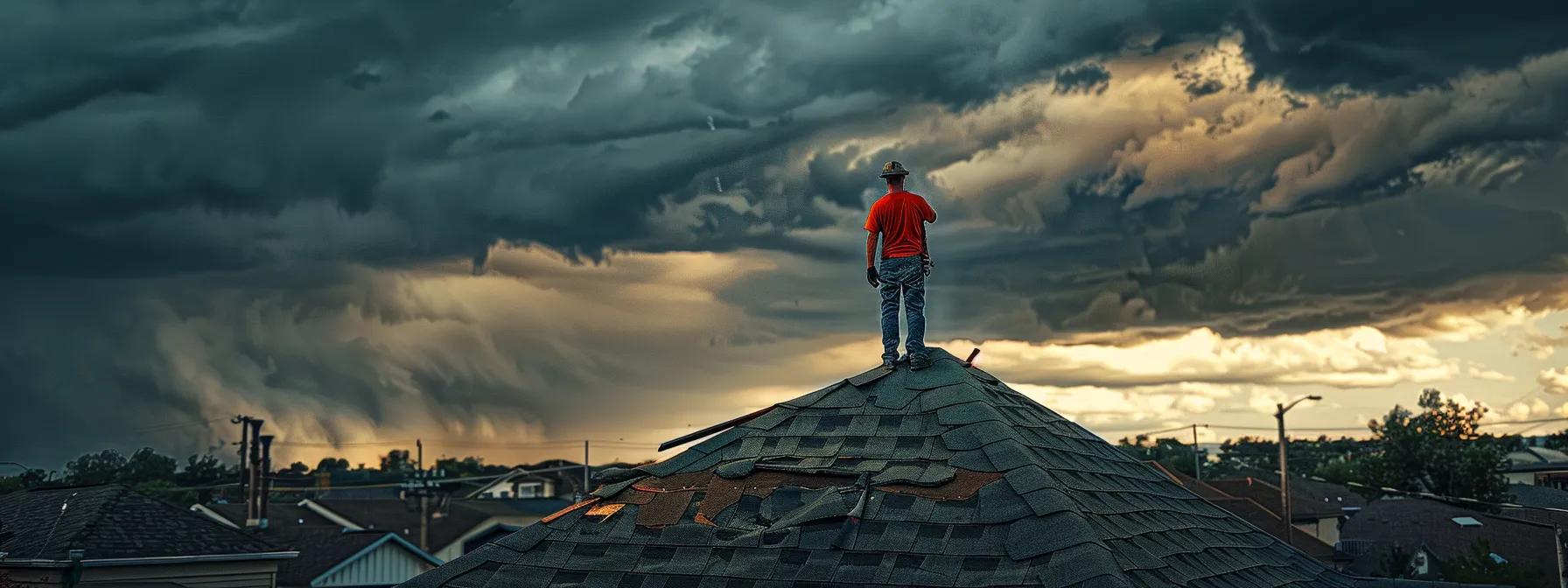
Emergency roofing companies must be prepared to handle a variety of damage types. Damage from storms and high winds typically results in missing or loose shingles, damaged flashing, and broken seals. Hail can cause small dents, cracks, and breakage in shingles, while leaks may develop from minor roof deterioration and lead to interior water damage if unchecked. In more severe cases, structural damage such as compromised support beams or trusses requires immediate stabilization and repair. A contractor experienced in managing any or all of these issues is better positioned to protect your home from further damage.
How Do Companies Address Storm and Wind Damage?
When storms or high winds damage your roof, experienced companies first secure the area with temporary tarps or boards to block water and debris. They then conduct a detailed inspection to locate damaged shingles, broken flashings, or structural weaknesses. For wind-related issues, the focus is on reattaching or replacing loose shingles and repairing flashings around roof penetrations like chimneys and skylights. In many cases, contractors also offer post-repair inspections to guarantee that the work performed will hold up under future extreme weather.
What Is Involved in Leak Detection and Repair?
Leak detection starts with a thorough visual inspection, often complemented by advanced tools such as moisture meters or thermal imaging cameras. Once the leak source is identified, the contractor removes any damaged materials and applies sealants or patches to stop water intrusion. Addressing secondary damage—such as water stains, mold development, or insulation deterioration—is also critical to restore the roof’s overall integrity. Detailed documentation of the repair process, including photographs and a description of methods used, assures homeowners that the issue has been comprehensively resolved.
How Are Hail and Structural Damages Managed?
Hail damage typically requires a tailored approach since it can result in many small dents or shingle breakage. Contractors evaluate the extent of damage and may replace individual shingles or recommend more extensive repairs if necessary. For structural damage from severe weather or accidents—such as damaged support beams or trusses—contractors often collaborate with structural engineers. Repairs may include reinforcing or replacing compromised materials to ensure the roof can withstand future extreme weather events. Both hail and structural repairs must be prompt and precise to prevent further issues and maintain the roof’s durability.
How Do Emergency Roofing Repair Companies Assist With Insurance Claims?
Filing insurance claims after roof damage can be complex. Reputable emergency roofing companies assist homeowners by documenting the damage, preparing detailed repair estimates, and guiding them through the claim process. Their experience in dealing with insurance adjusters ensures that all necessary documentation—such as photographs, invoices, and expert assessments—is compiled accurately. Acting as an intermediary between the homeowner and the insurance company, contractors help streamline the claim process, which can expedite repairs and reduce out-of-pocket expenses.
What Steps Are Involved in Filing a Roof Damage Insurance Claim?
Filing a claim begins with thorough documentation of the damage through photographs and detailed notes. Homeowners should then report the damage to their insurance company promptly, as policies often specify strict timeframes for claims. An insurance adjuster will inspect the damage, and providing the contractor’s preliminary report and repair estimate can support a more favorable evaluation. Maintaining clear communication throughout the process ensures that all necessary information is provided for a successful claim.
How Do Roofing Companies Support Documentation and Adjuster Communication?
Roofing contractors support the claim process by preparing professional documentation—such as photographs, written reports, and detailed estimates—that clearly convey the extent of the damage. They also guide homeowners on how to present the evidence to the insurance adjuster. By acting as a knowledgeable liaison, contractors help ensure that every aspect of the damage and repair plan is fully accounted for. Their direct communication with the insurance company can expedite claim review and lead to a smoother reimbursement process.
What Should You Do if Your Insurance Claim Is Denied?
If your insurance claim is denied, request a written explanation detailing why it was rejected. Review the adjuster’s report and your submitted documentation with your contractor to identify any missing or inaccurate information. Contractors with experience in insurance claims may suggest additional evidence or recommend hiring an independent roofing consultant for a further assessment. In some cases, contacting a professional public adjuster to help rebuild your claim file can improve your chances of a successful appeal. Acting quickly within the policy’s timeframe is crucial to securing a fair reimbursement.
What Are the Typical Costs and Financing Options for Emergency Roof Repairs?

Emergency roof repairs can be expensive, with costs varying based on damage severity, roof size, and material type. Minor fixes might cost a few hundred dollars, whereas comprehensive repairs or replacements can run into the thousands. For example, sealing a storm-induced leak might range from $300 to $1,000, while replacing damaged shingles from high winds could be considerably more.
Many roofing companies offer financing options to ease the immediate financial burden. These may include short-term payment plans, deferred payment schemes, and partnerships with lenders specializing in home repairs. Transparent financing terms and clearly stated emergency service fees help ensure that necessary repairs are not delayed by cost concerns.
To illustrate, consider this summary table:
How Much Does Emergency Roofing Repair Usually Cost?
Costs depend on the extent of damage, material quality, and repair urgency. Detailed assessments by roofing professionals provide precise estimates. Many contractors offer free consultations that include a comprehensive roof inspection and cost breakdown, helping homeowners plan their budgets accordingly.
What Payment and Financing Plans Are Available?
Flexible payment and financing plans are available from many modern emergency roofing companies. Homeowners can often choose installment plans, interest-free financing, or deferred payment options contingent on insurance reimbursement. It is critical to review financing terms carefully to avoid hidden fees. Clear communication about financing helps ensure that essential repairs are completed promptly without undue financial strain.
How Can You Prevent Future Roof Emergencies Through Proactive Measures?
Regular maintenance can significantly reduce the likelihood of future roofing emergencies. Routine inspections by qualified professionals help detect early signs of wear or damage before they become critical. Scheduling inspections at least once or twice a year—and after severe weather events—can catch problems early and prevent escalated repairs.
Investing in ongoing maintenance, such as timely repair of minor issues and regular gutter cleaning, extends the life of your roof. Properly maintained gutters, for example, prevent water backup that can cause leaks and other damage. Similarly, trimming tree branches near the roof minimizes the risk of physical damage during storms. Upgrading to impact-resistant materials, like advanced asphalt shingles or metal roofing, can offer extra protection in areas prone to extreme weather.
Why Are Regular Roof Inspections Essential?
Regular inspections enable early detection of issues such as small leaks, damaged shingles, or deteriorated flashing. Addressing these minor problems at a lower cost can prevent emergency repairs and longer-term damage. Inspections also help maintain the roof’s lifespan and safeguard the interior of your home from water damage and mold.
How Do Gutter Maintenance and Tree Trimming Help Protect Your Roof?
Gutter maintenance ensures water flows freely off the roof instead of pooling, which can cause leaks and structural damage. In colder climates, clear gutters prevent ice dams that may weaken the roof. Tree trimming removes overhanging branches that might scratch or dislodge roofing materials during storms. These proactive steps not only protect the roof but also reduce long-term repair costs by preserving the roof’s overall condition.
Frequently Asked Questions
Q: How often should I schedule a roof inspection? A: At least twice a year—ideally in the spring and fall—and after severe weather events to catch emerging issues early.
Q: What should I look for when verifying a roofing contractor’s license? A: Ensure the license is current and valid through your local licensing board; check for additional certifications and review proof of insurance.
Q: How can I prepare for an emergency roofing repair? A: Keep detailed maintenance records, maintain a list of reputable emergency roofing companies, and verify that your insurance policy covers roof repairs.
Q: What financing options are typically available for emergency roof repairs? A: Options include installment plans, deferred payment schemes, and partnerships with home improvement loan providers.
Q: Can regular roof maintenance really prevent roofing emergencies? A: Yes, proactive measures like inspections, gutter cleaning, and tree trimming significantly reduce the risk of major emergencies.
Q: How do roofing companies handle insurance claims for emergency repairs? A: They assist by documenting damage, preparing estimates, and communicating with insurance adjusters to ensure claims are processed efficiently.
Q: What are the signs of storm or wind damage that I should be aware of? A: Look for missing or loose shingles, damaged flashing, debris on the roof, and visible gaps around vents and chimneys.
Final Thoughts
Selecting an emergency roofing repair company requires careful verification of licensing, insurance, and qualifications. Homeowners should prioritize companies offering rapid response times, thorough documentation support for insurance claims, and flexible financing options. Regular roof maintenance—including routine inspections and preventive measures like gutter cleaning and tree trimming—not only safeguards your property but also minimizes the likelihood of future emergencies. With this knowledge, you can confidently choose a roofing emergency specialist who will protect your home during unforeseen events, ensuring lasting protection and peace of mind.