


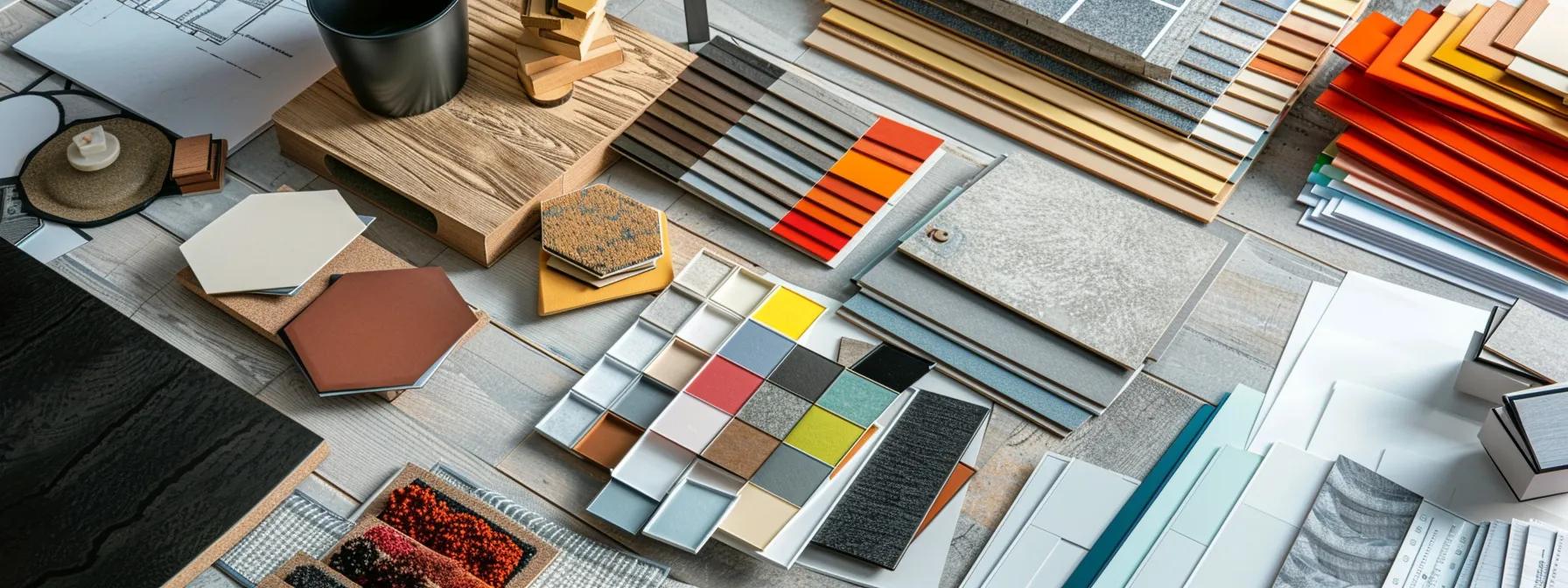
When it comes to choosing the best roofing materials for residential properties, homeowners have a myriad of options, each with its own set of benefits and drawbacks. As professional roofing experts suggest, the ideal roofing material will depend on various factors including climate, architectural style, budget, and durability requirements. Among the top contenders, asphalt shingles stand out due to their affordability, ease of installation, and variety of styles and colors. These shingles are particularly popular in North America and can effectively withstand various weather conditions, making them suitable for diverse climates.
In addition to asphalt, metal roofing has gained significant traction among environmentally conscious homeowners. Known for its longevity and energy efficiency, metal roofs can last 50 years or more with proper maintenance, while reflecting heat to reduce cooling costs. For those looking to make a more sustainable choice, materials like clay tiles and slate offer exceptional durability and aesthetic appeal, though they can be more costly upfront. Ultimately, selecting the right roofing material requires careful consideration of long-term performance and maintenance, ensuring that the chosen option not only enhances the home’s curb appeal but also provides lasting protection against the elements.
Introduction
Choosing the best roofing material for your home is a critical home improvement decision. Homeowners seek durability, energy efficiency, cost-effectiveness, and style while ensuring the roof withstands severe weather and meets building codes. This review of the top roofing materials in 2023 covers benefits, drawbacks, typical costs, longevity, and installation tips. Whether you face hurricanes, snow, or extreme heat, this guide helps you decide on a roofing material that conserves energy, meets safety standards, and minimizes water damage—all while fitting your budget. Let’s explore options from the traditional appeal of asphalt shingles to eco-friendly solutions that lower energy expenses and environmental impact.
What Are the Top Roofing Materials for Homes in 2023?
In 2023, homeowners consider climate, durability, style, and cost when selecting a roof. The leading options include: • Asphalt shingles • Metal roofing • Tile roofing • Wood shake • Eco-friendly materials
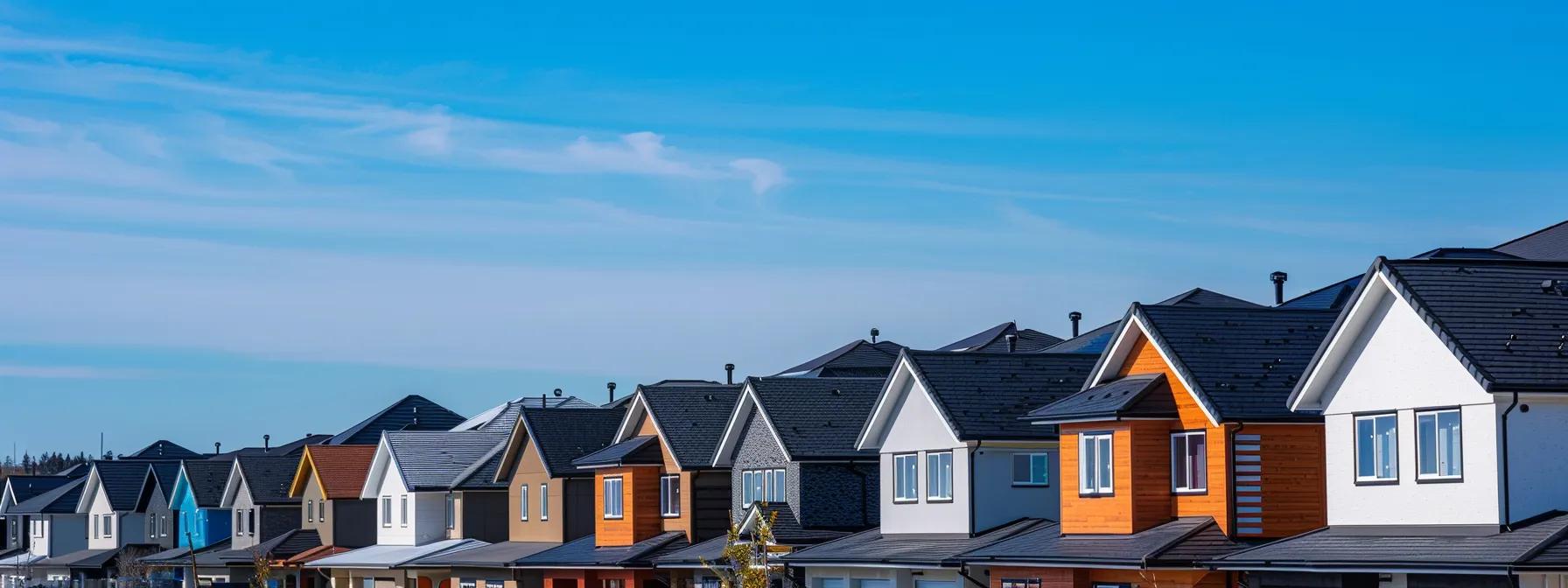
Which Benefits Do Asphalt Shingles Offer for Residential Roofs?
Asphalt shingles remain the most popular roofing material in North America because they balance cost, performance, and aesthetics. They resist high winds and heavy rain and come in various colors and styles, suiting many architectural designs. Key advantages include: – Cost-Effectiveness: One of the lowest price points per square foot. – Enhanced Versatility: Multiple color options enhance curb appeal. – Weather Resistance: Treated to resist moisture, UV damage, and temperature fluctuations. – Availability: Widely available and backed by trusted brands. – Ease of Installation: Lightweight and straightforward to install and repair.
These qualities make asphalt shingles a favored choice for affordability and performance.
What Are the Pros and Cons of Metal Roofing Options?
Metal roofing is recognized for its longevity and energy efficiency. Pros include: – Exceptional durability (lasting 40 to 70 years). – Resistance to extreme weather such as heavy snow, hail, and high winds. – Solar heat reflection, which reduces cooling costs. – Lightweight and environmentally friendly by using recycled materials.
However, metal roofs come with higher upfront costs, can be noisy without proper insulation, may dent from debris, and require careful installation to manage thermal expansion. They are best suited for regions with severe weather where long-term savings outweigh the initial investment.
How Does Tile Roofing Compare in Durability and Style?
Tile roofing—including clay and concrete tiles—is known for its timeless aesthetics and long lifespan (often 50 years or more). Its heavyweight construction provides excellent fire resistance and insulation. Key points: – Tiles offer rich colors and textures that dramatically enhance any home’s style. – They resist moisture, mold, and insect damage. – However, their weight necessitates reinforced support, increasing installation costs. – Tile roofs are typically more expensive than asphalt or metal options.
Tile roofing is a premium choice for homeowners seeking longevity and distinctive style, especially in regions with moderate to high temperatures where fire safety is a concern.
Is Wood Shake Roofing Suitable for Your Home?
Wood shake roofing, usually made from cedar, brings a natural, rustic charm with excellent insulation properties. Its advantages include: – Aesthetic appeal that develops a pleasing patina over time. – Good insulation that moderates indoor temperatures. – Blending seamlessly with natural landscapes, especially in rural settings.
Drawbacks include a higher maintenance requirement due to susceptibility to moisture, rot, and insects. Wood shake roofs need regular treatments with fire retardants and preservatives and demand skilled labor for proper ventilation and waterproofing. They suit homeowners who value natural aesthetics and insulation and are prepared for ongoing upkeep in climates not overly humid or wildfire-prone.
What Eco-Friendly Roofing Materials Are Available Today?
Eco-friendly roofing options are increasingly popular due to environmental concerns. These include: – Green Roofs: Living vegetation layers that provide natural insulation and reduce stormwater runoff. – Recycled Metal Roofs: Durable and long-lasting, made from reclaimed materials. – Solar Tiles: Integrate photovoltaic technology for renewable energy production. – Synthetic Membranes: Made from recycled rubber or thermoplastic olefin with extended durability.
Although these options often come with higher initial costs, they offer long-term energy savings, potential tax incentives, and reduced environmental impact, making them an attractive option for the eco-conscious homeowner.
How Do Roofing Material Costs Compare for Different Home Types?
Roofing material costs vary based on the chosen material, home size, style, and local installation fees. Balancing upfront costs with long-term maintenance and lifespan is essential.
What Is the Average Cost Per Square Foot for Asphalt Shingles?
Asphalt shingles generally cost between $2 and $4 per square foot, including materials and installation. Their low upfront cost, ease of repair, and competitive warranties make them a popular choice for budget-conscious homeowners and first-time buyers.
How Much Does Metal Roofing Installation Typically Cost?
Metal roofing installation can range from $5 to $12 per square foot. Although the initial expense is higher, metal roofs offer increased durability (40 to 70 years) and energy efficiency through solar reflectivity, which can reduce energy bills over time. Their low maintenance needs also add value in severe weather regions.
What Are the Price Ranges for Tile and Wood Shake Roofing?
- Tile Roofing: Typically costs between $7 and $15 per square foot due to material and labor expenses, with benefits including durability and fire resistance.
- Wood Shake Roofing: Usually ranges from $6 to $10 per square foot. While wood shakes provide natural insulation and a rustic look, they also require more frequent maintenance and treatments compared to other materials.
How Do Eco-Friendly Roofing Materials Affect Your Budget?
Eco-friendly options, such as green roofs and solar tiles, tend to have higher initial costs: – Green roofs can cost $10 to $20 per square foot because of specialized design and installation needs. – Solar tiles may range from $20 to $30 per square foot. Despite these costs, energy bill savings and potential incentives make eco-friendly roofs cost-effective in the long run.
What Factors Influence Roofing Material Pricing?
Key pricing factors include: – Material Quality and Brand: Premium materials and trusted brands come at higher costs. – Home Size and Roof Complexity: More complex roofs require additional labor and materials. – Local Labor Costs: Regional differences can impact overall expenses. – Installation Complexity: Features like skylights or chimneys may increase costs. – Warranty and Lifespan: Longer-lasting materials with extensive warranties often have higher upfront costs. – Market Demand: High demand or limited regional supply can drive up prices.
These considerations ensure homeowners make informed decisions based on both long-term value and immediate expense.
How Long Do Different Roofing Materials Last?
The lifespan of a roof influences maintenance costs and replacement frequency. Different materials offer varying durability in response to weather and wear.
What Is the Typical Lifespan of Asphalt Shingles?
Asphalt shingles typically last 20 to 30 years, with longevity dependent on proper installation and maintenance. Regular inspections and minor repairs can extend their lifespan despite exposure to intense sunlight and moisture.
How Durable Is Metal Roofing Compared to Other Materials?
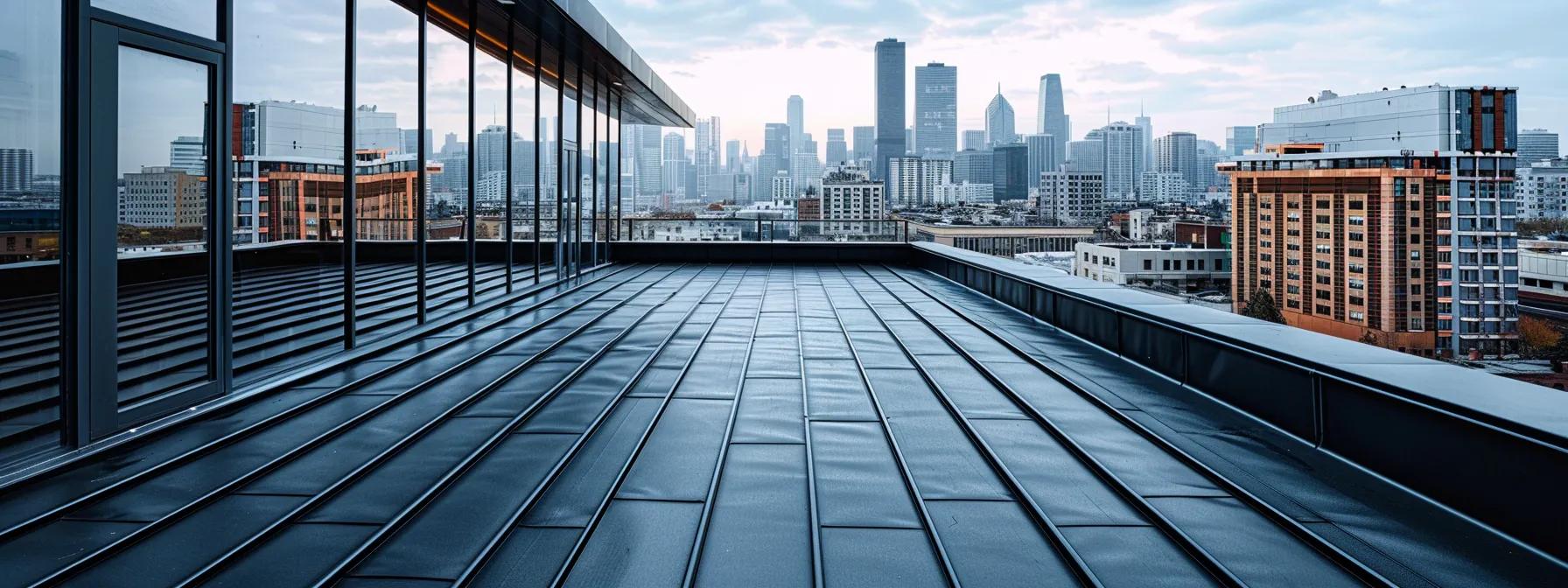
Metal roofs stand out for their durability, lasting 40 to 70 years. Their resistance to rot, UV degradation, and extreme weather—combined with low maintenance and excellent thermal performance—makes them a long-term investment for many homeowners.
What Maintenance Is Required to Extend Tile Roofing Life?
Tile roofs, whether clay or concrete, require periodic cleaning to remove debris and moss, along with occasional resealing and grout repairs. Such maintenance minimizes water damage and helps tiles maintain alignment, ensuring a lifespan that often exceeds 50 years.
How Does Wood Shake Roofing Perform Over Time?
Wood shake roofs typically last 25 to 40 years. Their performance is influenced by climate and maintenance habits; regular treatments and proper ventilation can help mitigate risks like rot and mold, preserving their natural aesthetic and insulating properties.
Which Eco-Friendly Materials Offer Long-Term Durability?
Eco-friendly roofs, including green roofs, recycled metal, and synthetic membranes, are designed for extended durability. When correctly installed, green roofs can last 30 to 50 years, while recycled metal and synthetic options often match or exceed traditional materials in longevity, with added environmental benefits.
How Should You Choose the Best Roofing Material for Your Home Style and Climate?
Selecting the right roofing material requires considering architectural style, local climate, energy efficiency, and long-term maintenance.
What Roofing Materials Work Best for Different Home Styles?
Different roof styles complement various home architectures: – Traditional colonial homes work well with asphalt or wood shake roofs. – Modern designs may benefit from metal roofs or solar tiles for a sleek look. – Mediterranean and Southwestern homes often suit tile roofing, courtesy of its warm colors and robust design. – Eco-friendly options like green roofs complement sustainable home designs and natural surroundings.
How Does Climate Impact Roofing Material Performance?
Climate is a major determinant in roofing material selection: – In humid or rainy regions, waterproof and mold-resistant materials such as metal or tile are preferred. – Areas with severe temperature changes benefit from materials that offer high insulation, like wood shake or green roofs. – Coastal regions require materials resistant to corrosion (e.g., copper or specially treated metal) due to salt exposure. – Energy-efficient features such as solar reflective coatings are vital in hot climates to reduce cooling costs.
What Are the Aesthetic Considerations for Roofing Materials?
Aesthetics play a crucial role in curb appeal: – Wood shake roofs offer a warm, rustic look that develops a natural patina. – Metal roofs provide a clean, modern appearance. – Tile roofs add elegance with a variety of rich colors. – The aging process of materials like copper can enhance historic properties. The roof should harmonize with other exterior elements like siding and windows.
How Do Energy Efficiency and Insulation Affect Material Choice?
Materials with high reflective properties and thermal efficiency reduce heating and cooling costs. Metal roofs with reflective coatings and green roofs with natural insulation contribute significantly to overall energy efficiency, supporting both environmental sustainability and lower utility bills.
When Should You Consult a Roofing Expert for Material Selection?
Consult a roofing expert to: – Assess your home’s structural integrity. – Evaluate the impact of local climate conditions. – Provide insights on current trends and technological advancements. Expert guidance ensures that roofing material choices meet building codes, optimize energy performance, and align with aesthetic goals.
What Are the Installation and Maintenance Requirements for Popular Roofing Materials?
Understanding installation and maintenance is key to long-lasting roofs. Professional installation improves reliability and minimizes repair risks. Each roofing material requires specific installation techniques, underlayments, and periodic maintenance protocols.
How Is Asphalt Shingle Installation Performed Step-by-Step?
The typical process for asphalt shingles includes: 1. Stripping the existing roof and inspecting the deck. 2. Applying a layer of underlayment and roofing felt. 3. Installing shingles in overlapping courses from the bottom up. 4. Adding flashing around chimneys, vents, and valleys. 5. Installing ridge caps to cover the roof’s peak. Routine seasonal inspections and prompt repairs are recommended.
What Are the Key Considerations for Metal Roof Installation?
Metal roof installation involves: 1. Preparing the roof deck and installing a high-quality underlayment. 2. Precisely aligning and fastening metal panels with stainless steel screws or concealed clips. 3. Sealing joints and edges to prevent water intrusion. 4. Designing ventilation systems to minimize condensation. Regular cleaning and inspections ensure longevity and warranty compliance.
How Do You Maintain Tile and Wood Shake Roofs Effectively?
For tile roofs, routine cleaning and immediate replacement of broken tiles are crucial. Resealing joints prevents water damage. Wood shake roofs require periodic cleaning, weatherproofing treatments, and ventilation checks to avoid rot and insect damage. Annual professional inspections help address minor issues early.
What Are Common Roofing Problems and How Can You Repair Them?
Common issues include: – Cracked or missing shingles. – Leaks around flashing. – Ice dams in cold climates. – UV-induced degradation. Repairs generally involve replacing damaged sections and resealing vulnerable areas. Regular maintenance and prompt professional inspections help prevent costly repairs.
Why Is Professional Installation Important for Roofing Longevity?
Professional installation ensures adherence to manufacturer specifications and building codes, reducing risks of water leakage, structural damage, and energy inefficiency. Skilled roofers address material nuances to maximize durability and preserve warranties.
Which Leading Brands Offer the Best Roofing Materials in 2023?
Choosing brands with proven quality and innovation is essential. Top brands offer extensive warranties, reliable product support, and consistent performance.
What Are the Features of GAF Asphalt Shingles?
GAF is a leading name in asphalt shingles, known for: – Enhanced weather resistance with high-quality granules. – Smooth installation, excellent fire ratings, and durability under severe weather. – A variety of styles from traditional three-tab to architectural designs. Their extensive warranties and rigorous product testing instill consumer confidence.
How Do Owens Corning and CertainTeed Compare in Quality?
Both Owens Corning and CertainTeed are industry leaders: – Owens Corning provides insulation-enhanced shingles for improved energy efficiency. – CertainTeed is renowned for architectural shingles that combine durability with visual appeal. Both meet stringent building codes and offer competitive warranties, making them top choices.
What Metal Roofing Brands Are Trusted by Homeowners?
Brands such as Metal Sales, Englert, and Fabral are trusted in the metal roofing market. Their products feature advanced coatings for corrosion resistance and high energy efficiency by reflecting sunlight, backed by continuous research and positive customer reviews.
Which Brands Provide Eco-Friendly Roofing Options?
Eco-friendly choices include brands like DaVinci Roofscapes and Carlisle: – DaVinci offers composite shingles that mimic wood shake aesthetics with lower maintenance. – Carlisle produces synthetic roofing membranes focused on sustainability. These products not only reduce energy consumption but also lower environmental footprints.
How Do Warranties Differ Among Roofing Material Brands?
Warranty terms vary: – Asphalt shingle warranties from GAF, Owens Corning, and CertainTeed range from 20 to 50 years. – Metal roofs often come with warranties exceeding 40 years. – High-end tile and wood shake products may offer warranties with detailed maintenance requirements. Comparing warranty conditions can be crucial when evaluating long-term value.
What Are the Most Frequently Asked Questions About Roofing Materials?
FAQs help clarify details about roofing selections, costs, installation practices, and maintenance strategies.
What Is the Best Roofing Material for a Home?
The best material depends on your climate, budget, and architectural style. Asphalt shingles are popular for affordability, while metal roofs offer durability and energy savings. Tile and wood shake provide distinctive aesthetics but require higher maintenance. Eco-friendly options add sustainability benefits.
How Much Does a New Roof Cost on Average?
New roof costs range widely—from about $5,000 for a small, asphalt shingle roof to over $25,000 for high-end tile or metal roofs on larger homes. The final cost depends on roof size, complexity, regional labor rates, and any necessary structural reinforcement.
What Are the Pros and Cons of Different Roofing Materials?
- Asphalt Shingles: Affordable and easy to install but shorter lifespan.
- Metal Roofs: Durable and energy efficient yet higher initial cost.
- Tile Roofing: Elegant and long-lasting but heavier and more expensive.
- Wood Shake: Offers natural beauty and insulation but requires significant maintenance.
- Eco-Friendly Options: Sustainable and energy saving with higher upfront costs.
How Long Does a Roof Last With Proper Maintenance?
Generally, asphalt shingles last 20–30 years, metal roofs 40–70 years, and tile roofs can provide service for over 50 years. Regular inspections and timely repairs extend a roof’s lifespan.
What Is the Most Durable Roofing Material Available?
Metal roofing is often cited as the most durable option, with lifespans reaching 70 years or more. Its resistance to fire, wind, hail, and corrosion, combined with its energy-saving reflectivity, makes it a top choice despite a higher initial investment.
Frequently Asked Questions
Q: Can I install a new roof over my existing roof? A: In some cases, yes, but it depends on local building codes, the condition of the current roof, and the type of new material. Consulting with a professional roofer is recommended to assess structural implications.
Q: What are the benefits of choosing energy-efficient roofing materials? A: They reduce energy consumption by reflecting sunlight and improving insulation, leading to lower cooling costs and overall enhanced comfort. Energy rebates or tax credits may also apply.
Q: How often should my roof be inspected for maintenance? A: It is advisable to have your roof inspected annually and after major weather events to catch issues like loose shingles or flashing damage early.
Q: What environmental benefits do green roofs offer? A: Green roofs provide natural insulation, reduce urban heat island effects, manage stormwater, and improve air quality by absorbing pollutants.
Q: Are warranties on roofing materials worth the extra cost? A: Yes, warranties provide protection against defects and premature failure. Although higher-warranty products may cost more upfront, they offer peace of mind and can reduce long-term repair expenses.
Final Thoughts
Selecting the ideal roofing material requires balancing performance, cost, aesthetics, climate suitability, and maintenance demands. Asphalt shingles deliver affordability and ease of installation, metal roofs offer unmatched longevity and efficiency, while tile and wood shake provide unique style options with varying maintenance needs. Eco-friendly solutions further enhance sustainability goals. With careful consideration and professional consultation, you can choose a roofing material that not only beautifies your home but also stands the test of time.
This table summarizes key attributes of each roofing option, allowing you to compare longevity, benefits, and cost. Choosing the right material involves balancing your immediate budget with long-term value to ensure your home remains both protected and attractive for decades.