


In today’s competitive roofing market, homeowners and facility managers are increasingly searching for sustainable roof solutions that protect while contributing to environmental preservation. Eco-friendly roof coating solutions extend roof lifespan, improve energy efficiency, and reduce maintenance costs by using sustainable materials and innovative technologies to reflect solar energy, enhance insulation, and prevent water damage. As climate change drives demand for sustainable practices, understanding how these coatings work, their benefits, and proper installation is essential for anyone considering a roof restoration or upgrade. This article explains what defines an eco-friendly roof coating, reviews the available types and their features, outlines long-term benefits such as energy savings and environmental responsibility, and discusses how professional installation influences performance and cost. In doing so, readers gain insight into how these coatings enhance the built environment’s longevity and efficiency.
Transitioning from a general overview, the following sections address the basic definitions, working mechanisms, installation methods, and benefits of eco-friendly roof coatings, while answering common questions with practical examples.
What Are Eco-Friendly Roof Coating Solutions and How Do They Work?
Eco-friendly roof coatings are environmentally conscious formulations that protect roof surfaces and minimize environmental impact. They are applied as a liquid layer that bonds to the roof substrate, forming a durable, waterproof barrier that reflects ultraviolet (UV) rays and resists water and heat penetration. This reflective film extends roof life and boosts energy efficiency by counteracting the degradation caused by sunlight, water, and pollutants.
What Defines an Eco-Friendly Roof Coating?
These coatings are characterized by their use of sustainable or recycled materials and low volatile organic compound (VOC) formulations, avoiding harmful chemicals common in conventional products. Ingredients such as acrylics, recycled rubber, and natural polymers are used to minimize environmental pollution during production, application, and disposal. Their low toxicity and reduced emissions improve indoor air quality, often earning certifications like Energy Star or LEED.
How Do Eco-Friendly Coatings Protect and Extend Roof Lifespan?
By sealing roofs against moisture, UV rays, and pollutants, eco-friendly coatings reduce damage from thermal expansion and contraction. Their reflective properties lower heat absorption, which reduces structural stress and obviates frequent repairs. This protective barrier not only maintains roof integrity but also contributes to substantial energy savings by reducing cooling demands, with temperature reductions of up to 15°C in some instances.
Which Sustainable Materials Are Used in Eco-Friendly Roof Coatings?
Key materials include acrylics, silicone-based compounds, elastomeric polymers, and recycled rubber granules. Silicone coatings are valued for UV reflectivity and water repellency, while acrylic formulations offer strong adhesion across various substrates. Recycled rubber repurposes waste, reducing reliance on new materials. Combined, these components ensure a robust, sustainable coating that minimizes the ecological footprint of roofing projects.
What Types of Eco-Friendly Roof Coatings Are Available?
Eco-friendly roof coatings are available in multiple formulations designed to meet various performance requirements and budgets. They can be used on different roof types—such as asphalt, metal, concrete, and flat roofs—allowing property owners to choose options suited to their specific climate, structural conditions, and aesthetic preferences.
What Are the Features of Acrylic, Silicone, and Elastomeric Coatings?
- Acrylic Coatings: Offer excellent UV resistance and water repellency. They provide a thin, breathable film that cures quickly, making them ideal for many residential and commercial applications.
- Silicone Coatings: Known for superior resistance to permeability and performance in harsh climates, they maintain flexibility over wide temperature ranges and adhere well to metal and concrete.
- Elastomeric Coatings: Recognized for their stretchability, these coatings adapt to roof movement caused by temperature variations, reducing the risk of cracks. All are formulated with low-VOC ingredients to meet environmental standards.
How Do Low-VOC and Recycled Rubber Coatings Differ?
Low-VOC coatings minimize the release of volatile organic compounds, reducing indoor and outdoor pollution. Recycled rubber coatings, on the other hand, incorporate waste tire materials to provide effective waterproofing and enhanced elasticity. While low-VOC formulations focus on air quality, recycled rubber options emphasize longevity and sustainable waste management.
Which Coating Types Offer the Best Durability and Weather Resistance?
Silicone and elastomeric coatings typically offer the best performance under extreme weather conditions. Silicone coatings resist chalking, cracking, and mildew due to their chemical stability, whereas elastomeric coatings effectively accommodate structural movements. Both are designed to endure prolonged UV exposure and heavy rainfall, offering enhanced roof lifespan compared to uncoated surfaces.
What Are the Key Benefits of Using Eco-Friendly Roof Coatings?
Eco-friendly roof coatings offer benefits that extend far beyond waterproofing. They improve the building’s energy efficiency by reflecting solar energy, regulate indoor temperatures, and reduce air conditioning needs. In addition to lowering utility bills, these coatings decrease the carbon footprint and enhance durability by resisting UV-induced degradation and minimizing cracks.
How Do Eco-Friendly Coatings Improve Energy Efficiency and Reduce Cooling Costs?
By reflecting a significant portion of incoming solar radiation, these coatings keep roof surfaces cooler. This reduction in heat absorption lowers indoor temperatures, allowing HVAC systems to operate more efficiently and less frequently. The resulting energy savings often translate to a reduction in cooling costs of up to 30%.
In What Ways Do Coatings Protect Roofs From UV and Weather Damage?
The continuous protective film provided by eco-friendly coatings deflects harmful UV rays, protecting critical roofing materials such as bitumen and asphalt from early oxidation and degradation. In addition, the waterproof barrier prevents moisture infiltration, thereby reducing the risk of mold growth and structural damage from repeated freeze-thaw cycles.
How Do Sustainable Coatings Contribute to Environmental Responsibility?
These coatings are designed with environmental responsibility in mind—they reduce energy consumption, incorporate recycled materials, and require fewer repairs over time. The consequent reduction in material use and maintenance frequency further lessens the overall environmental impact, aligning with green building practices and reducing carbon emissions.
How Does Professional Installation Enhance Eco-Friendly Roof Coating Performance?
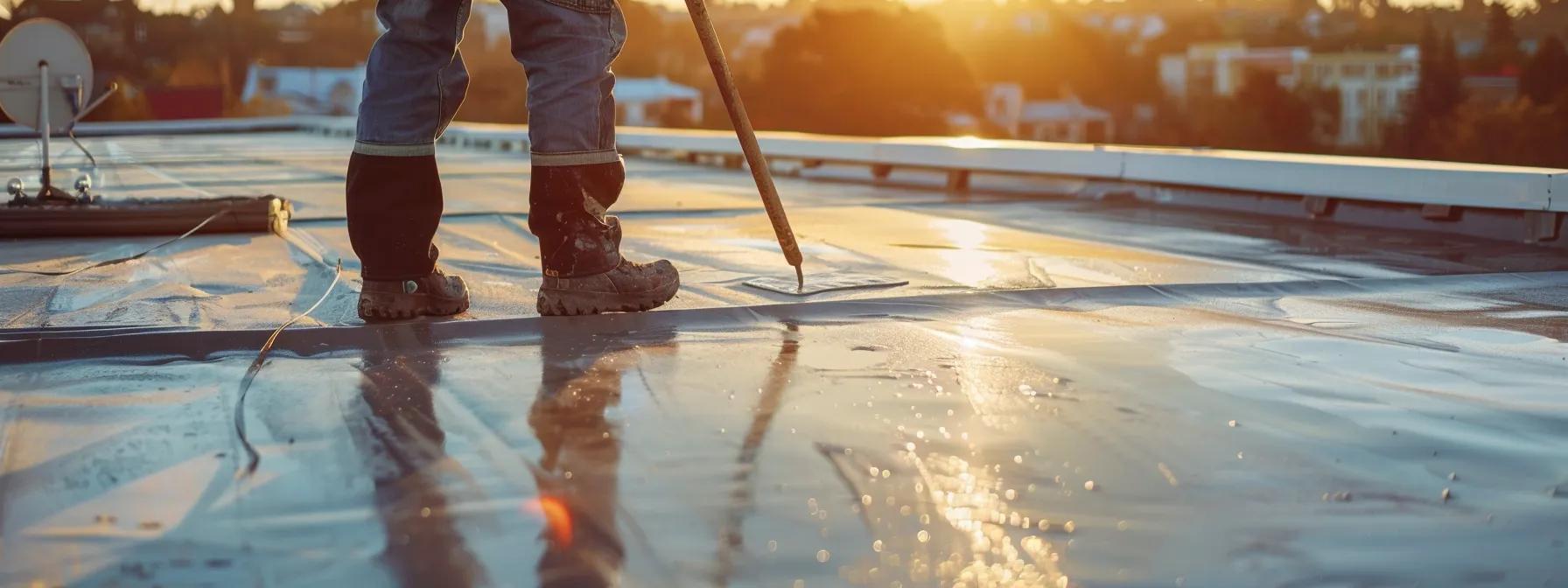
Professional installation is crucial to maximizing the benefits of eco-friendly roof coatings. Expert roofers conduct comprehensive inspections, thoroughly prepare surfaces, and apply coatings with precision using advanced equipment. This ensures proper adhesion and uniform application, thereby eliminating issues like bubbles or streaks that could compromise performance.
What Is the Step-by-Step Process for Eco-Friendly Roof Coating Installation?
- Surface Preparation: The roof is cleaned to remove debris, dirt, and old coatings. Necessary repairs are completed to create a smooth surface.
- Application of Primer: A primer is applied to enhance adhesion between the roof surface and the coating.
- Coating Application: The coating is uniformly applied using spray or roller techniques.
- Curing Process: The coating bonds chemically with the roof substrate as it cures, forming a durable protective layer.
- Final Inspection: A thorough inspection ensures the coating is applied evenly and meets quality standards.
Why Choose Expert Installers for Roof Coating Application?
Expert installers bring specialized equipment and extensive experience to prevent common application errors. Their adherence to manufacturer guidelines and standards ensures optimal performance, and professional installation often includes warranties and maintenance options for additional peace of mind.
What Maintenance and Warranty Options Are Available for Coated Roofs?
Regular inspections and cleaning are recommended to maintain the coating’s integrity. Many professional services offer scheduled maintenance checks and warranties that cover material defects and premature failure, helping to safeguard the long-term investment in roof preservation.
How Much Do Eco-Friendly Roof Coating Solutions Cost and What Are the Savings?
While eco-friendly roof coatings represent an upfront investment, they deliver significant long-term cost savings through reduced energy bills, lower maintenance needs, and extended roof lifespan. The overall return on investment is influenced by factors such as material and labor costs, roof size, and the complexity of installation.
What Factors Influence the Cost of Eco-Friendly Roof Coatings?
Key factors include: – Material Costs: Prices vary by formulation (e.g., acrylic, silicone, elastomeric). – Labor and Installation: Professional installation fees depend on roof size and accessibility. – Roof Preparation: Additional costs arise from cleaning and repairs. – Energy Savings: Reduced cooling costs contribute substantially to financial benefits. – Local Incentives: Rebates and tax incentives may offset initial expenses.
How Do Roof Coatings Provide Long-Term Cost Savings?
By lowering the cooling load through reflective properties and preventing weather-related damage, these coatings reduce repair frequency and extend roof life. The cumulative energy savings and reduced maintenance costs often offset the initial investment over time.
Are There Financing or Local Incentives for Eco-Friendly Roof Coatings?
Homeowners may benefit from financing programs, rebates, and tax incentives provided by local governments and utility companies. These incentives, along with low-interest loans, help make the transition to sustainable roofing solutions more affordable.
Below is a summary table of cost factors versus long-term savings:
How Can You Choose the Right Eco-Friendly Roof Coating for Your Roof Type?
Choosing the right eco-friendly roof coating depends on understanding your roof’s material, local climate, and performance requirements. Homeowners should evaluate whether their roof is made of asphalt, metal, concrete, or is flat, as each substrate may require a specific formulation for optimal adhesion and performance.
Which Coatings Are Best for Asphalt Shingles, Metal, and Flat Roofs?
- Asphalt Shingles: Elastomeric and acrylic coatings work well by accommodating thermal expansion and contraction.
- Metal Roofs: Silicone coatings provide excellent UV resistance and prevent discoloration.
- Flat Roofs: Coatings with high waterproofing capabilities, such as silicone or elastomeric formulations, are recommended.
How to Evaluate Coating Performance Based on Climate and Environment?
Key performance indicators include reflectivity (albedo), flexibility, adhesion, and resistance to UV radiation and extreme temperatures. In hotter climates, high reflectance and thermal emittance are crucial, while water repellency is important in colder, high-humidity areas. Homeowners should consult product specifications and installers’ feedback to guide their decision.
What Questions Should You Ask Before Selecting a Roof Coating?
- What is the expected lifespan of the coating in local weather conditions?
- Are the materials sustainable and low in VOC emissions?
- How does the coating perform regarding UV resistance and thermal reflectivity?
- What are the maintenance and warranty options?
- Can the product be applied over the existing roof surface?
What Are the Latest Trends and Innovations in Eco-Friendly Roof Coatings?
The roofing industry continues to evolve with innovations that enhance energy efficiency and durability while addressing climate challenges. New sustainable materials and technologies are pushing the performance limits of roof coatings.
What New Sustainable Materials and Technologies Are Emerging?
Recent trends include the use of nanomaterials for improved barrier properties and self-cleaning capabilities, along with bio-based polymers that offer a sustainable alternative to petrochemical components. The integration of photovoltaic elements and reflective pigments is also increasing, adding both protection and energy-harvesting potential to roofs.
How Are Energy Efficiency Standards Evolving for Roof Coatings?
Energy efficiency is now a key testing criterion for roof coatings, with products being evaluated for solar reflectance, thermal emittance, and insulation properties. Standards such as Energy Star and LEED certification are driving manufacturers to create products that lower operating costs and reduce environmental impact.
What Market Growth and Environmental Trends Support Eco-Friendly Roofing?
Market demand for eco-friendly roofing is growing due to increased consumer consciousness and regulatory support. Environmental challenges like rising temperatures and extreme weather events underscore the need for long-lasting, sustainable coatings. Manufacturers are enhancing product performance and offering longer warranties as part of this market trend.
Below is a comparison of traditional versus eco-friendly roof coatings:
Frequently Asked Questions
Q: What makes a roof coating eco-friendly? A: It is formulated from sustainable or recycled materials with low VOC emissions, reducing harmful emissions and energy consumption while improving indoor air quality.
Q: How long do eco-friendly roof coatings typically last? A: They can extend a roof’s lifespan by up to 50%, often lasting 20 to 30 years when properly maintained.
Q: Can eco-friendly roof coatings lower energy bills? A: Yes, by reflecting solar radiation and reducing heat absorption, they keep interiors cooler and can lower cooling costs by up to 30%.
Q: Are there government incentives for green roof coatings? A: Many local governments and utilities offer financing, rebates, and tax incentives for sustainable building projects, including green roof coatings.
Q: What is the installation process for eco-friendly roof coatings? A: It involves a thorough inspection, cleaning and surface preparation, priming, uniform application of the coating, curing, and a final quality inspection.
Q: How do I choose the right coating for my roof type? A: Consider your roof material (asphalt, metal, flat), local climate, and performance needs. Consult a professional installer for recommendations based on your specific situation.
Q: What maintenance is required for a coated roof? A: Regular inspections and cleaning help preserve the coating’s integrity, and professional maintenance services can prevent minor issues from escalating.
Final Thoughts
Eco-friendly roof coatings provide a valuable solution for protecting roofs while promoting energy efficiency and sustainability. They extend roof lifespan, reduce cooling costs, and minimize repair expenses over time. By choosing professional installation and the appropriate product for your roof type, homeowners can achieve both financial savings and environmental benefits. As green building practices become more common, these innovative coatings will play an increasingly significant role in sustainable construction and roofing maintenance.