

Roof rejuvenation is a cutting‐edge treatment that restores, repairs, and revives aging roofs without undergoing a complete replacement. This innovative process uses advanced cleaning techniques, sealants, and protective coatings to extend a roof’s lifespan, improve its appearance, and boost its performance against weather and environmental challenges. Homeowners increasingly choose roof rejuvenation as a cost-effective and eco-friendly solution to mitigate moisture issues, reduce energy loss from heat transfer, and lower overall maintenance costs. By addressing minor damages and restoring structural integrity, these treatments enhance roof durability while guarding against leaks and storm damage.
The method not only tackles aesthetic concerns but also remedies structural deficiencies. In a market of rising construction costs, roof rejuvenation maintains function and curb appeal without the expense of complete replacement. Additionally, it reduces waste and lowers energy usage during production. This article explains the benefits, effective methods, and the impact of roof type on rejuvenation outcomes, helping homeowners decide if this solution meets their roofing needs.
What Are the Main Benefits of Roof Rejuvenation?
Roof rejuvenation delivers a range of economic and environmental benefits. It strengthens the roof’s structural integrity and prevents further deterioration, saving money compared to a complete replacement. Key benefits include cost savings, extended roof lifespan, improved appearance, and reduced environmental impact.
How Does Roof Rejuvenation Save Costs Compared to Replacement?
By addressing minor damages and restoring the roof’s protective layer with specialized sealants and coatings, roof rejuvenation avoids the need for full demolition and rebuilding. This approach dramatically reduces labor and material expenses. Reduced downtime and minimal disruption amplify the financial advantages, while environmental benefits emerge from lowering waste generation and energy use typically required in new roof installations.
In What Ways Does Roof Rejuvenation Extend Roof Lifespan?
Protective coatings and sealants fill in small cracks and microscopic imperfections, preventing water infiltration that can cause rot and mold. Maintaining the roof’s original structure and bolstering its resistance to extreme heat, ultraviolet radiation, and heavy precipitation helps stave off deterioration. Some treatments include additives that reflect solar radiation, reducing heat transfer and thermal stress. As a result, rejuvenated roofs often gain an additional 10 or more years of service life.
How Does Roof Rejuvenation Improve Roof Appearance and Property Value?
A rejuvenated roof immediately enhances curb appeal with a clean, uniform finish. Thorough cleaning removes debris, moss, and dirt, while a high-quality coating revives the roofing material’s color and texture. This improved appearance signals proper maintenance to potential buyers and can boost market value. In competitive real estate markets, a well-cared-for roof can facilitate a faster sale and higher resale value.
What Environmental Advantages Does Roof Rejuvenation Offer?
Roof rejuvenation is environmentally responsible. By extending the lifespan of existing roofs, it reduces the need for complete replacements that generate significant waste. The treatment consumes less energy and produces fewer carbon emissions compared to manufacturing and installing a new roof. Many rejuvenation products are eco-friendly, designed to last longer and reduce maintenance frequency, further lessening the environmental footprint.
Which Methods Make Roof Rejuvenation Most Effective?
The success of roof rejuvenation depends on proper cleaning, accurate sealant application, and appropriate protective coatings. Employing advanced techniques along with high‑quality materials ensures improvements in both appearance and functionality.
What Are the Best Roof Cleaning Techniques Before Rejuvenation?
Effective rejuvenation begins with thorough cleaning. High-pressure washing, soft washing, and specialized detergents are used to remove algae, mold, and debris. High-pressure washing must be carefully controlled to avoid damaging roofing material, while soft washing, combined with eco-friendly agents, gently removes contaminants. Antimicrobial treatments during cleaning also help prevent future moss or algae growth, ensuring optimal adhesion of subsequent coatings.
How Is Sealant Application Done for Maximum Effectiveness?
Sealants are applied by spray or brush, depending on roof texture. They are engineered to penetrate pores and form a barrier against water infiltration, wind, and ultraviolet rays. The process generally involves an initial primer followed by one or more layers of sealing compound. Proper curing of each layer maximizes adhesion and durability, and some specialized products offer self-healing properties to resist minor damages over time.
What Role Do Coatings Play in Roof Rejuvenation?
Protective coatings are the final step, providing a reflective, water-resistant layer that minimizes heat absorption and seals out moisture. Typically made from polyurethane or silicone, these coatings create a uniform finish that mends any residual imperfections left after cleaning and sealing. Additives such as UV inhibitors and anti-microbial agents protect against sunlight and biological growth. Over time, these coatings enhance resistance to extreme weather, reduce maintenance frequency, and prolong service life.
How Are Minor Roof Damages Repaired During Rejuvenation?
Minor damages such as small cracks, punctures, or loose granules are repaired during the rejuvenation process. Technicians use specialized repair materials that blend with the existing roof surface, employing patching techniques or flexible membranes to ensure watertight integrity. Addressing these damages prevents further deterioration, helping to avoid leaks and mold growth while contributing to a uniform and durable protective layer.
How Does Roof Type Affect the Effectiveness of Roof Rejuvenation?
The outcome of roof rejuvenation largely depends on roof type and the materials used. Different roofing materials—such as asphalt shingles, tiles, or metal—react differently to cleaning, sealing, and coatings. Understanding these variations is critical for achieving optimal results.
Is Roof Rejuvenation Effective for Asphalt Shingles?
Asphalt shingles, common in residential properties, respond particularly well to rejuvenation. The process involves thorough cleaning followed by application of a specially formulated sealant that penetrates the shingle surface. This not only restores the color and appearance of the shingles but also maintains their flexibility and adhesion, protecting against ultraviolet rays and moisture damage.
Can Tile Roofs Benefit From Roof Rejuvenation?
Tile roofs, whether clay or concrete, benefit from targeted cleaning and coating techniques. The process restores the integrity of individual tiles and the underlying waterproof membrane. Removing accumulated dirt and mineral deposits and applying high-performance sealants help enhance water resistance and correct discoloration. Correctly executed, tile roof rejuvenation significantly extends roof lifespan even in harsh weather conditions.
What Are the Best Practices for Metal Roof Rejuvenation?
Metal roofs require a specialized approach due to their high reflectivity and corrosion tendencies. Rejuvenation for metal roofs includes careful cleaning to remove rust and corrosion, application of corrosion inhibitors, and high-durability coatings that protect against moisture and wind. It is essential to maintain the roof’s thermal reflectivity for energy efficiency while ensuring a robust protective barrier against ultraviolet radiation.
What Is the Step-by-Step Process of Roof Rejuvenation?
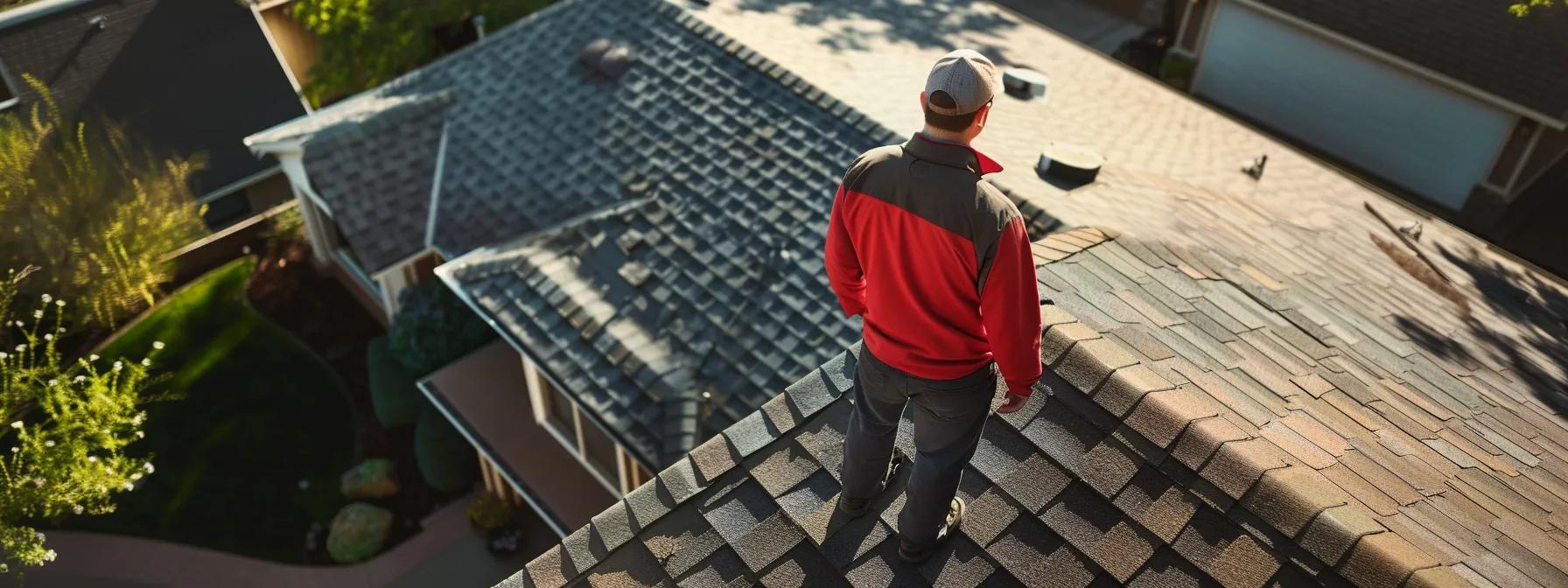
A clear, step-by-step process is key to successful roof rejuvenation. Homeowners can benefit from knowing what to expect during each phase—from the initial assessment to final protective coating application.
What Are the Key Stages in a Roof Rejuvenation Project?
The process typically begins with a comprehensive roof inspection to identify areas needing repair. This is followed by detailed cleaning, often using soft washing to remove dirt, mold, and debris. Minor repairs are then performed on cracks and imperfections. Next, high-performance sealants are applied to create a durable protective barrier, and finally, a long-lasting coating is applied to shield the roof from further environmental damage. Each stage is designed to extend roof life, enhance appearance, and improve resistance against moisture and ultraviolet damage.
What Should Homeowners Expect During Roof Rejuvenation?
Roof rejuvenation is typically quick and minimally disruptive. Homeowners are informed about the process, beginning with an evaluation and preparation phase, followed by repair and application of protective compounds and coatings. Effective communication throughout the project ensures that homeowners understand the improvements being made. After the treatment, the roof will display renewed appearance, improved water resistance, and better overall performance, leading to tangible savings over time.
How Does Roof Rejuvenation Compare to Roof Replacement?
When compared with a full roof replacement, rejuvenation offers significant advantages in cost, time, and environmental impact. It is a less disruptive option that extends the life of an existing roof without the expense and waste associated with complete removal and replacement.
What Are the Cost Differences Between Rejuvenation and Replacement?
Roof replacement incurs substantial expenses from materials, labor, and disposal of old roofing, along with potential structural modifications. In contrast, rejuvenation focuses on repairing and protecting the existing roof, costing only a fraction of a full replacement. Reduced downtime and environmental savings further enhance its appeal.
How Do Lifespan and Performance Compare?
Although a new roof might come with a lengthy warranty, rejuvenation can extend the service life of an existing roof by several years through restored waterproofing, UV resistance, and structural integrity. When properly maintained, a rejuvenated roof can perform comparably to a new roof but with much lower costs.
When Is Roof Replacement a Better Option?
There are circumstances when complete roof replacement is necessary—such as severe structural compromise, extensive storm damage, or advanced material deterioration. If a roof has undergone multiple treatments with little sustained improvement, replacement might be advisable. A professional evaluation is key to choosing the most effective solution.
What Eco-Friendly Practices Enhance Roof Rejuvenation Effectiveness?
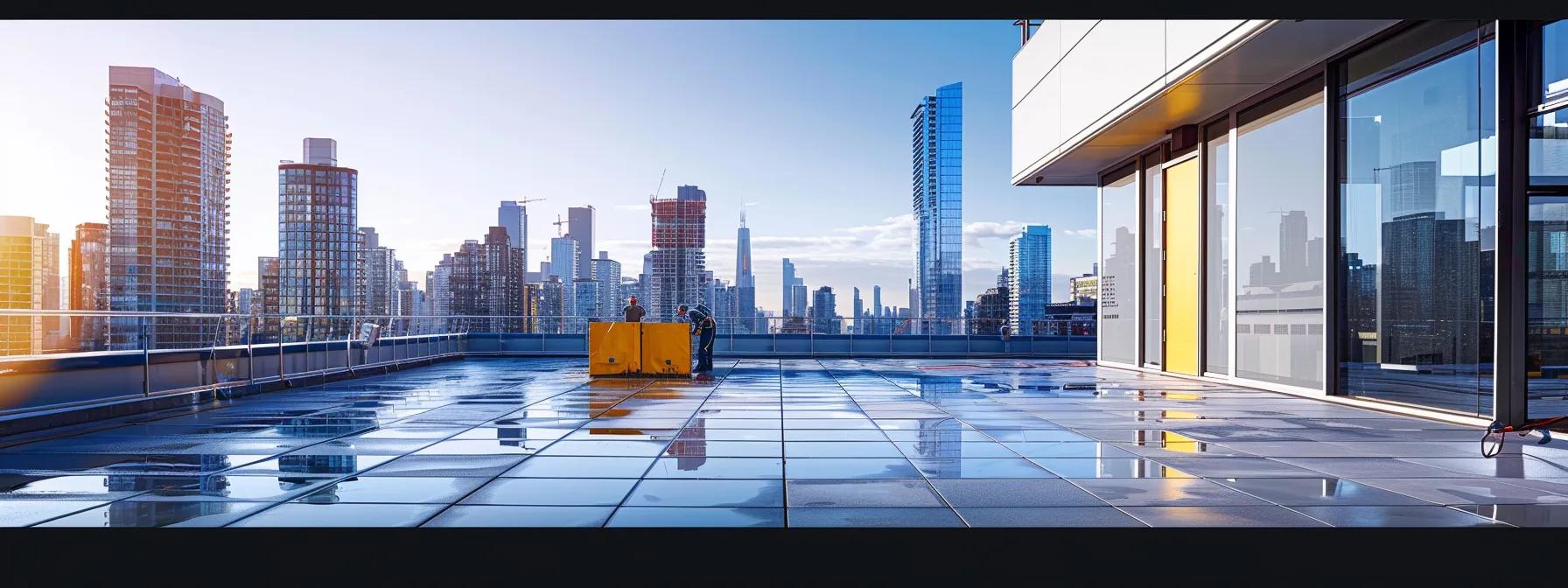
Eco-friendly practices not only boost roof efficiency but also contribute to overall sustainability. Sustainable methods in roof rejuvenation include using bio-based sealants, energy-efficient coatings, and waste-minimizing techniques that reduce the carbon footprint of the project.
Which Sustainable Sealants and Coatings Are Most Effective?
Sustainable sealants and coatings are produced with low-VOC materials that are both durable and gentle on the environment. Products based on silicone, acrylic, or polyurethane meet high environmental standards while effectively protecting against water, UV radiation, and pollutants. These eco-friendly compounds also help reduce energy use by reflecting solar heat.
How Does Roof Rejuvenation Reduce Environmental Waste?
By extending the lifespan of an existing roof, rejuvenation reduces the need for complete replacements, thereby lowering material waste and energy consumption associated with new installations. This leads to a smaller carbon footprint and better resource conservation, benefiting both homeowners and the environment.
What Are Common Questions About Roof Rejuvenation Effectiveness?
Addressing frequently asked questions helps homeowners make informed decisions regarding maintenance strategies for their roofs.
How Long Does Roof Rejuvenation Last?
Typically, roof rejuvenation treatments last between 5 to 10 years. Their durability depends on environmental exposure, roof material, and maintenance practices. Regular inspections and timely touch-ups help ensure lasting protection against moisture, UV rays, and temperature fluctuations.
Is Roof Rejuvenation Worth the Investment?
Many homeowners find roof rejuvenation a wise investment. It extends roof life by addressing minor issues early, thereby preventing costly repairs or a full replacement. The improved performance and reduced maintenance costs contribute to increased property value.
How Much Does Roof Rejuvenation Typically Cost?
Costs vary according to roof size, repair needs, and products used. Generally, the investment is only a fraction of the cost of a complete roof replacement. Detailed inspections help determine accurate pricing, and the overall savings are often recouped by the extended life of the roof and improved energy efficiency.
Can Roof Rejuvenation Prevent Future Leaks and Damage?
Yes, by repairing micro-cracks, sealing gaps, and reinforcing the roof’s structure, rejuvenation creates a continuous barrier against water infiltration. This proactive treatment significantly reduces the risk of leaks and further damage from extreme weather conditions.
Detailed Comparison Table: Roof Rejuvenation vs. Roof Replacement
Before addressing more FAQs, consider the following comparison:
This table summarizes how roof rejuvenation offers immediate savings and environmental benefits, while roof replacement involves a higher upfront cost and more waste generation.
Detailed List: Eco-Friendly Practices in Roof Rejuvenation
Below is a summary of sustainable practices used in roof rejuvenation:
- Use of Low-VOC Sealants – Environmentally Safe and Durable Low-VOC sealants reduce harmful emissions and provide excellent water resistance and UV protection, enhancing indoor air quality.
- Application of Reflective Coatings – Reducing Heat Absorption Reflective coatings lower heat transfer by bouncing solar radiation away, reducing energy consumption and thermal stress.
- Integration of Bio-Based Materials – Sustainable and Renewable Sealants and coatings derived from renewable resources reduce reliance on petrochemicals and support sustainability initiatives.
- Water Recycling During Cleaning – Conserving Resources Recycling water during cleaning minimizes waste and promotes more sustainable maintenance practices.
- Waste Minimization Techniques – Reducing Debris Focusing on roof repair rather than replacement significantly reduces debris and landfill waste.
Frequently Asked Questions
Q: What specific climates benefit most from roof rejuvenation? A: It is especially effective in regions with extreme temperature fluctuations, high UV exposure, and heavy rainfall or humidity, where roof deterioration is accelerated.
Q: How does roof rejuvenation improve energy efficiency? A: Reflective coatings and high-performance sealants help reduce heat absorption, thus lowering energy consumption and decreasing reliance on air conditioning.
Q: Can roof rejuvenation be applied to both residential and commercial roofs? A: Yes, the treatment is versatile and can be tailored for asphalt shingles, tile roofs, metal roofs, as well as commercial flat roofs and membrane systems.
Q: How long does the rejuvenation process take from start to finish? A: Typically, the process lasts between one to three days, depending on roof size and condition, with additional time for inspections if needed.
Q: What maintenance steps should be taken after roof rejuvenation? A: Regular inspections, periodic cleaning, and prompt repair of any minor issues will help sustain the performance of the protective coatings.
Q: Does roof rejuvenation affect the overall property value? A: Yes, a well-maintained, rejuvenated roof significantly enhances curb appeal and market value by signaling sound maintenance and improved energy efficiency.
Q: Are there warranties available for roof rejuvenation treatments? A: Many service providers offer warranties covering the performance of the applied sealants and coatings for a specified period.
Final Thoughts
Roof rejuvenation is a forward-thinking solution that enhances roof performance, extends lifespan, and improves property value while reducing environmental impact. It offers substantial cost savings compared to full roof replacement and employs advanced techniques to repair and protect aging roofs. By choosing rejuvenation, homeowners benefit from a renewed roof that withstands extreme weather, minimizes energy loss, and supports sustainable building practices, all while adding long-term value and peace of mind.