


Roof replacement is a critical home improvement that enhances a residence’s appearance, protects against severe weather and water damage, and preserves structural integrity. Understanding the roof replacement process—from determining the need, selecting materials, to navigating permits—can improve home safety, value, and resale potential. This guide explains how a professional roofer inspects a roof, the importance of robust materials (such as slate, asphalt shingles, and metal roof installation), and key safety precautions during installation. Homeowners can better prepare financially, comply with regulations, and select a reputable roofing contractor committed to quality materials that withstand extreme weather, improve energy efficiency, and provide lasting cost-effectiveness.
What Is the Roof Replacement Process and Why Is It Important?
The roof replacement process involves inspecting the current roof, removing old materials, and installing new ones to restore structural integrity and appearance. This process is essential because roofs shield homes from severe weather, water damage, and costly repairs. A new roof prevents leaks that compromise insulation or create electrical hazards. In addition, replacing the roof boosts curb appeal, improves energy efficiency, and safeguards against cascading structural issues common with aging materials.
What Are the Signs You Need a Roof Replacement?
Key indicators include missing or cracked shingles, granule loss on asphalt shingles, sagging areas, and deteriorated flashing around chimneys or dormers. Noticeable water stains on ceilings, mold growth, and unusual temperature shifts suggest poor insulation or waterproofing. Additionally, persistent external noise from strong winds and signs of aging—since most roofs last only 20 to 50 years—are strong signals that a replacement is warranted. Addressing these issues proactively prevents further water damage, expensive repairs, and potential insurance claims.
How Does Roof Replacement Improve Home Value and Safety?
A new roof substantially enhances home value and safety. Modern roofs incorporate advanced insulation and waterproofing technologies—like thermoplastic and silicone-based sealants—to protect against leaks and structural damage. They also offer lower energy costs by providing better thermal regulation. In resale markets, a quality roof instills buyer confidence, particularly when accompanied by warranties that cover material defects and workmanship. Upgrading roofing materials not only secures the home but also reduces risks of fire hazards and other problems associated with aging roofs.
How Does a Professional Roof Inspection Start the Replacement Process?
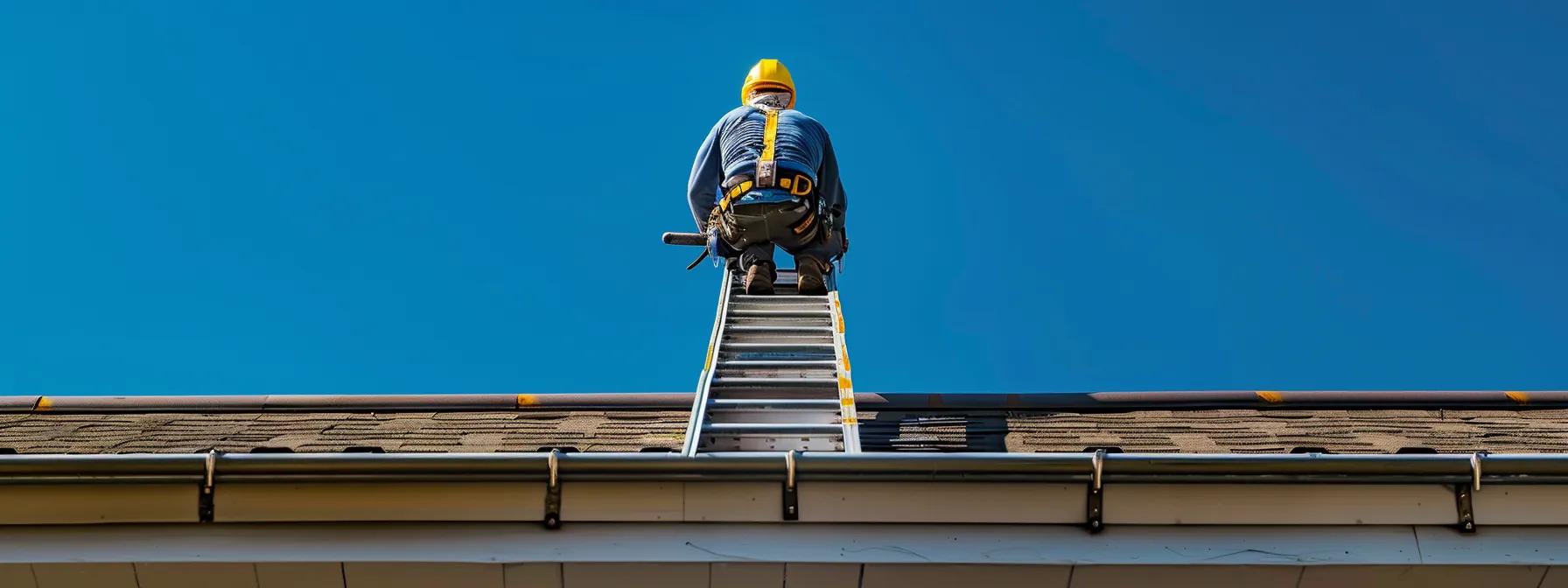
A professional roof inspection is the essential first step in replacement. It involves a thorough evaluation of the roof’s condition using visual assessments and specialized tools to detect moisture, damaged underlayment, or hidden issues. This inspection helps determine whether repairs will suffice or if a full replacement is necessary.
What Happens During a Roof Inspection?
During the inspection, experts assess all roofing components including shingles, underlayment, flashing, gutters, and vents. Techniques such as ladder assessments, drone photography, and infrared thermography help capture details even in hard-to-reach areas. Inspectors compare the roof against manufacturer guidelines and local codes, generating a detailed report outlining existing damage and recommended corrective measures. This document supports potential insurance claims and guides the scheduling of a replacement project.
How to Choose a Qualified Roofing Contractor for Inspection?
Select contractors with proven reputations, valid licenses, positive customer reviews, and sufficient insurance. A qualified contractor conducts a thorough, non-biased inspection and provides a clear written estimate. Checking referrals, reviewing recent work, and ensuring familiarity with local permit processes are crucial. Expertise in handling different roofing materials and safety protocols assures homeowners that issues like granule loss, wood rot, or flashing failures are accurately addressed.
What Roof Damage Types Are Commonly Identified?
Typical issues include cracked or missing shingles, membrane breaches, and damaged flashing near chimneys or skylights. Inspectors also find algae or moss growth, water infiltration causing wood rot, and sagging roof decks. In areas prone to extreme weather, additional damage from hail, wind, or snow is common. Recognizing these varied forms of deterioration helps determine if localized repairs or a complete roof replacement is the safest option.
How to Choose the Right Roofing Materials for Your Replacement?
Selecting the proper roofing materials is critical for durability, energy efficiency, and aesthetics. Homeowners must balance cost, appearance, and warranty options with the need for materials that perform well under local weather conditions.
What Are the Pros and Cons of Popular Roofing Materials?
Different materials offer unique benefits and challenges: – Asphalt Shingles: Affordable and versatile but have a shorter lifespan and lower wind resistance. – Metal Roofs: Extremely durable and energy efficient with low maintenance but require higher upfront investment and can be noisier during rain. – Slate Roofs: Offer a classic, elegant look with excellent durability but involve higher costs and skilled installation. – Tile Roofs: Provide aesthetic appeal and heat resistance yet require strong structural support due to their weight. – Wood Shingles: Give a natural appearance and are eco-friendly but need regular upkeep and carry a fire hazard risk.
Below is a summary table:
How Does Climate Affect Roofing Material Choice?
Local climate determines the best material. In hot, sunny areas, metal roofs that reflect solar heat reduce cooling costs. Regions with high rainfall or snowfall benefit from materials offering superior waterproofing, such as slate or premium asphalt shingles. Coastal areas exposed to saltwater need corrosion-resistant options. In each case, the choice affects installation techniques and maintenance routines, ensuring the roof remains secure against extreme weather and fluctuating temperatures.
What Is the Cost Difference Between Roofing Materials?
Cost differences can be significant. Asphalt shingles are generally the most cost-effective, while slate and metal roofs come at higher costs due to durability and installation complexity. For example, asphalt might run $3–$5 per square foot, whereas metal can cost $7–$12 per square foot. Although higher initial costs exist for premium materials, long-term energy savings, extended warranties, and reduced maintenance requirements can justify the investment.
How to Evaluate Material Durability and Warranty Options?
Homeowners should review both manufacturer specifications and independent test results regarding impacts, wind uplift, and temperature resistance. A comprehensive warranty, sometimes covering 20–100 years, protects against defects and workmanship issues. It is crucial to understand each warranty’s exclusions—such as damage from severe weather or neglect—and to verify contractor recommendations and testimonials to ensure material durability meets expectations.
What Are the Key Steps in the Roof Removal and Installation Process?
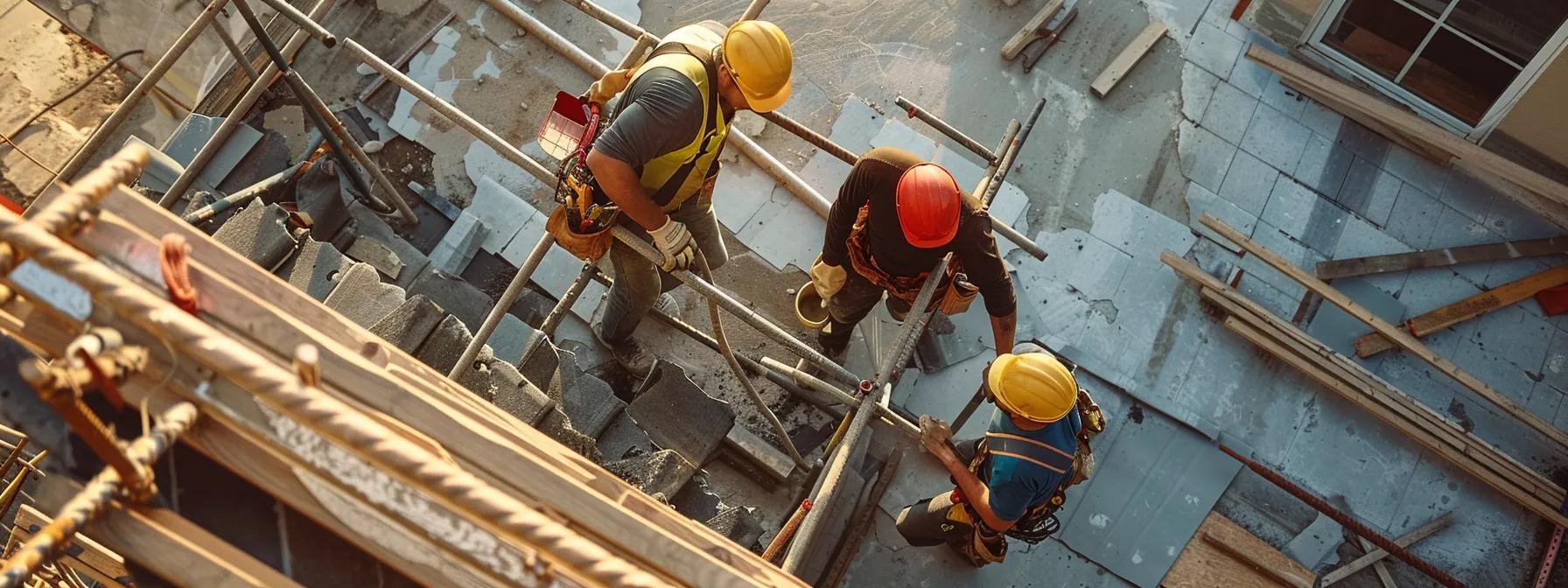
The removal and installation of a roof is a structured process that must be executed safely and efficiently. It involves the careful demolition and disposal of old materials, preparation of the roof deck, and methodical installation of the new roofing system.
How Is the Old Roof Safely Removed and Disposed?
Professional teams begin by safely removing old shingles, underlayment, and other debris using specialized tools like nail guns and circular saws. They secure the structure with safety harnesses and appropriate ladders, ensure proper scaffolding is in place, and recycle or dispose of the old materials in accordance with local regulations. This controlled demolition preserves the home’s structural integrity while minimizing environmental impact.
What Preparation Is Needed Before Installing the New Roof?
Prior to installation, the roof deck is inspected and any damaged areas are repaired. Cleaned surfaces, applied moisture barriers, and upgraded ventilation systems secure proper adhesion of new materials and prevent future issues such as leaks or insulation failures. Temporary protective measures for surrounding landscaping and fixtures are also set up as a precaution.
What Is the Step-by-Step Roof Installation Process?
The installation process includes: 1. Underlayment Application: Laying a starter strip and underlayment as a moisture barrier. 2. Shingle or Panel Installation: Installing roofing material in sequential, overlapping rows to ensure continuous protection. 3. Flashing and Sealing: Placing flashing around penetrations (chimneys, vents, dormers) and applying sealants to secure joints. 4. Finishing Touches: Installing ridge caps and sealing edges for a streamlined, durable finish.
This standardized procedure ensures the new roof is both waterproof and resilient.
How Does Ventilation Impact Roof Installation?
Proper ventilation is essential to regulate temperature and moisture levels under the roof. Effective airflow, achieved by installing ridge and soffit vents, prevents heat buildup, reduces energy costs, and decreases the risk of mold growth and wood rot. Adequate ventilation contributes significantly to the overall longevity and efficiency of the roof.
What Permits and Regulations Affect Roof Replacement?
Securing permits and complying with local regulations is a vital part of the roof replacement process. Permits ensure all work meets local building codes and safety standards, protecting both homeowners and neighboring properties while supporting future insurance claims.
How to Obtain Necessary Permits for Roof Replacement?
Homeowners typically must submit detailed plans—including material specifications, design outlines, and proof of contractor licensing and insurance—to their local building department. In some areas, additional documentation may be required for projects exceeding certain cost thresholds. A reputable contractor can streamline this process and schedule municipal inspections to confirm compliance.
What Local Regulations Should Homeowners Know?
Local regulations may dictate the types of acceptable roofing materials, color schemes, and roof overhang dimensions. Zoning laws, building codes, and even historic preservation guidelines might apply. Familiarity with these rules helps prevent delays, fines, and ensures that the roof replacement enhances overall property value.
How Does Apex Roofing Solutions Handle Permitting?
Companies like Apex Roofing Solutions simplify permitting by preparing necessary documents, coordinating with local inspectors, and leveraging established relationships with regulatory authorities. Their detailed estimates include permit fees, ensuring homeowners have full transparency throughout the process.
What Post-Replacement Care and Warranty Should Homeowners Expect?
After a new roof is installed, proper post-replacement care maximizes its performance and lifespan. A comprehensive warranty protects against defects in materials and workmanship, while routine maintenance ensures the roof remains in excellent condition.
What Does a Typical Roofing Warranty Cover?
A typical warranty covers material defects and workmanship errors, sometimes even labor costs, for a prescribed period ranging from 20 to over 50 years. Homeowners should review warranty terms carefully to understand inclusions and exclusions, particularly regarding damage from severe weather or lack of proper maintenance.
How to Maintain Your New Roof for Longevity?
Regular inspections, routine cleaning of gutters and roof surfaces, and timely repairs are crucial for maintaining a new roof. Addressing minor issues like loose shingles or inadequate flashing early prevents more extensive damage and helps keep warranties intact. Annual or biannual professional checkups are also recommended.
How to Detect and Repair Roof Leaks After Replacement?
Homeowners should periodically inspect both the interior and exterior of the roof—looking for water stains, damp insulation, or mold—and immediately contact a roofing contractor if leaks are suspected. Prompt repairs, whether resealing joints, reapplying waterproof membranes, or replacing damaged shingles, help avoid extensive water damage and maintain the roof’s integrity.
How to File a Roofing Insurance Claim for Replacement?
If damage occurs, it is essential to document the condition with photographs and detailed inspection reports. Homeowners should notify their insurer immediately and work with a reputable contractor to compile repair estimates. Clear and organized documentation supports a fair and swift insurance settlement.
How Much Does a Roof Replacement Cost and What Factors Influence It?
The overall cost of roof replacement is determined by factors including roofing material, roof size and pitch, labor rates, and additional necessities such as underlayment, ventilation, and permits. Although initial costs may appear high, quality materials and expert installation reduce long-term repair expenses and energy inefficiencies.
What Is the Average Cost Range for Roof Replacement?
For a mid-sized home with standard asphalt shingles, roof replacement typically ranges from $5,000 to $15,000. Homes requiring premium materials like metal or slate may cost over $20,000. These variations depend on roof complexity, local labor rates, and required permit fees.
How Do Material and Roof Size Affect Pricing?
Cost is closely linked to material choice and roof size. Larger roofs and those with steep pitches or complex configurations require more materials and labor, driving up the price per square foot. Premium materials often incur additional specialist installation fees.
What Are Additional Costs to Consider?
Beyond materials and labor, additional costs may include permit fees, disposal charges for old roofing, ventilation upgrades, and any unexpected repairs to the roof deck. An itemized quote helps homeowners plan for these expenses.
How to Get a Transparent and Detailed Roof Replacement Estimate?
Homeowners should request itemized bids from several licensed contractors. A detailed quote outlines all material, labor, permit, and disposal costs, providing a clear basis for comparison and ensuring there are no surprises during the project.
How Does Local Climate and Location Influence Roof Replacement Choices?
Regional climate and geographical location significantly impact roofing decisions. Varying temperatures, humidity, rainfall, and wind require specific material choices and installation techniques tailored to local conditions.
What Are the Best Roofing Materials for [City, State]?
Optimal roofing materials depend on regional weather challenges. Coastal areas with salt exposure may benefit from corrosion-resistant metal roofs, while hot climates favor energy-efficient, reflective materials. In colder regions with heavy snowfall, durable options like slate or high-grade asphalt shingles work best.
How Do Weather Conditions Affect Roof Replacement Timing?
Scheduling a roof replacement during dry, temperate seasons is essential for proper adhesive curing and installation quality. Contractors plan projects around seasonal weather to avoid delays and ensure effective installation.
How to Find Trusted Local Roofing Contractors?
Local recommendations, online reviews, and referrals from building departments can help identify reliable contractors. Verifying credentials such as licensing, insurance, and references from previous customers ensures that the contractor is experienced in handling local climate challenges and zoning requirements.
What Post-Replacement Care and Warranty Should Homeowners Expect?
After installation, homeowners must maintain their roof through routine inspections and cleaning to extend its lifespan. A comprehensive warranty provides added peace of mind, covering material and workmanship issues under defined conditions.
What Does a Typical Roofing Warranty Cover?
Most roofing warranties protect against manufacturing defects and installation errors for a set period, often between 20 to 50 years. Homeowners should thoroughly review the warranty, noting any exclusions related to weather damage or improper maintenance.
How to Maintain Your New Roof for Longevity?
Consistent maintenance—including periodic inspections, gutter cleaning, and timely minor repairs—safeguards the roof’s performance. Following manufacturer guidelines and scheduling annual professional checkups are key practices.
How to Detect and Repair Roof Leaks After Replacement?
Regular visual checks for leaks, water stains, or mold growth allow homeowners to act quickly in contacting a roofing contractor. Early repairs, such as resealing joints or replacing damaged shingles, prevent further deterioration.
How to File a Roofing Insurance Claim for Replacement?
Homeowners should document damages with photos, professional inspection reports, and detailed repair estimates. Promptly notifying the insurer and maintaining organized records facilitates a smoother claim process and fair settlement.
Frequently Asked Questions
Q: How long does the entire roof replacement process typically take? A: Generally, the process requires one to two weeks, including inspections, removal of old materials, installation of the new roof, and final municipal inspections.
Q: Can I replace my roof without obtaining permits? A: No. Permits are mandatory to meet building codes, ensure safety, and protect against legal and financial issues.
Q: How often should a roof be replaced? A: Roofs are typically replaced every 20 to 30 years, depending on the material used, maintenance practices, and local weather conditions.
Q: What are the main signs that my roof needs replacement instead of repair? A: Look for extensive shingle damage, persistent leaks, significant granule loss, sagging roof decks, and overall deterioration. Continuous repairs indicate that replacement is more effective.
Q: How do roofing warranties work and what should I look for? A: Warranties cover material defects and workmanship for a set period. Choose warranties that include free repairs or labor provisions, and review the fine print for any exclusions.
Q: How can I ensure that my new roof will be resistant to severe weather conditions? A: Choose materials engineered for high wind and precipitation resistance, ensure professional installation with proper ventilation, and verify compliance with local building codes.
Q: What maintenance steps can extend the life of my new roof? A: Regular cleaning, gutter maintenance, prompt repairs of minor issues, and annual professional inspections are vital to prolonging roof life.
Final Thoughts
Roof replacement is a wise investment that shields your home from severe weather while enhancing safety, curb appeal, and energy efficiency. By following a structured process—from a thorough professional inspection and choosing suitable materials to obtaining permits and ensuring proper installation—homeowners can achieve a durable, long-lasting roof. With effective post-replacement care and a comprehensive warranty, you can safeguard your investment and enjoy peace of mind for decades to come.