

Are Roof Inspection Services Worth the Cost? A Homeowner’s Guide to Professional Roof Inspection Services Near Me
Investing in professional roof inspection services near me can unlock hidden savings, extend your roof’s lifespan, and ensure home safety with documented evidence. This guide defines the cost-to-value relationship of a roof inspection, explains what a thorough assessment covers, breaks down pricing factors, shows optimal scheduling, and reveals how to select a certified local inspector. Homeowners will discover benefits ranging from peace of mind to insurance claim support, while practical examples and clear tables make actionable decisions simple.
What Are the Key Benefits of Professional Roof Inspection Services?
A professional roof inspection identifies damage early, prevents leaks, and boosts property value by maintaining structural integrity. By detecting minor issues before they escalate, inspections save on repairs and reinforce homeowner confidence in their most valuable asset.
Benefits of Roof Inspections
Regular roof inspections can identify damage early, preventing leaks and extending the lifespan of your roof. Early detection of issues like cracked shingles or loose flashing can prevent major water damage, saving homeowners significant repair costs in the long run.
This supports the article’s claims about the financial benefits of regular roof inspections.
How Do Roof Inspections Provide Peace of Mind for Homeowners?
A detailed assessment examines shingles, flashing, and underlayment to confirm roof health and safety. This proactive verification assures homeowners that hidden issues are addressed before water intrusion or structural failure can occur, reducing worry and supporting long-term maintenance planning.
Regular condition reports create a documented history of care that homeowners can present to insurers or future buyers, reinforcing confidence in property upkeep and protecting against unexpected emergencies.
In What Ways Can Roof Inspections Save Money by Preventing Costly Repairs?
Early detection of cracked shingles or loose flashing stops small defects from causing major water damage. Addressing a minor leak at the underlayment level typically costs a few hundred dollars, whereas emergency reroofing after structural rot can run into the thousands.
- Inspecting underlayment prevents attic mold growth.
- Tightening flashing around chimneys avoids costly water intrusion.
- Cleaning gutters mitigates ice dam formation.
By catching issues early, a roof inspection becomes an investment that prevents disproportionately large repair bills.
How Do Regular Inspections Extend the Lifespan of Your Roof?
Routine inspections clear debris, assess sealant integrity, and spot UV-related wear before it accelerates aging. Consistent maintenance preserves material performance and delays the need for complete replacement by reinforcing vulnerable areas.
An inspection cycle every 12 months ensures protective coatings remain intact and stress points—like vents and valleys—receive timely attention, adding up to several extra years of service life.
How Can Roof Inspections Help Simplify Insurance Claims?
A certified inspection report documents pre-existing conditions and current damage, which accelerates insurance claim approval after severe weather events. Clear photographic evidence and professional annotations align with policy requirements and reduce disputes over covered repairs.
This structured documentation process demonstrates cause-and-effect relationships—such as hail impact or wind uplift—supporting policyholders in recovering repair costs more efficiently.
What Impact Do Roof Inspections Have on Property Value and Home Safety?
A well-maintained roof enhances curb appeal and reassures appraisers and buyers that long-term maintenance is prioritized. Structural inspections also uncover safety hazards such as loose shingles or compromised decking that could lead to falls or interior damage.
Protecting both the home’s exterior envelope and occupant well-being, inspections contribute to higher resale values and safer living environments.
What Does a Comprehensive Roof Inspection Include?
A comprehensive roof inspection combines exterior and interior evaluation, photographic documentation, and a detailed report that outlines findings and recommended actions. This holistic approach ensures no component is overlooked and every risk factor is clearly identified.
Importance of Professional Inspection
A professional roof inspection involves a comprehensive evaluation of both the exterior and interior components of a roof. This includes assessing shingles, flashing, gutters, chimneys, and skylights for wear and tear, as well as checking the attic for signs of water infiltration and proper ventilation.
This citation reinforces the article’s description of what a comprehensive roof inspection entails.
Which Exterior Roof Components Are Examined During an Inspection?
Inspectors assess shingles, flashing, gutters, chimneys, and skylights for wear, corrosion, and seal integrity. Visual and tactile checks confirm material adhesion and proper water shedding.
Exterior component assessment sets the stage for interior verification of moisture and structural stability.
What Interior Areas Are Checked in a Roof Inspection?
Inspectors enter the attic to evaluate insulation, ventilation, decking, and evidence of water infiltration. Thermal and moisture checks reveal hidden leaks before they manifest as visible damage.
By confirming that attic conditions align with exterior findings, inspectors create a complete picture of roof performance and potential stress points.
How Do Inspectors Identify Common Roof Damage Types?
Damage detection relies on visual cues—such as mold growth, staining, or warp—combined with infrared scanning to locate concealed moisture. Inspectors classify issues into leaks, rot, missing or damaged shingles, and underlayment failures.
This triage ensures precise repair recommendations tailored to each defect’s severity and mechanism, guiding cost-effective maintenance strategies.
What Technologies Are Used in Modern Roof Inspections?
Drone aerial surveys capture high-resolution images of steep or multi-story roofs, while infrared thermography detects moisture intrusion and insulation gaps. Combined with moisture meters and binocular inspections, these tools reveal damage invisible to the naked eye.
Integrating advanced technology elevates accuracy, enhances safety for inspectors, and produces richer documentation.
How Is the Roof Inspection Report Structured and Delivered?
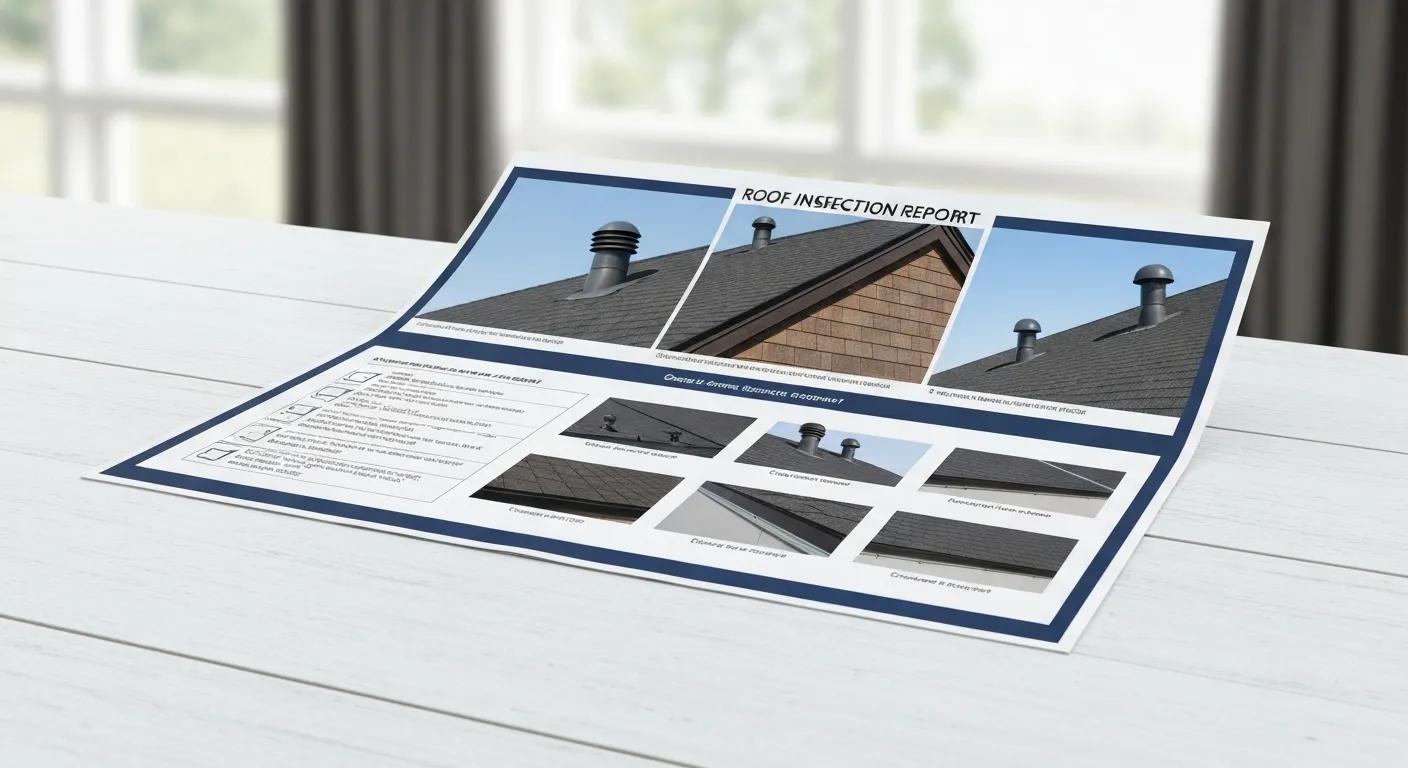
- Executive Summary – High-level condition overview.
- Component Analysis – Detailed notes on each element.
- Photo Evidence – Tagged images highlighting issues.
- Repair Recommendations – Priority rankings and estimated costs.
- Maintenance Plan – Suggested next inspection date and care steps.
This structured delivery empowers homeowners with actionable data and a roadmap for preserving roof health.
How Much Do Roof Inspection Services Cost and What Factors Influence Pricing?
What Is the Average Cost Range for Roof Inspections Near Me?
Local inspections often fall between $150 and $350 for standard single-story homes. Multi-level or steep-sloped roofs may incur higher rates due to increased safety equipment and time requirements.
Average cost benchmarks:
- Single-story asphalt shingle: $150–$250
- Two-story home with gutters: $250–$400
- Complex rooflines or premium materials: $400–$999
How Do Roof Size, Pitch, and Material Affect Inspection Costs?
Inspection fees adjust based on:
- Roof area: Larger square footage increases duration.
- Pitch steepness: Steeper slopes require additional safety measures.
- Material type: Metal and tile inspections involve delicate handling.
These factors directly influence labor intensity and time on site, shaping the final price.
What Are the Price Differences Between Physical, Drone, and Infrared Inspections?
Is Roof Inspection an Investment That Prevents Larger Expenses?
Yes. Early identification of underlayment leaks or flashing failures can save thousands by avoiding structural rot or interior water damage. An inspection costing a few hundred dollars typically yields a return on investment through avoided emergency repairs and extended roof lifespan.
Framing inspections as preventive spending shifts them from optional to essential maintenance.
Are There Additional Costs for Certified or Specialized Inspections?
Specialized inspections—such as certification for real estate transactions or detailed warranty compliance—may include premium fees of $100–$300. Certification services validate roof condition against manufacturer or policy requirements, providing added assurance for buyers, sellers, and insurers.
These expert endorsements often accelerate real estate deals and streamline warranty claims.
When Should Homeowners Schedule Roof Inspections for Optimal Protection?
How Often Should Roof Inspections Be Conducted?
Annual inspections maintain ongoing health, with spring and fall checks addressing freeze-thaw cycles and storm aftermath. A 12-month cycle balances cost with prevention of seasonal deterioration.
Reliable maintenance intervals ensure that protective coatings, sealants, and flashing are monitored before harsher conditions set in.
When Is a Post-Storm Roof Inspection Necessary?
Inspecting after hail, high winds, or heavy snowfall confirms whether storm events have compromised shingles or underlayment. Post-storm assessments prevent small breaches from evolving into major leaks during subsequent rain.
Prompt storm evaluations document damage for insurance claims and initiate timely repairs.
Why Are Pre-Purchase and Pre-Sale Roof Inspections Important?
Buyers gain negotiation leverage by identifying hidden defects, while sellers showcase transparency and roof integrity. Certified reports expedite closing and minimize post-sale disputes.
Early condition disclosure fosters trust and safeguards transaction value for both parties.
What Signs Indicate an Immediate Need for a Roof Inspection?
Visible indicators such as curling shingles, granule loss, ceiling stains, or missing flashing signal urgent evaluation needs. Ignoring these red flags risks accelerated water damage and structural decay.
Recognizing warning signs empowers homeowners to request inspections before minor wear escalates.
How Do Insurance Requirements Influence Roof Inspection Timing?
Some insurance policies mandate periodic inspections to maintain coverage or eligibility for premium discounts. Complying with policy triggers—like five-year inspection intervals—avoids lapses and supports claim approval.
Understanding policy terms ensures that inspection timing aligns with coverage conditions.
How Do You Choose the Right Roof Inspector Near Me?
What Qualifications and Certifications Should a Professional Roof Inspector Have?
Inspectors should hold certifications from recognized bodies such as NRCIA and maintain state licensing for home services. These credentials demonstrate mastery of inspection standards and ethical reporting practices.
Verified qualifications signal trust and reinforce report acceptance by insurers and real estate professionals.
Why Is Local Knowledge Important When Selecting a Roof Inspector?
Familiarity with regional weather patterns and common material performance issues enables inspectors to anticipate stress points unique to local climate. Local expertise improves diagnostic accuracy and informs climate-adapted maintenance advice.
Choosing a neighborhood specialist yields context-specific insights and faster response times.
How Can You Verify an Inspector’s Experience and Reputation?
Check reviews on reputable platforms, request references from past clients, and review case studies showcasing cost savings or damage prevention. Transparent portfolios highlight real-world outcomes and inspector reliability.
Reputation verification reduces risk of incomplete assessments or inflated recommendations.
What Should You Expect in a Detailed Roof Inspection Report?
A comprehensive report contains high-resolution images, clear component annotations, condition ratings, prioritized recommendations, and cost estimates. This depth ensures homeowners understand both current status and future maintenance needs.
Detailed documentation supports informed decision-making and simplifies contractor selection for repairs.
How Does Evernew Roofing Stand Out as a Trusted Roof Inspection Provider?
Evernew Roofing employs certified inspectors with local service area expertise and advanced drone and infrared tools. Their structured reports and transparent pricing build homeowner trust, while case studies demonstrate consistent cost savings and roof longevity improvements.
Project portfolios and 5-star testimonials underscore Evernew Roofing’s commitment to thorough, reliable inspections that protect property value.
Frequently Asked Questions
What Should Homeowners Look for When Choosing a Roof Inspector?
When selecting a roof inspector, homeowners should prioritize qualifications, experience, and local knowledge. Look for certifications from recognized organizations, such as the National Roof Certification and Inspection Association (NRCIA). Additionally, consider the inspector’s familiarity with local weather conditions and common roofing issues in your area. Reading reviews and asking for references can also provide insight into their reliability and thoroughness. A well-rounded inspector will not only assess the roof but also offer tailored maintenance advice based on regional factors.
How Can Homeowners Prepare for a Roof Inspection?
To prepare for a roof inspection, homeowners should clear any debris from the roof and gutters, ensuring easy access for the inspector. Inside the home, check the attic for signs of leaks or moisture, as these areas will be evaluated. Additionally, gather any previous inspection reports or maintenance records to provide the inspector with a comprehensive view of the roof’s history. Being proactive in preparation can help the inspector conduct a more thorough assessment and provide more accurate recommendations.
What Are the Common Misconceptions About Roof Inspections?
One common misconception is that roof inspections are only necessary when visible damage is apparent. In reality, many issues are hidden and can escalate if not identified early. Another myth is that all inspectors provide the same level of service; however, qualifications and experience can vary significantly. Additionally, some homeowners believe that inspections are too costly, but the potential savings from early detection of issues often outweigh the inspection costs. Understanding these misconceptions can help homeowners make informed decisions about roof maintenance.
What Happens If Issues Are Found During a Roof Inspection?
If issues are identified during a roof inspection, the inspector will provide a detailed report outlining the findings and recommended actions. This may include immediate repairs, ongoing maintenance, or further evaluations by specialists. Homeowners should prioritize addressing significant issues, as neglecting them can lead to more extensive damage and higher repair costs. The inspector may also suggest a maintenance plan to prevent future problems, ensuring the roof remains in good condition and prolonging its lifespan.
Can Roof Inspections Be Done in Bad Weather?
While roof inspections can technically be conducted in bad weather, it is generally not advisable. Rain, snow, or high winds can obscure visibility and create unsafe conditions for inspectors. If severe weather is forecasted, it’s best to reschedule the inspection to ensure a thorough and safe evaluation. Inspectors may also use technology, such as drones, to assess roofs in adverse conditions, but a comprehensive physical inspection is often more effective when weather conditions are favorable.
How Do Roof Inspections Differ for Various Roof Types?
Roof inspections vary based on the type of roofing material and design. For instance, flat roofs require different assessment techniques compared to pitched roofs, as they may have unique drainage and waterproofing challenges. Materials like metal, tile, or asphalt shingles each have specific wear patterns and vulnerabilities that inspectors must recognize. Additionally, complex roof designs with multiple angles or features may necessitate more time and detailed evaluation. Understanding these differences helps ensure that the inspection is tailored to the specific needs of the roof type.
How Much Does a Roof Inspection Cost Near Me?
A standard roof inspection typically costs between $150 and $350 for single-story homes. Premium services—such as drone imaging or infrared scanning—add $75–$250, depending on property size and complexity.
What Is Included in a Professional Roof Inspection?
A full inspection covers exterior components (shingles, flashing, gutters, penetrations) and interior areas (attic decking, insulation, moisture signs). Inspectors document findings with photos and provide prioritized repair recommendations in a structured report.
How Often Should I Get My Roof Inspected?
Inspections should occur at least once a year, ideally during spring or fall. Additional checks are advisable after severe weather, before real estate transactions, or when visible damage appears.
Are Roof Inspection Services Worth the Cost?
Yes. Spending $150–$350 on an inspection prevents repair costs that can exceed $2,000 by catching issues early, extends roof service life, and provides documentation for insurance and resale purposes.
Can Roof Inspections Help with Insurance Claims and Warranties?
Documented inspection reports satisfy insurance documentation requirements and verify conditions for warranty coverage. Clear evidence of pre-existing issues and post-storm damage expedites claims and protects warranty compliance.
How Can Roof Inspection Services Near Me Protect Your Home Investment?
How Do Early Inspections Prevent Major Roof Damage and Expenses?
Detecting missing sealant or cracked underlayment early stops water infiltration and rot that lead to deck replacement and interior repairs. Timely minor repairs typically cost hundreds, while major restorations can exceed thousands.
In What Ways Do Inspections Enhance Home Safety and Comfort?
By ensuring proper ventilation and identifying leaks, inspections prevent mold growth, maintain indoor air quality, and regulate attic temperature. A structurally sound roof also reduces the risk of sudden material failures during storms.
How Does a Well-Maintained Roof Support Long-Term Property Value?
A documented history of regular inspections reassures appraisers and buyers of consistent maintenance, often translating into higher offers and quicker sales. Structural integrity and aesthetic appeal combine to preserve market value.
Why Is Choosing a Local, Certified Roof Inspector Critical for Best Results?
Local, certified inspectors understand regional climate impacts and material performance, enabling precise diagnostics and tailored maintenance plans. Their credentials guarantee adherence to industry standards and trusted reporting for insurance and resale.
Each specialized evaluation strengthens roof resilience and homeowner confidence, completing the cycle of proactive care and value preservation.
Evernew Roofing’s certified team stands ready to deliver thorough inspections that protect your investment and save on future repairs—schedule a professional assessment today by requesting an instant quote.
Conclusion
Investing in professional roof inspection services not only reveals hidden issues but also significantly enhances your home’s safety and value. By prioritizing regular assessments, homeowners can prevent costly repairs and ensure long-term structural integrity. Take the proactive step of scheduling your roof inspection today to protect your investment. Contact Evernew Roofing for a comprehensive evaluation and experience peace of mind with our expert services.