


How Roof Inspection Services Protect Your Home: Benefits, Process, and Expert Guidance
A single undetected shingle crack can lead to leaks, mold growth, and costly structural damage if left unaddressed. Homeowners searching for roof inspection services near me gain peace of mind through early problem detection and preventative maintenance. This guide explains why professional roof inspections are essential for home protection, details what a comprehensive inspection includes, outlines optimal scheduling, explores cost factors, advises on choosing a certified inspector, examines weather-related safeguards, and defines the next steps after inspection. By understanding each aspect, readers can preserve roof health, extend roof lifespan, and simplify insurance claims while leveraging Evernew Roofing’s expertise.
Why Are Roof Inspection Services Essential for Protecting Your Home?
A roof inspection is a systematic evaluation of roofing components, designed to identify damage, wear, and potential failure points. Early detection prevents water infiltration, preserves structural integrity, and supports informed maintenance decisions.
What Are the Key Benefits of Regular Roof Inspections?

A professional roof inspection delivers proactive insight into roof condition, enhancing longevity and home value.
- Consistent Leak Prevention. Regular evaluation uncovers loose or missing shingles before moisture intrusion leads to rot.
- Cost Savings. Identifying minor defects early avoids expensive emergency repairs or full replacements.
- Extended Roof Lifespan. Routine maintenance checks slow deterioration and protect warranty coverage.
- Safety Assurance. Detecting structural sag, rot, or compromised flashing prevents collapse risks.
- Insurance Compliance. Documented inspection reports support claims and may qualify homeowners for premium discounts.
These five benefits strengthen roof performance, guiding homeowners toward preventative maintenance strategies.
How Do Roof Inspections Prevent Costly Repairs?
Roof inspections identify small defects such as cracked flashing or deteriorating underlayment before they escalate. By examining each element, this service reduces the probability of water damage that can require extensive decking replacement or interior drywall repairs. Early intervention on minor issues thus leads directly to significant cost avoidance and fewer unplanned expenses.
In What Ways Do Inspections Extend Roof Lifespan and Preserve Property Value?
A thorough inspection evaluates shingle condition, ventilation performance, and roof-to-structure connections, ensuring every component functions optimally. This maintenance approach slows material aging, delays full roof replacement by years, and maintains resale value by demonstrating documented care to prospective buyers.
How Do Roof Inspections Ensure Home Safety and Structural Integrity?
Inspectors assess roof framing, decking, and attachment points to uncover hidden rot or weakened trusses. This structural integrity check prevents collapse risks during heavy snow, wind events, or water pooling, safeguarding occupants and interior finishes from harm.
How Can Roof Inspections Simplify Home Insurance Claims?
A detailed roof inspection report serves as documented evidence of pre-existing conditions and maintenance history. When roof damage occurs due to storms or age, homeowners can present these reports to insurers, accelerating claim approvals and reducing disputes over coverage eligibility.
What Does a Professional Roof Inspection Include?
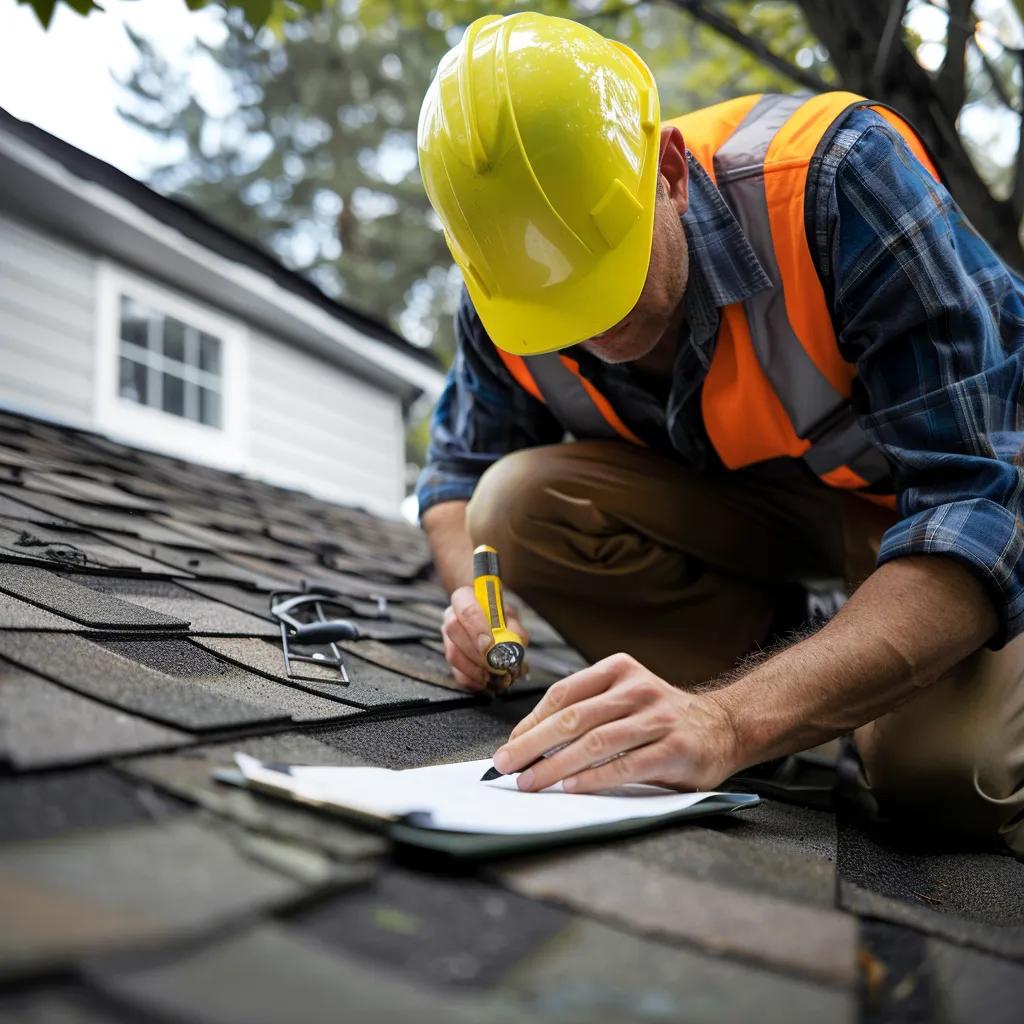
A professional roof inspection includes a systematic exterior and interior evaluation, structural assessment, and workmanship review. This comprehensive approach ensures all aspects of roof health are examined in context.
Which Exterior Roof Components Are Inspected?
Inspectors examine shingles, flashing, gutters, vents, and chimney seals for signs of wear and damage.
Each component check uncovers potential failure points, leading inspectors to recommend targeted maintenance or repair.
What Interior Areas Are Checked During an Inspection?
An attic inspection identifies roof-to-attic leaks, insulation gaps, and ventilation blockages. Inspectors look for water stains on rafters, mold growth on insulation, and proper ridge vent performance to verify that interior conditions match exterior findings and prevent hidden moisture issues.
How Is Structural Integrity Assessed in a Roof Inspection?
Structural integrity assessment measures joist alignment, deck uniformity, and load-bearing support. Inspectors use moisture meters and elevation tools to detect sagging sections and verify that rafters remain straight under live and dead loads, ensuring that the roofing structure can withstand environmental stresses.
Why Is Workmanship and Installation Quality Part of the Inspection?
Evaluating installation quality confirms that flashing, underlayment, and fasteners meet manufacturer and code specifications. Proper workmanship prevents warranty voids and uncovers installation defects—such as under-driven nails or uneven shingle rows—that accelerate roof deterioration if left uncorrected.
When and How Often Should You Schedule Roof Inspection Services?
Scheduling roof inspections at the right intervals balances cost-effective maintenance with timely damage detection. Annual checks plus event-driven inspections offer comprehensive coverage.
What Are the Recommended Annual and Bi-Annual Inspection Schedules?
Most roofing professionals recommend scheduling a full inspection in spring and another in fall. Spring inspections uncover winter-related damage like ice dam scarring, while fall reviews prepare the roof for winter snow loads and heavy rains.
Why Are Post-Storm Roof Inspections Important?
Severe weather events such as hailstorms, high winds, and falling debris often cause invisible damage to shingles, vent caps, and flashing. A post-storm inspection identifies compromised areas before minor failures become major leaks, reducing claim disputes and preventing interior damage.
When Should You Get a Pre-Purchase or Pre-Sale Roof Inspection?
A pre-purchase evaluation provides buyers with an accurate roof condition report, influencing negotiation and insurance requirements. A pre-sale inspection documents roof health for prospective buyers, supports listing disclosures, and can expedite sale closing by reducing buyer concerns.
What Are the Warning Signs That Indicate Immediate Roof Inspection Is Needed?
Homeowners should request an immediate inspection if they observe missing shingles, water stains on ceilings, sagging rooflines, rust streaks on gutters, or granule accumulation in downspouts. These indicators signal active deterioration that requires prompt professional assessment.
How Much Do Roof Inspection Services Cost and What Factors Affect Pricing?
Roof inspection pricing varies with property size, inspection depth, and selected technology. Understanding cost drivers ensures homeowners receive fair, transparent estimates.
What Are the Typical Price Ranges for Roof Inspections Near Me?
Below is an overview of average local cost ranges based on roof complexity and inspection method:
How Do Different Types of Inspections Affect Cost?
Different inspection technologies deliver specific insights at varying price points:
What Are the Differences Between Free and Paid Roof Inspections?
Free inspections often provide a basic visual survey and high-level report to secure leads. Paid inspections deliver certified reports, detailed photographs, moisture readings, and prioritized repair estimates. Investing in a paid service supports insurance claims and ensures in-depth analysis.
How to Choose a Certified Roof Inspector for Reliable Roof Inspection Services?
Selecting a certified professional guarantees that inspectors follow industry standards and building codes, resulting in trustworthy assessments.
Why Is Professional Certification Important for Roof Inspectors?
Certification from recognized bodies confirms specialized training in safety protocols, inspection techniques, and code compliance. Certified inspectors use calibrated tools and standardized procedures, ensuring consistent, reliable results accepted by insurers and lenders.
This citation reinforces the article’s advice on choosing a certified inspector for dependable and code-compliant assessments.
What Questions Should Homeowners Ask Roofing Contractors Before Hiring?
Before scheduling, homeowners should ask contractors:
- “Which certifications and insurance policies do you hold?”
- “Can you provide sample inspection reports from recent jobs?”
- “What inspection technologies (drone, infrared) do you offer?”
- “How soon can you complete the inspection and deliver findings?”
These questions verify expertise, transparency, and service scope.
What Are the Pros and Cons of Independent vs. Company Inspectors?
Independent inspectors typically offer lower rates and personalized service but may lack backup resources. Company-based inspectors provide broader support—warranty partnerships, emergency teams, and comprehensive service bundles—but often at a higher cost. Homeowners balance affordability with scope of guarantees when choosing.
How Do Roof Inspection Services Protect Your Home During Extreme Weather and Local Conditions?
How Do Weather Events Cause Roof Damage That Inspections Can Detect?
Hail can puncture shingles, wind can lift tabs, and heavy rain can erode underlayment, creating unseen vulnerabilities. An expert inspection identifies these weather-induced defects before they compromise the roof system, preserving interior dryness and preventing mold growth.
What Local Building Codes and Regulations Affect Roof Inspections?
Municipal and state codes dictate inspection requirements for reroofing, flashing installation, and attic ventilation. Inspectors verify code compliance—such as minimum nail penetration depths and ice-dam protection—to avoid penalties and ensure post-inspection work meets legal standards.
How Can Roof Inspections Help Prepare Your Home for Seasonal Changes?
Seasonal inspections align with temperature extremes by confirming attic ventilation, checking for ice-dam potential, and ensuring downspout extensions are clear. This preparation limits heat-related shingle warping in summer and ice backup in winter, maintaining consistent roof performance year-round.
What Are the Next Steps After a Roof Inspection to Protect Your Home?
How Does a Roof Inspection Report Support Insurance Claims?
A certified inspection report documents pre-storm conditions and identifies storm-related damage with timestamped photographs. Homeowners submit this evidence to insurers, expediting claim approval and reducing coverage disputes.
When Should You Schedule Roof Repairs or Maintenance Following an Inspection?
Priority repairs—such as flashing resealing, shingle replacement, and gutter realignment—should be scheduled promptly to prevent damage escalation. Medium-priority tasks like moss removal and minor caulking can be planned within the season’s maintenance window.
How Can Homeowners Use Inspection Results to Plan Preventative Maintenance?
Inspection findings inform a tailored maintenance calendar, listing tasks such as bi-annual gutter cleaning, annual ventilation checks, and shingle condition reviews. This preventative schedule extends roof lifespan, upholds warranty requirements, and supports budget forecasting.
Evernew Roofing makes it easy to protect your home through expert inspections and clear action plans. Request an instant quote to schedule a certified inspection today or explore our Atlas catalog for the latest roofing materials. Each step you take builds trust in your home’s weather defense and secures long-term structural integrity.
Frequently Asked Questions
What should I do if my roof inspection reveals significant damage?
If your roof inspection uncovers significant damage, it’s crucial to act quickly. Start by consulting with your inspector to understand the extent of the damage and the recommended repairs. Obtain quotes from certified roofing contractors to compare costs and timelines. Prioritize repairs that address immediate safety concerns, such as structural integrity or leaks. Additionally, document the damage and repair plans for insurance purposes, as this can help with claims if applicable.
How can I maintain my roof between inspections?
Maintaining your roof between inspections involves regular visual checks and basic upkeep. Clear debris from gutters and downspouts to ensure proper drainage, and inspect shingles for signs of wear or damage. Trim overhanging branches to prevent them from scratching or damaging the roof surface. Additionally, check for any signs of leaks in the attic or ceilings after heavy rain. Keeping a maintenance log can help track any issues and ensure timely inspections.
Are there specific certifications I should look for in a roof inspector?
When selecting a roof inspector, look for certifications from recognized organizations such as the International Association of Certified Home Inspectors (InterNACHI) or the National Roofing Contractors Association (NRCA). These certifications indicate that the inspector has undergone specialized training in roofing standards, safety protocols, and inspection techniques. Additionally, ensure they are insured and bonded, which protects you in case of accidents or errors during the inspection process.
What is the difference between a visual inspection and a thermal scan?
A visual inspection involves a thorough examination of the roof’s exterior and interior components, identifying visible damage and wear. In contrast, a thermal scan uses infrared technology to detect hidden moisture and temperature variations within the roofing system. While visual inspections are more affordable and can identify obvious issues, thermal scans provide deeper insights into potential problems that may not be visible to the naked eye, making them valuable for comprehensive assessments.
How can I prepare my home for a roof inspection?
Preparing your home for a roof inspection involves a few simple steps. Clear any obstacles around the exterior of your home, such as branches, debris, or furniture, to give the inspector easy access to the roof. Inside, ensure the attic is accessible and free of clutter, allowing the inspector to check for leaks or insulation issues. Additionally, gather any previous inspection reports or maintenance records to provide the inspector with a complete picture of your roof’s history.
What are the common misconceptions about roof inspections?
One common misconception is that roof inspections are only necessary when visible damage is present. In reality, regular inspections can identify potential issues before they escalate, saving homeowners money in the long run. Another misconception is that all inspectors provide the same level of service; however, qualifications and experience can vary significantly. It’s essential to choose a certified inspector to ensure a thorough and accurate assessment of your roof’s condition.
Can I perform my own roof inspection?
While homeowners can conduct basic visual checks, a professional roof inspection is recommended for a comprehensive assessment. DIY inspections may miss hidden issues, such as structural damage or moisture problems, that require specialized knowledge and tools to identify. If you choose to inspect your roof, prioritize safety by using proper equipment and avoiding steep or slippery areas. However, for a thorough evaluation, hiring a certified inspector is the best approach to ensure your roof’s health.
Conclusion
Regular roof inspections provide essential benefits, including early damage detection, cost savings, and extended roof lifespan, ensuring your home remains safe and secure. By understanding the importance of these evaluations, homeowners can make informed decisions that protect their investment and enhance property value. Don’t wait for visible issues to arise; schedule your professional roof inspection today. Explore our services to safeguard your home and maintain its structural integrity for years to come.