

Top Reasons to Choose Professional Roof Inspection Services Near Me
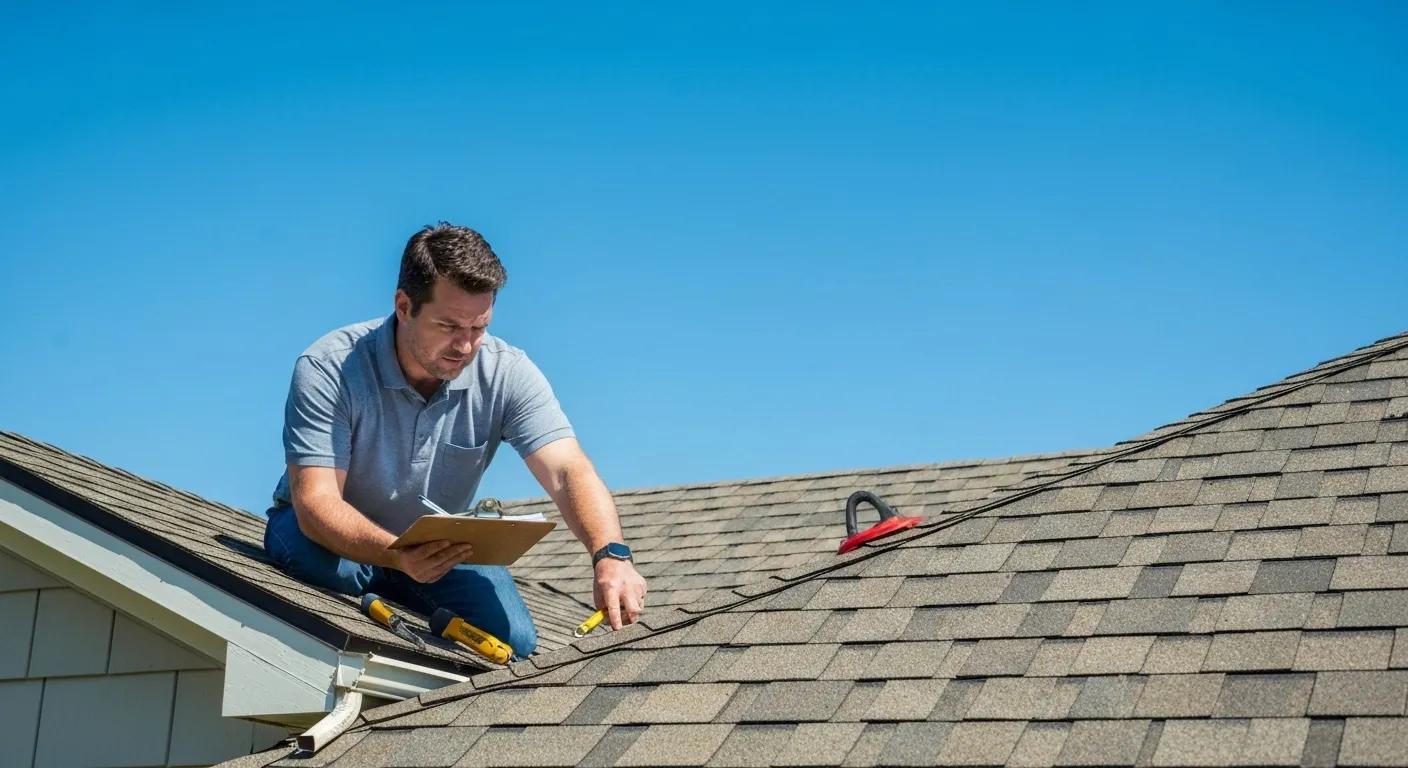
A thorough roof inspection identifies hidden leaks, structural wear, and weather damage before these issues escalate into costly repairs. Homeowners near Southeast Michigan benefit from expert assessments that enhance property value, prolong roof lifespan, and streamline insurance claims while ensuring safety and peace of mind. This article explores why roof inspections are essential, how professionals detect unseen damage, what a comprehensive inspection includes, ways to save money and support storm‐damage claims, how to select the right local inspector, post‐inspection next steps, and the confidence a certified evaluation provides.
Why Is a Roof Inspection Essential for Homeowners Near Me?
A roof inspection systematically evaluates roofing materials, underlayment, and water‐shedding performance to prevent deterioration and protect home investment. By spotting early signs of wear, a certified inspection reduces repair expenses and maintains structural integrity.
What Are the Key Benefits of Regular Roof Inspections?
- Preventative Maintenance – Identifying minor issues like loose shingles or flashing deterioration stops small leaks from becoming major water intrusions.
- Cost Savings – Early detection of damage lowers average repair expenses by up to 70 percent compared to emergency replacements.
- Extended Roof Life – Proactive assessments restore roof health and delay full replacements by reinforcing underlayers and sealing vulnerabilities.
These benefits build a foundation for understanding how inspections secure your property and prompt informed maintenance planning.
Benefits of Regular Roof Inspections
Regular roof inspections are crucial for identifying minor issues, such as loose shingles or flashing deterioration, which can prevent small leaks from becoming major water intrusions. Early detection of damage can lead to significant cost savings, with repairs potentially costing up to 70% less than emergency replacements. Proactive assessments also help extend the roof’s lifespan by reinforcing underlayers and sealing vulnerabilities.
This source supports the claims made in the article about the benefits of regular roof inspections, including preventative maintenance, cost savings, and extended roof life.
How Does a Roof Inspection Protect Your Property Investment?
A professional inspection safeguards property value by verifying roofing performance and mitigating water damage risks that can undermine structural elements, insulation, and interior finishes. By documenting condition, inspectors establish clear baselines that realtors and appraisers recognize, supporting higher resale valuations and buyer confidence.
Importance of Professional Roof Inspections
Professional roof inspections are essential for safeguarding property value by verifying roofing performance and mitigating water damage risks. Inspectors establish clear baselines that realtors and appraisers recognize, supporting higher resale valuations and buyer confidence. These inspections systematically evaluate roofing materials, underlayment, and water-shedding performance to prevent deterioration and protect home investment.
This citation provides support for the article’s claims regarding the importance of professional roof inspections in protecting property value and identifying potential damage.
When Should You Schedule Your Next Roof Inspection?
- Annually, ideally in spring or fall, to assess seasonal wear.
- After severe weather events such as hailstorms or high winds.
- When your roof is nearing its manufacturer’s lifespan (typically 15–20 years for asphalt shingles).
Timely scheduling ensures inspections align with weather cycles and roofing warranty requirements to maximize coverage and performance.
How Does a Professional Roof Inspection Identify Hidden Roof Damage?
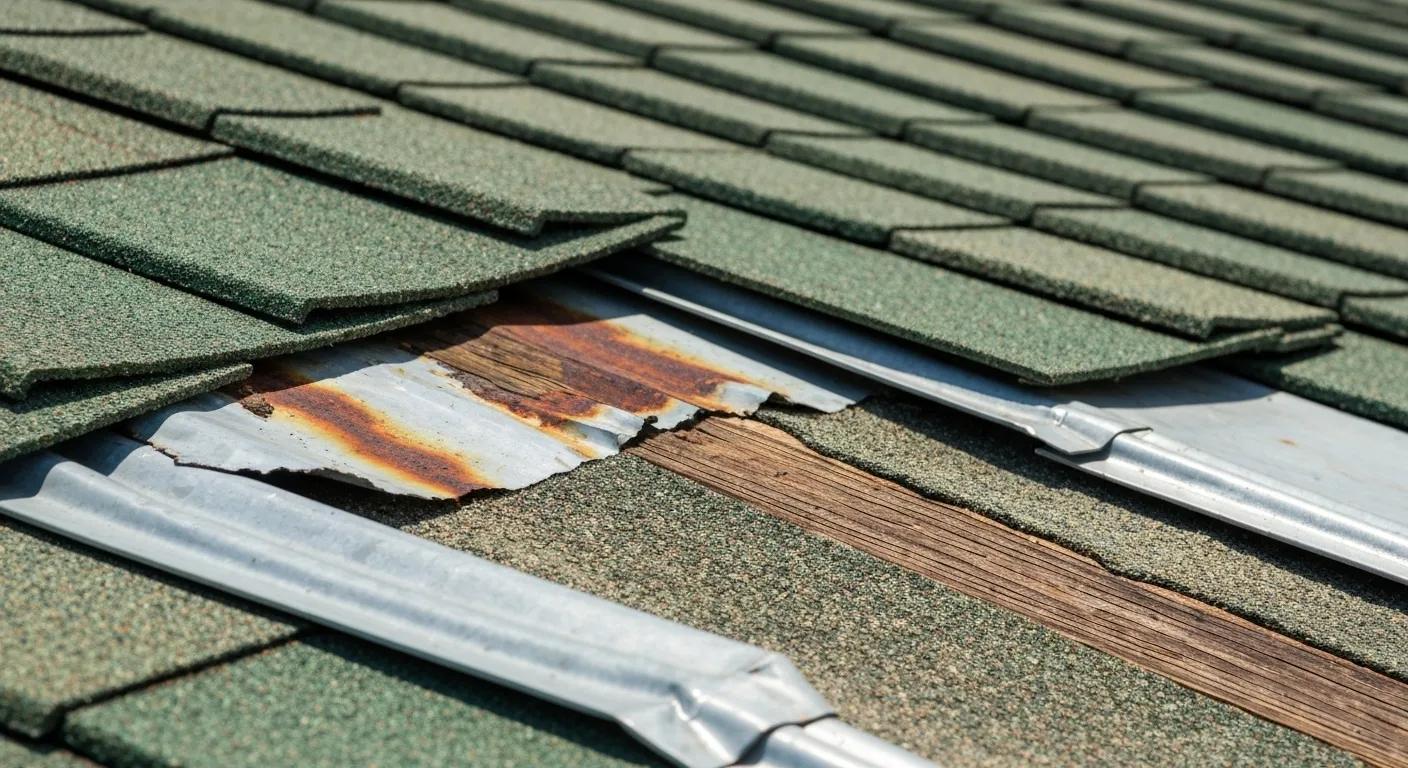
A professional inspection combines visual analysis, moisture detection, and structural assessment to uncover concealed defects beneath shingles and within attic spaces. This multi‐modal approach brings clarity to areas obscured by roof pitch or debris, preventing undetected problems.
What Common Roof Damage Signs Do Inspectors Look For?
- Missing or curling shingles that expose underlayment.
- Rusted or cracked flashing around vents and chimneys.
- Granule loss revealing UV‐sensitive asphalt.
- Sagging roof decks pointing to water‐softened supports.
- Blocked gutters causing overflow and fascia rot.
These observable signs guide deeper evaluation techniques for a complete condition picture.
How Can Inspections Detect Storm and Weather-Related Damage?
- Infrared scanning to locate cool spots from moisture intrusion.
- Drone surveys for elevated views of granule impact and dent patterns.
- Moisture meters in attics to quantify water presence in insulation and decking.
Combining these tools with experience in Michigan weather patterns ensures storm damage is accurately diagnosed and documented for repairs or insurance.
Why Is Early Detection of Roof Damage Critical to Avoid Costly Repairs?
Early identification of leaks and structural compromise prevents water infiltration that leads to mold growth, wood rot, and ceiling collapse. Addressing small issues within weeks can keep median repair costs under $500, whereas neglected damage may require full deck replacement costing $5,000 or more.
What Does a Comprehensive Roof Inspection Include Near Me?
A detailed roof inspection encompasses exterior systems, interior vantage points, and functional tests to deliver a complete assessment of roofing health. Homeowners receive a structured report that supports maintenance planning and claim documentation.
Which Roof Components Are Thoroughly Evaluated?
Before examining each item in detail, inspectors systematically assess critical roofing elements:
Each component evaluation ensures no part of the roofing system is overlooked and sets the stage for understanding inspection methods.
What Inspection Methods Are Used by Professionals?
- Visual Survey – A ground‐and-ladder inspection checks for visible wear and damage.
- Drone Imaging – High-resolution aerial footage captures hard-to-reach areas and documents shingle displacement.
- Thermal Imaging – Infrared cameras detect moisture ingress by highlighting temperature differentials.
Integrating these techniques uncovers issues that a simple walk‐through might miss.
How Is the Roof Inspection Report Structured and Delivered?
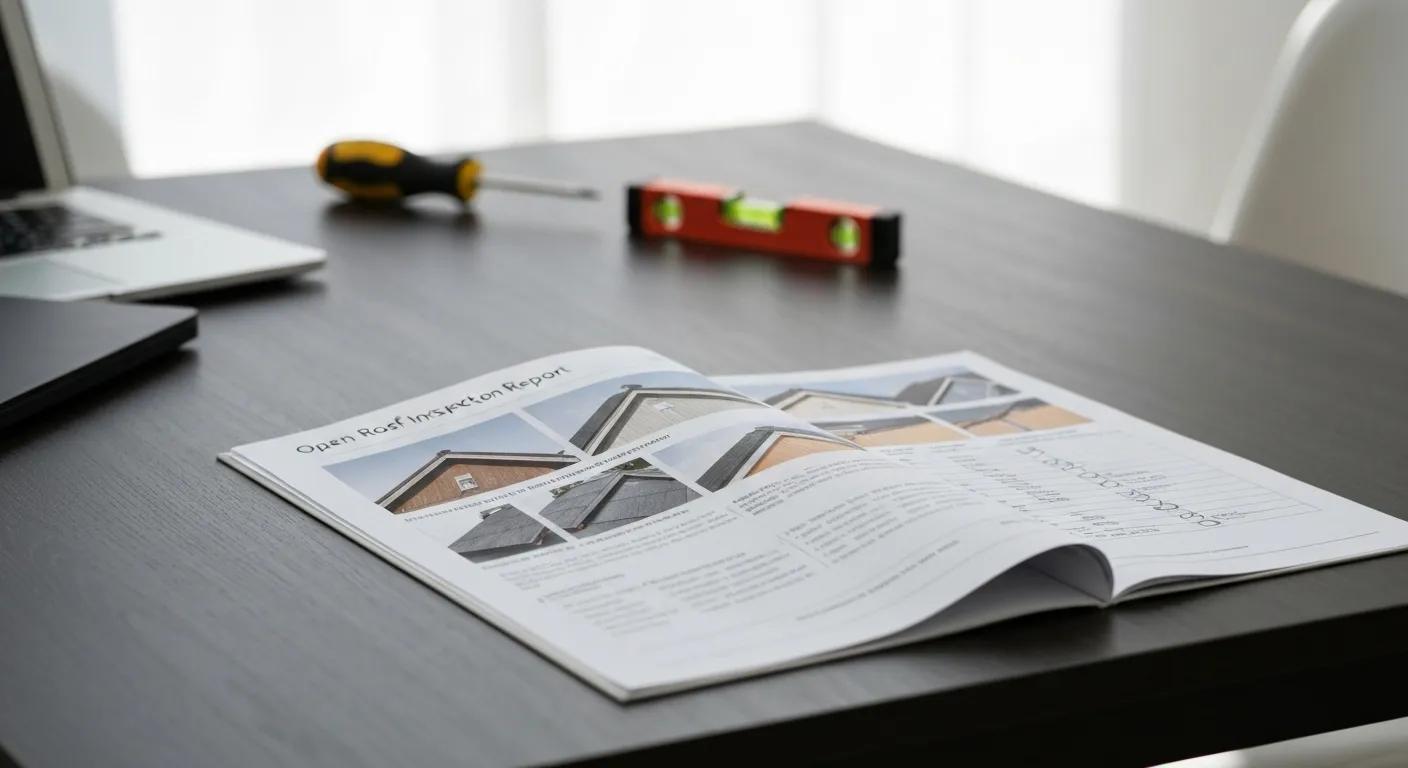
Evernew Roofing delivers a detailed report that includes:
- Executive summary of findings and risk levels.
- Annotated photographs showing damage locations.
- Prioritized recommendations for repairs, maintenance, or replacement.
- Cost estimates and product options (e.g., Atlas shingle profiles).
This structured delivery empowers homeowners to make data-driven decisions without second-guessing the condition of their roof.
How Can Roof Inspections Save You Money and Support Insurance Claims?
By verifying pre-storm roof integrity and pinpointing damage, inspections reduce repair budgets and improve claim outcomes. Documented assessments support homeowner claims for wind, hail, and water events.
How Do Inspections Prevent Expensive Roof Repairs or Replacements?
A cost comparison table illustrates savings:
Identifying minor defects early reduces the likelihood of deck or full system replacement, preserving both budget and roof lifespan.
Why Are Roof Inspections Important for Storm Damage Insurance Claims?
An inspection performed before and after severe weather creates a documented baseline that proves the age and pre-existing condition of roofing materials. Insurers use this evidence to differentiate new damage from wear, expediting approvals and maximizing claim payouts.
What Should Homeowners Know About Free vs. Paid Roof Inspections?
Legitimate free inspections from licensed contractors like Evernew Roofing include no-pressure assessments and transparent service recommendations. Paid inspections may offer deeper diagnostics such as drone imagery or moisture mapping. Homeowners should verify credentials to avoid scams and ensure reliable reporting.
Ready to secure your home with a free evaluation? Request your instant quote today.
How Do I Choose the Right Roof Inspection Service Near Me?
Selecting a qualified inspector involves reviewing certifications, local experience, and service guarantees to ensure reliable results and long-term support.
What Qualifications and Certifications Should a Roof Inspector Have?
- State roofing contractor license (e.g., MI Builders License #262400526)
- Membership in NRCA, NRCIA, or InterNACHI
- Insurance coverage including general liability
- Continued education in storm damage assessment
Certified professionals deliver consistent, code-compliant inspections you can trust.
Why Is Local Expertise Important for Roof Inspections in Southeast Michigan?
Local inspectors understand regional weather patterns—such as heavy lake‐effect snow and hail storms—and Michigan building codes. This knowledge ensures accurate damage diagnostics and compliant recommendations that fit area-specific requirements.
How Does Evernew Roofing Ensure Professionalism and Reliability?
Evernew Roofing combines licensed technicians, manufacturer-backed warranties, and transparent pricing to deliver inspections that homeowners value. Complementary services include access to the Atlas shingle catalog for aesthetic and performance options.
What Are the Next Steps After a Roof Inspection?
An inspection report outlines actionable steps that help homeowners prioritize repairs, compare options, and plan preventive maintenance to extend roof life.
How Do I Understand and Use My Roof Inspection Report?
- Review the risk rating assigned to each issue.
- Note photo annotations to locate damage.
- Discuss repair recommendations with your contractor for scope clarification.
This process transforms raw data into a clear roadmap for addressing vulnerabilities.
When Should I Opt for Roof Repair vs. Full Replacement?
Repair is ideal when damage is localized—such as small leaks or flashing gaps—and the overall system remains under warranty. Full replacement becomes necessary when multiple components exhibit advanced deterioration or the roof exceeds its expected service life.
How Can Roof Inspections Help with Long-Term Roof Maintenance Planning?
By scheduling inspections annually and after severe weather, homeowners establish a maintenance cycle that:
- Preserves warranty validity.
- Tracks wear progression.
- Allocates budget for future repairs or eventual replacement.
Consistent documentation reduces unexpected expenses and supports continuous roof health.
How Does a Roof Inspection Provide Peace of Mind for Homeowners Near Me?
Knowing the exact condition of your roof removes uncertainty about leaks, structural safety, and insurance readiness, allowing you to focus on other priorities.
How Does a Professional Inspection Increase Confidence in Roof Condition?
A certified inspector’s detailed evaluation affirms performance metrics and uncovers latent issues. Armed with factual evidence, homeowners feel assured that their roof will protect living spaces without surprises.
What Role Does a Roof Inspection Play in Ensuring Home Safety?
Assessing structural components like decking and attic ventilation safeguards against collapse risks and mold proliferation. A sound roof maintains indoor air quality and prevents hazards associated with water damage.
Why Is Scheduling a Roof Inspection a Smart Homeownership Decision?
Proactive inspections position homeowners to make informed maintenance choices, avoid emergency repairs, and uphold property value. Investing in expertise today translates into long-term savings, reliable protection, and the confidence that comes from expert validation.
A professional roof inspection is more than a service—it’s an investment in your home’s future. Schedule your evaluation today to secure lasting performance and peace of mind.
Frequently Asked Questions
What Should I Expect During a Roof Inspection?
During a roof inspection, you can expect a thorough evaluation of your roofing system. Inspectors will assess the condition of shingles, flashing, gutters, and underlayment, looking for signs of wear, damage, or potential leaks. They may also check the attic for ventilation issues and moisture problems. The inspection typically includes visual assessments, and may utilize tools like drones or thermal imaging for hard-to-reach areas. After the inspection, you will receive a detailed report outlining findings and recommendations for any necessary repairs or maintenance.
How Long Does a Roof Inspection Take?
The duration of a roof inspection can vary based on the size and complexity of your roofing system. Generally, a standard inspection takes between 1 to 3 hours. Factors that can influence the time include the roof’s pitch, the presence of multiple layers, and the need for additional diagnostic tools like drones or thermal imaging. It’s advisable to allocate enough time for the inspector to conduct a thorough evaluation and answer any questions you may have about the process or findings.
Are Roof Inspections Covered by Homeowners Insurance?
Whether roof inspections are covered by homeowners insurance depends on your specific policy. Many insurance companies do not cover routine inspections, as they are considered preventative maintenance. However, if an inspection is conducted due to storm damage or to support a claim, the costs may be reimbursable. It’s essential to check with your insurance provider to understand your coverage and any potential reimbursements for inspections related to damage assessments or claims.
What Are the Risks of Skipping Regular Roof Inspections?
Skipping regular roof inspections can lead to undetected issues that may escalate into significant problems over time. Minor leaks can develop into major water damage, leading to mold growth, structural damage, and costly repairs. Additionally, without regular assessments, homeowners may miss opportunities to address wear and tear before it necessitates a full roof replacement. Ultimately, neglecting inspections can compromise the safety and value of your home, making it a risky decision for any homeowner.
Can I Perform a Roof Inspection Myself?
While homeowners can conduct a basic visual inspection of their roofs, it is not advisable to perform a comprehensive inspection without professional training. Many issues, such as hidden leaks or structural weaknesses, may not be visible to the untrained eye. Additionally, climbing onto a roof can be dangerous without proper safety equipment and experience. Hiring a certified professional ensures a thorough evaluation and accurate identification of potential problems, providing peace of mind and protecting your investment.
What Should I Do If My Roof Inspection Reveals Damage?
If your roof inspection reveals damage, the first step is to review the inspection report carefully. The report will typically outline the extent of the damage and recommend necessary repairs or maintenance. Consult with a qualified roofing contractor to discuss the findings and get estimates for repairs. It’s essential to address any issues promptly to prevent further deterioration and protect your home. Additionally, if the damage is significant, consider contacting your insurance provider to discuss potential coverage for repairs.
Conclusion
Investing in professional roof inspection services ensures the longevity and safety of your home while preventing costly repairs. By identifying hidden damage and providing actionable insights, these inspections enhance property value and support insurance claims. Don’t wait for minor issues to escalate; schedule your roof inspection today for peace of mind. Explore our services to secure your home’s future and protect your investment.