


What Are the Top Energy-Efficient Roofing Solutions for Homeowners?
Energy-efficient roofing solutions are designed to reflect sunlight, shed absorbed heat, and minimize energy consumption, which can cut utility bills by up to 25 percent while extending roof lifespan and improving indoor comfort.
By selecting materials with high solar reflectance and thermal emittance, homeowners reduce heat transfer, lower air-conditioning loads, and support environmental sustainability. This guide explains why energy-efficient roofs matter, compares top materials and technologies, explores critical performance factors, highlights EverNew Roofing’s eco-friendly services, reviews cost and ROI considerations, answers common homeowner questions, outlines maintenance and upgrade strategies, and shows how efficiency drives property value and comfort.
Why Are Energy-Efficient Roofing Solutions Important for Homeowners?
Energy-efficient roofing matters because it directly reduces household energy consumption, enhances occupant comfort, and supports long-term sustainability. A well-designed roof lowers cooling demands in summer, lessens heat gain in winter, and contributes to a balanced indoor climate. Understanding these benefits helps homeowners choose the right roofing strategy for lasting performance and savings.
How Do Energy-Efficient Roofs Lower Utility Bills and Save Money?
Energy-efficient roofs lower utility bills by reflecting solar radiation and minimizing heat transfer to the attic. This mechanism reduces air-conditioning runtime and peak cooling loads, translating into average annual savings of $300 to $500 for a typical home. For example, a metal roof with a reflective finish can cut summer cooling costs by up to 40 percent, demonstrating direct financial benefits through reduced energy consumption.
Energy Savings with Energy-Efficient Roofing
Energy-efficient roofs can lower utility bills by reflecting solar radiation and minimizing heat transfer to the attic, potentially saving homeowners an average of $300 to $500 annually [3, 4, 16]. Metal roofs with reflective finishes can cut summer cooling costs by up to 40 percent, demonstrating direct financial benefits through reduced energy consumption [3, 4].
This source supports the claim that energy-efficient roofs can lower utility bills and save money.
What Environmental Benefits Do Energy-Efficient Roofs Provide?
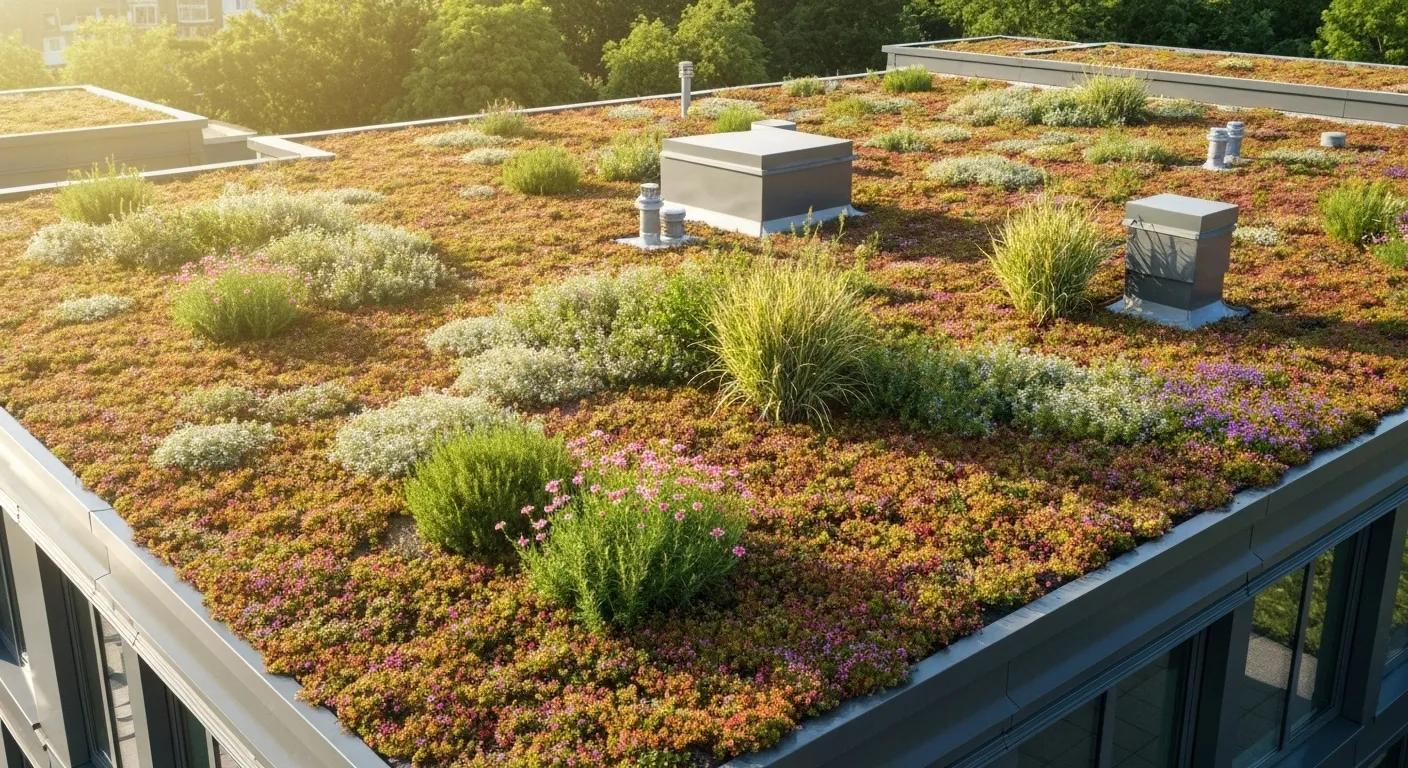
Beyond cost savings, energy-efficient roofs mitigate urban heat island effects by keeping roof surfaces cooler and lowering surrounding air temperatures. They reduce greenhouse gas emissions by decreasing electricity demand and support stormwater management when paired with vegetated systems. Green roofs further filter air pollutants and enhance local biodiversity, making sustainable living practical and impactful.
How Do Energy-Efficient Roofs Improve Indoor Comfort and Roof Lifespan?
By limiting heat gain and maintaining consistent attic temperatures, energy-efficient roofs promote stable indoor environments, reducing temperature fluctuations and humidity extremes. Improved thermal regulation eases HVAC workload, extends equipment life, and prevents shingle deterioration caused by thermal cycling. Consistent surface temperatures also slow material degradation, prolonging overall roof durability.
Are There Local Incentives or Tax Credits for Energy-Efficient Roofing?
Homeowners can often tap federal tax credits, utility rebates, and state incentives to offset upfront costs for qualified reflective coatings, cool roofing materials, and green roof installations. In Southeast Michigan, programs administered by local utilities and state energy offices may offer rebates for high-SRI roofing products. Checking with local agencies ensures maximum financial support when upgrading to an energy-efficient roof.
Incentives and Tax Credits for Energy-Efficient Roofing
Homeowners can often tap federal tax credits, utility rebates, and state incentives to offset upfront costs for qualified reflective coatings, cool roofing materials, and green roof installations [23]. Checking with local agencies ensures maximum financial support when upgrading to an energy-efficient roof [23]. In Southeast Michigan, programs administered by local utilities and state energy offices may offer rebates for high-SRI roofing products [23].
This source supports the availability of incentives and tax credits for energy-efficient roofing.
What Are the Most Effective Energy-Efficient Roofing Materials and Technologies?
Selecting the right roofing material is key to maximizing energy performance. The table below compares top energy-efficient roofing options by their principal features, performance attributes, and primary benefits.
How Does Metal Roofing Enhance Energy Efficiency?
Metal roofing enhances energy efficiency through highly reflective surfaces and natural recyclability. Steel and aluminum panels with specialized coatings achieve Solar Reflectance Index (SRI) ratings above 50, reflecting a large portion of incident sunlight. This reflection reduces attic heat gain and lowers cooling loads, while the material’s durability ensures longevity and recyclability at end of life.
What Is Cool Roof Technology and How Does It Reduce Heat?
Cool roof technology employs reflective coatings and light-colored finishes to reflect more sunlight and emit absorbed heat. Reflective granules or high-emissivity paints lower roof surface temperatures by 20–30 °F compared to standard roofs. By shedding excess heat, cool roofs reduce air-conditioning demand and improve indoor comfort during peak summer periods.
Cool Roof Technology and Its Impact
Cool roof technology employs reflective coatings and light-colored finishes to reflect more sunlight and emit absorbed heat, potentially lowering roof surface temperatures by 20–30 °F compared to standard roofs [13, 19]. By shedding excess heat, cool roofs reduce air-conditioning demand and improve indoor comfort during peak summer periods [13].
This citation explains how cool roof technology reduces heat and improves energy efficiency.
What Are the Benefits of Green Roof Systems for Energy Savings?
Green roofs incorporate vegetation, growing medium, and drainage layers to provide natural insulation and evapotranspiration cooling. This multi-layer system can cut daily energy demand for air conditioning by up to 70 percent, retain stormwater onsite, and improve roof membrane protection. Homeowners benefit from reduced energy costs, enhanced biodiversity, and decreased urban runoff.
Benefits of Green Roof Systems
Green roofs incorporate vegetation, growing medium, and drainage layers to provide natural insulation and evapotranspiration cooling, potentially cutting daily energy demand for air conditioning by up to 70 percent [6, 14]. Green roofs also retain stormwater onsite and improve roof membrane protection [6].
This source supports the benefits of green roof systems for energy savings.
How Do Energy-Efficient Asphalt Shingles and Tile Roofing Compare?
Homeowners weighing asphalt shingles versus tile roofing find distinct energy advantages:
What Are Solar-Ready Roofing Systems and Their Energy Advantages?
Solar-ready roofing integrates mounting brackets and reinforced decking to support future photovoltaic panels. This provision simplifies solar installation, reduces labor costs, and aligns roof orientation for maximum sun exposure. Combining a high-reflectance roof with solar generation enables homeowners to achieve net-zero energy goals and increase property value through on-site renewable power.
What Key Factors Influence the Energy Efficiency of a Roof?
Performance of any roof system depends on a combination of reflectance, emissivity, insulation, ventilation, and color selection. Understanding these factors empowers homeowners to optimize energy savings and material performance.
What Is Solar Reflectance Index (SRI) and Why Does It Matter?
Solar Reflectance Index (SRI) quantifies a material’s ability to reflect solar heat and emit absorbed energy. Higher SRI values indicate cooler roof surfaces, which translate into lower attic temperatures and reduced cooling loads. Choosing materials with SRI ratings above 65 ensures significant energy savings in warm climates.
Solar Reflectance Index (SRI) and Its Importance
The Solar Reflectance Index (SRI) is a crucial metric for evaluating a roof’s ability to reflect solar heat and its overall effectiveness in keeping buildings cool [15, 17]. Higher SRI values indicate cooler roof surfaces, which translate into lower attic temperatures and reduced cooling loads [2, 10]. Choosing materials with SRI ratings above 65 ensures significant energy savings in warm climates [2].
This citation explains the importance of the Solar Reflectance Index (SRI) in determining the energy efficiency of a roof.
How Does Thermal Emittance Affect Roof Cooling Performance?
Thermal emittance measures how effectively a roof surface sheds absorbed heat as infrared radiation. High-emissivity materials cool more rapidly after sunset, reducing overnight heat retention and easing morning cooling demands. Emittance values above 0.75 promote consistent heat release, supporting balanced indoor temperatures.
Why Are Insulation and Ventilation Critical for Roof Energy Efficiency?
Proper attic insulation prevents conductive heat transfer from the roof deck to indoor spaces, while balanced ventilation expels trapped heat and moisture. Combined, these elements maintain stable attic temperatures, reduce HVAC cycling, and prolong roof system integrity. Without adequate insulation and venting, even reflective roofs cannot achieve optimal performance.
How Does Roof Color Influence Energy Savings?
Light-colored roofs reflect a greater portion of the solar spectrum, lowering surface temperatures and attic heat gain. Dark colors absorb more heat, increasing cooling loads. Selecting pale hues or reflective coatings can improve energy performance by up to 15 percent compared to traditional dark roofing materials.
How Does EverNew Roofing Provide Energy-Efficient Roofing Solutions?
EverNew Roofing specializes in solutions that combine energy savings with cost-effective maintenance and replacement options. Local expertise in Southeast Michigan ensures systems tailored to regional climate challenges and homeowner needs.
What Is Fresh Roof Rejuvenation and How Does It Save Energy?
Fresh Roof Rejuvenation is an eco-friendly treatment that restores asphalt shingle flexibility, replenishes oils, and enhances granule adhesion. By sealing minor cracks and restoring surface reflectance, this service reduces heat absorption and lowers cooling demands by up to 10 percent, deferring full replacement and extending roof life.
What Energy-Efficient Roof Replacement Options Does EverNew Offer?
For roofs beyond rejuvenation, EverNew Roofing installs high-performance metal panels, cool roof coatings, and tile systems with energy-efficient properties. These materials feature high SRI ratings, superior thermal emittance, and durability that aligns with homeowners’ energy and longevity objectives.
Prospective customers can browse product selections in the Atlas Catalog to compare specifications and finishes.
How Does EverNew Roofing Address Local Climate and Energy Needs?
EverNew Roofing evaluates Southeast Michigan weather patterns, solar orientation, and attic ventilation requirements to recommend tailored energy-efficient systems. By combining materials with proven performance in cold winters and hot summers, the company ensures consistent indoor comfort and optimized utility savings year-round.
What Are the Typical Costs and Return on Investment for Energy-Efficient Roofing?
Understanding the financial implications of energy-efficient roofing helps homeowners balance upfront investment and long-term savings.
Are Energy-Efficient Roofs More Expensive Upfront?
Yes, advanced materials and specialized coatings often carry higher initial costs than standard roofing options. However, rebates, tax credits, and reduced energy bills frequently recover the premium within 5–10 years, making the overall investment cost-effective over a typical 20- to 30-year roof lifespan.
How Much Can Homeowners Save on Energy Bills with Efficient Roofing?
Homeowners can save $300 to $500 annually on cooling costs, with metal and cool roof systems often delivering 20–40 percent reductions in summer energy use. Combined with lower HVAC wear, these savings add up to $5,000–$8,000 over two decades.
What Financing Options and Incentives Are Available for Energy-Efficient Roofs?
Financing plans, government tax credits, and local utility rebates support energy-efficient upgrades. EverNew Roofing offers flexible payment programs and guides homeowners through available incentives to minimize out-of-pocket expenses. For a personalized estimate, request an instant quote.
What Are the Most Common Questions About Energy-Efficient Roofing?
Homeowners often seek clarity on material performance, cost-effectiveness, and evolving standards before committing to an energy-efficient roof.
What Is the Most Energy-Efficient Type of Roof?
Metal roofing typically achieves the highest energy efficiency due to superior reflectance and emissivity. Cool roof coatings, tile systems, and green roofs also deliver significant energy savings when selected with high SRI and emittance properties.
Do Energy-Efficient Roofs Really Save Money Over Time?
Yes, reduced cooling and heating loads translate into measurable energy bill reductions. Over a roof’s lifespan, cumulative savings often exceed initial cost premiums, especially when combined with available rebates and tax incentives.
How Do Energy-Efficient Roofs Differ from Cool Roofs?
Energy-efficient roofing is a broad category that includes cool roofs, green roofs, metal panels, and solar-ready systems. Cool roofs specifically focus on reflective surfaces to lower heat gain, while other energy-efficient options may leverage thermal mass, vegetation, or integrated solar technology.
What Happened to the ENERGY STAR Roofing Program?
The ENERGY STAR Roofing Products program was phased out in June 2022, but its principles—high solar reflectance and thermal emittance—remain embedded in new industry standards. Homeowners now rely on SRI ratings and third-party certifications from the Cool Roof Rating Council (CRRC) for performance validation.
Can Roof Repair Improve Energy Efficiency?
Yes, addressing leaks, cracked flashing, and damaged shingles restores roof integrity and surface reflectance. Timely repairs prevent heat infiltration and moisture buildup, supporting overall energy performance until full replacement or rejuvenation occurs.
How Can Homeowners Maximize Energy Efficiency Through Roof Maintenance and Upgrades?
Routine maintenance and targeted upgrades preserve roof performance, enhance energy savings, and extend system longevity.
How Does Proper Roof Ventilation Prevent Heat Trapping?
Balanced intake and exhaust vents allow hot, moist air to escape the attic, preventing heat buildup under the roof deck. Effective ventilation maintains lower attic temperatures, reduces cooling loads, and minimizes the risk of condensation damage.
When Is Roof Rejuvenation a Cost-Effective Energy Solution?
Roof rejuvenation is most cost-effective when shingles show surface wear but the underlying substrate remains sound. Treating roof surfaces before major deterioration restores reflectance, delays replacement, and delivers quick energy savings at a fraction of replacement cost.
What Role Does Regular Roof Maintenance Play in Energy Savings?
Regular inspections, cleaning, and minor repairs ensure reflective surfaces remain unobstructed and flashing seals intact. Consistent maintenance preserves optimal thermal performance, prevents energy-draining leaks, and maximizes the lifespan of energy-efficient roof systems.
How Do Energy-Efficient Roofing Solutions Impact Property Value and Comfort?
Investing in an energy-efficient roof not only lowers operating costs but also enhances resale value and homeowner satisfaction.
How Does Energy Efficiency Increase Home Value?
Energy-efficient roofing signals lower future utility expenses and modern building performance to potential buyers. Homes with certified high-reflectance roofs and solar-ready systems often command premium sale prices and faster market absorption.
What Comfort Improvements Can Homeowners Expect?
Improved thermal regulation reduces hot spots and cold drafts, creating a consistent indoor environment. Less HVAC cycling and balanced attic temperatures also cut noise and prolong equipment life, delivering lasting comfort benefits.
How Do Energy-Efficient Roofs Contribute to Sustainable Living?
By reducing fossil-fuel-based electricity consumption and lowering carbon emissions, energy-efficient roofs support sustainable living goals. Green roofs further foster biodiversity and stormwater management, making the home a model of ecological stewardship.
Homeowners ready to enhance comfort, cut energy bills, and future-proof their property can explore EverNew Roofing’s comprehensive energy-efficient roofing solutions.
Frequently Asked Questions
What are the key factors to consider when choosing energy-efficient roofing materials?
When selecting energy-efficient roofing materials, homeowners should consider factors such as solar reflectance, thermal emittance, insulation properties, and ventilation. The Solar Reflectance Index (SRI) is crucial, as higher values indicate better heat reflection and lower attic temperatures. Additionally, the material’s durability, maintenance requirements, and compatibility with local climate conditions are essential for maximizing energy savings and ensuring long-term performance.
How can homeowners maintain their energy-efficient roofs for optimal performance?
Regular maintenance is vital for preserving the performance of energy-efficient roofs. Homeowners should conduct routine inspections to check for debris, leaks, and damage. Cleaning reflective surfaces ensures they remain unobstructed, while timely repairs prevent heat infiltration and moisture buildup. Additionally, maintaining proper attic ventilation helps regulate temperature and humidity, further enhancing the roof’s energy efficiency and lifespan.
What is the lifespan of energy-efficient roofing materials compared to traditional options?
Energy-efficient roofing materials often have longer lifespans than traditional options. For instance, metal roofs can last 40-70 years, while tile roofs can exceed 50 years with proper maintenance. In contrast, traditional asphalt shingles typically last 15-30 years. The durability of energy-efficient materials, combined with their ability to withstand extreme weather conditions, makes them a more sustainable choice for homeowners looking for longevity and performance.
Are there specific energy-efficient roofing options suitable for colder climates?
Yes, certain energy-efficient roofing options are particularly well-suited for colder climates. For example, tile roofing offers high thermal mass, which helps retain heat during winter months. Additionally, cool roof coatings can be beneficial if they are designed to reflect sunlight while still providing insulation. Homeowners should consider materials that balance reflectance with thermal performance to ensure comfort and energy savings year-round.
How do energy-efficient roofs impact indoor air quality?
Energy-efficient roofs can positively influence indoor air quality by reducing heat buildup and moisture levels in attics. Proper ventilation and insulation prevent condensation, which can lead to mold growth and poor air quality. Additionally, green roofs contribute to air purification by filtering pollutants and providing a natural habitat for biodiversity, further enhancing the overall health of the indoor environment.
What are the long-term financial benefits of investing in energy-efficient roofing?
Investing in energy-efficient roofing can lead to significant long-term financial benefits. Homeowners can expect reduced energy bills, with savings averaging $300 to $500 annually. Additionally, the longevity of energy-efficient materials means fewer replacement costs over time. When combined with available tax credits and rebates, the initial investment often pays off within 5-10 years, making it a cost-effective choice for homeowners.
Can energy-efficient roofing systems be installed on existing homes?
Yes, energy-efficient roofing systems can be installed on existing homes. Homeowners can opt for roof replacements or upgrades, such as applying cool roof coatings or installing solar-ready roofing. It’s essential to assess the current roof’s condition and consult with a professional to determine the best approach for integrating energy-efficient solutions while ensuring structural integrity and compliance with local building codes.
Conclusion
Investing in energy-efficient roofing solutions not only reduces utility bills but also enhances indoor comfort and supports environmental sustainability. By choosing materials with high solar reflectance and thermal emittance, homeowners can significantly lower energy consumption and prolong roof lifespan. Understanding these benefits empowers you to make informed decisions that add value to your property. Explore EverNew Roofing’s range of energy-efficient options today to start your journey towards a more sustainable home.