


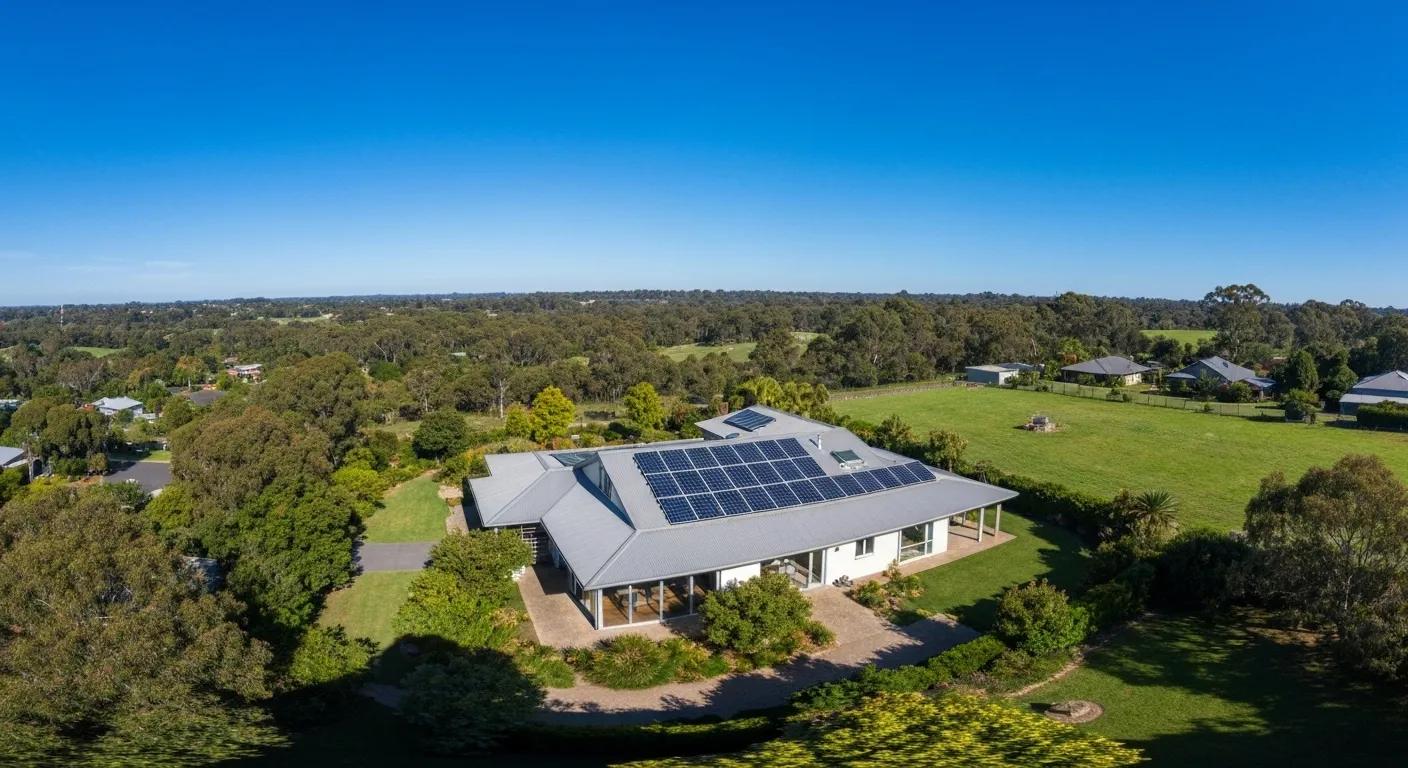
Energy-Efficient Roofing vs Traditional Options Explained: Complete Guide to Roof Repair Energy Efficient Solutions
Rising energy bills and sweltering attics highlight the critical role your roof plays in home comfort and cost management. Homeowners seeking to reduce utility expenses, enhance indoor comfort, and extend roof lifespan can benefit from understanding energy-efficient roofing systems compared to traditional options. This guide covers five core themes:
- Defining energy-efficient roofing and its contrast with conventional roofs
- Key homeowner benefits, including savings and environmental impact
- Available materials and their performance profiles
- Cost comparison, incentives, and return on investment
- Installation, maintenance, and decision criteria for choosing the right roof
Evernew Roofing’s expertise in roof repair energy efficient solutions ensures reliable guidance and seamless service integration throughout each topic.
What Is Energy-Efficient Roofing and How Does It Compare to Traditional Roofs?
An energy-efficient roofing system minimizes heat transfer through solar reflectance, thermal emittance, and enhanced insulation while traditional roofs absorb and trap heat, increasing cooling demands and energy costs. By reducing heat gain and improving thermal performance, energy-efficient roofs deliver measurable savings and comfort improvements.
Energy-efficient roofing systems rely on advanced materials and design principles that diverge from standard asphalt or wood shingles. Understanding the defining attributes of these systems clarifies why they outperform traditional options in modern home applications.
What defines an energy-efficient roofing system?
An energy-efficient roofing system integrates reflective surfaces, high R-value insulation, and proper ventilation to maintain consistent indoor temperatures. Reflective coatings or materials with a high Solar Reflectance Index (SRI) bounce sunlight away, while insulation layers block conductive heat flow. For example, a cool roof coating with an SRI of 85 can lower attic temperatures by 20°F, directly reducing air-conditioning workload and energy consumption.
These design elements work in concert to create a roofing system that addresses heat absorption, retention, and dissipation—laying the groundwork for evaluating specific performance mechanisms.
How do solar reflectance, thermal emittance, and insulation improve roof efficiency?
Solar reflectance prevents excessive heat absorption by reflecting up to 80% of incoming solar radiation, while thermal emittance enables the roof surface to release stored heat rapidly. High-quality insulation (R-30 or higher) further slows thermal transfer into living spaces. Together, these mechanisms:
- Reflect sunlight to reduce peak surface temperatures
- Emit trapped heat back into the atmosphere more efficiently
- Limit conductive heat gain through insulation barriers
This combination of reflective and resistive properties can lower cooling loads by 15–25%, promoting sustainable energy use and extended roof component longevity.
Energy Savings with Cool Roofing
Cool roofing systems, through their high solar reflectance, can significantly reduce energy consumption by lowering the demand for air conditioning. This leads to substantial cost savings for homeowners, with potential reductions in annual cooling costs ranging from 15% to 25%.
This supports the article’s claims about the financial benefits of energy-efficient roofing.
What are the main differences between energy-efficient and traditional roofing materials?
Before exploring material types, the table below summarizes core distinctions:
Traditional roofing materials like standard asphalt shingles absorb most solar radiation and rely on minimal underlayment insulation, resulting in higher heat transfer and reduced energy performance. In contrast, energy-efficient materials prioritize reflectivity, emissivity, and insulative layering to optimize thermal regulation and cost savings over the roof’s lifetime.
What Are the Benefits of Energy-Efficient Roofing for Homeowners?
Energy-efficient roofing offers homeowners a multifaceted value proposition by combining immediate energy savings, enhanced comfort, extended durability, and environmental stewardship. These benefits translate into reduced monthly bills, improved indoor living conditions, and potential eligibility for financial incentives.
How does energy-efficient roofing reduce utility bills and save money?
Energy-efficient roofing systems can reduce annual cooling costs by up to 25%, saving an average household $300–$600 per year. By reflecting solar radiation and slowing heat transfer, these roofs decrease peak air-conditioning loads. Over a 10-year period, the cumulative savings often offset the higher upfront investment, achieving payback within 5–7 years.
In what ways does energy-efficient roofing enhance indoor comfort?
Reflective surfaces keep attic and ceiling temperatures cooler, minimizing hot spots and temperature fluctuations in living spaces. Improved insulation and ventilation pairing with energy-efficient materials prevents heat islands, ensuring consistent comfort. Homeowners note a 10–15°F reduction in upper-floor temperatures, translating to quieter HVAC operation and fewer hot or cold zones.
How does energy-efficient roofing extend roof lifespan and durability?
High-performance materials such as metal panels, tile, or specialized cool coatings resist degradation from UV exposure and thermal cycling. By reducing surface temperature extremes, these materials experience less expansion-contraction stress, extending service life by 30–40%. For instance, metal roofing can last 40–60 years, compared to 15–25 years for asphalt shingles.
Material Performance and Lifespan
The lifespan of roofing materials varies significantly, with energy-efficient options like metal roofing offering extended durability compared to traditional asphalt shingles. Metal roofing can last for 40-60 years, while asphalt shingles typically last 15-25 years, influencing long-term costs and maintenance needs.
This citation provides evidence for the article’s comparison of different roofing materials and their lifespans.
What environmental benefits do energy-efficient roofs provide?
By lowering energy consumption, energy-efficient roofs reduce greenhouse gas emissions and carbon footprints. Reflective roofing can mitigate urban heat island effects, decreasing ambient air temperatures in densely built areas by up to 2°F. Vegetated green roofs further support biodiversity, stormwater management, and air purification, promoting ecological resilience.
Are there tax credits or rebates available for energy-efficient roofing?
Federal, state, and local programs often provide incentives for energy-efficient home upgrades. Homeowners may qualify for a federal tax credit covering 10% of installation costs for qualified cool roofing systems. Utility companies and municipalities frequently offer rebates ranging from $0.10 to $0.30 per square foot of reflective roofing, further offsetting project expenses and accelerating return on investment.
Incentives for Energy-Efficient Roofing
Homeowners can take advantage of various financial incentives to offset the initial costs of energy-efficient roofing. These incentives include federal tax credits, state rebates, and utility company rebates, which can significantly reduce the overall investment and accelerate the return on investment.
This citation supports the article’s discussion of financial incentives available for energy-efficient roofing projects.
What Types of Energy-Efficient Roofing Materials Are Available?

Energy-efficient roofing materials span a diverse range of options—from metallic surfaces to vegetative systems—each offering unique energy performance, durability, and aesthetic characteristics. Understanding their relative strengths and cost profiles enables homeowners to select the optimal solution for climate, budget, and design preferences.
How does metal roofing compare in energy efficiency and cost?
Metal roofing combines high solar reflectance (SRI 65–85) with low thermal emittance, delivering 20–40% cooling energy savings. Available in standing seam or metal shingle profiles, it carries a typical upfront cost of $7–$12 per square foot but offers a 40–60-year service life and minimal maintenance requirements.
What are the advantages of tile roofing for energy savings?
Concrete and clay tile roofing achieve an SRI of 35–70 and an emissivity above 0.80. These tiles provide thermal mass that absorbs and slowly releases heat, smoothing temperature swings. With installation costs around $10–$15 per square foot, tile roofs can last 50–70 years and require periodic inspections for broken units and underlayment condition.
How do TPO roofing and cool asphalt shingles improve energy performance?
Thermoplastic Olefin (TPO) membranes feature white or reflective top layers (SRI 80–90) and seam welding technology, offering cool roof performance for flat and low-slope applications at $5–$9 per square foot. Cool asphalt shingles integrate reflective granules to boost SRI to 25–45, lowering installation costs to $3–$6 per square foot while delivering a moderate lifespan of 20–30 years.
What benefits do green roofs and solar shingles offer?
Vegetated green roofs reduce summer energy demand by up to 50% and provide stormwater retention, ecological habitat, and noise reduction. Installation ranges from $15 to $30 per square foot, with maintenance needs for irrigation and vegetation care. Solar shingles integrate photovoltaic cells into roofing tiles, generating on-site electricity while providing an SRI of 60–70 when non-active, with costs of $20–$30 per square foot and potential to offset energy bills entirely.
How do traditional asphalt shingles differ in energy efficiency?
Standard asphalt shingles have low reflectance (SRI 10–25) and minimal emissivity, absorbing up to 90% of solar radiation. They cost $2–$5 per square foot but transfer heat rapidly into attics, increasing HVAC loads. While affordable upfront, their 15–25-year lifespan and elevated cooling costs result in higher lifetime expenses compared to energy-efficient alternatives.
How Much Does Energy-Efficient Roofing Cost Compared to Traditional Options?
Investing in energy-efficient roofing requires weighing upfront installation costs against lifetime energy savings and available incentives. Although premium materials carry higher initial expenses, the cumulative savings often justify the investment within a typical 5–10-year payback period.
What is the typical upfront investment for energy-efficient roofing?
Energy-efficient roofs average $6–$18 per square foot, depending on material choice:
- Metal roofing: $7–$12 per square foot
- Tile roofing: $10–$15 per square foot
- TPO and cool asphalt shingles: $5–$9 per square foot
- Green roofs and solar shingles: $15–$30 per square foot
This contrasts with $2–$5 per square foot for traditional asphalt shingles.
How do long-term energy savings offset installation costs?
Lifetime savings on cooling bills can reach $1,500–$3,000 for a 2,000 sq ft home with metal or cool roof installations. A typical payback analysis table follows:
This comparison underlines how higher-efficiency materials accelerate return on investment by delivering greater annual energy savings.
What local, state, and federal incentives can reduce roofing expenses?
Homeowners can leverage:
- Federal tax credit: 10% of material and labor costs for qualified cool roofing
- State energy rebates: $0.10–$0.30 per square foot for reflective roof installations
- Utility company rebates: Vary by region, often covering up to 20% of project costs
Utilizing these incentives lowers net expenses and further shortens payback timelines.
How Is Energy-Efficient Roofing Installed and Maintained?
Proper installation and regular maintenance ensure that energy-efficient roofing performs as designed, maintaining high reflectance, emissivity, and insulation values over decades.
What professional installation methods improve energy efficiency?
- Use high-performance underlayment with integrated insulation (R-10 or higher).
- Install reflective coatings or membranes in uniform, unbroken layers.
- Seal penetrations and seams meticulously to prevent thermal bridging.
These methods preserve material properties and optimize overall system performance. For a personalized estimate and professional scheduling, homeowners can request an “instant quote” from Evernew Roofing.
How do insulation and ventilation contribute to roofing performance?
Balanced attic insulation (R-30 to R-60) paired with ridge vents and soffit intake vents ensures proper airflow, expelling hot air and preventing moisture buildup. This combined approach reduces attic temperatures by 15–20°F and protects structural components from condensation damage.
What maintenance practices ensure long-term energy savings?
Routine upkeep includes:
- Cleaning debris and dirt that reduce reflectivity
- Inspecting and repairing damaged membrane seams or coating blisters
- Reapplying reflective coatings every 7–10 years for maximum SRI retention
Consistent maintenance preserves energy performance and extends roof lifespan.
What Are Common Questions About Energy-Efficient Roofing?
Homeowners frequently inquire about performance benchmarks, cost implications, and system definitions. Addressing these topics clarifies expectations and empowers informed decisions.
What is the most energy-efficient type of roof?
Metal roofing with a high SRI and integrated reflective coatings typically ranks highest in energy efficiency. Its combination of reflectance, emissivity, and thermal mass control yields the greatest reduction in cooling loads.
Do energy-efficient roofs really save money on utility bills?
Yes. By lowering peak attic temperatures and reducing HVAC runtime, energy-efficient roofs can cut annual cooling costs by 15–40%, translating into hundreds of dollars saved each year.
Are energy-efficient roofs more expensive than traditional roofs?
Yes, the initial investment for energy-efficient materials ranges from 20–200% above standard asphalt shingles. However, savings on energy bills, extended lifespan, and available rebates often offset the higher costs within a 5–10-year horizon.
What makes a roof energy efficient?
Key factors include high solar reflectance, strong thermal emittance, substantial R-value insulation, and effective ventilation. Together, these properties minimize heat gain and promote rapid heat release, ensuring optimal thermal performance.
What is a cool roof and how does it work?
A cool roof uses materials or coatings that reflect and emit more solar energy than conventional roofing, reducing surface temperatures by up to 50°F. This mechanism directly decreases building heat gain and energy consumption.
How Can Homeowners Choose Between Energy-Efficient and Traditional Roofing Options?
Selecting the ideal roof involves evaluating climate, budget, performance needs, aesthetics, and projected savings. A structured decision process clarifies trade-offs and aligns choices with homeowner priorities.
What factors should homeowners consider when selecting roofing materials?
Homeowners should assess:
- Climate Compatibility – Reflective surfaces benefit hot climates, while thermal mass aids temperate regions.
- Budget Constraints – Balance upfront costs against 10-year savings projections.
- Aesthetic Preferences – Match material color and style to architectural design.
- Performance Requirements – Prioritize SRI, emissivity, and insulation values.
How do climate and location affect roofing energy efficiency?
Hot, sunny regions gain the most from high-reflectance roofs, which reduce cooling expenses significantly. Cooler climates may prefer materials with thermal mass, like tile, to capture solar heat and lower heating demands.
What role do aesthetics and durability play in roofing choice?
Homeowners often prioritize curb appeal and longevity. Metal roofs offer sleek profiles, tile provides Mediterranean charm, and green roofs create a living landscape. Understanding each material’s expected lifespan ensures the selected roof aligns with maintenance plans and design goals.
How can homeowners estimate potential energy savings?
Simple calculators and energy models factor in local climate data, roof area, and material SRI to project savings. For custom assessments, request an Atlas catalog to compare product specifications and simulate performance outcomes.
Energy-efficient roofing transforms home comfort, lowers energy bills, and enhances sustainability—making it a compelling investment compared to traditional options. By defining core concepts, comparing materials, analyzing costs and incentives, and following proven installation and maintenance practices, homeowners can choose and implement the optimal roofing system. Trust Evernew Roofing’s expertise in roof repair energy efficient solutions to guide every step from material selection to professional installation.
Frequently Asked Questions
What are the long-term benefits of investing in energy-efficient roofing?
Investing in energy-efficient roofing offers significant long-term benefits, including reduced energy bills, enhanced indoor comfort, and increased property value. Homeowners can save hundreds of dollars annually on cooling costs due to lower energy consumption. Additionally, these roofs often have longer lifespans compared to traditional materials, which means fewer replacements and repairs over time. The environmental impact is also positive, as energy-efficient roofs contribute to lower greenhouse gas emissions, making them a sustainable choice for eco-conscious homeowners.
How can homeowners maintain their energy-efficient roofs for optimal performance?
To maintain energy-efficient roofs, homeowners should regularly clean debris and dirt that can diminish reflectivity. Inspecting for and repairing any damage to seams or coatings is crucial to prevent leaks and maintain insulation properties. Additionally, reapplying reflective coatings every 7–10 years helps retain high solar reflectance. Regular maintenance not only preserves energy performance but also extends the roof’s lifespan, ensuring that homeowners continue to benefit from their investment over the years.
What should homeowners know about the installation process of energy-efficient roofing?
The installation process for energy-efficient roofing involves several key steps to ensure optimal performance. Homeowners should choose a qualified contractor who understands the specific requirements of energy-efficient materials. Proper underlayment with high insulation values should be used, and reflective coatings must be applied uniformly. Additionally, sealing all seams and penetrations is essential to prevent thermal bridging. A well-executed installation maximizes the roof’s energy-saving potential and longevity, making it a critical phase of the project.
Are there specific climate considerations when choosing energy-efficient roofing materials?
Yes, climate plays a significant role in selecting energy-efficient roofing materials. In hot climates, reflective roofs are ideal as they minimize heat absorption, leading to lower cooling costs. Conversely, in cooler regions, materials with thermal mass, such as tile, can help retain heat during colder months. Homeowners should assess their local climate conditions and choose materials that align with their specific energy efficiency needs to maximize comfort and savings throughout the year.
What are the differences in maintenance requirements between energy-efficient and traditional roofs?
Energy-efficient roofs generally require less maintenance than traditional roofs due to their durable materials and design. While traditional roofs may need frequent repairs and replacements, energy-efficient options like metal or tile roofs are more resistant to weathering and UV damage. However, routine inspections and cleaning are still necessary for both types to ensure optimal performance. Homeowners should focus on maintaining reflectivity and insulation integrity in energy-efficient roofs to maximize their benefits over time.
How do energy-efficient roofs contribute to environmental sustainability?
Energy-efficient roofs significantly contribute to environmental sustainability by reducing energy consumption and greenhouse gas emissions. By reflecting solar radiation and minimizing heat absorption, these roofs lower the demand for air conditioning, which in turn decreases fossil fuel use for electricity generation. Additionally, materials like vegetated green roofs enhance biodiversity and improve stormwater management. Overall, choosing energy-efficient roofing supports a healthier environment and promotes ecological resilience in urban areas.
What financing options are available for homeowners considering energy-efficient roofing?
Homeowners can explore various financing options for energy-efficient roofing, including federal tax credits, state rebates, and utility incentives. Many programs offer financial assistance that can cover a portion of installation costs, making energy-efficient upgrades more accessible. Additionally, some lenders provide green financing options specifically for energy-efficient home improvements. Homeowners should research local and federal programs to maximize their savings and make informed financial decisions regarding their roofing projects.
Conclusion
Investing in energy-efficient roofing not only reduces utility bills but also enhances indoor comfort and extends the lifespan of your roof. By understanding the benefits and available materials, homeowners can make informed decisions that align with their financial and environmental goals. For personalized guidance and expert installation, consider reaching out to Evernew Roofing today. Explore our range of energy-efficient solutions to transform your home into a more sustainable and cost-effective space.