



Roof Repair Energy Efficient Solutions: How to Improve Your Home’s Energy Efficiency with Expert Roof Repair
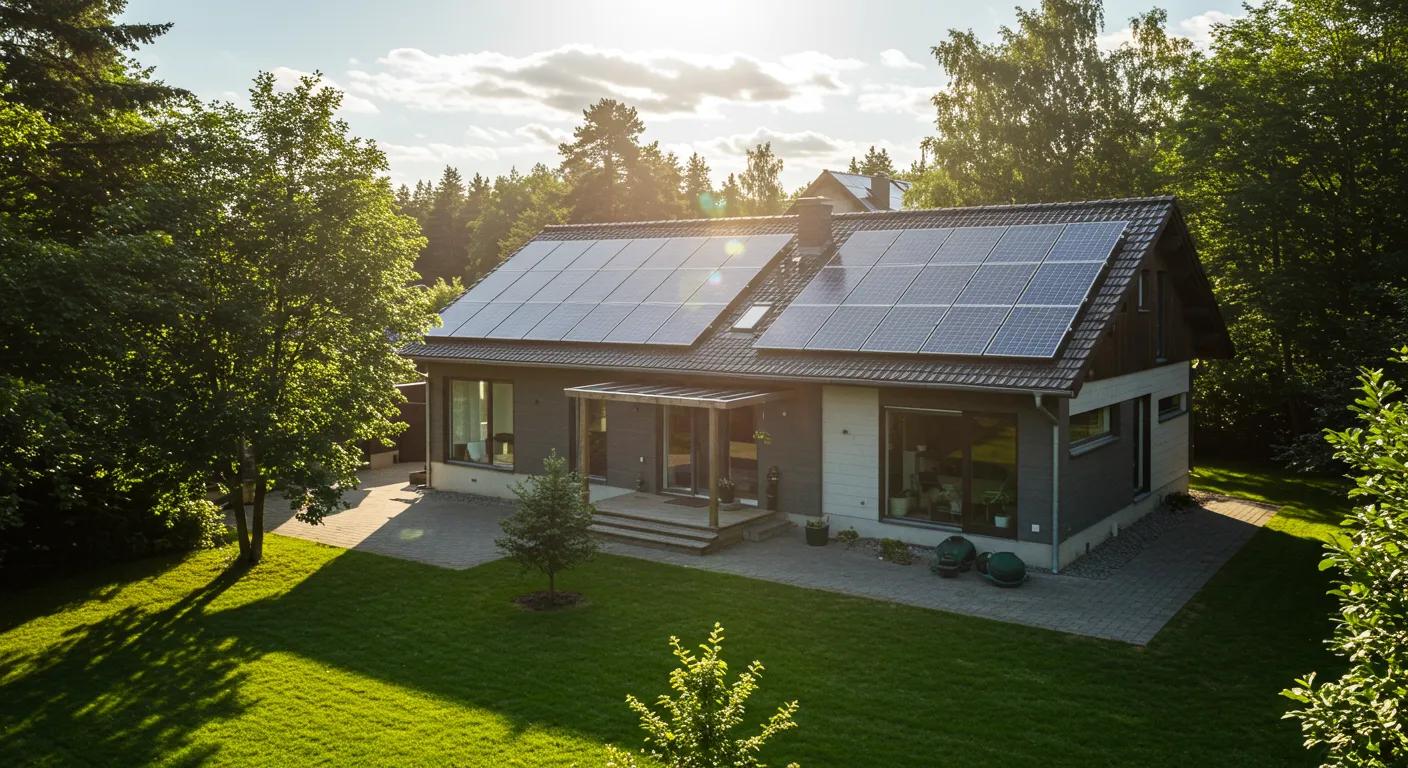
Energy bills can account for nearly a third of a homeowner’s monthly expenses, and a poorly maintained roof often drives those costs higher. By targeting leaks, gaps, damaged materials, and ventilation issues through roof repair energy efficient solutions, homeowners can lock in lower utility bills and a more comfortable indoor environment. This guide walks through what energy-efficient roof repair entails, the best materials and techniques, the role of attic insulation and ventilation, preparation for solar upgrades, Evernew Roofing’s proven approach, expected savings, and the first actionable steps toward a greener, cost-smart home.
What Is Energy-Efficient Roof Repair and Why Does It Matter?
Energy-efficient roof repair improves your home’s thermal performance by sealing air leaks, replacing worn components, and optimizing airflow to reduce heating and cooling loads.
Early intervention prevents minor damage from worsening and amplifying energy loss. Addressing roof defects directly targets the pathways where heat escapes in winter and enters in summer. Proper repair extends roof life and stabilizes indoor temperatures, translating into sustained energy savings and enhanced comfort.
How Does Roof Repair Improve Energy Efficiency?
A comprehensive roof repair service restores the roof membrane, seals penetrations, and reinstates insulation continuity to cut thermal bridging and drafts.
Key mechanisms include improved air tightness, restored R-value where insulation was compressed or displaced, and balanced ventilation that expels excess heat in summer and moisture in winter. Restoring these elements reduces HVAC runtime and energy costs.
What Common Roof Problems Cause Energy Loss?
- Damaged Shingles: Cracked or missing shingles expose the underlayment to heat transfer.
- Leaks and Gaps: Unsealed flashing around vents, chimneys, and skylights allow uncontrolled airflow.
- Poor Ventilation: Blocked soffit or ridge vents trap heat in the attic, increasing cooling loads.
- Compromised Insulation: Compressed or missing insulation plummets the attic’s R-value.
Addressing these issues restores the roof’s barrier function and sets the foundation for deeper energy-saving upgrades.
What Are the Benefits of Energy-Efficient Roof Repair?
- Cost Savings – Lower heating and cooling bills by 10–30%.
- Enhanced Comfort – Stable indoor temperatures and reduced draftiness.
- Increased Home Value – Energy upgrades boost resale appeal and ROI.
- Environmental Impact – Reduced carbon footprint from decreased energy consumption.
Together, these benefits justify the initial investment and deliver enduring value over the roof’s remaining service life.
Which Roofing Materials Offer the Best Energy Efficiency for Repairs?
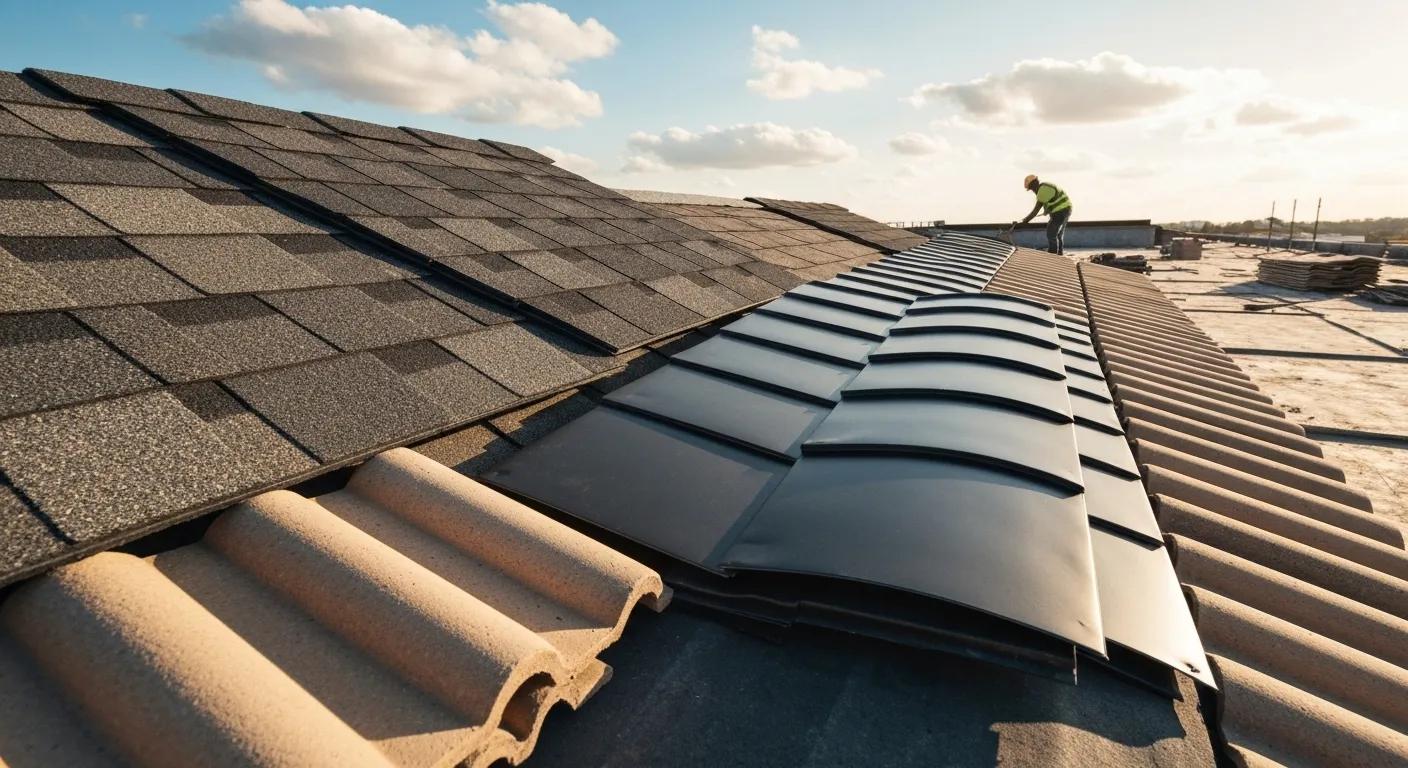
Energy-efficient roofing materials minimize heat gain and loss through high reflectance, thermal emittance, or superior insulation, directly impacting energy bills.
Choosing the right material during repair ensures long-term energy performance and aligns with sustainability goals. Below is a comparison of leading options.
Each material offers unique mechanisms—reflectivity, emissivity, or mass—to lower roof surface temperatures and reduce HVAC strain. Selecting a certified option ensures predictable, measurable savings and can qualify for rebates.
What Are Cool Roofs and How Do They Save Energy?
Cool roofs combine reflective coatings or light-colored materials to bounce sunlight away and emit absorbed heat. By boosting solar reflectance and thermal emittance, they can lower roof deck temperature by up to 50 °F, cutting cooling energy use by 10–20%.
These roofs slow heat transfer into attic spaces, reducing air conditioning runtime and improving indoor comfort during peak summer months.
Energy Savings from Cool Roofs
Cool roofs, which use reflective coatings or materials, can significantly reduce cooling energy use. Research indicates that these roofs can lower roof deck temperatures by up to 50°F, leading to a 10-20% reduction in cooling energy consumption. This is achieved by reflecting sunlight and emitting absorbed heat, thereby decreasing the strain on air conditioning systems.
This research supports the article’s claims about the energy-saving benefits of cool roofing materials.
How Do Metal, Asphalt Shingles, and Tile Compare for Energy Savings?
A side-by-side look clarifies their energy roles:
Understanding these values helps homeowners match material performance to local climate demands and energy goals.
What Role Does ENERGY STAR Certification Play in Roofing Materials?
ENERGY STAR certification ensures products meet strict reflectance and emittance thresholds verified by the EPA. Certified roofing lowers cooling costs, qualifies for incentives, and stands as a trusted marker of performance and quality.
Certification simplifies decision-making by guaranteeing a minimum energy benefit.
How Does Attic Insulation and Ventilation Affect Roof Energy Efficiency?
Attic insulation and proper ventilation prevent unwanted heat transfer, ensuring HVAC systems operate under optimal conditions and reducing overall energy consumption.
An integrated insulation-ventilation strategy sustains a stable attic temperature year-round and protects roof assemblies from moisture buildup.
What Types of Attic Insulation Improve Thermal Performance?
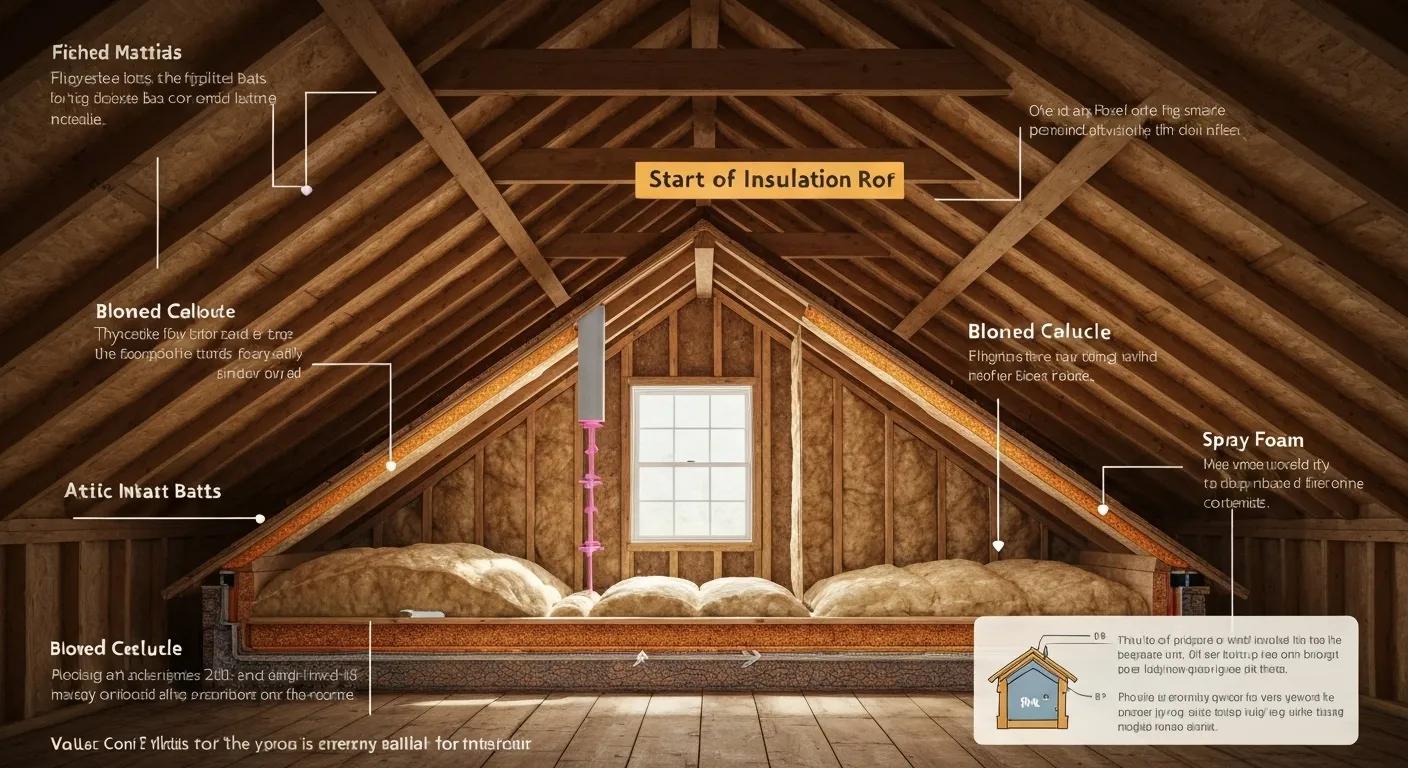
Before comparing types, note that R-value measures insulation resistance to heat flow. Higher R-value means better thermal protection.
Choosing the right type balances budget, coverage, and performance to achieve the target R-value for your climate zone.
How Does Proper Roof Ventilation Reduce Energy Costs?
Balanced ventilation uses soffit and ridge vents to maintain airflow, expelling hot, moist air in summer and preventing condensation in winter. This mechanism lowers attic temperatures by up to 30 °F, cutting cooling loads and protecting insulation integrity.
Continuous airflow also extends roof component life by limiting moisture-related damage.
What Is the Impact of Radiant Barriers on Roof Energy Efficiency?
Radiant barriers reflect up to 97% of radiant heat, installed along the attic underside to block heat transfer from the roof deck. This layer can reduce cooling energy use by 5–10% in hot climates and complement insulation for stronger thermal defense.
Combining insulation, ventilation, and radiant barriers creates a multi-layered roof system that maximizes energy performance.
How Can Roof Repair Prepare Your Home for Solar Energy Solutions?
A solar-ready roof incorporates structural reinforcement, optimal orientation, and preserved energy-saving layers to support future photovoltaic (PV) installation with minimal additional work.
Preparing now allows seamless integration of panels later, maximizing both roof and solar performance.
What Is a Solar-Ready Roof and Why Is It Important?
- Structural Integrity – Reinforced framing to handle PV weight.
- Undisturbed Insulation and Ventilation – Preserved R-values and airflow.
- Surface Condition – Smooth, defect-free decking for panel attachment.
This readiness minimizes future installation costs and protects the energy savings built into your repaired roof.
How Does Roof Repair Facilitate Future Solar Panel Installation?
By replacing damaged decking, upgrading underlayment, and ensuring consistent insulation and ventilation, roof repair energy efficient solutions create a stable foundation for solar arrays. A well-prepared roof eliminates rework, safeguards warranties, and synchronizes thermal protection with PV performance.
What Are the Long-Term Benefits of Combining Roof Repair with Solar Preparation?
- Integrated Energy Savings – Roof efficiency and solar generation compound utility reductions.
- Enhanced ROI – Lower solar installation costs yield faster payback.
- Incentive Synergy – Combined rebates and tax credits maximize financial support.
- Longevity – Coordinated maintenance extends both roof and solar system life.
Proactive roof preparation lays the groundwork for a future-ready, high-performance home.
What Makes Evernew Roofing the Expert Choice for Energy-Efficient Roof Repair?
Evernew Roofing provides proprietary diagnostic technology, certified installers, and a comprehensive energy-focused repair process that delivers measurable savings and lasting durability.
Their approach integrates advanced materials, systematic inspections, and clear performance benchmarks to exceed conventional repair standards.
How Does Evernew Roofing Approach Energy-Saving Roof Repairs?
- Thermal Imaging Audit – Pinpoints heat loss and moisture intrusion.
- Customized Repair Plan – Targets leaks, insulation deficits, and ventilation blockages.
- Premium Materials – Selected from our Atlas Catalog for high reflectance and durability.
- Performance Verification – Post-repair energy assessment to confirm savings.
This methodology ensures each home receives a tailored solution that aligns with energy-efficiency goals.
What Do Homeowners Say About Their Energy Savings After Repairs?
- 25% Reduction in Cooling Costs – In summer months after cool shingle and ventilation upgrades.
- 18% Lower Heating Bills – In colder seasons following insulation restoration.
- Enhanced Comfort – More consistent temperatures and fewer draft complaints.
These testimonials reflect real-world savings that validate our process.
What Warranty and Certifications Back Evernew Roofing’s Energy-Efficient Services?
- 10-Year Energy-Savings Guarantee – If projected savings are not met, additional adjustments are covered.
- Manufacturer Certifications – For all cool roof and insulation products.
- EPA-Recognized Installers – Certified under ENERGY STAR programs.
These credentials reinforce trust, relevance, and authority in every energy-focused repair.
How Much Can You Save on Energy Bills with Energy-Efficient Roof Repair?
Energy-efficient roof repair can reduce heating and cooling expenses by 10–30% depending on local climate, roof condition, and scope of upgrades.
Quantifying potential savings helps homeowners make informed investment decisions.
What Are Typical Energy Savings from Roof Repair and Upgrades?
Local climate dictates the proportion of savings in cooling versus heating, guiding targeted repair measures.
How Does Attic Insulation Contribute to Heating and Cooling Savings?
Adding or restoring attic insulation raises R-value to recommended levels, cutting heat transfer in both directions. Improved insulation alone can deliver 15–30% in combined HVAC energy savings, reinforcing the impact of roof repairs.
Benefits of Attic Insulation
Proper attic insulation plays a crucial role in reducing energy consumption. By adding or restoring insulation to recommended levels, homeowners can achieve substantial savings on their heating and cooling bills. Studies show that improved insulation can lead to a 15-30% reduction in combined HVAC energy costs, highlighting the importance of this element in energy-efficient roof repair.
This citation reinforces the article’s emphasis on the importance of attic insulation for energy efficiency.
Are There Rebates or Incentives for Energy-Efficient Roof Repairs?
Many homeowners qualify for:
- Federal Tax Credits – Up to 30% of material and labor costs.
- State and Utility Rebates – Vary by region for cool roof installations and insulation upgrades.
- Local Efficiency Programs – Low-interest financing or on-bill repayment options.
Leveraging incentives can significantly lower out-of-pocket investment and accelerate ROI.
What Are the First Steps to Take for Energy-Efficient Roof Repair?
Starting with a professional assessment and audit sets a clear path to targeted repairs that maximize energy savings and roof longevity.
These initial steps ensure repairs align with homeowner goals and performance expectations.
How to Conduct a Home Energy Audit Focused on Your Roof?
Engage a qualified auditor to perform:
- Blower Door Test – Measures overall home air tightness.
- Thermal Imaging – Identifies roof and attic heat anomalies.
- Insulation Inspection – Evaluates coverage and depth against climate standards.
The audit report highlights critical roof areas for repair, guiding cost-effective improvements.
When Should You Schedule a Professional Roof Inspection?
- Missing or damaged shingles.
- Ceiling stains or visible leaks.
- Uneven attic temperatures.
- Aging roof older than 15 years.
Timely inspections catch energy-sapping defects before they escalate into larger repairs.
How to Request a Consultation or Estimate from Evernew Roofing?
Homeowners can request an instant quote by visiting our online estimate form. Our team will analyze your audit findings, outline recommended repairs, and provide a transparent cost breakdown within one business day.
A detailed consultation ensures clear next steps toward a more efficient, comfortable home.
Evernew Roofing combines advanced diagnostics, certified materials, and proven installation methods to deliver energy-efficient roof repair solutions that lower utility bills, enhance comfort, and increase property value. Start with a professional audit, schedule a thorough inspection, and choose a trusted partner for measurable, long-lasting results. Don’t let roof issues drive up your energy costs—take action today and enjoy a greener, more efficient home.
Frequently Asked Questions
What are the signs that my roof needs energy-efficient repairs?
Common indicators that your roof may require energy-efficient repairs include visible damage such as missing or cracked shingles, leaks or water stains on ceilings, and noticeable drafts or uneven temperatures in your home. Additionally, if your energy bills have increased significantly without a change in usage, it may signal that your roof is not performing optimally. Regular inspections can help identify these issues early, allowing for timely repairs that enhance energy efficiency.
How can I choose the right roofing material for energy efficiency?
When selecting roofing materials for energy efficiency, consider factors such as solar reflectance, thermal emittance, and insulation properties. Materials like metal roofs, cool asphalt shingles, and clay tiles are known for their energy-saving capabilities. Look for ENERGY STAR certified products, as they meet strict performance standards. Additionally, consider your local climate and the specific energy needs of your home to ensure the best long-term performance and savings.
What is the role of ventilation in energy-efficient roofing?
Proper ventilation is crucial for energy-efficient roofing as it helps regulate attic temperatures, preventing heat buildup in the summer and moisture accumulation in the winter. Balanced ventilation systems, which include soffit and ridge vents, promote airflow, reducing the load on HVAC systems and enhancing overall energy efficiency. By maintaining optimal attic conditions, ventilation also extends the lifespan of roofing materials and insulation, contributing to long-term savings.
Are there specific maintenance tips to enhance roof energy efficiency?
To maintain and enhance your roof’s energy efficiency, regularly inspect for debris, such as leaves and branches, that can block ventilation. Clean gutters to prevent water damage and ensure proper drainage. Check for signs of wear or damage, and address any issues promptly. Additionally, consider periodic professional inspections to assess insulation and ventilation effectiveness, ensuring your roof continues to perform optimally and reduce energy costs.
How do I know if my attic insulation is sufficient?
To determine if your attic insulation is sufficient, check the R-value, which measures insulation effectiveness. The recommended R-value varies by climate zone, so consult local guidelines. Look for signs of compressed or missing insulation, which can significantly reduce effectiveness. A thermal imaging inspection can also reveal heat loss areas. If your insulation is below recommended levels or shows signs of wear, consider upgrading to improve energy efficiency and comfort.
What are the potential savings from energy-efficient roof repairs?
Energy-efficient roof repairs can lead to significant savings on heating and cooling costs, typically ranging from 10% to 30%, depending on factors like local climate and the extent of repairs. Homeowners in hot climates may see greater cooling savings, while those in colder areas may benefit more from heating savings. By investing in energy-efficient solutions, you not only reduce utility bills but also enhance your home’s comfort and value over time.
Can I combine roof repair with solar panel installation?
Yes, combining roof repair with solar panel installation is a smart approach. A well-maintained roof that is structurally sound and energy-efficient provides an ideal foundation for solar panels. Preparing your roof during repairs ensures it can support the weight of the panels and maintains optimal insulation and ventilation. This proactive strategy maximizes both energy savings from the roof and the solar system, leading to greater overall efficiency and reduced energy costs.
Conclusion
Investing in energy-efficient roof repair not only reduces your utility bills but also enhances your home’s comfort and value. By addressing common issues like leaks and poor insulation, you can achieve significant long-term savings and contribute to a more sustainable environment. Take the first step towards a greener home by scheduling a professional assessment today. Explore our services to discover how Evernew Roofing can help you maximize your energy efficiency.