

Professional Roof Quality Assessment Services Explained: Your Complete Guide to Home Roof Inspections and Benefits
A neglected roof can lead to water damage, structural decay, and costly repairs—but a professional roof quality assessment uncovers issues before they become emergencies. Homeowners gain clear insights into material integrity, flashing condition, and overall system health, while also learning how to extend their roof’s lifespan. This guide covers what a roof quality assessment entails, common problems identified, the benefits of regular inspections, Evernew Roofing’s advanced evaluation methods, report interpretation, next steps after assessment, and key homeowner questions about cost, warranties, and safety.
What Is a Professional Roof Quality Assessment and Why Is It Important?
A roof quality assessment is a comprehensive evaluation of a home’s roofing system that examines materials, structure, and potential damage to ensure long-term performance. By systematically inspecting shingles, flashing, gutters, decking, and ventilation, certified inspectors detect early signs of leaks, granule loss, and structural compromise, preventing small issues from evolving into major repairs. For example, identifying a minor flashing gap near a chimney can stop moisture intrusion and wood rot before it weakens roof framing. Understanding this assessment sets the stage for exploring its components and scheduling frequency.
What Does a Roof Quality Assessment Include?
A professional roof quality assessment includes the following core elements:
- Visual Exterior Inspection to check for cracked, curling, or missing shingles.
- Flashing and Gutter Review to evaluate metal seals around vents, chimneys, and roof edges.
- Attic and Interior Check for water stains, insulation condition, and ventilation performance.
- Structural Evaluation of decking integrity, eave overhangs, and support rafters.
- Mold, Algae, and Debris Assessment to spot biological growth and drainage obstacles.
- Detailed Photo Documentation with marked areas of concern and measurement notes.
These steps generate an unbiased condition report that provides homeowners with actionable repair or maintenance recommendations and paves the way to compare costs for fixes versus replacement.
How Does a Professional Roof Inspection Differ from DIY Checks?
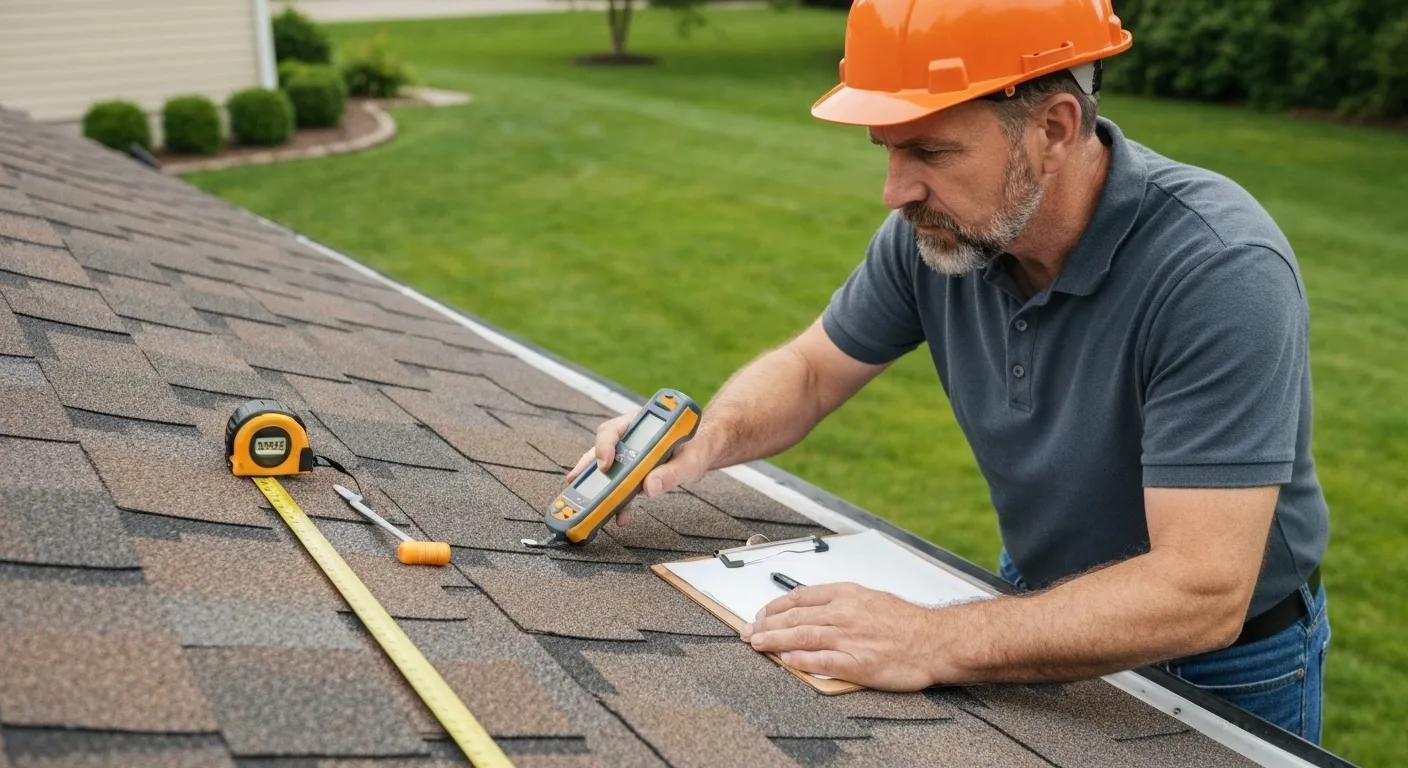
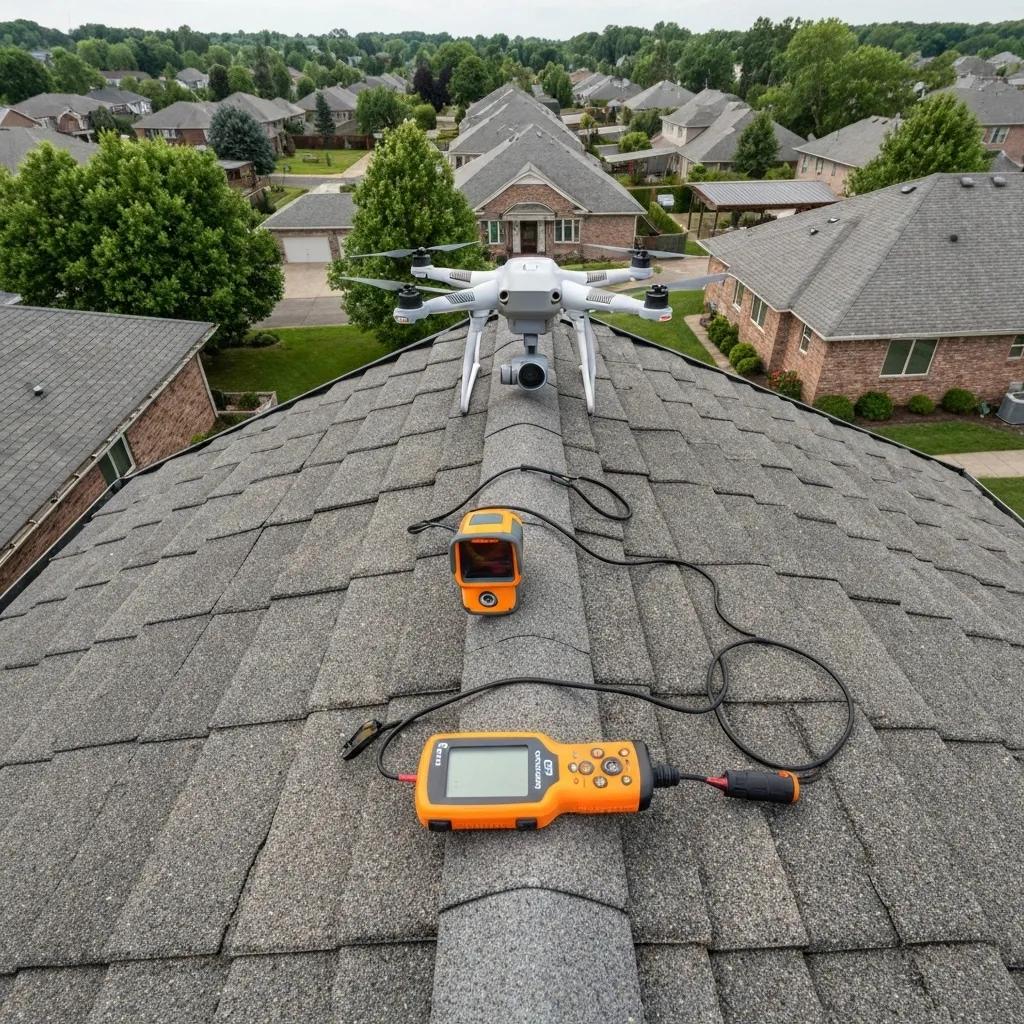
A professional inspection leverages certified expertise, specialized tools, and safety protocols, whereas DIY checks often miss hidden damage. Inspectors use binoculars, moisture meters, infrared cameras, and drones to catch roof deck saturation, insulation gaps, or underlayment faults—issues that simple rooftop walking or visual scans from a ladder can overlook. This advanced approach delivers a more accurate roof health diagnosis and ensures compliance with insurance and warranty requirements, unlike informal homeowner assessments.
How Often Should Homeowners Schedule Roof Assessments?
Homeowners should prioritize regular roof assessments to maintain the integrity and longevity of their roofing systems. Ideally, it is recommended that homeowners schedule a professional roof inspection at least once a year, especially in regions that experience severe weather conditions, such as heavy rain, snow, or high winds. These annual assessments help identify potential issues early, allowing for timely repairs that can prevent more extensive damage and costly replacements down the road. Additionally, it is wise for homeowners to conduct a visual inspection of their roofs after significant weather events to check for any visible signs of damage, such as missing shingles, cracks, or debris accumulation. Inspecting your roof once a year, ideally in spring or fall, plus after severe weather events, ensures timely detection of emerging problems.
- Annual Routine Check to maintain warranty compliance and track gradual wear.
- Post-Storm Evaluation after hail, heavy snow, or high winds to catch impact damage.
- Pre-Sale or Pre-Renewal Assessment when selling a home or renewing homeowner’s insurance.
Regular scheduling reduces long-term costs and reinforces system resilience, leading directly into understanding common problems identified during these assessments.
What Common Roof Problems Are Identified During Quality Assessments?
During quality assessments of roofs, various common problems can be identified that may compromise the structure’s integrity and performance. One of the most frequently encountered issues is the presence of cracked or missing shingles. Shingles serve as the first line of defense against environmental factors, and any damage can lead to water infiltration, potentially resulting in leaks and extensive damage to the underlying materials. Other problems include curling or buckling shingles, which often signify aging or poor installation practices. Quality assessments often reveal issues related to inadequate flashing around chimneys, vents, and walls; when flashing upgrades are not correctly performed, it can create vulnerable points prone to leaks. Professional assessments consistently reveal wear patterns and damage types that compromise roof integrity, such as leaks, granule loss, and flashing failures. By cataloging these issues early, homeowners prevent secondary problems like mold growth or structural rot. The following table outlines primary roof problems and their potential impacts.
Early diagnosis of these conditions informs precise repair work, which leads us to how to detect each problem category in detail.
How to Detect Roof Leaks and Water Damage Early
Detecting roof leaks and water damage early is crucial for homeowners to prevent more extensive and costly repairs in the future. The process begins with regular inspections of both the interior and exterior of the home. Homeowners should look for visible signs of water intrusion, such as discoloration or staining on ceilings and walls, which can signal a potential leak. It’s also essential to inspect the attic for any signs of moisture or mold, as these can indicate that water is finding its way through the roof. Additionally, checking the roof itself, especially after severe weather events, can help identify damaged shingles, cracked flashing, or blocked gutters that could lead to water accumulation and leakage. Homeowners can spot early signs of water intrusion by watching for:
- Yellow or brown stains on ceilings or attic walls.
- Damp insulation layers and mold odor in the attic space.
- Warped or discolored fascia boards under eaves.
Identifying these symptoms promptly helps schedule targeted repairs before structural components suffer irreversible damage.
What Are the Signs of Shingle Damage: Cracks, Curling, and Granule Loss?
Shingle damage is a common concern for homeowners, as it can lead to serious issues if not addressed promptly. Recognizing the signs of aging or damaged shingles is crucial for maintaining the integrity of a roof. One of the most immediate indicators of shingle damage is the presence of cracks. These splits can occur due to extreme temperature fluctuations or natural wear over time. Cracked shingles can allow water to seep beneath the surface, leading to leaks and further structural damage. Homeowners should regularly inspect their roofs for any visible cracks, as this can signal the need for repair or replacement. Assessing shingle condition involves looking for:
- Split or fractured shingle tabs along edges or seams.
- Upturned shingle corners indicating wind lift risk.
- Exposed dark felt or bald spots where granules have worn away.
Recognizing these visual cues prevents UV and moisture from degrading the roof deck beneath.
How Do Flashing and Gutter Issues Affect Roof Integrity?
Flashing around chimneys, vents, and valleys channels runoff away from vulnerable junctures, while gutters direct water off the structure. When flashing sealants crack or gutters clog, water can pool and penetrate under shingles. A clear drainage path and intact flashing protect decking materials, avoid ice dam formation in winter, and maintain attic dryness.
What Structural Roof Problems and Storm Damage Should Homeowners Watch For?
When it comes to protecting a home, understanding potential structural roof problems and storm damage is essential for homeowners. A roof is not just a protective barrier; it plays a critical role in the overall integrity of the house. Homeowners should be vigilant about signs of wear and tear, which can manifest in several ways. Common issues include sagging roofs, cracked shingles, and excessive granule loss, which may indicate that the roof is nearing the end of its lifespan. Additionally, homeowners should keep an eye out for leaks, stains on ceilings or walls, and any visible signs of mold or mildew, all of which can signal compromised structural integrity. Storms can bend roofing nails, puncture decking, or loosen fasteners. Look for:
- Displaced ridge caps or warped rafters.
- Scorch marks or granule clusters indicating hail impact.
- Gutter damage from wind-thrown debris.
Addressing structural and storm-related defects promptly preserves overall stability and safety.
What Are the Key Benefits of Regular Roof Quality Assessments for Homeowners?
Regular roof quality assessments are an essential aspect of homeowners’ maintenance routines, providing a multitude of benefits that extend beyond mere aesthetics. First and foremost, these assessments play a critical role in prolonging the lifespan of the roof. By identifying wear and tear, potential leaks, or damage from environmental factors such as strong winds, heavy rain, or hail, homeowners can address issues before they escalate into costly repairs or replacements. Additionally, a well-maintained roof contributes to better energy efficiency within the home. Many homeowners may not realize that an aging or damaged roof can lead to significant energy loss, resulting in higher utility bills. Routine evaluations ensure that insulation and ventilation are working optimally, ultimately keeping the home comfortable year-round and reducing energy expenditures.
Moreover, regular roof assessments can enhance the overall safety and value of the property. A compromised roof not only poses risks to the structural integrity of the home but can also jeopardize the safety of its occupants. Water leaks can lead to mold growth and other health hazards, making it imperative to catch such issues early through thorough inspections. From a financial perspective, a well-maintained roof increases property value, which is particularly important for homeowners looking to sell. A potential buyer is more likely to invest in a home that shows signs of regular upkeep, including a robust roof with no visible signs of damage. In summary, consistent roof quality assessments serve as a proactive approach that not only safeguards the home’s integrity but also enhances energy efficiency, safety, and resale potential.

Regular assessments empower homeowners with insights that translate into savings, safety, and enhanced property value. By detecting small issues early, a roof assessment service prevents major repairs, prolongs material life, and upholds warranty conditions. These advantages support a homeowner’s decision-making process and reinforce long-term investment protection.
How Do Roof Inspections Save Money by Preventing Costly Repairs?
Regular roof inspections are a proactive measure that can save homeowners significant amounts of money in the long run by preventing costly repairs. Roofs are subject to wear and tear from various environmental factors such as harsh weather conditions, UV exposure, and the accumulation of debris. Without regular inspections, minor issues like small leaks or damaged shingles can go unnoticed. These seemingly inconsequential problems can escalate over time, leading to extensive water damage, structural deterioration, and the need for major repairs or even roof replacement. By investing in periodic roof inspections, homeowners can identify and address these minor issues early, ultimately extending the lifespan of their roofs and mitigating larger expenses. Scheduled inspections identify minor leaks or loose shingles before water damage spreads, avoiding extensive roof deck replacement. Preventative maintenance typically costs 20-50% of a full repair or replacement project, delivering clear budgetary benefits.
How Can Assessments Extend Your Roof’s Lifespan and Protect Warranties?
Regular assessments of a roof play a crucial role in prolonging its lifespan and ensuring that warranties remain valid. By conducting periodic inspections, homeowners can identify minor issues before they escalate into significant problems. These assessments typically involve a comprehensive evaluation of the roof’s condition, including checking for signs of wear and tear, water damage, and structural integrity. Early detection of issues, such as leaks or damaged shingles, allows for timely repairs that can prevent further deterioration and ultimately extend the roof’s lifespan. Routine assessments not only enhance the roof’s performance and durability but also offer peace of mind, knowing that potential problems are being addressed proactively. Routine evaluation ensures compliance with manufacturer guidelines for maintenance intervals, keeping warranties valid. Timely shingle replacement and sealant renewal can extend a roof system’s service life by 5–10 years, maximizing return on investment.
How Do Roof Assessments Ensure Home Safety and Increase Property Value?
Roof assessments play a crucial role in maintaining the safety and integrity of a home while simultaneously enhancing its market value. These assessments involve a thorough inspection of the roofing system, identifying any signs of wear, damage, or potential vulnerabilities that could lead to costly repairs if left unresolved. By addressing issues such as leaks, shingle deterioration, or structural weaknesses early on, homeowners can prevent more significant problems from arising. This proactive approach not only safeguards the property and its occupants but also ensures that the home remains compliant with safety standards and building codes. Consequently, a well-maintained roof becomes a critical factor in real estate transactions, often influencing buyer interest and confidence. A structurally sound roof resists storm forces, protects indoor air quality by preventing mold, and enhances curb appeal. Certified condition reports demonstrate transparency to buyers, boosting resale value by signaling a well-maintained home.
How Does Evernew Roofing Conduct Advanced Roof Quality Assessments?
Evernew Roofing employs a comprehensive approach to advanced roof quality assessments, ensuring that each evaluation is thorough and precise. The process begins with a meticulous visual inspection, where trained professionals examine the roof’s surface, looking for signs of wear, damage, or potential issues such as leaks and structural integrity concerns. Utilizing high-definition cameras and drones for aerial views, they can assess hard-to-reach areas without compromising safety. This advanced technology allows their team to capture detailed images and data that are integral to forming an accurate assessment of the roof’s condition.
Following the visual inspection, Evernew Roofing employs specialized tools and techniques to conduct further evaluations. Infrared thermography is one such method that detects temperature variations in roofing materials, helping to identify moisture accumulation that may be invisible to the naked eye. Additionally, they may utilize moisture meters to gauge the dampness in roofing materials, which is critical in determining the likelihood of mold growth and the need for repairs. After gathering all critical data, the team compiles a comprehensive report that details their findings, providing clients with a clear understanding of their roof’s current state and any recommended actions moving forward. This commitment to detail and use of cutting-edge technology underscores Evernew Roofing’s dedication to delivering top-notch service and ensuring the longevity of their clients’ roofs.
Evernew Roofing provides professional roof quality assessment services that combine certified inspector expertise with cutting-edge technologies. A unified process ensures comprehensive system diagnostics, actionable recommendations, and seamless transition to repairs or replacement.
What Technologies Are Used in Modern Roof Inspections: Drones, AI, and Thermal Imaging?
In the rapidly evolving field of roofing, modern inspections have embraced innovative technologies that enhance accuracy, efficiency, and safety. One of the leading technological advancements is the use of drones. Equipped with high-resolution cameras and advanced imaging capabilities, drones can quickly and safely survey rooftops from various angles without the need for scaffolding or ladders. This aerial perspective allows roofing professionals to identify issues such as leaks, damage, or structural concerns more effectively than traditional inspection methods. Additionally, drones can cover large areas in a fraction of the time, making them an invaluable tool for both residential and commercial roofing inspections. Modern inspections leverage multiple tools:
Who Are the Certified Roof Inspectors at Evernew Roofing?
At Evernew Roofing, the team of certified roof inspectors stands as a testament to the company’s commitment to quality and excellence in roofing services. These professionals are not only well-versed in various roofing materials and systems but also bring extensive experience and training to their roles. Every inspector at Evernew Roofing has completed rigorous certification processes, ensuring they possess the necessary skills to accurately assess roof conditions, identify potential issues, and recommend the best course of action for repairs or maintenance. This specialized training includes knowledge of both residential and commercial roofing, helping them to cater to a diverse clientele with varying needs. Evernew Roofing’s inspection team comprises licensed roofing contractors and certified home inspectors with National Roof Certification Program credentials. Each inspector maintains continuing education on new materials, codes, and safety procedures, ensuring reliability and professional integrity.
What Is the Step-by-Step Roof Assessment Process at Evernew Roofing?
- Schedule a site visit and homeowner consultation to review roof history.
- Perform exterior drone or ladder inspection, noting material wear and structural issues.
- Conduct attic and interior evaluation with moisture meters and thermal imaging.
- Compile findings into a detailed condition report with prioritized recommendations.
- Review results with homeowners, outline repair vs. replacement options, and provide an instant roof assessment quote.
This transparent process builds trust and guides efficient follow-through on necessary services.
How Can Homeowners Understand and Use Their Roof Quality Assessment Reports?
Homeowners looking to understand and utilize their roof quality assessment reports must first recognize the importance of these documents. A roof quality assessment outlines the condition of a roof, highlighting any areas that may require maintenance or repair. The report typically includes details about the roof’s age, materials used, and any signs of damage or wear, such as leaks or missing shingles. By familiarizing themselves with these factors, homeowners can gain valuable insights into the longevity of their roofing system and make informed decisions about necessary repairs or upgrades. Understanding the terminology used in the report, while working with qualified roofing professionals, is essential to accurately interpret the findings and implications of the assessment.
To effectively use the roof quality assessment report, homeowners should take a proactive approach. This involves prioritizing any recommended actions outlined in the report, such as scheduling repairs or maintenance in a timely manner to prevent further damage. Homeowners can also utilize the information within the report to set aside a budget for future roofing needs, whether it be significant repairs or complete roof replacement. Moreover, having a clear understanding of the roof’s condition assists homeowners in communicating with contractors or insurance adjusters, ensuring that they are well-informed advocates during discussions about potential repairs or claims. Ultimately, being knowledgeable about the roof quality assessment report empowers homeowners to protect their investment and maintain the structural integrity of their homes. Assessment reports bundle observations, photos, and recommendations into a clear roadmap for maintenance, repair, or replacement. Proper interpretation empowers homeowners to allocate budget, plan projects, and negotiate with contractors or insurers.
What Information Is Included in a Roof Assessment Report?
A roof assessment report is a comprehensive document that details the condition of a roof, providing valuable insights for homeowners, property managers, and real estate professionals. Typically prepared by a qualified roofing inspector, the report includes key information such as the age of the roof, the materials used in its construction, and its overall functionality. The assessment may also document any visible signs of damage, such as cracks, leaks, or missing shingles, along with photographs that illustrate these issues. Furthermore, the report often outlines potential concerns that could arise in the future, enabling property owners to anticipate necessary repairs or maintenance. A standard report contains:
- Executive summary of overall roof condition.
- Photo-annotated damage catalog.
- Estimated remaining service life.
- Repair priority list and cost estimates.
- Compliance notes for warranties and insurance.
These components create a single reference document that anchors decision-making.
How to Interpret Findings and Recommendations for Repairs or Replacement
Interpreting findings and recommendations for repairs or replacements is a critical process that requires a keen understanding of both the data presented and the specific context in which the repairs are needed. When professionals assess the condition of a structure or system, they typically utilize a range of diagnostic tools and methodologies to gather data. This information may reveal underlying issues, such as structural weaknesses, wear and tear, or system inefficiencies. It’s essential for the reader to approach these findings with an analytical mindset, looking beyond the surface-level details to understand the potential implications of the identified problems. Prioritizing issues based on severity and urgency is a key aspect of this interpretation, as it can significantly influence the decision-making process regarding the necessary course of action. Homeowners should match recommended actions to report priorities, distinguishing between immediate fixes (e.g., sealing leaks) and long-term investments (e.g., full re-roof). Reviewing cost estimates alongside material catalogs helps balance budget with desired performance and aesthetics.
How Does the Report Help in Making Informed Roofing Decisions?
When it comes to making informed roofing decisions, a comprehensive roofing report serves as a vital tool for homeowners and property managers alike. This report typically includes detailed assessments of the roof’s condition, material specifications, and potential wear and tear. By presenting clear and concise analysis, it empowers decision-makers to understand the current state of their roofing system, estimate its remaining lifespan, and recognize any necessary repairs or upgrades. This resource not only highlights existing issues but often provides insights into the best practices for maintenance and the implications of neglecting certain elements. In this way, it fosters proactive management, helping to prevent small problems from evolving into costly repairs. By detailing material conditions and projected lifespans, the report links inspection data to lifecycle planning. It supports negotiations for insurance claims, clarifies scope for contractors, and guides material selection from trusted sources.
What Are the Next Steps After a Roof Quality Assessment?
After completing a roof quality assessment, homeowners often find themselves pondering the next steps to ensure the longevity and safety of their investment. The first crucial step is to thoroughly review the assessment report provided by the roofing professional. This document typically outlines the current condition of the roof, highlights any areas of concern, and may recommend specific actions tailored to address those issues. By understanding the findings, homeowners can better grasp whether immediate repairs are necessary, if a complete replacement is warranted, or if routine maintenance will suffice to prolong the life of their roof.
Once the assessment is reviewed, it’s essential for homeowners to create a prioritized action plan based on the recommendations. This may involve scheduling repairs for damaged shingles, addressing ventilation issues, or planning for a more substantial renovation if the roof is nearing the end of its useful life. Homeowners should also consider budgetary implications, exploring insurance options, or financing plans if significant repairs or replacements are required. Additionally, reaching out to multiple roofing contractors for quotes and timelines can help homeowners make informed decisions. Educating themselves about roofing materials and maintenance practices will not only facilitate better communication with contractors but will also empower homeowners to take an active role in the care and upkeep of their roofs in the future. After receiving a condition report, homeowners decide between targeted repairs, full replacement, or ongoing maintenance plans. This phase transforms insights into action, ensuring the roof continues to protect the home effectively.
When Should You Choose Roof Repair vs. Replacement?
When it comes to maintaining the integrity of a home, understanding the differences between roof repair and replacement is crucial. Homeowners often face the dilemma of whether to patch up existing issues or invest in a completely new roof. The decision typically hinges on several factors, including the age of the roof, the extent of the damage, and the long-term goals for the property. A professional inspection can be invaluable in this regard, as it provides insight into the overall condition of the roof and highlights specific areas of concern. Generally, if the roof is relatively new and the damage is localized—such as a few missing shingles or minor leaks—a repair may be sufficient. Quick interventions can prolong the roof’s lifespan and avert more costly issues down the line.
However, if a roof shows signs of significant deterioration or is approaching the end of its lifespan, replacement should be seriously considered. Indicators such as widespread leaks, sagging, or aged materials can signal that the roof is beyond salvage. Furthermore, modern roofing materials offer improved durability and energy efficiency, making replacement not only a repair action but an investment in the home’s future. Once again, consulting with roofing professionals can help homeowners assess the situation accurately and determine the most cost-effective and beneficial course of action. Ultimately, understanding when to repair versus when to replace can lead to better long-term outcomes and enhance the value of a property. Repair is ideal when damage is localized—such as a few missing shingles or small flashing gaps—while full replacement makes sense if over 30% of the roof shows advanced deterioration or if underlayment has failed. Matching the scope to the report’s severity ratings ensures cost-effective outcomes.
How to Use the Atlas Roofing Products Catalog to Select Roofing Materials After Assessment
Using the Atlas Roofing Products Catalog effectively requires a systematic approach, particularly following an assessment of one’s roofing needs. After evaluating the specific requirements of a roofing project—such as the climate, building style, and budget—homeowners and contractors can turn to the catalog for guidance. The first step is to familiarize oneself with the range of products Atlas offers, which includes shingles, underlayments, ventilation options, and accessories. Each section of the catalog provides detailed specifications, including material compositions and performance ratings, allowing users to compare products based on their unique needs. Homeowners can explore the Atlas Roofing Products Catalog to compare shingle styles, performance ratings, and warranty terms. Reviewing product specifications and benefits side by side simplifies selecting materials aligned with inspection recommendations and aesthetic preferences.
How to Request an Instant Roof Assessment Quote from Evernew Roofing
Evernew Roofing has streamlined the process for homeowners seeking an instant roof assessment quote, ensuring that obtaining essential information about roofing needs is both quick and uncomplicated. To begin, interested parties should visit the Evernew Roofing website, where they’ll find a user-friendly interface that guides them through the initial request process. Visitors can typically locate a prominent “Get a Quote” button, which, when clicked, directs them to a brief form asking for basic details such as the type of roofing services required, the size of the property, and any specific concerns or issues related to the existing roof. To move from evaluation to service, homeowners can request an instant roof assessment quote. This quick online form provides tailored pricing based on roof size, material type, and inspection findings, enabling fast project planning and scheduling.
Frequently Asked Questions
What should I do if my roof assessment report indicates urgent repairs?
If your roof assessment report highlights urgent repairs, it’s crucial to act quickly to prevent further damage. Start by contacting a qualified roofing contractor to discuss the findings and get estimates for the necessary repairs. Prioritize issues that could lead to leaks or structural damage, such as compromised flashing or significant shingle loss. Addressing these problems promptly can save you from more extensive and costly repairs down the line.
How can I maintain my roof between professional assessments?
To maintain your roof between professional assessments, conduct regular visual inspections, especially after severe weather. Clear debris from gutters and downspouts to ensure proper drainage, and check for any visible signs of damage, such as cracked shingles or rusted flashing. Additionally, keep an eye on your attic for signs of moisture or mold, as these can indicate roof issues. Regular maintenance can help extend the lifespan of your roof and reduce the need for costly repairs.
Are there specific seasons that are better for roof assessments?
Yes, the best times for roof assessments are typically in the spring and fall. Spring assessments can identify any winter damage, such as leaks or ice dam issues, while fall inspections prepare your roof for winter weather. Additionally, scheduling assessments after severe weather events, like heavy storms or hail, is essential to catch any damage early. Regular seasonal checks help maintain roof integrity and ensure it can withstand changing weather conditions.
What are the long-term benefits of investing in regular roof assessments?
Investing in regular roof assessments offers numerous long-term benefits, including early detection of issues that can prevent costly repairs. Regular inspections can extend the lifespan of your roof by ensuring timely maintenance and compliance with warranty requirements. Additionally, a well-maintained roof enhances your home’s curb appeal and can increase property value. Ultimately, proactive assessments contribute to peace of mind, knowing your home is protected from potential roof-related problems.
How do I choose the right roofing materials after an assessment?
Choosing the right roofing materials after an assessment involves considering the recommendations in your inspection report, your budget, and your aesthetic preferences. Review the Atlas Roofing Products Catalog to compare different materials, their performance ratings, and warranty options. It’s also beneficial to consult with your roofing contractor, who can provide insights based on your roof’s specific needs and local climate conditions. Selecting the right materials ensures durability and longevity for your roof.
Can roof assessments help with insurance claims?
Yes, roof assessments can significantly aid in insurance claims. A detailed assessment report provides documentation of your roof’s condition, which is essential for filing claims related to storm damage or other covered incidents. Insurers often require proof of regular maintenance and inspections to validate claims. By having a professional assessment, you can ensure that your claim is supported by credible evidence, increasing the likelihood of a successful outcome.
What should I expect during a roof quality assessment?
During a roof quality assessment, you can expect a thorough inspection of your roofing system, including visual checks of shingles, flashing, gutters, and structural components. Inspectors will use specialized tools, such as drones and thermal cameras, to identify hidden issues. After the inspection, you will receive a detailed report outlining the condition of your roof, any identified problems, and recommended actions. This comprehensive approach ensures you have a clear understanding of your roof’s health and necessary next steps.
How Much Does a Professional Roof Inspection Cost?
When considering the cost of a professional roof inspection, homeowners often find that prices can vary significantly based on various factors. On average, a standard roof inspection can range from $100 to $500. The price typically depends on the size and complexity of the roof, as well as the inspector’s experience and reputation. For instance, larger homes or those with multi-layered or complex roofing systems may attract higher fees due to the additional time and expertise required for a thorough assessment. Additionally, geographical location plays a role, with urban areas potentially seeing higher costs compared to rural settings. Inspection fees typically range from $150 to $400, depending on roof complexity, square footage, and required technology such as drones or thermal scans. Evernew Roofing’s instant quote tool offers precise pricing tailored to each property’s characteristics.
Can I Inspect My Own Roof or Should I Hire a Professional?
When considering whether to inspect a roof independently or hire a professional, it’s important to weigh the advantages and disadvantages of each approach. Performing a DIY roof inspection can be a viable option for those with basic knowledge of roofing systems and safety precautions. Homeowners who are comfortable with heights and have a good understanding of roofing materials can potentially save money by examining their roofs for visible issues such as missing shingles, minor leaks, or signs of wear. Conducting regular inspections allows homeowners to catch small problems before they escalate, ultimately prolonging the lifespan of their roof. While basic visual checks can identify obvious issues, professionals leverage specialized equipment, safety protocols, and industry training to uncover hidden defects—providing comprehensive reports that meet insurance and warranty requirements.
What Are the Signs of a Bad Roof That Require Immediate Assessment?
A roof serves as the first line of defense against harsh weather elements, making its integrity crucial for any home. Homeowners must remain vigilant for signs of a deteriorating roof that could compromise the safety and comfort of their living space. One of the most apparent indicators of a bad roof is the presence of water stains or mold on ceilings and walls. These stains signal that water is penetrating through the roof, potentially leading to hidden damage within the structure and insulation. Furthermore, if homeowners notice curling or missing shingles, this may indicate that the roof’s protective layer has been compromised, making it susceptible to leaks and further deterioration. Urgent indicators include active leaks, sagging deck lines, extensive shingle granule loss, severe wind damage, and mold growth in attic spaces. Spotting these early prompts swift action and prevents collateral damage.
How Do Roof Inspections Protect My Insurance and Warranty Coverage?
Insurance policies and manufacturer warranties often mandate periodic professional inspections to remain valid. An official roof quality assessment report documents compliance, ensuring coverage for storm claims and honoring material guarantees. A proactive roof quality assessment service from Evernew Roofing offers homeowners trust, safety, and long-term savings. By identifying issues early and delivering clear action plans, assessments optimize maintenance budgets and extend roof lifespans. Integrating advanced inspection technologies with certified expertise, Evernew Roofing guides each homeowner through inspection, report interpretation, material selection, and prompt repair or replacement—transforming roof care into a seamless, confident process.