

The Importance of Roof Performance Testing: Benefits and Methods for Homeowners
Roof performance testing services provide homeowners with objective assessments of their roof’s durability, safety, and energy efficiency. By identifying vulnerabilities before they become costly issues, this evaluation lays the foundation for proactive protection and informed decisions. This guide explores five key homeowner benefits, the main categories of performance tests, detailed methods for wind uplift and leak detection, the role of certifications, energy-efficiency assessments, and actionable insights for repair or replacement decisions. Homeowners will discover how expert testing enhances safety, reduces energy bills, and delivers peace of mind—all while learning how Evernew Roofing can support these efforts through reliable inspections and competitive quotes. For a fast estimate on comprehensive roof evaluation, explore “Get an Instant Roofing Quote – Evernew Roofing.”
What Are the Key Benefits of Roof Performance Testing for Homeowners?
Roof performance testing evaluates structural integrity, weather resistance, and thermal performance to uncover hidden weaknesses in residential roofing systems. By measuring a roof’s ability to withstand wind, fire, hail, and moisture, this process prevents premature failure and aligns maintenance efforts with actual conditions. For example, a wind uplift assessment might reveal inadequate adhesion that could lead to shingle loss during storms.
Homeowners gain clear advantages:
- Enhanced safety through verification of structural soundness against environmental stressors.
- Energy savings by pinpointing insulation gaps and ventilation issues that drive up HVAC costs.
- Early detection of leaks and defects to avoid expensive repairs or full replacements.
- Increased property value with certified performance ratings that reassure buyers and insurers.
- Peace of mind from professional documentation showing a roof’s readiness for extreme weather.
These benefits set the stage for examining how specific testing protocols address safety and efficiency challenges.
How Does Roof Testing Enhance Home Safety and Structural Integrity?
Roof performance assessments verify that decking, underlayment, fasteners, and flashing meet required load-bearing and impact standards. By simulating wind uplift and hail impact, tests identify weak components before storms expose them. A certified wind uplift report, for instance, confirms compliance with local building codes and reduces the risk of roof blow-off, preventing water intrusion and structural collapse. This assurance of solidity leads naturally into energy considerations.
In What Ways Can Roof Testing Lead to Energy Savings?
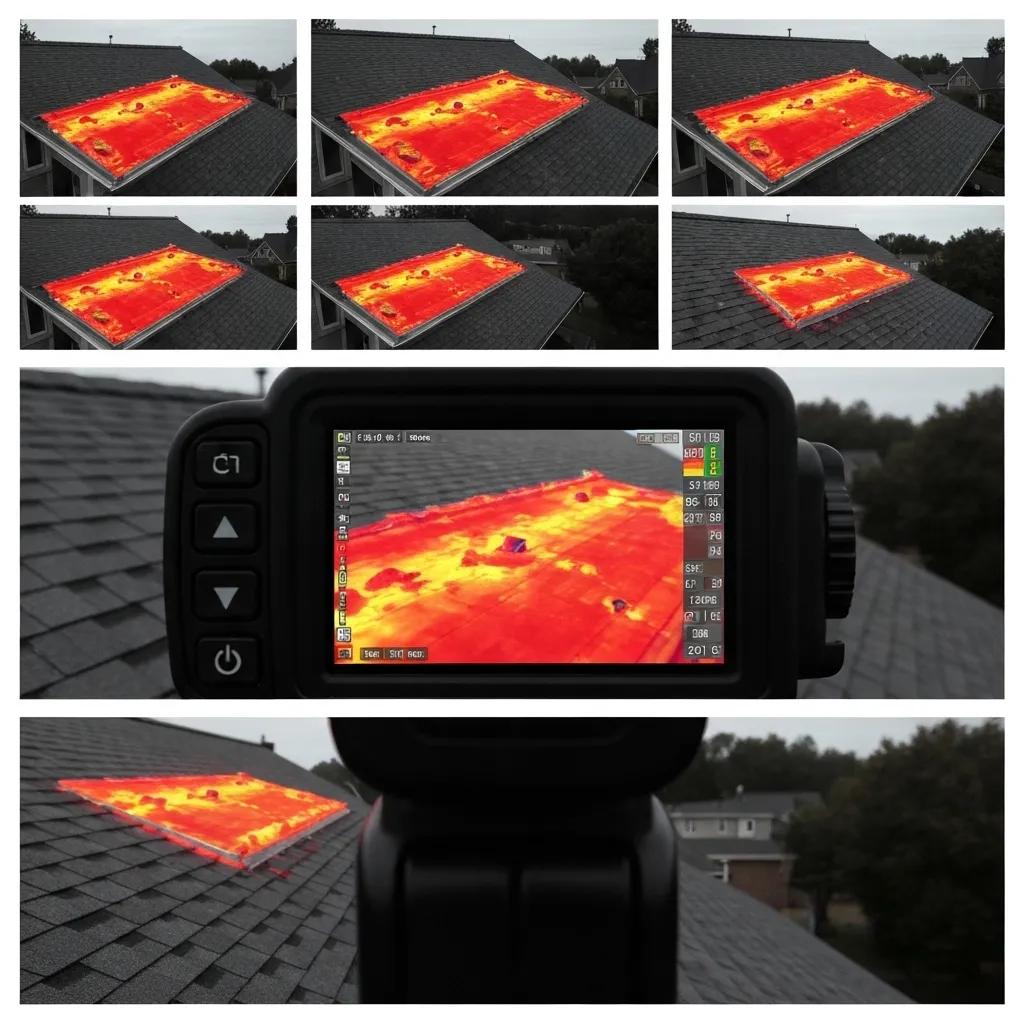
Thermal scans and reflective surface measurements quantify heat transfer and solar reflectance, revealing areas where insulation or cool-roof coatings are lacking. Detecting improperly ventilated attics or degraded underlayment prevents energy waste and can reduce cooling expenses by up to 15%. When a roof’s emissivity and reflectance meet ENERGY STAR® thresholds, homeowners enjoy measurable savings on monthly utility bills. Improving thermal performance also extends roof lifespan by moderating temperature extremes, which ties directly into cost-avoidance benefits.
How Does Roof Performance Testing Help Prevent Costly Repairs?
Regular roof evaluations catch early signs of membrane deterioration, flashing separation, or nail pops that allow moisture penetration. By resolving minor defects before they escalate, homeowners avoid the compounding damage of rot, mold, and structural decay. For example, air-pressure tests that detect hidden leaks can prevent attic framing damage that might otherwise require major restoration. Addressing these issues promptly reduces overall maintenance budgets and insurance claims, paving the way for stress-free homeownership.
Why Does Roof Testing Provide Peace of Mind for Homeowners?
Knowing that a professional inspection has verified a roof’s resilience against wind, precipitation, and thermal stress brings confidence in home protection. Detailed performance reports serve as documented evidence for insurance policies and real estate appraisals, ensuring fair coverage and resale value. This reassurance of continuous reliability underpins long-term comfort and financial stability, guiding homeowners toward the right timing for maintenance or replacement.
What Are the Main Types of Roof Performance Tests?
Roof performance tests encompass a range of assessments designed to evaluate a roof’s response to environmental forces, moisture intrusion, fire exposure, hail impact, and energy dynamics. Each test targets a specific failure mode, ensuring comprehensive coverage of durability and comfort factors. For instance, wind uplift testing measures suction forces while fire resistance testing rates flame spread—together they reveal a roof’s all-around readiness.
[Wind Uplift Testing Standards]
The table above clarifies how each category addresses a vital attribute of roofing performance and sets the stage for deeper dives into individual methods.
How Is Residential Roof Wind Uplift Testing Conducted?
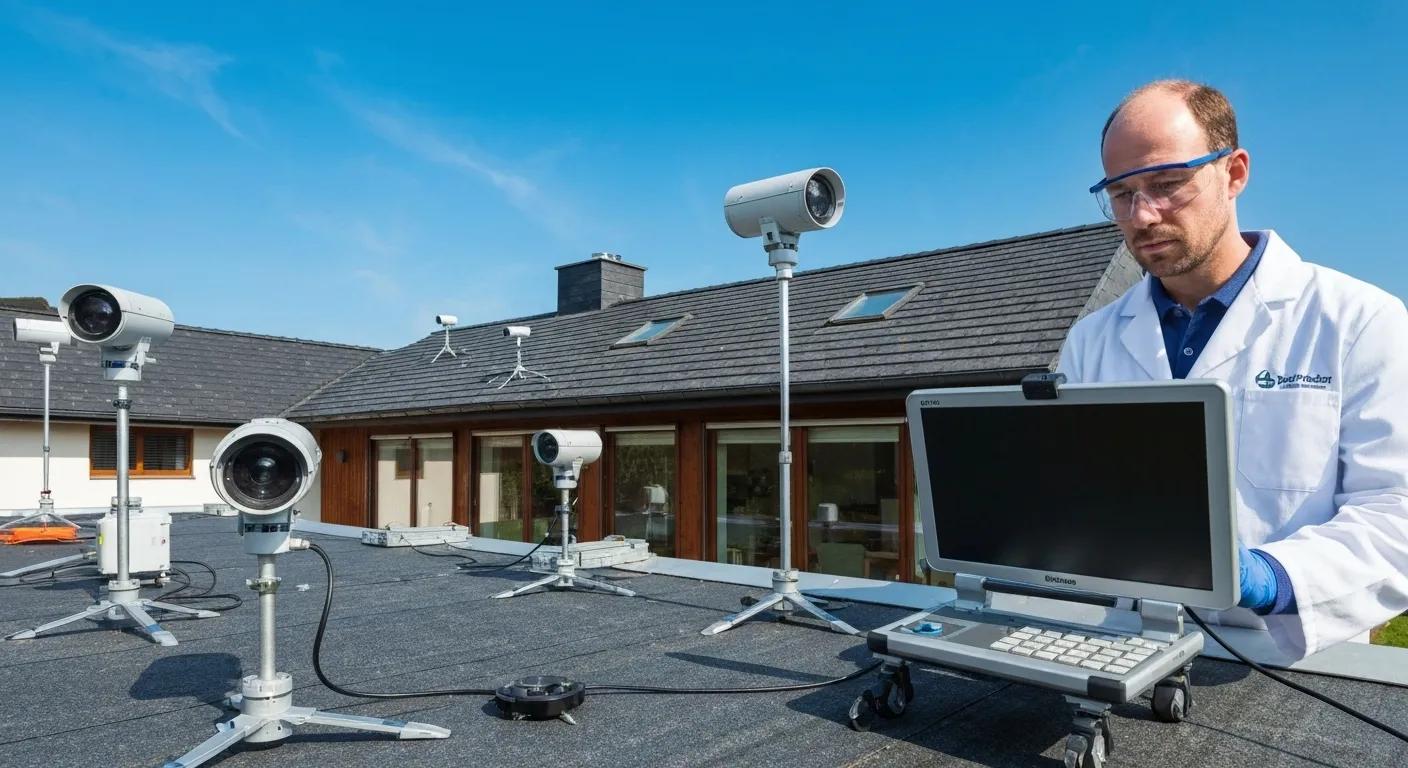
Wind uplift testing subjects a roof assembly to negative pressure conditions in a laboratory or field environment. Vacuum chambers place tiles and shingles under controlled suction, while portable blowers replicate wind loads on standing-seam metal panels. Pressure sensors record uplift values to confirm compliance with UL 580 or ASTM D3161 criteria. This methodical approach ensures a roof can resist hurricane-force gusts, which leads us to leak detection techniques next.
What Are the Methods for Detecting Roof Leaks?
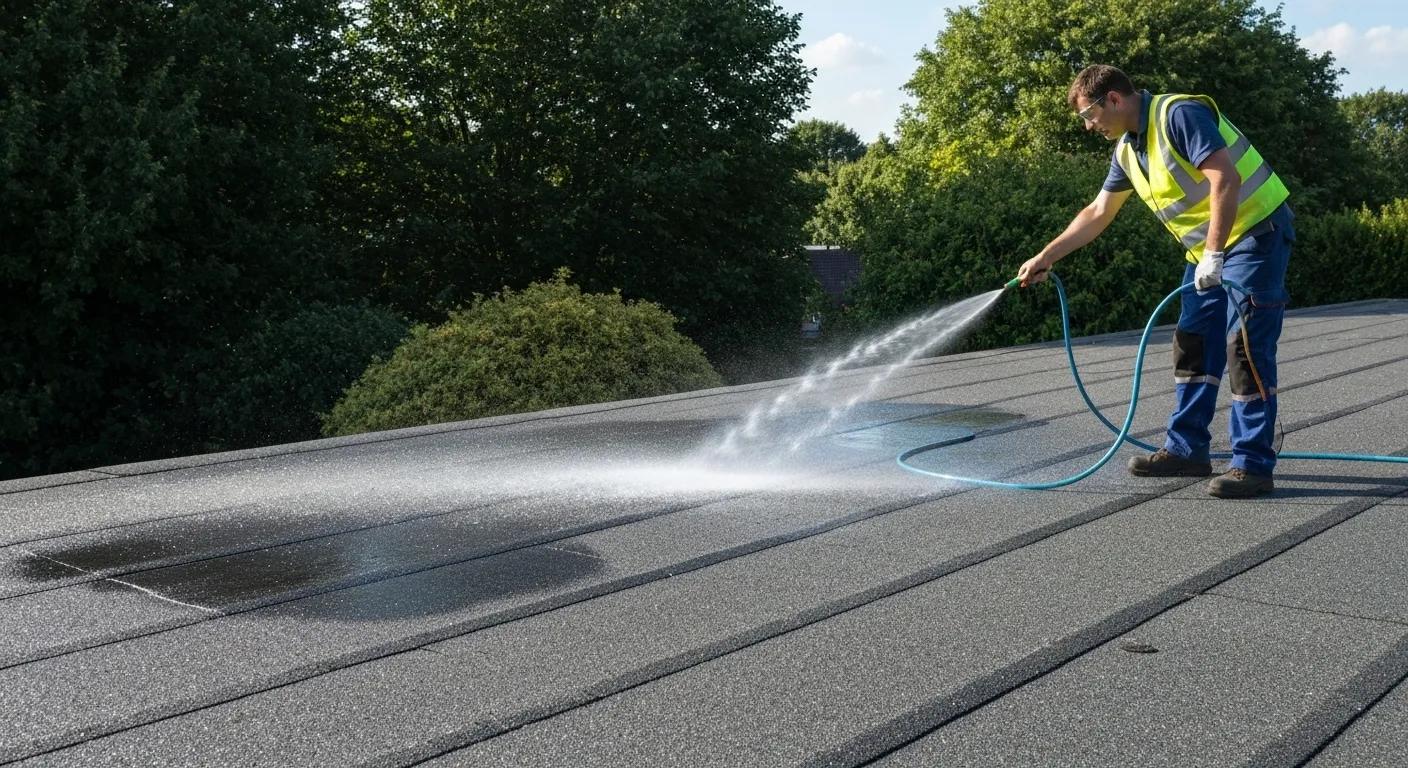
Water spray and hose-pipe testing apply consistent streams along seams and penetrations, revealing active leaks within minutes. Air-pressure tests pressurize attic spaces to expose air and water infiltration points. Thermal imaging cameras detect temperature anomalies caused by moisture-laden insulation and hidden wet spots. Together, these techniques provide a full-spectrum leak analysis before damage advances.
How Are Roof Fire Resistance Ratings Determined?
Roof fire resistance ratings are crucial for determining how well a roofing system can withstand exposure to fire and protect the underlying structure. To ascertain these ratings, testing and evaluation procedures established by organizations such as ASTM International and Underwriters Laboratories (UL) are employed. These standardized tests assess various components of the roofing system, including the materials used, construction methods, and overall assembly. The primary testing method, known as the “fire test,” involves exposing a sample of the roofing assembly to controlled fire conditions to evaluate its performance under potential fire scenarios. During this process, the time it takes for the roof to either ignite or allow the passage of flames and heat is meticulously recorded, enabling the assignment of a specific fire resistance rating. Fire resistance tests expose roof assemblies to calibrated flames at specified angles and durations, measuring flame spread indices and structural integrity retention. Class A, B, and C ratings reflect decreasing flame spread levels, with Class A offering the highest protection. Materials such as asphalt shingles and concrete tiles earn ratings under UL 790 or ASTM E108 protocols, safeguarding against external ignition sources and radiant heat.
What Does Hail and Impact Resistance Testing Involve?
Hail and impact resistance testing is a crucial process designed to evaluate the durability of materials and products against hailstones or similar impacts. This type of testing is especially relevant in industries such as construction, particularly for roofing materials, as well as automotive and sports equipment. The tests often require simulating real-world conditions, where items are subjected to specific sizes and velocities of hailstones or impact projectiles. The results help manufacturers understand how their products will perform under adverse weather conditions, allowing them to improve designs and materials for better resilience. Hail resistance assessments use pneumatic cannons to launch ice balls at defined velocities toward roofing samples. Impact energy levels correspond to UL 2218’s Class 1–4 ratings, with Class 4 demanding the greatest impact resistance. This simulation ensures shingles withstand real-world hailstorms, reducing the chance of granule loss, cracking, or leaks that follow severe hail events.
How Is Energy Efficiency Tested in Residential Roofs?
Energy efficiency in residential roofs is crucial for maintaining a comfortable indoor environment while minimizing energy consumption. Testing for energy efficiency typically involves a combination of methodologies aimed at assessing a roof’s insulation, ventilation, and overall thermal performance. One common approach is the use of infrared thermography, which identifies heat loss through the roof by detecting temperature variations on its surface. This non-invasive technique allows professionals to visualize areas where insulation might be lacking, pinpointing specific problem spots that need addressing to enhance energy efficiency. Energy efficiency tests measure solar reflectance and thermal emittance of roofing materials under laboratory conditions. Cool-roof ratings from the CRRC database and ENERGY STAR® listings confirm a roof’s capacity to reject sunlight and release absorbed heat.
[Energy Efficiency and Roof Testing]
Infrared surveys performed on occupied homes verify performance in situ, revealing insulation gaps and ventilation inefficiencies that drive energy loss.
How Does Residential Roof Wind Uplift Testing Protect Your Home?
Residential roof wind uplift testing is a critical safeguard for homeowners, ensuring that their roofing systems are resilient against high winds and severe weather conditions. This testing evaluates how well a roof can withstand uplifting forces, which are particularly potent during hurricanes, tornadoes, and storms. By simulating extreme wind conditions, experts can pinpoint vulnerabilities in roofing materials and installation techniques, thereby identifying potential failure points that could lead to significant damage or even complete roof loss.
The significance of this testing extends beyond mere compliance with building codes; it offers peace of mind to homeowners. Knowing that a roof has undergone rigorous assessment helps mitigate risks associated with property damage and financial loss. Moreover, homes equipped with roofs that pass wind uplift tests often have lower insurance premiums, as insurers recognize the reduced likelihood of catastrophic failure. Overall, investing in residential roof wind uplift testing not only reinforces a home’s structural integrity but also enhances its overall value and resilience in the face of nature’s unpredictability.
Residential wind uplift testing evaluates a roof’s ability to resist negative pressure generated by high-velocity winds, ensuring shingles, fasteners, and underlayment remain securely attached. By replicating hurricane-force winds, tests identify weak fastening patterns and underperforming membrane laps, allowing corrective measures that guard against structural failure. This proactive protection minimizes risk of shingle blow-off, water intrusion, and secondary damage.
What Are the Industry Standards for Wind Uplift Testing?
When it comes to determining the structural integrity and safety of roofing systems, wind uplift testing plays a crucial role. Industry standards for these tests are primarily established by organizations such as the American Society for Testing and Materials (ASTM) and the Underwriters Laboratories (UL). The ASTM E1646 and E2513 are two widely recognized standards that outline the testing procedures for determining the wind uplift performance of roofing systems. These tests typically involve applying a controlled upward force to roofing assemblies to simulate high-wind conditions. The results help assess how well a roof can withstand the uplift forces generated by wind, which is particularly relevant for buildings in hurricane-prone areas.
- UL 580 – Laboratory tests for roof deck uplift resistance.
- UL 1897 – Field test methods for standing-seam metal panels.
- ASTM D3161 – Static air pressure testing of asphalt shingles.
- ASTM D7158 – Dynamic uplift test for high-wind-resistant shingles.
Together, these specifications ensure every roofing system meets rigorous attachment and material performance requirements under extreme weather.
How Does Wind Uplift Testing Simulate Extreme Weather Conditions?
Wind uplift testing is a crucial method employed in the construction and roofing industries to simulate the effects of extreme weather conditions, particularly high winds. By utilizing powerful fans and specialized equipment, this testing mimics the force of severe storms and hurricanes, which can exert significant upward pressure on structures and roof systems. In such controlled environments, engineers can analyze how different materials and designs withstand these forces, ensuring that buildings are resilient against potential wind damage. The controlled nature of the tests allows for the evaluation of various roofing materials, fasteners, and installation techniques, providing invaluable data that shapes safer architectural practices. Testing setups employ vacuum chambers to apply precise suction loads or powerful fans to generate wind pressures on actual roof sections. Instruments track force distributions across shingles, underlayment, and fasteners. Field methods involve attaching pressure taps to installed roofs and creating controlled uplift, replicating real storm events without damaging the entire structure. These simulations confirm that enhancements like ring-shank nails and reinforced underlayment significantly boost wind resistance.
What Are the Benefits of Wind-Resistant Roofing Systems?
Wind-resistant roofing systems offer numerous benefits that significantly enhance the durability and safety of buildings, particularly in regions prone to high winds and severe weather events. One of the primary advantages of these roofing systems is their ability to withstand extreme weather conditions, including hurricanes and tornadoes. By incorporating materials and designs specifically engineered to resist wind uplift, these roofs minimize the risk of damage from flying debris and powerful gusts. This resilience not only protects the structural integrity of the building but also reduces repair costs over time, providing long-term value for homeowners and commercial property managers alike. Wind-resistant roofs offer multiple homeowner advantages:
- Lower insurance premiums due to certified wind uplift performance.
- Assurance of code compliance in high-wind regions.
- Extended service life through reduced shingle flutter and loss.
- Fewer post-storm repairs and associated downtime.
By combining rigorous testing with quality installation, homeowners secure durable protection against one of the most destructive weather forces.
How Can You Test Your Roof for Leaks Effectively?
When it comes to maintaining the integrity of a home, testing the roof for leaks is a crucial step that homeowners should not overlook. An effective method to identify potential leaks involves a combination of visual inspection and the use of water. Firstly, individuals should start by checking the attic, particularly during or after rainfall, as this is often where signs of water intrusion are most apparent. Homeowners should look for damp spots, stains on the wooden beams, or mold growth, which can all indicate underlying leaks. Additionally, inspecting the roof’s exterior is vital; this includes examining flashing, seals around vents and chimneys, and the condition of shingles. Loose or missing shingles can be telltale signs of vulnerabilities that may lead to leaks.
To further test for leaks, a systematic approach involving the application of water can prove beneficial. Homeowners can use a garden hose to simulate rainfall, focusing on one section of the roof at a time. By directing water at various areas, including the valleys and areas around chimneys or skylights, individuals can methodically assess if any water seeps into the attic or onto interior surfaces. This approach allows for pinpointing the exact location of a leak if one exists. After conducting these tests, it is prudent to monitor the areas over the following days, as some leaks may only manifest after subsequent rainfall. By combining thorough visual inspections with controlled water testing, homeowners can effectively identify and address roof leaks before they escalate into more significant issues.
Effective leak detection integrates pressure-based, thermal, and visual methods to locate moisture entry points before they escalate. By confirming roof watertightness under controlled conditions, inspections prevent mold growth, wood rot, and insulation degradation. For a professional approach tailored to each roof design, consider certified leak testing technicians.
What Are the Most Reliable Water and Air Leakage Tests?
When it comes to assessing the integrity of buildings, the reliability of water and air leakage tests is paramount. These tests are crucial for identifying vulnerabilities in a structure that can lead to energy loss, mold growth, and compromised indoor air quality. Among the most widely recognized and reliable water leakage tests is the ASTM E1105 standard, which employs a controlled water spray to simulate rainfall. This method allows professionals to evaluate whether water penetrates through the building envelope, providing clear insights into potential points of entry. Similarly, for air leakage, the ASTM E779 test is the gold standard. It utilizes a blower door to depressurize the space, measuring the rate at which air enters the building through leaks. The data gathered from these tests not only assists in diagnosing existing issues but also plays a vital role in informing energy efficiency improvements. The following test methods produce dependable leak detection results:
- ASTM E331 water-spray test evaluates water penetration on exterior wall systems and roof seams.
- ASTM E1646 pressurized water testing checks penetration resistance around flashing and penetrations.
- ASTM E1680 air leakage testing identifies air infiltration paths that lead to moisture migration.
These standardized tests deliver repeatable results, enabling targeted repairs.
How Do Thermal Imaging and Other Advanced Leak Detection Methods Work?
Thermal imaging and advanced leak detection methods are vital tools utilized in various industries to identify and mitigate potential issues effectively. Thermal imaging, specifically, utilizes infrared cameras to detect temperature variations on surfaces. In scenarios where leaks occur, such as in plumbing or HVAC systems, warm or cool spots can indicate the presence of moisture or gas escaping from the system. By capturing images that highlight these temperature differentials, technicians can efficiently pinpoint leaks without causing unnecessary disruption or extensive excavations. Infrared cameras capture temperature differences between dry and moisture-saturated roof areas, visually highlighting concealed wet spots. Ultrasonic detectors measure acoustic changes as water passes through roofing layers. Electric field vector mapping identifies pinhole leaks in conductive membranes. By combining these technologies, inspectors achieve near–100% detection accuracy with minimal roof disturbance.
When Should Homeowners Schedule Professional Leak Inspections?
Homeowners should consider scheduling professional leak inspections as part of their routine maintenance, especially when they notice signs of potential water damage or suspect plumbing issues. Common indicators include unexplained water stains on walls or ceilings, a sudden increase in water bills, or the presence of mold and mildew. These signs can suggest hidden leaks that are not initially visible and may be causing unseen damage within the home. Additionally, during seasonal changes and after heavy rainfall or snowmelt, it is prudent for homeowners to have their properties inspected, as these conditions can exacerbate existing leak problems or create new ones. Homeowners should arrange professional leak assessments:
- After severe storms or hail events to catch damage early.
- Annually as part of routine maintenance to confirm watertight integrity.
- Prior to real estate transactions for full disclosure and valuation.
Regular scheduling ensures prompt remediation and reduces long-term repair expenses.
What Role Do Roofing Certifications and Standards Play in Roof Performance Testing?
Roofing certifications and standards play a pivotal role in ensuring the integrity and performance of roofing systems. They establish a framework for evaluating the durability, safety, and efficiency of roof materials and installation practices. When a roofing contractor holds a certification, it signifies that they have met specific educational and practical requirements, adhering to industry best practices and safety protocols. This not only enhances the credibility of the contractor but also assures consumers that their roofing systems will perform effectively against various environmental stresses, such as wind, rain, and snow.
Moreover, standardized testing methods enable manufacturers to claim and test the performance of their products under controlled conditions. These standards often encompass a range of criteria, including resistance to moisture infiltration, thermal performance, and fire safety. By adhering to these rigorous benchmarks, roofing systems can be systematically assessed for quality before installation. This, in turn, contributes significantly to the long-term performance of the roof, reducing the likelihood of failures and costly repairs. Ultimately, roofing certifications and standards not only streamline the selection process for consumers but also enhance overall industry accountability, fostering a higher level of confidence in roofing products and services.
Roofing standards and certifications establish clear benchmarks for safety, durability, and efficiency. By adhering to ASTM, UL, and FM Approvals criteria, roofing materials and systems earn recognized ratings that homeowners and insurers trust. Certified testing validates manufacturer claims and guides installation best practices, ensuring consistent performance across climates and applications.
These certifications anchor product reliability, leading to a smoother selection process when choosing materials.
What Are the Key Organizations Setting Roofing Standards?
When it comes to the roofing industry, understanding the frameworks of safety, quality, and performance is crucial for both construction professionals and homeowners alike. Several key organizations play pivotal roles in establishing roofing standards that ensure buildings are equipped with durable and reliable roofs. The American National Standards Institute (ANSI) is one such organization. ANSI oversees the creation and implementation of consensus standards for various sectors, including roofing. Their collaboration with industry experts helps to develop guidelines that enhance overall safety and performance, ensuring that roofing materials meet stringent quality controls. The most influential bodies in roofing performance include:
- ASTM International, which develops voluntary consensus methods.
- Underwriters Laboratories (UL), focusing on safety science and classification.
- FM Approvals, specializing in property loss prevention criteria.
Their collaboration with manufacturers and code councils ensures standards evolve alongside technologies.
How Do Building Codes Influence Roof Testing Requirements?
Building codes play a crucial role in shaping roof testing requirements, ensuring that structures are designed and constructed to withstand environmental stresses. These regulations, established by national and local authorities, serve as guidelines for engineers, architects, and builders, mandating specific testing protocols to enhance safety, durability, and performance. For instance, building codes often specify minimum standards for wind uplift resistance, waterproofing, and material durability, all of which must be verified through rigorous testing. This process helps prevent potential failures that could arise from inadequate roof systems, thereby promoting the overall integrity of buildings. Local and national building codes mandate minimum performance levels for wind uplift, fire resistance, and snow loads. By incorporating ASTM and UL references, codes enforce consistent testing compliance and installation practices. Homeowners benefit when inspections verify that their roof meets or exceeds these legal thresholds, avoiding violations and ensuring occupant safety.
Why Are UL and ASTM Certifications Important for Homeowners?
When it comes to home safety and product reliability, UL and ASTM certifications play a critical role that homeowners should not overlook. UL, or Underwriters Laboratories, is an independent organization that specializes in safety testing and certification for a wide range of products, ensuring they meet strict safety standards. On the other hand, ASTM International, formerly known as the American Society for Testing and Materials, develops and publishes voluntary consensus standards for materials, products, systems, and services across various industries. Both certifications serve as assurance to homeowners that the products they use in their homes have been rigorously tested and evaluated by experts, thereby reducing the risk associated with below-standard goods. Certified roofs deliver measurable trust:
- Quality assurance that materials have passed rigorous third-party tests.
- Enhanced resale value supported by documented performance.
- Streamlined insurance claims with recognized classification standards.
Certified performance forms the basis for both efficient maintenance planning and optimal financial protection.
How Does Energy Efficient Roof Testing Benefit Homeowners?
Energy-efficient roof testing offers significant benefits for homeowners seeking to improve their living environment while also cutting costs. This process involves evaluating the insulation, materials, and overall performance of a roof to ensure it effectively manages heat transfer. By identifying areas where energy loss may occur, homeowners can make informed decisions about necessary upgrades or repairs. Such enhancements not only optimize the home’s energy efficiency but also lead to reduced utility bills, as well-maintained roofs minimize heating and cooling demands.
Moreover, energy-efficient roof testing contributes to the longevity of roofing systems. By recognizing potential issues early on, such as leaks or inadequate insulation, homeowners can address these problems before they escalate into more significant and costly repairs. This proactive approach not only saves money over time but also enhances the overall comfort of the home. Furthermore, an energy-efficient roof can increase property value, making it a strategic investment for those considering future sales. In summary, energy-efficient roof testing serves as a smart choice for homeowners, reinforcing the structure of their home while promoting sustainability and economic savings. Energy efficient roof testing quantifies a roof’s ability to reflect solar radiation and release heat, directly correlating with cooling demand in warm climates. By measuring solar reflectance index (SRI) and thermal emittance, tests identify roofs that can lower attic temperatures by 20–30°F, reducing air-conditioning energy use. This analysis supports sustainable home design and contributes to environmental goals while cutting utility costs.
What Are Cool Roofs and How Are They Tested?
Cool roofs are innovative roofing systems designed to reflect more sunlight and absorb less heat than standard roofing materials. This remarkable characteristic is achieved through the application of specialized reflective coatings, the use of light-colored materials, or by incorporating reflective granules into the roofing components. As a result, cool roofs can significantly lower indoor temperatures, reduce energy costs, and improve overall comfort in buildings, especially in urban areas where heat accumulation is a concern. Moreover, by mitigating the urban heat island effect, cool roofs contribute to environmental sustainability, decreasing the demand for air conditioning and subsequently reducing greenhouse gas emissions. Cool roofs feature high solar reflectance and thermal emittance, measured under CRRC protocols. Laboratory instruments expose material samples to defined sunlight and heat flux, recording reflectivity percentages and emittance values. A roof with an SRI above 75 meets ENERGY STAR® criteria for hot climates, offering substantial cooling savings and extended shingle longevity.
How Can Roof Inspections Identify Energy Loss?
Roof inspections play a vital role in identifying energy loss within a building, serving as an essential component of routine maintenance. During a thorough inspection, trained professionals assess various elements of the roof, including insulation integrity, ventilation systems, and surface conditions. Poor insulation can lead to significant energy loss, as heated or cooled air escapes through inadequately sealed spaces. Inspectors examine potential gaps, cracks, and wear that can compromise the roof’s efficiency. By identifying these vulnerabilities early, property owners can address issues proactively, thereby reducing energy costs and improving overall comfort levels within the building. Comprehensive roof inspections combine infrared thermography, blower-door tests, and attic airflow analysis to pinpoint insulation gaps, vent blockage, and air leaks. By mapping temperature gradients across the deck, inspectors reveal areas where conditioned air escapes or unwanted heat enters. Addressing these findings improves occupant comfort and lowers heating and cooling loads.
What Are the Financial Benefits of Energy Efficient Roofing?
When considering home improvements, energy-efficient roofing emerges as a key investment that not only enhances a property’s aesthetic appeal but also offers substantial financial gains. One of the primary financial benefits of energy-efficient roofing lies in its ability to reduce energy costs. These roofs are designed with materials that reflect more sunlight and absorb less heat, which can significantly lower the demand for air conditioning in warmer months. Homeowners often see a marked decrease in their energy bills as a result, making it a wise choice for those looking to cut back on monthly expenses. Energy efficient roofs deliver:
- Up to 25% reduction in cooling costs during peak summer months.
- Eligibility for tax credits, rebates, and utility incentives.
- Higher appraisal values reflecting lower operating expenses.
Investing in a high-performance roof pays dividends through ongoing energy savings and enhanced home valuation.
How Can Homeowners Use Roof Performance Testing to Make Informed Decisions?
Homeowners can greatly benefit from roof performance testing by gaining a clearer understanding of their roofing system’s condition and overall efficiency. This method involves assessing various factors such as water resistance, structural integrity, and thermal performance, which collectively contribute to the longevity and durability of the roof. By conducting these tests, homeowners can identify potential issues such as leaks, weak spots, or energy inefficiencies before they escalate into costly repairs or replacements. This proactive approach not only helps in maintaining the roof but also enhances the home’s energy efficiency, ultimately leading to lower utility bills and greater comfort.
Additionally, the insights gained from roof performance testing can empower homeowners to make informed decisions about future renovations or upgrades. For instance, if testing reveals areas that require strengthening or venting systems that need improvement, homeowners can prioritize those aspects when planning maintenance or renovations. Furthermore, understanding a roof’s performance can also aid in the decision-making process regarding the investment in new roofing materials or technologies, such as energy-efficient shingles or advanced insulation solutions. By leveraging the results of roof performance testing, homeowners can ensure they are making strategic choices that not only enhance roof longevity but also contribute to the overall value and sustainability of their property. Testing results serve as a decision-making blueprint by detailing current roof conditions and projected service life. Armed with precise data, homeowners can compare repair versus replacement costs, select materials with proven performance, and schedule maintenance at optimal intervals. This informed approach maximizes return on investment and aligns renovation projects with actual needs.
How Does Testing Inform Roof Repair, Maintenance, or Replacement?
Testing plays a crucial role in informing decisions related to roof repair, maintenance, or replacement, providing property owners and contractors with valuable insights into the roof’s current condition. Various diagnostic methods, such as thermal imaging, moisture detection, and structural assessments, allow professionals to identify latent issues that may not be visible to the naked eye. For example, thermal imaging can reveal temperature fluctuations that suggest inadequate insulation or leaks, while moisture detection tools can pinpoint areas at risk of water damage. These technologies enable a thorough evaluation of the roof’s integrity, allowing for targeted repairs rather than sweeping, often unnecessary replacements. Performance assessments pinpoint the scope and severity of defects, guiding targeted repairs that extend service life. Inspection reports recommend maintenance schedules—such as re-sealing flashings or replacing underlayment—and help determine when full reroofing offers better long-term value. Clear test findings prevent over– or under–investment in roofing solutions.
What Should Homeowners Look for in a Roof Performance Testing Service?
When homeowners seek out roof performance testing services, it’s essential for them to prioritize a few critical factors to ensure they receive reliable and efficient assessments. First and foremost, the experience and qualifications of the service provider should be at the top of the list. Homeowners should look for companies that employ certified roofing professionals with a proven track record in the industry. This expertise not only assures quality testing methods, but it also provides peace of mind, as more experienced technicians are likely to identify potential issues that less seasoned individuals might miss. Additionally, homeowners should seek out service providers that make use of advanced technology in their testing methods. Employing drones, thermal imaging, and moisture detection tools can significantly improve the accuracy of assessments, ultimately leading to better-informed maintenance or replacement decisions. When selecting a testing provider, homeowners should confirm:
- Accredited certifications and industry–recognized standards expertise.
- Advanced diagnostic technology such as thermal imaging and wind simulation.
- Detailed written reports with actionable recommendations.
- Transparent pricing and clear explanations of inspection scope.
These criteria ensure reliable results and meaningful guidance for every roofing need.
How Can Testing Results Affect Property Value and Insurance?
A certified roof performance report can boost property appraisals by demonstrating structural integrity and energy efficiency. Insurers often offer premium discounts for roofs meeting wind uplift and hail resistance standards. Presenting formal test documentation reduces underwriting friction and secures more favorable coverage terms. Roof performance testing empowers homeowners to safeguard their investment, optimize energy use, and enjoy lasting peace of mind without guesswork. By partnering with seasoned professionals, every homeowner can access data–driven insights that drive smarter roofing choices. Evernew Roofing’s comprehensive evaluation services combine advanced testing methods with clear, homeowner–focused reporting—ensuring each roof delivers safety, efficiency, and resilience. Reach out today to arrange a performance assessment tailored to your home’s needs.
Frequently Asked Questions
What should homeowners expect during a roof performance testing service?
During a roof performance testing service, homeowners can expect a thorough inspection that includes various assessments such as wind uplift testing, leak detection, and energy efficiency analysis. Certified professionals will use advanced tools like thermal imaging cameras and pressure sensors to evaluate the roof’s condition. Homeowners will receive a detailed report outlining the findings, including any vulnerabilities and recommendations for repairs or maintenance. This comprehensive approach ensures that all aspects of the roof’s performance are addressed, providing peace of mind and actionable insights.
How often should homeowners schedule roof performance testing?
Homeowners should consider scheduling roof performance testing at least once every few years, or more frequently if they live in areas prone to severe weather conditions. Additionally, it is advisable to conduct testing after significant weather events, such as heavy storms or hail, to assess any potential damage. Regular inspections help identify issues early, allowing for timely repairs and maintenance, which can extend the roof’s lifespan and prevent costly replacements down the line.
Can roof performance testing help with insurance claims?
Yes, roof performance testing can significantly aid in the insurance claims process. A certified performance report provides documented evidence of the roof’s condition and its compliance with safety and durability standards. This documentation can support claims for damage caused by severe weather events, ensuring that homeowners receive fair compensation. Additionally, having a certified roof may lead to lower insurance premiums, as insurers often offer discounts for roofs that meet specific performance criteria.
What factors influence the cost of roof performance testing?
The cost of roof performance testing can vary based on several factors, including the size and complexity of the roof, the types of tests being conducted, and the location of the property. Additional considerations may include the experience and certifications of the testing professionals, as well as any necessary follow-up inspections or repairs identified during the assessment. Homeowners should obtain quotes from multiple providers to ensure they receive competitive pricing while maintaining quality service.
Are there specific certifications homeowners should look for in testing services?
When selecting a roof performance testing service, homeowners should look for certifications from recognized organizations such as ASTM International, Underwriters Laboratories (UL), and FM Approvals. These certifications indicate that the testing provider adheres to established safety and performance standards. Additionally, ensure that the technicians are trained and certified in specific testing methods relevant to roofing, as this expertise will enhance the reliability of the assessment and the quality of the recommendations provided.
What are the long-term benefits of investing in roof performance testing?
Investing in roof performance testing offers numerous long-term benefits, including enhanced safety, improved energy efficiency, and increased property value. By identifying and addressing potential issues early, homeowners can avoid costly repairs and extend the lifespan of their roofs. Additionally, a well-maintained roof can lead to lower energy bills and may qualify for insurance discounts. Ultimately, regular testing provides peace of mind, knowing that the roof is resilient against environmental stressors and compliant with safety standards.