

Roof Rejuvenation vs Replacement: Which Is Better for Cost, Longevity, and Sustainability?
Choosing between roof rejuvenation and full replacement hinges on balancing budget constraints, desired lifespan, and environmental impact. Homeowners in Southeast Michigan face rising material and labor costs alongside concerns about landfill waste from asphalt shingles. This article defines roof rejuvenation and replacement, examines EverNew Roofing’s Fresh Roof Rejuvenation service powered by GreenSoy Technology™ , compares cost and return on investment, explores environmental benefits, outlines service expectations, and offers decision criteria. By the end, readers will understand which solution best aligns with their roof’s condition, budget, and sustainability goals—and how to request a free estimate from EverNew Roofing.
What Is Roof Rejuvenation and How Does It Work?
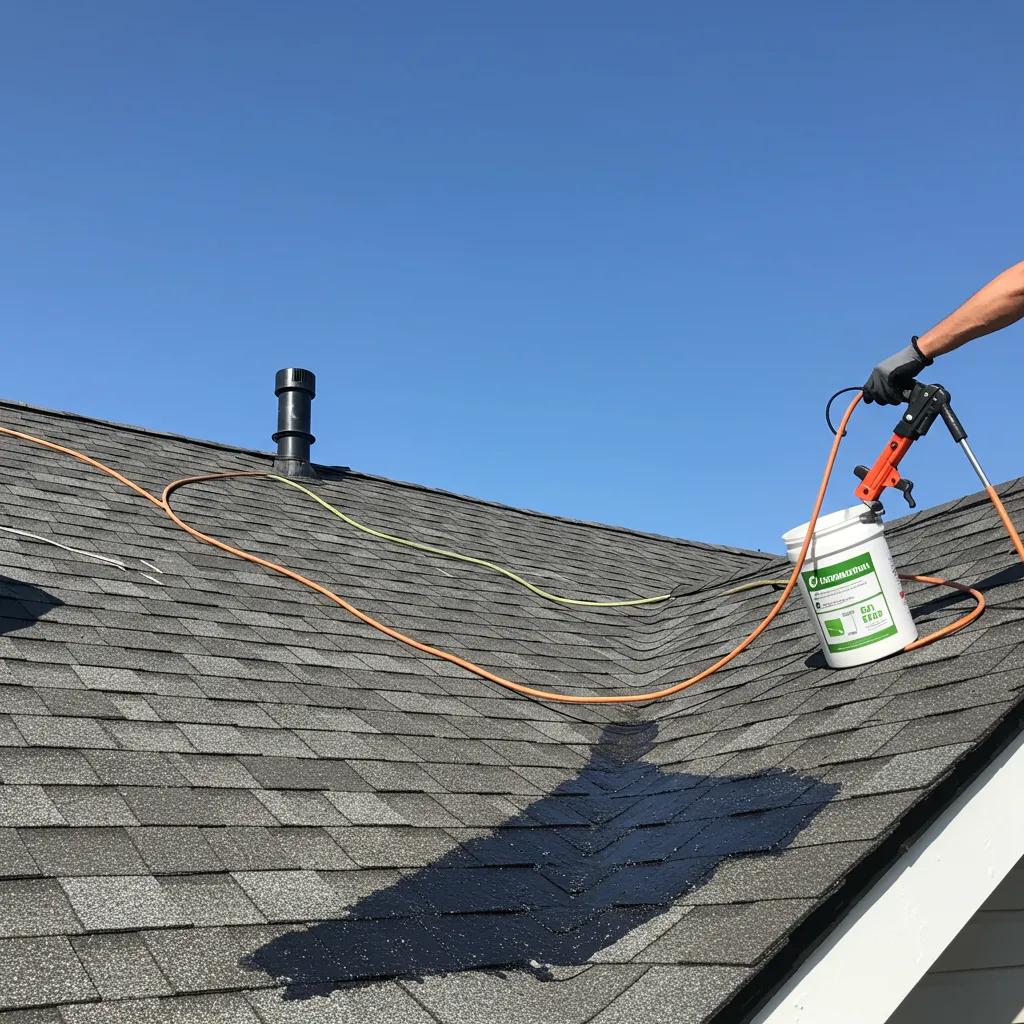
Roof rejuvenation restores and extends the life of aging asphalt shingles by replenishing lost oils and enhancing waterproofing. The process begins with a roof inspection to confirm shingle suitability, followed by thorough cleaning and application of a plant-based rejuvenator. Fresh Roof Rejuvenation uses GreenSoy Technology™ to penetrate granule gaps, seal micro-cracks, and restore shingle flexibility. This treatment re-hydrates asphalt binders, improving adhesion and weather resistance. For roofs five to twenty years old with granule loss or surface brittleness, rejuvenation offers a cost-effective alternative to full tear-off. The mechanism relies on restoring key shingle oils lost through UV exposure and thermal cycling, resulting in up to 15 additional years of service with routine maintenance. Understanding this process clarifies why rejuvenation can deliver substantial savings and roof performance enhancement compared to replacement, leading directly into EverNew’s specific offering.
What Is EverNew’s Fresh Roof Rejuvenation Service?
EverNew’s Fresh Roof Rejuvenation service applies a proprietary GreenSoy Technology™ formula that revitalizes asphalt shingles using plant-based oils. After a detailed roof condition assessment, technicians clean debris and apply the rejuvenator under controlled temperature conditions. The treatment seals hairline cracks, reaffixes loose granules, and restores original shingle color, improving curb appeal. Fresh Roof Rejuvenation also replenishes up to 15 years of shingle life when reapplied periodically. By harnessing a USDA-certified, bio-based solution, EverNew minimizes disruption—completing most jobs in a single day—and avoids the noise and waste of full replacement. Homeowners experience immediate waterproofing benefits and a refreshed roof surface, setting the stage for a cost and waste comparison with full replacement.
How Does GreenSoy Technology™ Restore Asphalt Shingles?
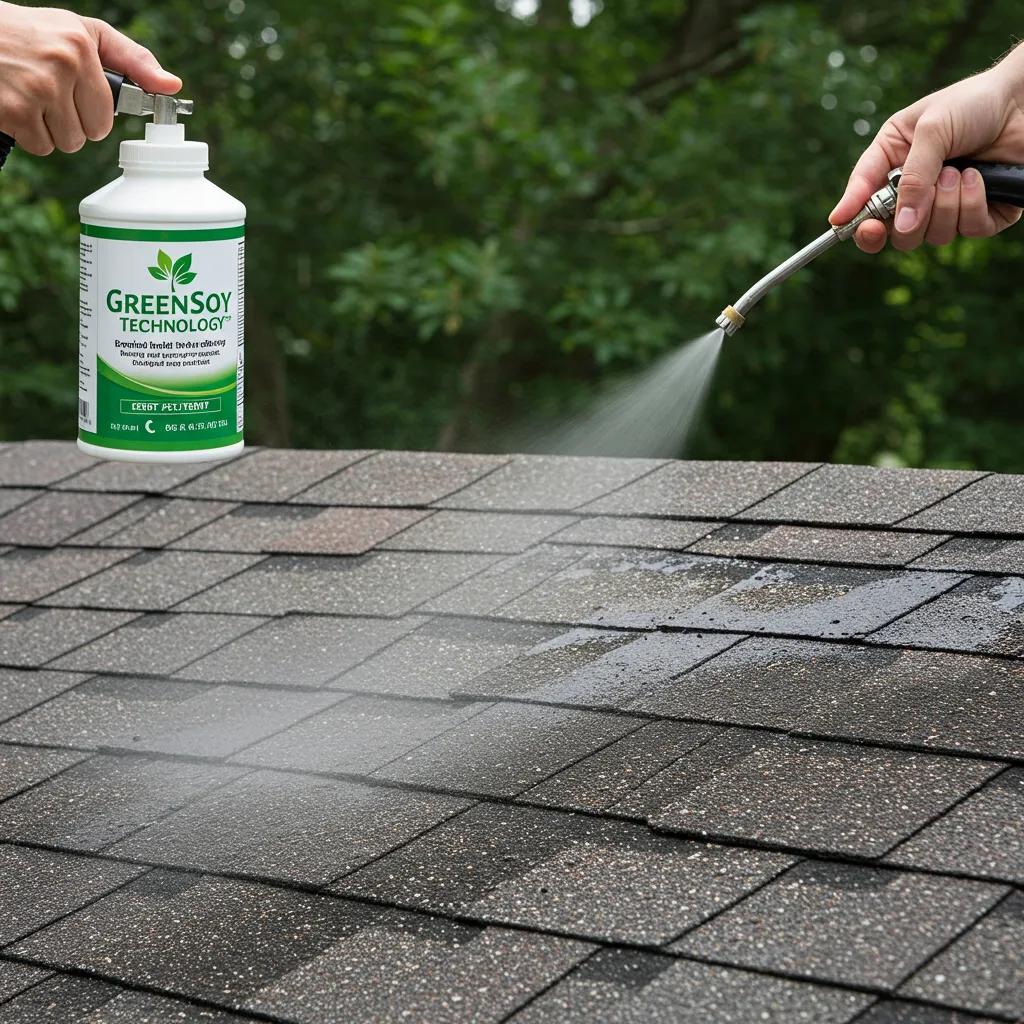
GreenSoy Technology™ restores shingles by replenishing lost asphalt oils and reinforcing granule adhesion. The proprietary formula contains soy-based emollients that penetrate porous shingle surfaces, replacing oils degraded by UV radiation. These emollients bond with granules, filling micro-cracks and preventing further weathering. The mechanism reduces shingle brittleness and enhances flexibility, allowing shingles to expand and contract without breaking. This restoration process seals hairline fissures and improves waterproofing, mitigating leak risks. As a result, treated shingles regain color and texture, reducing maintenance frequency. GreenSoy Technology™ thus extends roof life through a scientifically backed, eco-friendly treatment rather than a full tear-off, leading to significant cost avoidance and environmental benefits.
Durability of Bio-Modified Recycled Asphalt Shingles for Pavement Applications
The durability of asphalt shingles (RAS) in pavement construction has received significant attention due to its economic and environmental advantages. However, asphalt shingles are susceptible to aging and environmental degradation, which can compromise their performance and longevity. This study investigates the durability of bio-modified recycled asphalt shingles exposed to oxidation aging and extended sub-zero conditioning, aiming to improve their performance in pavement applications.
Durability of bio-modified recycled asphalt shingles exposed to oxidation aging and extended sub-zero conditioning, DJ Oldham, 2019
What Are the Key Benefits of Roof Rejuvenation?
- Replenishes essential asphalt oils to restore shingle flexibility and prevent cracks.
- Improves granule adhesion and color retention for enhanced aesthetic appeal.
- Extends shingle lifespan by up to 15 years with scheduled reapplications.
- Minimizes project disruption by completing treatment in one day.
- Reduces roofing waste by diverting up to 80 percent of shingle replacement debris from landfills.
Applying these benefits lets homeowners achieve substantial cost savings and maintain roof performance. The next section examines ideal roof conditions for rejuvenation compared to replacement.
Which Roof Conditions Are Ideal for Rejuvenation?
Roof rejuvenation suits asphalt shingle systems displaying surface aging but retaining structural integrity. Ideal conditions include minor granule loss, surface brittleness, curling edges, and absence of active leaks or major decking damage. Shingles aged five to twenty years with intact underlayment respond best to treatment; snapped, missing, or severely warped shingles require replacement. Clean, debris-free roofs with modest surface deterioration allow the rejuvenator to bond effectively. This targeted application avoids unnecessary tear-offs and aligns with sustainable roofing practices. With these criteria established, we can contrast rejuvenation with scenarios demanding full replacement.
When Is Roof Replacement Necessary?
Roof replacement becomes necessary when structural damage, active leaks, or excessive shingle failure undermine roof integrity. Replacement addresses compromised decking, widespread shingle rupture, and insurance or warranty requirements. When aging shingles exhibit extensive curling, cracking through the substrate, or multiple leak points, a full tear-off and installation of new underlayment and shingles restore roof performance. Modern asphalt shingle lifespan reductions—often 10 to 15 years instead of the advertised 30—make replacement a prudent choice for roofs beyond two decades of service. Understanding these triggers clarifies why certain situations exceed the capabilities of rejuvenation and justify comprehensive replacement efforts.
What Are the Signs Your Roof Needs Replacement?
- Curling or cupped shingles exposing mat layers underneath.
- Granule-free zones revealing shingle backing and reducing UV protection.
- Active or recurrent leaks inside attic spaces or ceiling stains.
- Sagging roof deck or visible structural deformation.
- Excessive algae growth indicating moisture retention and underlayment breakdown.
What Types of Roofing Materials Are Used in Replacement?
- Atlas Architectural Shingles deliver dimensional texture, wind resistance, and extended warranties.
- 3-Tab Asphalt Shingles provide economic upfront cost and standard weather resistance.
- Metal Panels offer longevity, fire resistance, and energy-reflective finishes.
- Synthetic Slate or Shake mimic high-end aesthetics with lower weight and maintenance.
What Is the Roof Replacement Process?
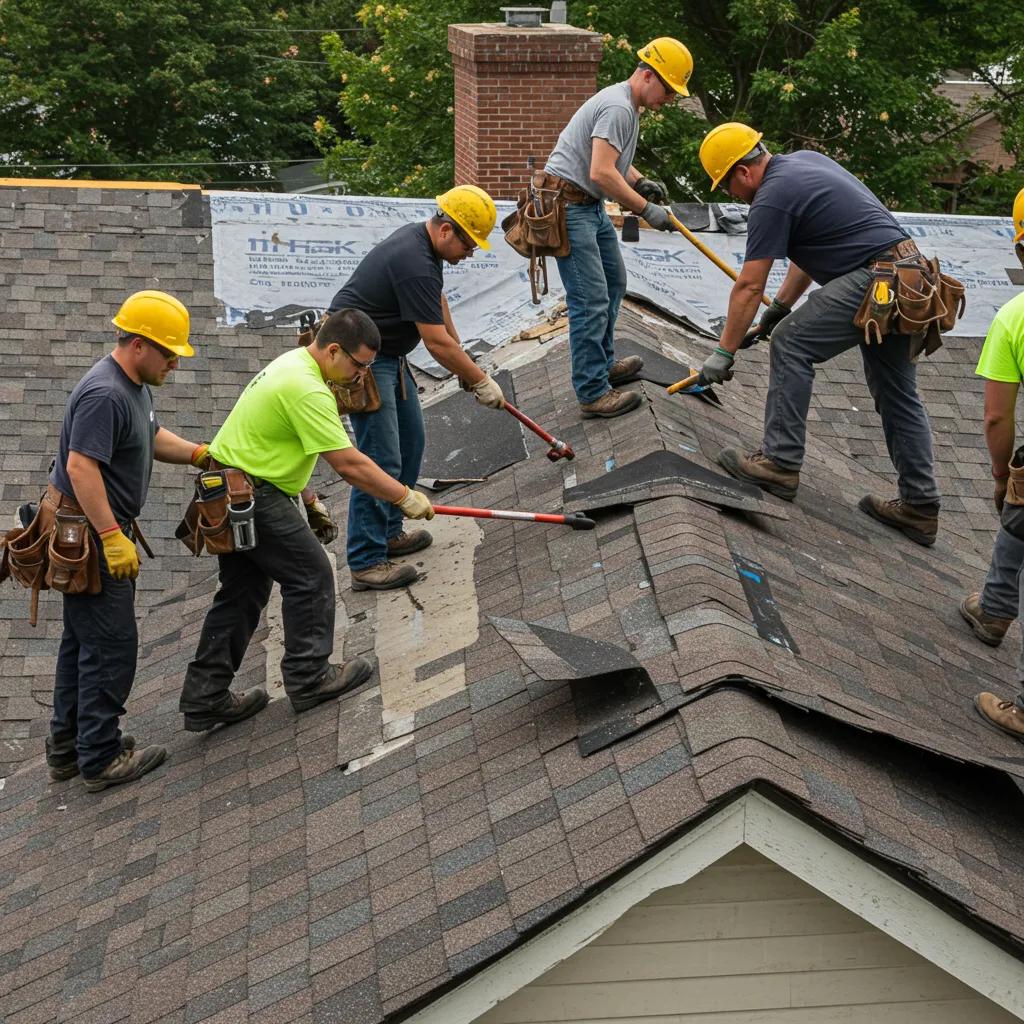
The replacement process begins with a thorough pre-installation inspection to assess decking and flashing conditions. Next, technicians remove existing shingles and underlayment down to the roof deck. Damaged decking is replaced or reinforced, followed by installation of a moisture-barrier underlayment. New shingles—often Atlas architectural products—are nailed and sealed per manufacturer guidelines. Ridge vents and flashing are installed or upgraded to optimize ventilation and leak prevention. A final quality inspection confirms proper adhesion, alignment, and seal. This systematic approach addresses both surface and structural issues, ensuring a long-term roofing solution. The detailed process contrasts sharply with the minimal disruption of rejuvenation.
How Does Replacement Address Structural Roof Damage?
Full replacement directly remedies structural damage by stripping compromised materials and replacing subcomponents. When roof decking exhibits rot, warping, or weakened nail pull-out resistance, rejuvenation cannot restore load-bearing capacity. Replacement restores a sound substrate, installs a fresh underlayment barrier, and applies new shingles to prevent future moisture intrusion. This comprehensive solution resolves latent defects, supports insulation performance, and meets building code requirements. Recognizing that structural issues transcend surface rejuvenation underscores the necessity of replacement in severe cases.
How Do Roof Rejuvenation and Replacement Compare in Cost and ROI?
Comparing cost and return on investment clarifies which roofing strategy delivers the greatest value. Roof rejuvenation typically costs 15–25 percent of a full replacement, offering up to 80 percent savings on materials and labor. Rejuvenation extends existing shingle life by 10–15 years with periodic maintenance, whereas replacement carries higher upfront cost but resets the lifespan clock to 20–30 years. Factoring in disposal fees, underlayment replacement, and structural repairs widens the cost gap. A well-executed rejuvenation may recoup investment within two to three years through avoided repair expenses and energy savings. This financial perspective empowers homeowners to weigh immediate budget relief against long-term asset value.
What Is the Average Cost of Roof Rejuvenation vs Replacement in Southeast Michigan?
This local cost table illustrates significant savings potential with rejuvenation versus replacement. The next comparison refines ROI and financing.
How Much Can You Save with EverNew’s Rejuvenation Service?
EverNew’s Fresh Roof Rejuvenation service can save homeowners up to 80 percent compared to a full roof replacement. A typical replacement in Oakland or Wayne County might cost $15,000–$20,000, whereas rejuvenation on the same roof often ranges $3,000–$5,000. These savings free budget for other home improvements while sustaining roof performance and waterproofing. Financially, the avoided expense of decking repair and shingle disposal increases ROI, with payback often achieved within two years through reduced maintenance and energy efficiency gains. Such cost avoidance underscores the economic advantage of plant-based rejuvenation versus full replacement.
What Are the Long-Term Savings and Return on Investment?
Over a 15-year period, rejuvenation clients benefit from extended shingle life, mitigating the need for premature replacement. Lifecycle modeling shows:
- Rejuvenation plus one reapplication in year 8 yields a total investment of $6,000–$8,000.
- Replacement without additional intervention costs $15,000–$20,000 upfront.
- Rejuvenation clients avoid disposal fees and underlayment costs, increasing net savings.
This ROI model demonstrates that rejuvenation can deliver a 150–200 percent return relative to initial outlay. Understanding these long-term figures prepares homeowners for strategic budgeting.
What Financing Options Are Available for Both Services?
- Zero-interest promotional financing over 12 months for qualified applicants.
- Low-interest installment loans spread over 5–10 years based on credit approval.
- Home equity lines of credit offering tax-deductible rates for property improvements.
What Are the Environmental Benefits of Roof Rejuvenation Compared to Replacement?
Rejuvenation reduces landfill waste by reconditioning existing shingles instead of discarding them. Annually, roughly 11 million tons of asphalt shingles enter U.S. landfills—an environmental burden that plant-based treatments directly mitigate. By extending shingle life, rejuvenation conserves raw materials, lowers greenhouse gas emissions from manufacturing, and reduces hauling impacts. The sustainable chemistry behind GreenSoy Technology™ replaces petroleum-based oils with renewable soy derivatives, further lessening ecological footprint. These environmental gains align with growing homeowner interest in green home improvements and regulatory incentives for waste diversion.
Sustainable Roofing Technology: A Decision-Analytical Approach to Trade-offs
Recent efforts in the private and public sectors to move toward enhanced sustainability in the built environment have prompted the need to quantify and assess trade-offs among relevant sustainability metrics. Within the US military, for instance, many technological improvements are available to facilitate the achievement of net-zero goals for installations. These technologies must be assessed based on numerous performance criteria, and these technology selection decisions are difficult to make unaided. This paper seeks to demonstrate the use of decision-analytical techniques in which sustainable roofing technology alternatives (reflective, vegetated, or solar roofs) can be properly framed and assessed while evaluating the trade-offs between multiple performance criteria.
Sustainable roofing technology under multiple constraints: a decision-analytical approach, ZA Collier, 2013
How Does Roof Rejuvenation Reduce Landfill Waste?
Roof rejuvenation minimizes debris by restoring existing shingles rather than performing a tear-off. A single full replacement can generate one to two tons of waste shipped to landfills. By treating shingles in place, homeowners avoid disposal fees and landfill contributions, conserving resources and reducing site disruption. This waste diversion strategy supports local sustainability goals and lowers carbon emissions associated with roof material production and transport. Such reduction in waste exemplifies how rejuvenation aligns with modern environmental stewardship priorities.
What Role Does GreenSoy Technology™ Play in Eco-Friendly Roofing?
GreenSoy Technology™ uses USDA-certified, plant-based oils that re-emulsify degraded asphalt, replacing petrochemical additives. This proprietary formula avoids volatile organic compounds and harnesses renewable agricultural feedstocks. By sealing shingle granules and filling micro-cracks, the technology prevents premature shingle loss and extends roof life without synthetic polymers. Its low-impact application process consumes minimal water and energy compared to full replacement crews and disposal logistics. GreenSoy Technology™ represents a shift toward circular roofing systems that prioritize resource regeneration over depletion.
Can Roof Rejuvenation Improve Energy Efficiency?
Yes, rejuvenation can enhance energy performance by restoring shingle reflectivity and thermal properties. Fresh Roof’s rejuvenator includes additives that increase surface albedo, reducing solar heat absorption. Cooler roof surfaces translate to lower attic temperatures and decreased load on air-conditioning systems. Field studies show up to a 5 percent reduction in summer cooling costs following rejuvenation. This energy efficiency benefit compounds financial and environmental savings, positioning rejuvenation as a dual-impact roofing strategy that supports comfort and sustainability goals.
Why Is Rejuvenation a Sustainable Alternative to Full Replacement?
Rejuvenation integrates circular economy principles by retaining existing materials and extending their usable life. It eliminates the environmental costs of manufacturing new shingles, transporting heavy materials, and processing demolition waste. The one-day application reduces vehicle emissions and on-site disruptions. Combined with renewable GreenSoy Technology™, rejuvenation offers a holistic sustainable solution that aligns with carbon reduction targets and responsible resource management. This approach exemplifies modern green building practices, making it an attractive choice for eco-conscious homeowners and businesses.
What Should Homeowners and Businesses Expect During Each Service?
Knowing the timeline and disruptions of each option ensures informed planning and comfort throughout the project. Roof rejuvenation typically takes one day, with technicians applying treatment from lifts or scaffolding. Residents experience minimal noise and can remain in their homes during application. Cleanup involves simple rinsing and no large debris removal. In contrast, full replacement spans three to five days depending on roof size, weather delays, and structural repairs. Heavy crews, dumpster placement, and frequent foot traffic create noise and require interior protection. Understanding these contrasts helps set realistic expectations for scheduling and daily routines.
How Long Does Roof Rejuvenation Take and What Is the Disruption Level?
Most rejuvenation projects finish within six to eight hours on a single workday. Technicians prepare the roof, apply GreenSoy Technology™ under low-pressure sprayers, and perform a safety inspection. Noise is limited to sprayer operation and roof traffic, and no large dumpsters are needed. Homeowners can maintain normal activities with minimal interruption. This rapid turnaround contrasts sharply with the multi-day demolition and installation process of replacement, offering a convenient solution for busy households and businesses.
What Is the Timeline and Impact of a Full Roof Replacement?
A full replacement generally requires three to five working days:
- Day 1: Tear-off of existing shingles and underlayment removal.
- Day 2: Deck inspection, replacement of damaged boards, installation of new underlayment.
- Day 3–4: Shingle installation, flashing updates, ridge cap placement.
- Day 5: Final quality inspection and site cleanup.
This schedule may extend if structural issues arise or weather intervenes. Homeowners should plan for contractor vehicles, dumpster rentals, and intermittent interior noise. Comprehensive preparation ensures a smooth replacement but demands more time and coordination.
How Does EverNew Roofing Ensure Quality and Customer Satisfaction?
EverNew Roofing combines local expertise and verified processes to guarantee service excellence. Certified technicians receive training in Fresh Roof Rejuvenation and Atlas shingle installation standards. Each project includes a multi-point quality checklist covering adhesion tests, leak prevention measures, and aesthetic review. Customer satisfaction surveys and post-service inspections confirm that performance expectations are met. This commitment to quality fosters trust and delivers reliable results for homeowners across Livingston, Oakland, Wayne, Macomb, Washtenaw, Monroe, St. Clair, and Lenawee Counties.
What Are Common Questions About Roof Rejuvenation and Replacement?
Homeowners frequently ask whether rejuvenation can mask severe damage or if replacement always delivers better ROI. They inquire about reapplication intervals, compatibility with existing warranties, and seasonal timing. Understanding these concerns allows contractors to provide transparent guidance on long-term maintenance and expected performance. Addressing such questions up front builds confidence in the chosen roofing solution and clarifies any misconceptions about durability and cost.
How Can You Decide Between Roof Rejuvenation and Replacement?
Selecting the right approach depends on multiple factors including roof age, damage severity, budget, and environmental priorities. A clear decision framework evaluates condition checklists, lifecycle costs, and sustainability goals. By matching technical criteria—such as structural integrity and shingle flexibility—to financial parameters and long-term plans, homeowners can choose the option that optimizes value and performance. This decision model prevents investing in unnecessary replacement or over-relying on a temporary fix when replacement is warranted.
What Factors Should Influence Your Roofing Choice?
- Roof Age: Rejuvenation suits roofs 5–20 years old; older roofs may require replacement.
- Damage Severity: Surface wear favors rejuvenation; structural issues demand replacement.
- Budget: Limited funds and shorter term plans align with rejuvenation savings.
- Lifespan Goals: Replacement resets lifespan, while rejuvenation extends remaining service.
- Environmental Impact: Rejuvenation offers significant waste diversion and energy benefits.
How to Use a Roof Condition Checklist to Make the Right Decision?
- Inspect for granule loss and brittleness without multiple broken or missing shingles.
- Verify absence of active leaks and adequate underlayment integrity.
- Confirm roof decking shows no sagging or rot.
- Assess shingle age between 5 and 20 years.
If the majority of items pass, revitalizing with treatment preserves shingle reserves. Otherwise, plan for full replacement to restore structural soundness.
Proactive Maintenance Strategies for Pitched Roof Lifespan Extension
In this study, proactive maintenance strategies for pitched roofs in current buildings are investigated. The maintenance plan established in this study for pitched roofs comprises various steps: (1) identify the different elements of the pitched roofs, (2) assess their condition, and (3) determine the appropriate maintenance actions. The goal is to extend the lifespan of pitched roofs and reduce the need for premature replacement.
Maintenance planning of pitched roofs in current buildings, I Flores-Colen, 2017
When Is Roof Rejuvenation Just a Temporary Fix?
Rejuvenation becomes a short-term remedy if underlying issues persist—such as rotted decking, repeated leak cycles, or improperly installed flashing. In these cases, treating surface symptoms without addressing root causes only delays necessary repairs. Roof rejuvenation should not substitute for fundamental structural remediation; it works best as part of a proactive maintenance strategy, not a substitute for replacement when core failures exist.
When Is Replacement the Only Viable Option?
Full replacement is the only viable choice when roofs exhibit extensive moisture intrusion, decking collapse, or code-mandated upgrades. Insurance claims for storm damage often require replacement documentation. Additionally, roofs older than 25 years with multiple warranty voids and failing flashings merit comprehensive teardown and rebuild. In such scenarios, replacement eliminates systemic vulnerabilities, guaranteeing performance and compliance with modern construction standards.
Why Choose EverNew Roofing for Your Roof Rejuvenation or Replacement in Southeast Michigan?
EverNew Roofing brings local expertise and specialized partnerships to every project. As a certified applicator of Fresh Roof Rejuvenation powered by GreenSoy Technology™ and an authorized installer of Atlas roofing products, EverNew combines sustainable innovation with premium material performance. Serving Livingston, Oakland, Wayne, Macomb, Washtenaw, Monroe, St. Clair, and Lenawee Counties, the team understands regional climate challenges—from UV intensity to freeze-thaw cycles—and tailors solutions accordingly.
Which Southeast Michigan Counties Does EverNew Serve?
- Livingston County
- Oakland County
- Wayne County
- Macomb County
- Washtenaw County
- Monroe County
- St. Clair County
- Lenawee County
What Are Local Customer Testimonials and Case Studies?
Local case studies detail how Fresh Roof Rejuvenation saved homeowners up to 80 percent of replacement costs while restoring roof performance.
One Livonia residence regained color and leak protection within hours, avoiding a planned tear-off.
Another Rochester Hills business extended shingle life by 12 years through rejuvenation, reducing downtime and energy costs. These success stories illustrate EverNew’s commitment to quality and environmental stewardship.
How to Request a Free Estimate or Instant Quote from EverNew Roofing?
To explore roofing options and secure a no-obligation estimate, contact EverNew Roofing directly through their website inquiry form or call their office to schedule an inspection. Clear guidance on project scope, cost breakdown, and financing options follows each assessment, empowering informed decisions without pressure.
How Does EverNew Partner with Fresh Roof and Atlas Roofing?
EverNew’s partnership with Fresh Roof grants exclusive access to patented GreenSoy Technology™, ensuring genuine plant-based rejuvenation treatments. Collaboration with Atlas Roofing guarantees availability of industry-leading shingle designs and extended product warranties. Combining these alliances, EverNew delivers cutting-edge materials and processes to Southeast Michigan clients, reinforcing trust and performance.
Choosing between roof rejuvenation and replacement requires careful evaluation of roof condition, budget constraints, and environmental goals. EverNew Roofing’s expertise in both Fresh Roof Rejuvenation powered by GreenSoy Technology™ and Atlas shingles ensures homeowners and businesses can select the optimal solution. To protect your investment with sustainable, cost-effective roofing, request a free estimate today from EverNew Roofing and secure long-term roof performance in Southeast Michigan.
Frequently Asked Questions
What is the lifespan of a rejuvenated roof compared to a newly replaced roof?
A rejuvenated roof can extend the lifespan of existing asphalt shingles by an additional 10 to 15 years, depending on the condition of the shingles and maintenance practices. In contrast, a newly replaced roof typically comes with a lifespan of 20 to 30 years. While rejuvenation offers a cost-effective solution for extending the life of aging roofs, replacement resets the lifespan clock, providing a longer-term solution for severely damaged roofs.
How often should roof rejuvenation treatments be reapplied?
For optimal results, it is recommended to reapply roof rejuvenation treatments every 5 to 7 years. This schedule helps maintain the integrity of the shingles by replenishing lost oils and enhancing waterproofing. Regular reapplications can significantly extend the life of the roof, ensuring it remains effective against weather elements and prolonging the need for a full replacement.
Can roof rejuvenation be applied to all types of roofing materials?
Roof rejuvenation is primarily designed for asphalt shingles. It is not suitable for other roofing materials such as metal, tile, or wood shakes. Homeowners should consult with a roofing professional to determine the best treatment options for their specific roofing material. For asphalt shingles, rejuvenation can effectively restore flexibility and waterproofing, but other materials may require different maintenance approaches.
What are the environmental impacts of roof replacement versus rejuvenation?
Roof replacement generates significant waste, often resulting in one to two tons of debris per project, which typically ends up in landfills. In contrast, roof rejuvenation minimizes waste by restoring existing shingles, diverting up to 80% of potential debris from landfills. Additionally, rejuvenation uses eco-friendly materials like plant-based oils, reducing the carbon footprint associated with manufacturing new shingles and promoting sustainable practices in roofing.
How does weather affect the roof rejuvenation process?
Weather plays a crucial role in the roof rejuvenation process. Ideal conditions include dry weather with temperatures between 50°F and 90°F. Rain, snow, or extreme temperatures can hinder the application and effectiveness of the rejuvenation treatment. It is essential to schedule the service during favorable weather conditions to ensure proper adhesion and optimal results, allowing the rejuvenator to penetrate and bond effectively with the shingles.
Is roof rejuvenation covered by homeowners’ insurance?
Coverage for roof rejuvenation under homeowners’ insurance policies varies by provider and specific policy terms. Some insurers may cover rejuvenation if it is deemed a necessary maintenance procedure to prevent further damage. However, it is advisable for homeowners to check with their insurance agent to understand their coverage options and whether rejuvenation treatments are included in their policy.
What should homeowners do to prepare for a roof rejuvenation service?
Homeowners should take a few steps to prepare for a roof rejuvenation service. First, clear the area around the home of any debris, furniture, or vehicles to provide easy access for technicians. Ensure that gutters and downspouts are clean and functioning properly. Additionally, it’s helpful to inform household members about the scheduled service to minimize disruptions. Finally, a pre-service inspection by the roofing company will help identify any underlying issues that need addressing before rejuvenation.
Conclusion
Choosing between roof rejuvenation and replacement offers significant benefits, including cost savings, extended lifespan, and reduced environmental impact. Understanding the unique advantages of EverNew’s Fresh Roof Rejuvenation service empowers homeowners to make informed decisions that align with their budget and sustainability goals. To explore how rejuvenation can enhance your roof’s performance, request a free estimate from EverNew Roofing today. Invest in your home’s future with a solution that prioritizes both quality and eco-friendliness.