


Asphalt Shingle Rejuvenation vs Full Replacement: Cost, Benefits, and Decision Guide for Southeast Michigan Homeowners and Businesses
Confronting a weathered asphalt roof is a pivotal decision for Southeast Michigan homeowners and businesses. EverNew Roofing serves Livingston, Oakland, Wayne, Macomb, Washtenaw, Monroe, St. Clair, and Lenawee Counties with expert guidance on asphalt shingle rejuvenation services versus complete replacement. Asphalt shingle rejuvenation restores flexibility by replenishing natural oils and sealing surface granules, while full replacement installs new architectural or three-tab shingles to reset lifespan. In this guide, you’ll discover how each process works, cost differences, environmental impact, local weather considerations, decision criteria, and the ease of securing a free estimate. By the end, you’ll be equipped to balance budget, durability, and sustainability for your next roofing project.
What Is Asphalt Shingle Rejuvenation and How Does It Work?
Asphalt shingle rejuvenation is an innovative process designed to extend the lifespan of aging asphalt shingles, which are a popular roofing choice due to their affordability and ease of installation. Over time, exposure to harsh weather conditions—such as UV rays, rain, and snow—can dry out the oils within the shingles, leading to a loss of flexibility, discoloration, and an increased susceptibility to damage. Rejuvenation involves the application of a specialized oil-based treatment that penetrates the shingles, restoring their essential oils and rejuvenating their original flexibility and waterproofing capabilities. This process not only revitalizes the roofing material but also enhances its protective qualities, thereby prolonging its life and reducing the need for costly replacements.
The rejuvenation process typically begins with a thorough inspection and cleaning of the roof to remove debris and algae that could hinder the treatment’s effectiveness. Following the cleaning, the rejuvenating agent is evenly applied to the shingles, allowing it to absorb and permeate the material deeply. This treatment reconditions the shingles, significantly improving their ability to withstand environmental stressors while also enhancing their appearance, providing a fresh and clean look to the roof. In essence, asphalt shingle rejuvenation is a cost-effective, eco-friendly alternative to total roof replacement, presenting homeowners with an opportunity to maintain the integrity and aesthetic of their roofing system for years to come.
What Does Roof Rejuvenation Involve?
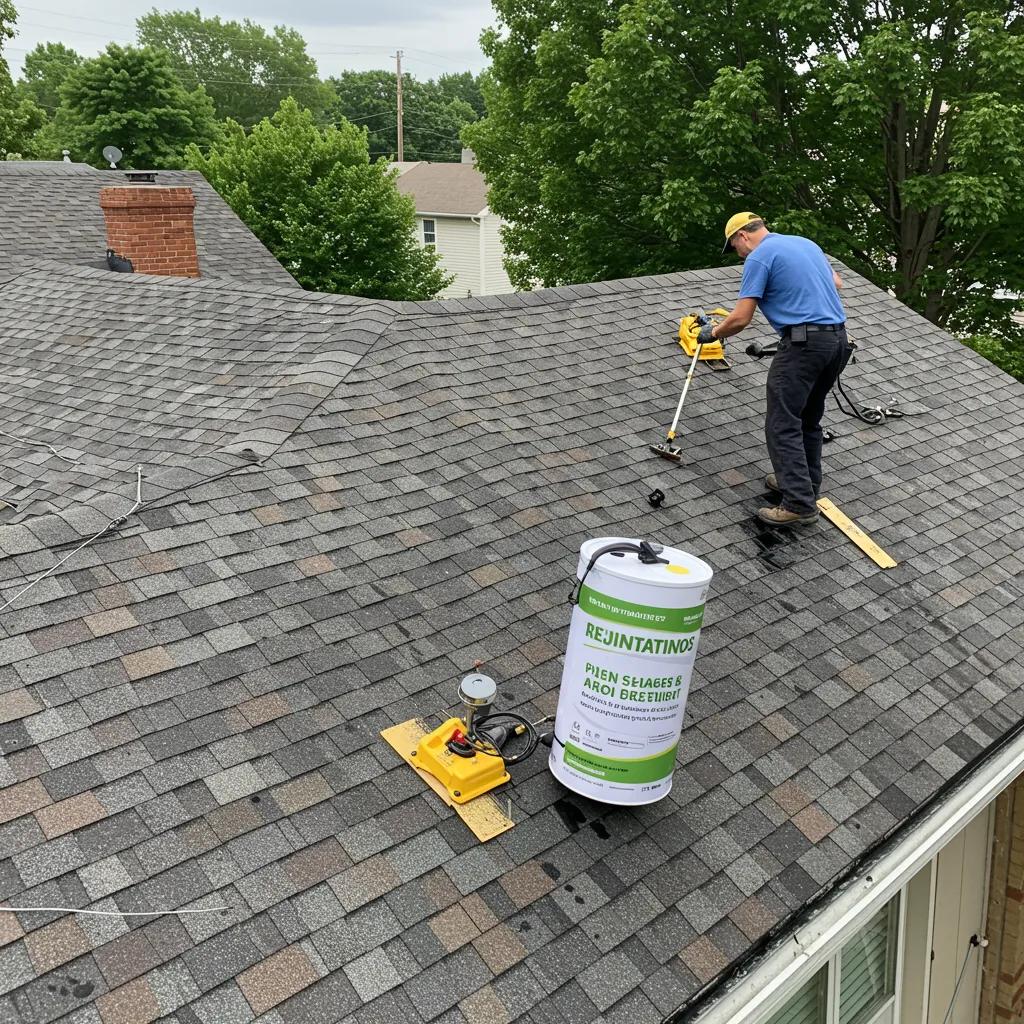
Roof rejuvenation is a treatment process that applies a proprietary blend of plant-based oils and sealants to aged asphalt shingles. The method begins with a thorough cleaning to remove debris and surface oxidation, ensuring optimal oil penetration. Technicians then spray a low-viscosity formulation that replenishes lost bitumen, restoring shingle flexibility and adhesion. This service typically requires a single visit and can be completed within one day on an average-sized residential roof. The result is an extended service life that bridges the gap between repair and full replacement.
Which Products and Technologies Are Used in Roof Rejuvenation?
Modern rejuvenation relies on bio-oils, proprietary polymer enhancers, and aerosolized sealants that bond with asphalt granules. Industry-leading treatments such as Roof Maxx use plant-based triglycerides to replenish oils while protecting against UV degradation. Advanced formulations include nanopolymer additives that fill micro-cracks and improve water resistance. Application methods range from truck-mounted sprayers for large commercial roofs to backpack units for hard-to-access residential areas. These technologies combine to reinforce shingles, slow granule loss, and restore original pliability.
Soybean Oil Emulsions for Restoring Asphalt Shingle Performance
Here we report the revitalization of aged asphalt roofing shingles by applying semi-epoxidized soybean oil (SESO) as an aqueous emulsion. We hypothesized that the reactivity of SESO oxirane with oxidized components of the shingle asphalt composition would improve durable performance through an internal plasticization mechanism. Using SESO emulsions at 10 wt% and 30 wt%, together with a 10 wt% soy-based methyl ester emulsion (SME) as an inert control, we applied 200 mL/m2to 3-tab and architectural shingles in both new and 15 + year-aged states. Key performance metrics were grit adhesion, flexibility, crack, hail, and flame resistance. Although all treatments improved grit retention, both SESO-based emulsions significantly outperformed SME treatment in all other respects. All treatments reduced the flexural modulus due to plasticization; Aged samples treated with 10 wt% SESO and SME exhibited values comparable to new shingles. Although 30 wt% SESO-treated samples were overly softened, the 10 wt%-treated shingles exhibited restored ductility, hail resistance, and reduced flame spread compared to both SME-treated and untreated specimens. The results suggest that SESO is effective in penetrating and reacting with asphalt in aged shingles, restoring many key aspects of shingle performance to those of new shingles. This strategy could support the circular economy by extending the service life of asphalt shingles.
Restoring Asphalt Shingle Integrity with Soybean Oil-Based Emulsions: A Case Study on Performance, Durability, and Sustainability, B Kuehl, 2025
How Does Rejuvenation Extend Asphalt Shingle Life?
Rejuvenation extends shingle lifespan by replacing oils that evaporate over time and by resealing loose granules that protect underlying asphalt. Natural oil replenishment prevents brittleness, allowing shingles to flex under wind, snow, and temperature fluctuations without cracking. Polymer sealants bond granules back onto the shingle surface, reducing further erosion and stabilizing the weathering layer. Field studies show that treated shingles can gain an additional 5–15 years of service life per treatment cycle. This extension delays the high cost and environmental impact of full roof replacement.
When Is Roof Rejuvenation the Right Choice?
Rejuvenation is ideal for roofs aged 8–12 years that exhibit moderate granule loss and stiffness without structural damage. Choose treatment when shingles show early signs of dryness or light granular erosion but retain overall integrity. Ideal candidates have no active leaks, no significant curling, and a solid plywood deck beneath.
- Roof age between eight and twelve years
- Minor granule degradation and slight stiffness
- No visible water infiltration or deck damage
- Budget constraints favor cost-effective maintenance
This set of conditions signals that rejuvenation can restore performance and postpone replacement without compromising protection.
What Is Full Asphalt Shingle Roof Replacement and When Is It Necessary?
Full asphalt shingle roof replacement refers to the comprehensive process of removing the existing asphalt shingles from a building’s roof and installing a new layer of shingles. This method is typically undertaken when the roof has reached the end of its lifespan or has sustained significant damage. Unlike minor repairs that address isolated issues such as leaks or missing shingles, a full replacement involves stripping the roof down to the decking, inspecting the underlying structure for damage, and then applying new shingles. This ensures that the entire roofing system is sound, reliable, and capable of providing optimal protection against the elements. The process includes not only the shingles themselves but may also involve replacing underlayment, flashing, and ventilation systems, making it a comprehensive solution for homeowners facing severe roofing problems.
Determining when a full asphalt shingle roof replacement is necessary involves several factors. Homeowners should consider age, as roofs typically last 20 to 30 years, depending on the quality of materials and local weather conditions. Signs of deterioration, such as curling or buckling shingles, widespread granule loss, or water damage in the attic, indicate that immediate action may be necessary. Additionally, if the roof has undergone multiple repairs or if there is evidence of sagging or structural damage, a full replacement might be the most effective course of action. Regular inspections and maintenance are crucial for identifying these issues early, helping homeowners avoid unexpected costs associated with extensive damage and ensuring that their investment in roofing remains sound for years to come.
What Does a Full Roof Replacement Include?
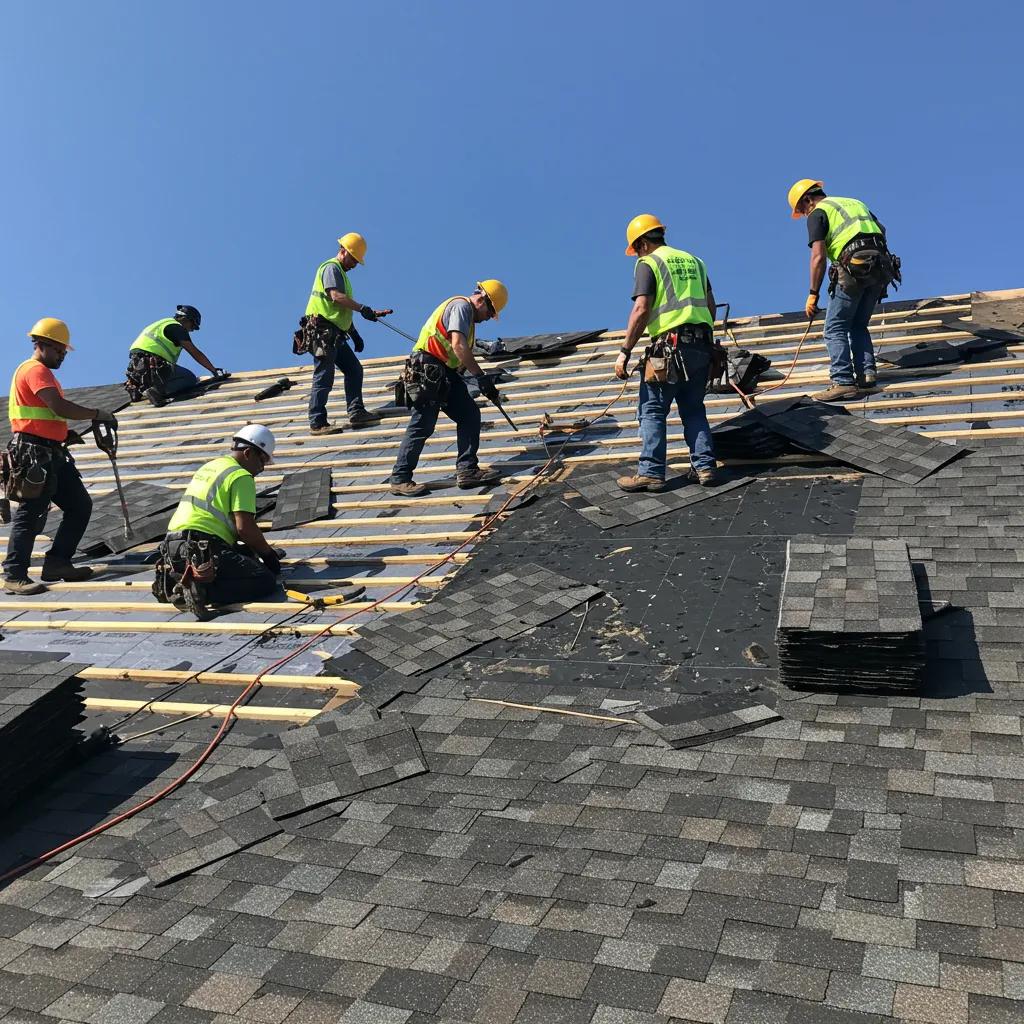
A full roof replacement involves stripping existing shingles down to the roof deck, inspecting and repairing any underlying damage, installing new underlayment and flashing, and laying fresh asphalt shingles. The process begins with a complete tear-off to remove degraded materials and reveal deck conditions. Next, trained installers secure synthetic underlayment for improved water resistance before fastening shingles according to manufacturer specifications. Final steps include ridge cap installation, ventilation enhancement, and job-site cleanup. This comprehensive approach ensures a uniform warranty and long-term weatherproofing.
What Types of Asphalt Shingles Are Available for Replacement?
Homeowners can choose from three-tab shingles for straightforward protection, architectural (laminate) shingles for added dimensional appeal, or premium designer styles for enhanced curb appeal. Three-tab options offer cost efficiencies and a lifespan of 15–20 years, while architectural shingles provide thicker profiles, superior wind resistance, and warranties up to 30 years. Designer shingles incorporate multiple color blends and advanced granule technologies for energy reflectivity. All materials come from trusted manufacturers such as Atlas, ensuring compatibility with local climate demands.
When Should You Choose Full Replacement Over Rejuvenation?
Full replacement is warranted when shingles exhibit severe curling, widespread cracking, active leaks, or when the existing roof has reached its 20- to 25-year service limit. Structural issues like rot or deck deterioration uncovered during inspection also necessitate replacement to maintain building integrity. Properties undergoing renovations or aiming to upgrade insulation and ventilation often benefit from a fresh installation. In these cases, complete replacement provides a clean slate, new warranties, and the opportunity for energy-saving upgrades.
How Do Roof Rejuvenation Costs Compare to Full Replacement Costs in Southeast Michigan?
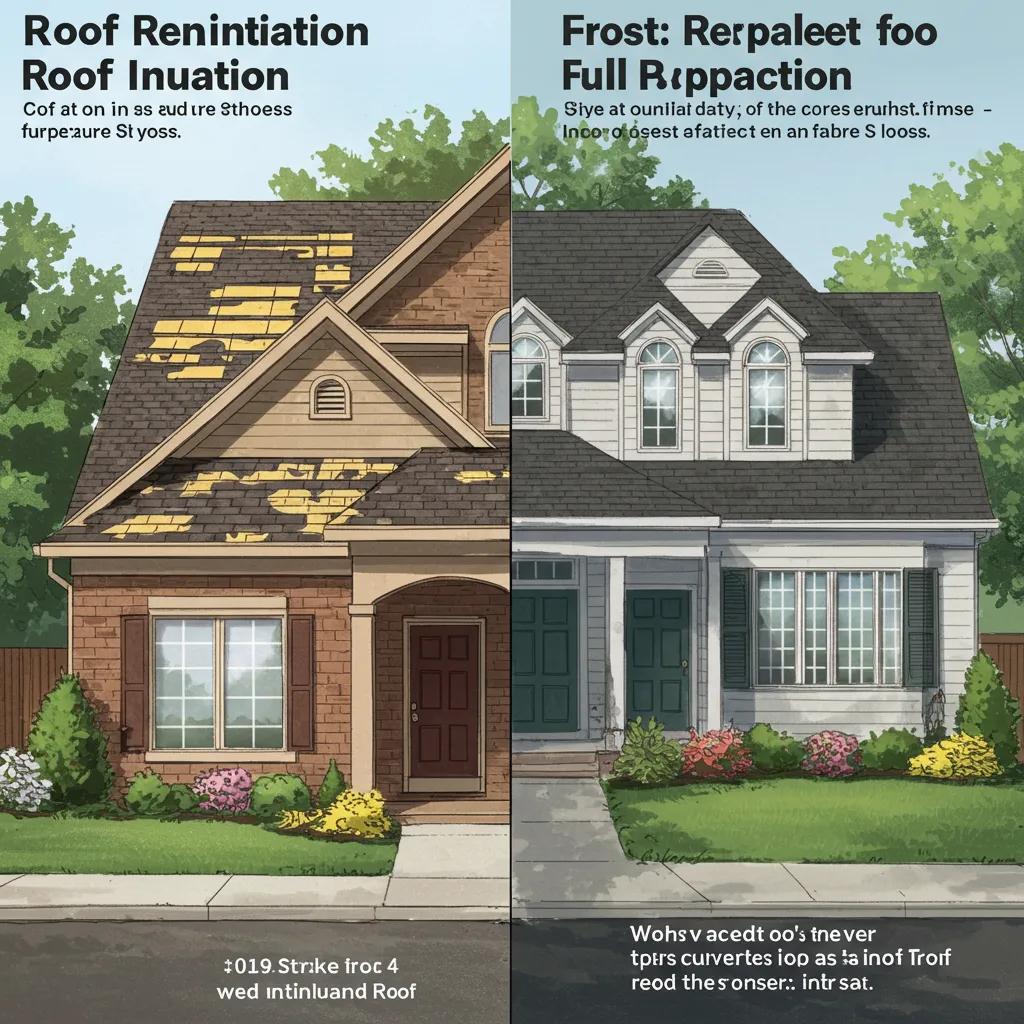
Before reviewing detailed factors, the table below contrasts average local costs, typical lifespans, and return-on-investment considerations.
What Is the Average Cost of Roof Rejuvenation?
In Southeast Michigan, asphalt shingle rejuvenation services typically range from $1,500 to $3,500, depending on roof size, pitch, and access. Factors such as cleaning requirements, number of treatment coats, and complexity of roof features influence total cost. Customers save thousands compared to full replacement by targeting only the existing shingle surface. The lower price point makes rejuvenation an attractive mid-life option for extending roof performance without substantial capital expenditure.
What Is the Average Cost of Asphalt Shingle Replacement?
A full asphalt shingle replacement in the region generally costs between $15,000 and $27,500 for an average 2,000-square-foot home. Material selection, including three-tab versus architectural shingles, and the extent of underlayment upgrades drive price variation. Steeper roofs, custom details, and enhanced ventilation packages add to labor time and overall expense. While replacement demands higher investment, it secures a new warranty and resets the roof’s expected lifespan.
What Factors Influence Pricing for Both Options?
Several variables affect both rejuvenation and replacement pricing:
- Roof Size and Pitch – Larger or steeper roofs require more materials and labor.
- Material Quality – Premium oil treatments or designer shingles carry higher unit costs.
- Accessibility – Features like skylights, chimneys, and multi-level sections increase complexity.
- Labor Rates – Local labor availability and seasonal demand can shift contractor fees.
These factors should be weighed against budget and long-term goals when selecting a solution.
How Does Long-Term Value and ROI Differ Between Rejuvenation and Replacement?
Rejuvenation delivers rapid returns by deferring replacement costs and avoiding waste disposal fees, making ROI attractive for shorter planning horizons. Full replacement, however, enhances property value, reduces maintenance calls, and offers insurance and manufacturer warranties that safeguard future budgets. Over a 20-year period, replacement may achieve a stronger asset ROI despite higher initial outlay, while rejuvenation maximizes near-term savings and sustainability.
What Are the Benefits and Drawbacks of Roof Rejuvenation Compared to Full Replacement?
Roof rejuvenation is an increasingly popular alternative to full roof replacement, offering a range of benefits that homeowners may find appealing. One of the primary advantages of roof rejuvenation is its cost-effectiveness. Rather than investing a significant sum into a complete roof overhaul, rejuvenation typically involves applying a specialized treatment that revitalizes existing roofing materials, extending their lifespan for several years. This approach not only saves money in the short term but can also minimize the environmental impact associated with the disposal of old roofing materials, making it a more sustainable choice. Additionally, roof rejuvenation can restore the aesthetic appeal of a home by improving the appearance of worn or weathered roofing surfaces, enhancing curb appeal without the disruption of a full replacement.
However, it is essential to consider the drawbacks of roof rejuvenation when deciding between this method and full replacement. One key limitation is that rejuvenation treatments are not suitable for all types of roofs or severe damage situations. If the roofing has extensive wear, leaks, or structural issues, a full replacement may be the only viable solution. Furthermore, while rejuvenation can extend the life of the roof, it doesn’t guarantee the same durability and longevity that a new roof can provide. Homeowners should also be aware that the effectiveness of rejuvenation products can vary widely, potentially leading to disappointment if expectations are not aligned with the actual results. Ultimately, while roof rejuvenation presents a compelling alternative for many, careful consideration of the roof’s condition and the long-term goals of the homeowner is crucial in making the right choice.
What Are the Cost Savings and Lifespan Benefits of Rejuvenation?
Rejuvenation can cost as little as 15–25% of a full replacement while adding up to 15 extra years of service life. Property owners avoid tear-off and landfill fees, which can exceed $2,000 per project. Treatment also requires minimal disruption compared to multi-day replacement installations. The trade-off is that rejuvenation does not reset warranty periods or address underlying deck or underlayment issues.
How Does Roof Rejuvenation Impact the Environment?
By extending the life of existing asphalt shingles, rejuvenation reduces landfill waste and emissions associated with manufacturing new roofing materials. Recycling avoided tons of shingle debris helps meet sustainability goals and lowers carbon footprint. Additionally, plant-based oil treatments have a smaller environmental impact than solvent-based coatings. This eco-friendly approach aligns with growing demand for green building solutions.
What Are the Advantages of Full Roof Replacement?
Full replacement provides a brand-new roofing system with fresh underlayment, improved ventilation, and modern shingles that can reflect solar heat. New installations qualify for extended manufacturer warranties and may boost home resale value. Replacement also eliminates any underlying damage and allows for insulation upgrades, contributing to lower energy bills. The aesthetic enhancement of a new roof can transform curb appeal and reinforce structural integrity.
What Are the Limitations and Disadvantages of Each Option?
Rejuvenation cannot fix structural damage, underlying leaks, or rotten decking, limiting it to cosmetic and protective treatments. Its lifespan extension is finite and may require repeat applications. Full replacement entails higher upfront cost, longer project duration, and greater disturbance to occupants. Disposal of old materials adds environmental burden unless recycled. Homeowners must weigh immediate savings against long-term assurances.
How Can Southeast Michigan Weather and Local Conditions Affect Your Roofing Decision?
Southeast Michigan’s weather is characterized by a diverse range of conditions, from harsh winter snowstorms to hot, humid summers, which can significantly impact roofing decisions for homeowners in the region. The intense cold can lead to ice dam formation and snowfall accumulation, causing added stress on roofs that may not be equipped to handle such conditions. Homeowners need to consider insulation and ventilation options to mitigate ice dam risks and ensure that their roofing system can withstand the heavy weight of snow. Additionally, the region experiences seasonal fluctuations that may necessitate different roofing materials and styles; for instance, materials that offer better thermal performance could help manage indoor temperatures, creating a more energy-efficient home.
Moreover, the local climate also influences the longevity and maintenance needs of various roofing systems. Southeast Michigan often experiences rain and humidity, which can create an environment conducive to mold and mildew growth. Consequently, homeowners should opt for materials that can resist moisture or require minimal maintenance to avoid frequent repairs or replacements. The durability of roofing materials under varying weather conditions plays a crucial role in long-term satisfaction and financial investment. Therefore, when selecting a roof, it is essential for homeowners in Southeast Michigan to consider not only the aesthetic appeal but also how different materials will perform in relation to the area’s unique weather patterns and local environmental factors.
What Common Roof Issues Are Caused by Southeast Michigan Weather?
Heavy snow loads and freeze-thaw cycles accelerate granule loss and shingle brittleness, leading to surface cracking and potential leaks. High humidity can trap moisture beneath shingles, fostering algae growth and underlayment rot. Seasonal wind gusts may lift or displace shingles, creating gaps that admit water. These local stressors demand solutions that restore flexibility or replace aged materials before serious damage occurs.
How Do Local Building Codes Influence Roof Replacement and Rejuvenation?
Southeast Michigan codes require specific underlayment types, ice-and-water shield in overhangs, and defined ventilation ratios for attic systems. Full replacements must comply with updated wind-resistance guidelines and flashing standards around chimneys and valleys. While rejuvenation typically falls under maintenance provisions, contractors must ensure treatments do not violate fire-resistance or material approval guidelines. Knowledge of regional regulations ensures compliant, safe installations.
How Does EverNew Roofing’s Local Expertise Benefit Your Roofing Project?
EverNew Roofing’s familiarity with county-by-county regulations and weather patterns ensures precise material selection and application methods. Technicians anticipate snow load demands and ventilation needs unique to Michigan, optimizing treatment thickness or shingle fastening patterns. Local sourcing of Atlas-certified shingles and approved underlayments streamlines compliance. This regional insight minimizes costly rework and maximizes roof performance under area-specific conditions.
How Do You Decide Between Asphalt Shingle Rejuvenation and Full Replacement?
When faced with the decision between asphalt shingle rejuvenation and full replacement, homeowners must evaluate several critical factors to determine the best course of action for their roofs. Asphalt shingle rejuvenation involves applying a specialized treatment that penetrates the shingles, restoring their flexibility, and enhancing their life span. This option is typically less expensive and less invasive than a full roof replacement, making it an attractive choice for those looking to extend the life of their existing roof without committing to a complete overhaul. Rejuvenation is especially beneficial for roofs that are showing signs of aging but are structurally sound, allowing homeowners to maintain coverage while saving both time and money.
On the other hand, full replacement becomes necessary when the roof has suffered significant damage, such as widespread leaks, broken shingles, or structural issues that cannot be addressed through rejuvenation. Evaluating the age of the roof is essential; generally, shingles older than 20 years may no longer provide adequate protection, even if they appear intact. Additionally, considerations like local climate conditions, roofing material quality, and personal budget can influence this decision. Ultimately, assessing the roof’s overall condition and consulting with a professional roofing contractor can aid homeowners in making an informed choice, balancing cost-efficiency with the long-term integrity of their home.
What Are the Key Factors to Consider When Choosing Your Roofing Solution?
Assess roof age, granule loss level, structural integrity, budget constraints, and long-term plans for the property. Weigh immediate cash flow needs against expected lifespan gains and warranty wants. Consider environmental goals, such as landfill waste reduction, alongside aesthetic priorities and energy efficiency upgrades. Evaluating these criteria helps match service options to project objectives and financial comfort.
How Can You Self-Assess Your Roof’s Condition?
Start with a visual inspection from ground level, looking for granular debris in gutters and discoloration on shingles. Use binoculars to spot curling, cracking, or missing tabs, then schedule a close-up attic check for daylight penetration. Note any water stains or mold in attic insulation, indicating leaks. Documenting these signs establishes a baseline for contractor recommendations.
What Tools and Resources Can Help You Make the Right Choice?
Interactive roof-condition quizzes and cost calculators can translate inspection findings into budget estimates. Roof angle measurement apps and DIY infrared cameras reveal thermal leaks and moisture intrusion. EverNew Roofing’s decision guide worksheets outline restoration triggers, repair thresholds, and replacement criteria. These tools empower homeowners to discuss precise concerns during consultation.
Why Choose EverNew Roofing for Your Roofing Needs in Southeast Michigan?
EverNew Roofing delivers cost-effective solutions and extended roof lifespan through proven rejuvenation services backed by Atlas materials expertise. Full replacements adhere to local codes with high-performance architectural shingles. An instant quote system streamlines estimates, while local knowledge of weather impact and regulations ensures compliance. Trust in a partner who prioritizes durability, sustainability, and transparent pricing.
How Can You Get a Free Estimate for Roof Rejuvenation or Replacement from EverNew Roofing?
When homeowners consider roof rejuvenation or replacement, one of their foremost concerns is understanding the cost involved. EverNew Roofing provides a streamlined process for obtaining a free estimate, ensuring clients can make informed decisions without any financial commitment. Interested homeowners can start by visiting the EverNew Roofing website, where they will find a dedicated section for services like roof rejuvenation and replacement. This user-friendly platform enables potential clients to fill out a simple online form with their contact information and a brief description of their roofing needs. This initial step is crucial as it allows the EverNew team to understand the specific requirements of the project.
Following the submission of the form, a representative from EverNew Roofing will reach out to schedule a convenient time for a detailed assessment. This examination is vital as it provides insights into the roof’s current condition, assisting the professional team in presenting personalized recommendations. Homeowners can expect a thorough evaluation, including potential issues that could impact longevity and performance, such as missing shingles, leaks, or general wear and tear. By combining expertise with cutting-edge technology, EverNew Roofing offers accurate and transparent estimates, allowing clients to choose the most suitable options for rejuvenation or replacement based on their budget and preferences. This approachable and informative process aims to empower homeowners with knowledge, ensuring they are confident in their roofing decisions.
How Does the Instant Quote Process Work?
The instant quote process begins with a brief form detailing your roof’s size, slope, and preferred service type. Within hours, a customized estimate appears, outlining treatment or replacement costs and recommended next steps. This quick response eliminates guesswork and accelerates project planning. It also provides written documentation to compare options side by side.
What Information Do You Need to Provide for an Accurate Quote?
For the most precise estimate, share roof measurements or square footage, roof pitch, age of existing shingles, and any known damage areas. Indicate whether you prefer rejuvenation or a full replacement and note any special features like skylights or chimneys. Clear photographs of all elevations help verify measurements and access considerations, ensuring minimal back-and-forth.
How Quickly Can You Schedule a Roof Assessment?
After receiving your quote, EverNew Roofing typically schedules a no-obligation roof assessment within 2–5 business days. Technicians confirm structural conditions, verify measurements, and finalize material selections on site. This prompt inspection aligns with regional weather windows to optimize seasonal scheduling. Rapid turnaround lets you plan installation before peak winter or summer conditions.
Property owners who compare asphalt shingle rejuvenation services with full replacement gain clarity on costs, performance, and environmental impact. By aligning roof condition, budget, and local regulations, you can choose the most suitable solution. EverNew Roofing’s proven methods and regional expertise ensure peace of mind and lasting protection. Start your decision process today with a free, no-obligation estimate tailored to your Southeast Michigan property’s needs.
Frequently Asked Questions
What are the environmental benefits of choosing roof rejuvenation over full replacement?
Roof rejuvenation significantly reduces environmental impact by extending the life of existing shingles, which minimizes landfill waste and the carbon footprint associated with manufacturing new materials. By using plant-based oils, rejuvenation treatments are more eco-friendly compared to traditional solvent-based options. This approach aligns with sustainability goals, as it conserves resources and reduces the need for new roofing materials, making it a responsible choice for environmentally conscious homeowners.
How often should roof rejuvenation be performed for optimal results?
Typically, roof rejuvenation can be performed every 5 to 7 years, depending on the condition of the shingles and local weather conditions. Regular inspections can help determine the right timing for treatment. Homeowners should look for signs of granule loss, stiffness, or dryness, which indicate that rejuvenation may be beneficial. This proactive approach helps maintain roof integrity and prolongs its lifespan, ultimately saving costs on future repairs or replacements.
Can roof rejuvenation be applied to any type of asphalt shingles?
While roof rejuvenation is primarily designed for asphalt shingles, it is most effective on those that are aged between 8 to 12 years and show signs of moderate wear without significant structural damage. It is not recommended for severely damaged shingles or those that have reached the end of their lifespan. Homeowners should consult with a professional to assess whether their specific type of shingles is suitable for rejuvenation treatment.
What should homeowners expect during the roof rejuvenation process?
During the roof rejuvenation process, homeowners can expect a thorough cleaning of the roof to remove debris and oxidation, followed by the application of a rejuvenation treatment. This typically involves a single visit from trained technicians who will spray a proprietary blend of oils and sealants onto the shingles. The entire process is usually completed within a day, causing minimal disruption to the household while effectively restoring the roof’s flexibility and performance.
Are there any warranties associated with roof rejuvenation treatments?
Many roof rejuvenation treatments come with warranties that can range from 2 to 5 years, depending on the product used and the contractor’s policies. These warranties typically cover the effectiveness of the treatment in extending the life of the shingles and may include guarantees against defects. Homeowners should inquire about specific warranty details before proceeding with rejuvenation to ensure they understand the coverage and any conditions that may apply.
How can homeowners determine if their roof needs rejuvenation or replacement?
Homeowners can assess their roof’s condition by looking for signs such as granule loss, stiffness, curling, or visible leaks. If the roof is between 8 to 12 years old and shows only minor wear, rejuvenation may be a viable option. However, if there are significant structural issues, extensive damage, or the roof is over 20 years old, full replacement is likely necessary. Consulting with a roofing professional can provide clarity on the best course of action.
Conclusion
Choosing between asphalt shingle rejuvenation and full replacement can significantly impact your property’s longevity and budget. Rejuvenation offers a cost-effective solution that extends the life of your roof while minimizing environmental waste, making it an attractive option for many homeowners. However, full replacement provides a fresh start with new materials and warranties, ensuring long-term protection and value. Contact EverNew Roofing today for a free estimate tailored to your specific needs and make an informed decision for your Southeast Michigan property.