


Understanding Roof Shingle Sealant: Your First Line of Defense
Roof shingle sealant is the essential bonding material that holds asphalt shingles together and protects your home from the elements. Here’s a quick overview:
Types of Roof Shingle Sealants:
- Factory-Applied: Pre-applied asphalt strips that activate with sun and heat to bond shingles.
- Repair Sealants: Asphalt-based fillers, silicone, or polyurethane for patching leaks.
- Rejuvenation Treatments: Bio-oil formulas that penetrate aging shingles to restore flexibility and extend life.
- Protective Coatings: Acrylic or elastomeric coatings that seal entire roof surfaces.
When to Use:
- Sealing small leaks and roof penetrations.
- Patching cracked or damaged shingles.
- Preventing granule loss on aging roofs.
- Extending roof lifespan as an alternative to replacement.
If your roof shows signs of aging—like curling shingles or granule loss—the right sealant can add years to its life and save you thousands compared to a full replacement.
Asphalt shingles are manufactured with factory-applied sealants that are activated by the sun’s heat and UV rays. This process bonds the shingles into an integrated, wind-resistant system. However, as shingles age, they lose essential oils and become brittle. This is where repair sealants and rejuvenation treatments become crucial, offering a way to restore protection and extend roof life without the high cost of replacement.
As Jeffrey Goldman, I’ve seen how understanding roof shingle sealant options can save homeowners from premature replacement costs. This guide will break down what you need to know to make the best choice for your roof.
The Science Behind Roof Shingle Sealant and Its Benefits
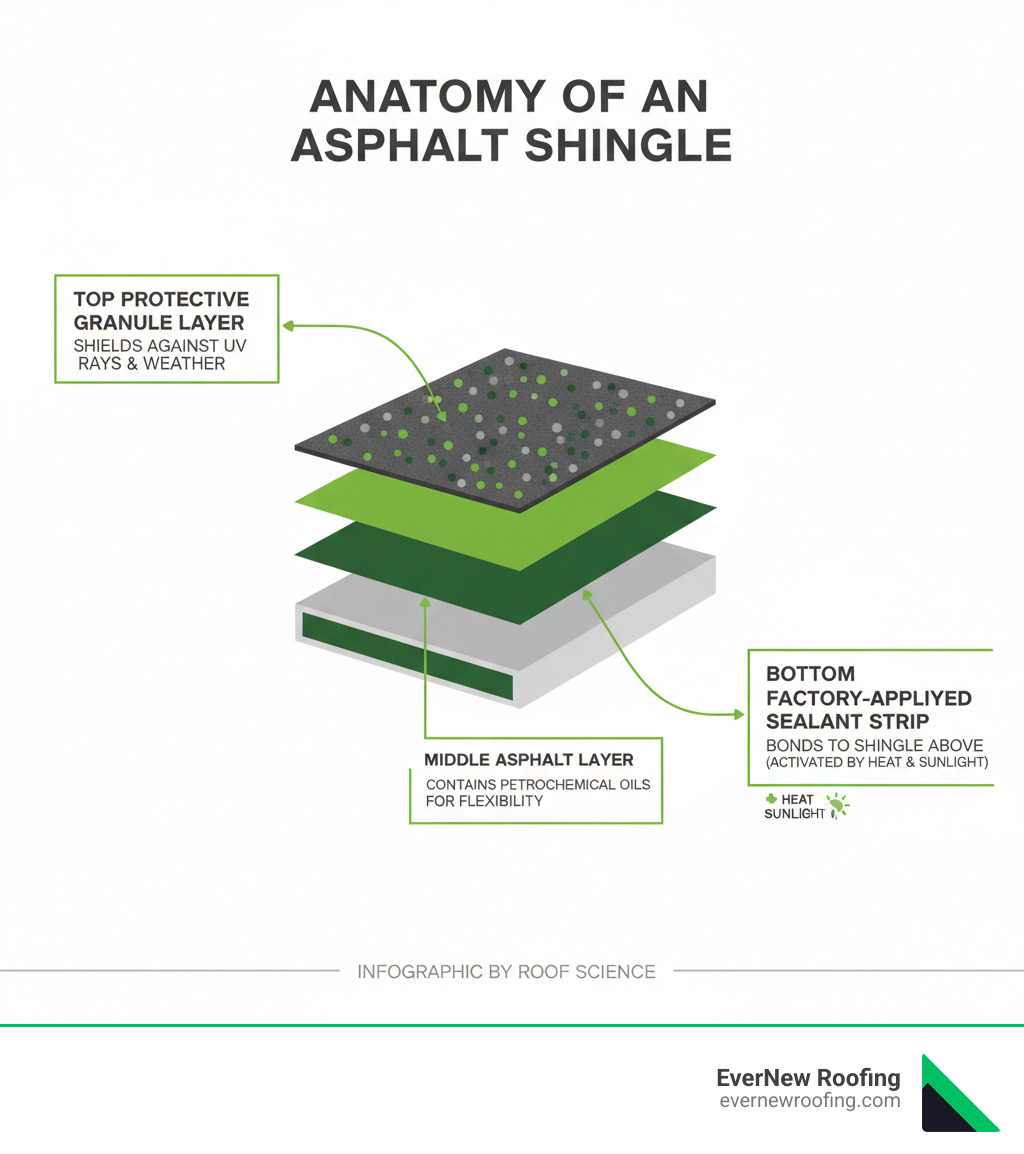
Think of roof shingle sealant as the glue holding your home’s suit of armor together. The factory-applied sealant on new shingles is an asphalt-based strip that remains dormant until after installation. The sun’s heat and UV exposure then activate the sealant, causing it to soften and bond with the shingle above it. This thermal bonding process is what gives your roof serious wind resistance, fusing individual shingles into a single, cohesive shield.
How Sealant Creates a Weatherproof Shield
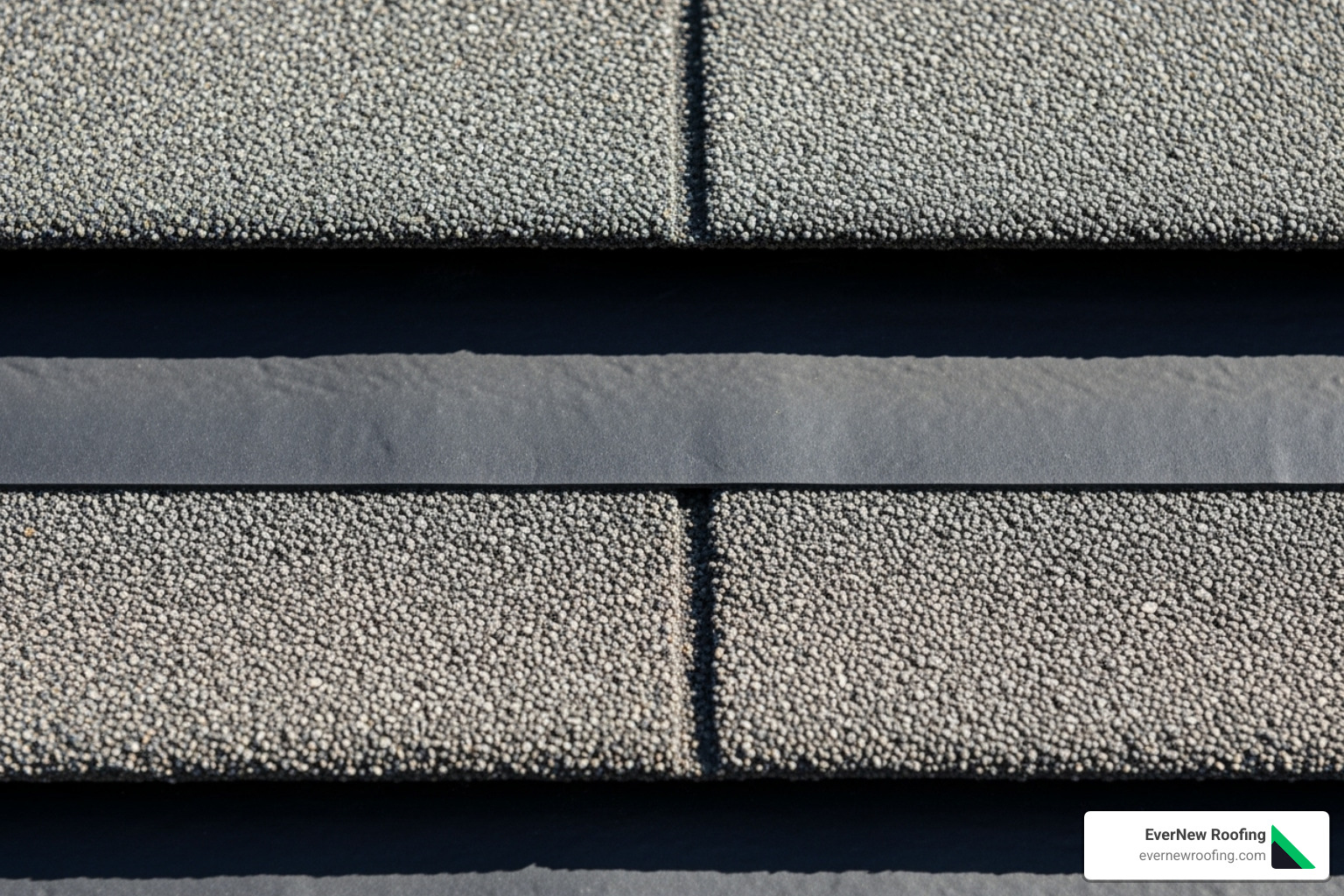
When shingles are installed in overlapping courses, the factory-applied sealant on each shingle bonds to the one above it. This creates an integrated roof system that is critical for protecting against wind uplift. Without this bond, strong gusts could lift and tear shingles away, leaving your roof exposed. The thermal bond also seals the vulnerable gaps between shingle courses, preventing water infiltration from rain, snow, and ice. Proper installation that follows manufacturer guidelines is essential to ensure each sealant strip makes full contact.
Key Benefits for Roof Longevity and Performance
The right roof shingle sealant does more than just stop leaks; it’s fundamental to your roof’s lifespan and performance.
-
Extending Shingle Life: As roofs age, essential oils in the asphalt evaporate, leaving shingles brittle. Rejuvenation treatments penetrate shingles to replace these lost oils. Lab tests show this can dramatically improve flexibility and granule adhesion. Each quality treatment can add five years of life to your roof, with the potential to extend it by 15 years with repeated applications.
-
Preventing Granule Loss: The granules on your shingles protect the asphalt from UV damage. Sealants and rejuvenators restore flexibility and help lock loose granules back in place, preserving this protective layer.
-
Waterproofing: A properly sealed roof prevents moisture from getting underneath the shingles, which can lead to rot, mold, and costly interior damage.
-
Restoring Flexibility & Wind Resistance: Flexible shingles can withstand temperature changes and weather stress without cracking or breaking. The restored bonds also help shingles resist wind uplift during storms.
-
Improved Energy Efficiency: Some modern sealants and coatings reflect UV rays, which can reduce heat absorption and lower summer cooling costs. For more on this, see our guide on How Roof Rejuvenation Boosts Your Home’s Energy Efficiency.
By extending your roof’s life, you also keep 3-4 tons of asphalt shingles out of landfills. Investing in the right sealant or rejuvenation service is proactive maintenance that extends the life of your roofing system while avoiding the expense of premature replacement. For more on professional services, visit EverNew Roofing’s roof rejuvenation services page.
Exploring the Types of Roof Sealants
Roof shingle sealant isn’t a one-size-fits-all product. The market offers various formulations designed for specific tasks, from patching a small leak to rejuvenating an entire roof. Choosing the right type depends on your roof’s condition and your goal.
Here’s a quick comparison of the main types of sealants:
| Type | Primary Use | Application Method | Flexibility (Post-Cure) |
|---|---|---|---|
| Asphalt-based | Patching leaks, sealing penetrations, general repairs on asphalt shingles | Caulk gun, trowel, brush | Moderate |
| Silicone | Sealing joints, flashing, metal details, high-flex areas | Caulk gun, brush | High |
| Polyurethane | Sealing seams, penetrations, metal roofs, various substrates | Caulk gun, brush | High |
| Acrylic | Protective coatings, sealing, extending shingle life | Brush, roller, spray | Moderate to High |
| Elastomeric | Reflective coatings, waterproofing, extreme temperature resistance | Brush, roller, spray | Very High |
| Rejuvenator (Bio-oil) | Restoring flexibility, granule adhesion, extending life of asphalt shingles | Spray | Restores original |
Common Formulations for Repair and Protection
For most homeowners, a few common roof shingle sealant formulations handle immediate repairs and protection.
-
Asphalt-based fillers are ideal for sealing small leaks, patching damaged shingles, and sealing around vents and chimneys. They are designed to adhere to asphalt and withstand UV light and weathering.
-
Silicone sealants offer superior flexibility and durability, making them perfect for sealing joints and flashing where movement is common. They resist extreme temperatures, UV light, and acid rain.
-
Polyurethane sealants provide a tough, waterproof seal for various roofing materials. They are great for protecting seams and flashings and can often be applied in colder temperatures (down to 30°F).
-
Acrylic coatings act as a protective layer, sealing shingles to guard against weather and mildew while reducing granule loss.
-
Elastomeric coatings are highly flexible coatings that expand and contract with temperature changes. Their reflective properties can also help reduce roof surface temperature and lower cooling costs.
For more guidance on recommended products and services, visit EverNew Roofing.
Rejuvenators: A Special Type of Roof Shingle Sealant
Beyond spot repairs, rejuvenators are a special class of roof shingle sealant that work from the inside out. These treatments use scientifically formulated agricultural oils (bio-oils) to penetrate deep into aging asphalt shingles. They replace the essential petro-chemical oils that have evaporated over time due to sun exposure.
This process restores flexibility to brittle shingles, reducing cracking and curling. Independent lab tests confirm that treated shingles go from failing to passing flexibility tests. Rejuvenators also improve granular adhesion by up to 53%, locking the protective granules back onto the shingle surface.
The primary benefit is extending roof life by 5-15 years. Each application adds up to five years of service, and with treatments every five years, you can delay a costly replacement for over a decade. This is not only cost-effective but also environmentally friendly, as these bio-oils are typically non-toxic and plant-based. Extending your roof’s life keeps 3-4 tons of shingles out of landfills.
Rejuvenation is a powerful alternative for aging roofs that are still in decent condition but not for those with severe deterioration or over 30% granule loss. To learn more, check out our guide: Discover How I Revitalize My Roof: Shingle Rejuvenation Tips.
A Practical Guide to Choosing and Applying Sealants
Choosing the right roof shingle sealant requires understanding your roof’s specific issues. Whether you’re patching a leak or considering a full rejuvenation, a little knowledge goes a long way.
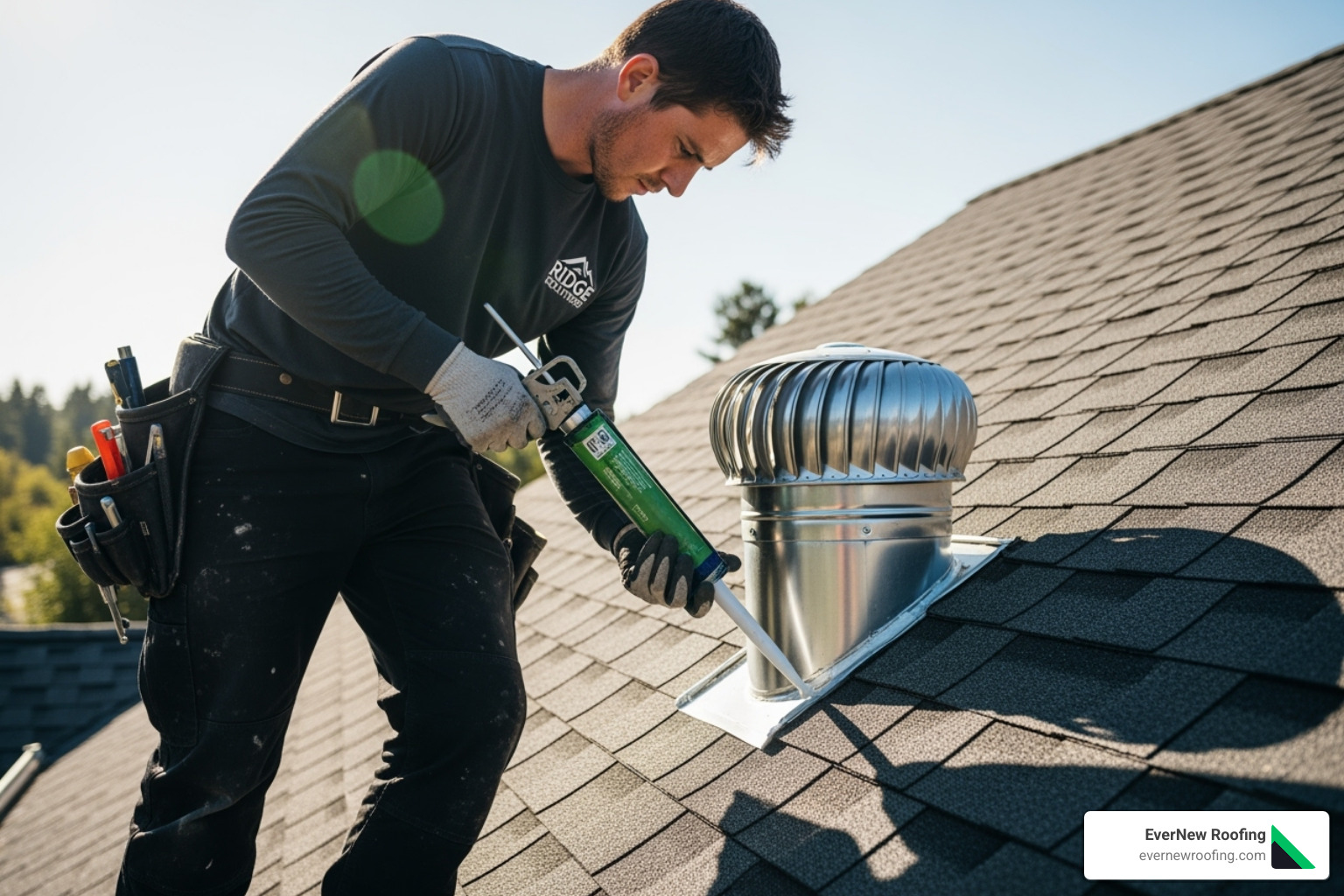
While some minor repairs can be a DIY job for those with experience and proper safety equipment, most roof work is best left to professionals. Working at heights is dangerous. If your roof is steep or you lack fall protection, please call a pro. Your safety is paramount. For best practices, consult resources from organizations like the Asphalt Roofing Manufacturers Association.
Factors to Consider Before Choosing a Roof Shingle Sealant
Before buying any roof shingle sealant, assess your roof’s condition.
-
Shingle Age and Condition: A young roof with a few cracked shingles may only need a repair sealant. A roof that is 15-20 years old with widespread brittleness or curling is a better candidate for a comprehensive rejuvenation treatment. Our guide on 5 Signs Your Roof Needs Rejuvenation can help you spot the warning signs.
-
Granule Loss: Check your gutters for an accumulation of shingle granules. If you’re seeing significant loss, your shingles are deteriorating. If more than 30% of the granules are gone, replacement is likely the only viable option.
-
Local Climate: A roof in Southeast Michigan faces harsh freeze-thaw cycles, ice, and intense sun. Your sealant must be able to withstand these conditions. We serve Lenawee, Livingston, Macomb, Monroe, Oakland, St Clair, Washtenaw, and Wayne Counties, including areas like Farmington Hills and Metro Detroit, so we understand what local roofs endure.
-
Product Compatibility: Always ensure the sealant is designed for your specific roofing material. Using the wrong product can cause damage.
-
Project Scope: Are you fixing one leak or trying to extend the life of the entire roof? A tube of sealant is for spot repairs; a rejuvenation treatment is for whole-roof life extension.
The Application Process: A Step-by-Step Overview
Proper application is key to getting the best results from any roof shingle sealant.
-
Roof Cleaning: The process starts with removing all dirt, debris, moss, and loose granules. A clean surface is essential for proper adhesion.
-
Inspection and Minor Repairs: Next, a thorough inspection identifies issues like nail pops, loose shingles, or damaged flashing. These problems are repaired before any sealant is applied.
-
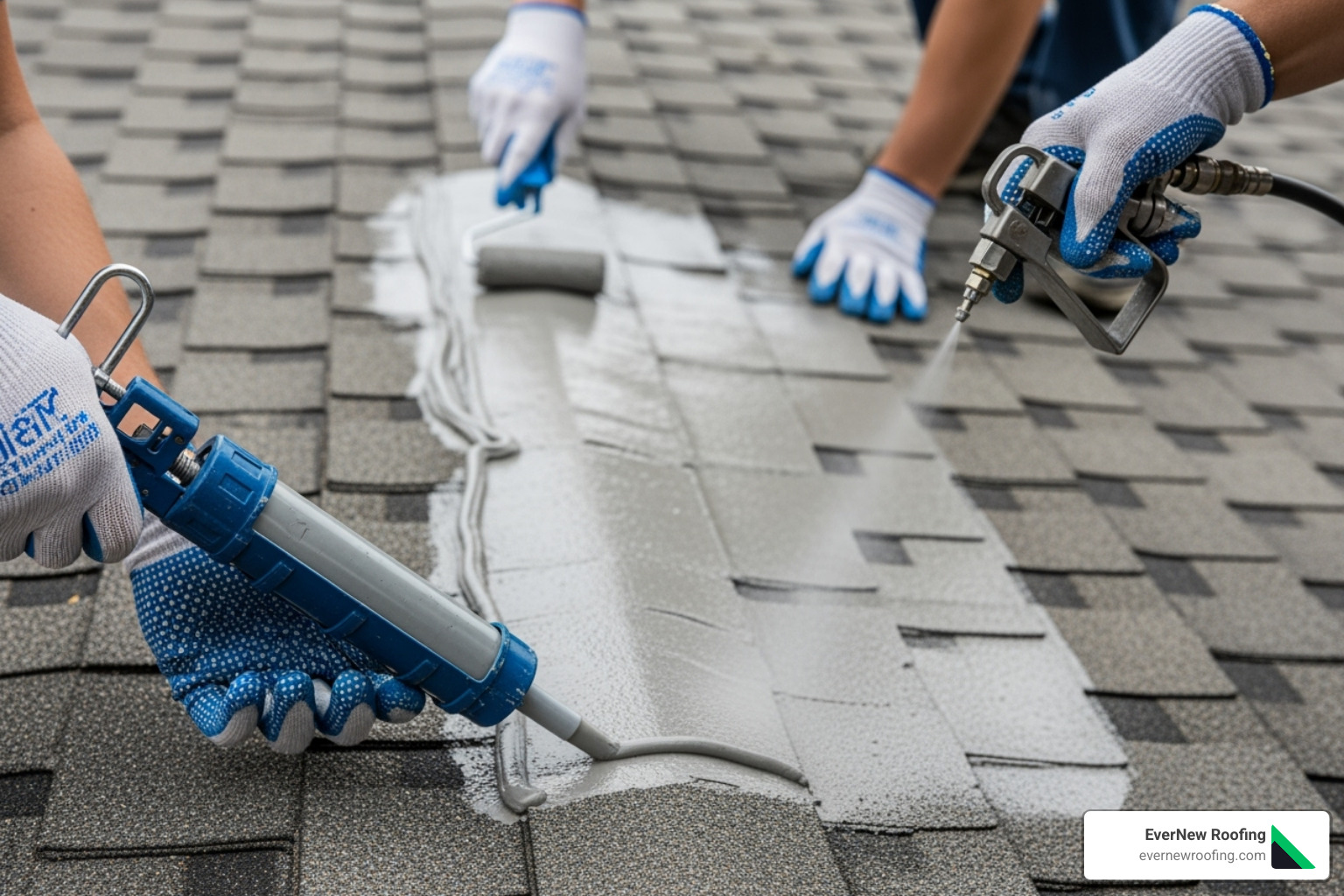
Applying the Sealant: The application method depends on the product. Cartridge sealants are applied with a caulk gun for precise repairs. Protective coatings are rolled or brushed on. Our rejuvenation treatments are spray-applied for even coverage and deep penetration.
-
Curing Time: All sealants need time to cure, which can take hours or days depending on the product and weather. This step is crucial for maximum performance.
-
Weather Conditions: Most sealants require mild, dry weather to cure properly. Extreme cold can halt the process, while rain can wash away uncured product. We always follow manufacturer guidelines and check the forecast.
Following these steps ensures your roof shingle sealant delivers the protection you expect. For more technical details, read our article on Key Roof Restoration Techniques for Asphalt Shingles Explained.
Sealants vs. Other Repair Products: What’s Right for Your Roof?
A roof shingle sealant is a valuable tool, but it’s important to know how it compares to other common roofing products to choose the right solution for your roof.
-
Roof Cement/Mastic: This thick, asphalt-based compound is great for quick, emergency patches on small holes or leaks. However, it’s less flexible than modern sealants and is best considered a temporary fix—a band-aid rather than preventative medicine.
-
Flashing: These metal barriers around chimneys and vents are a primary defense against leaks. Sealants work with flashing, creating the watertight bond where the metal meets the roof.
-
Traditional Roof Coatings: Liquid membranes like acrylic or elastomeric coatings form a protective shield on the roof’s surface. They provide excellent waterproofing but don’t penetrate the shingles to restore lost oils. It’s like putting a raincoat on a worn-out jacket.
This is where roof rejuvenation stands apart. These specialized roof shingle sealant formulas use bio-oils to penetrate the asphalt, replacing the oils lost to sun exposure. This process restores flexibility and granule adhesion, essentially reversing the aging process. It’s a true restoration that can add 5-15 years to your roof’s life.
When should you choose rejuvenation over a simple repair? Consider it when you see:
- Widespread granule loss in your gutters.
- Brittle, cracking, or curling shingles across the roof.
- Your roof is 8-10 years or older and entering its aging phase.
- You’re facing a potential replacement, as rejuvenation can save up to 80% of that cost.
Small, isolated issues can be handled with repair sealants. But for general, widespread signs of aging, a comprehensive rejuvenation treatment is often the smartest, most cost-effective investment. To help you decide, review our detailed comparison: The Cost of Roof Rejuvenation vs. Roof Replacement: Which is Right for You?.
Frequently Asked Questions about Roof Sealants
Homeowners often have questions about roof shingle sealant. Here are answers to some of the most common ones we hear at EverNew Roofing:
Can roof shingle sealant fix an active leak?
For a major, active leak, a tube of sealant is a temporary patch, not a permanent solution. While some products can be applied to wet surfaces for emergency repairs, they don’t address the root cause, which could be damaged underlayment or compromised flashing. Slapping sealant on top is like putting a bandage on a broken bone—it covers the problem but doesn’t fix it.
Sealants are excellent for spot repairs on minor issues like sealing around penetrations or securing a loose shingle before they become major leaks. For an active leak, the source must be identified and properly repaired first. We offer emergency services to help address urgent issues correctly.
How long does roof sealant last?
The lifespan of a roof shingle sealant depends on the product type and environmental conditions.
-
Repair Sealants: Traditional asphalt-based, silicone, or polyurethane sealants can last anywhere from 5 to 20 years. Longevity is affected by product quality, UV exposure, and weather. Many high-quality products come with 10-year warranties.
-
Rejuvenation Treatments: These specialized bio-oil sealants are designed to be reapplied. A single application adds about five years of life to your roof. With treatments every five years, you can extend your roof’s total lifespan by up to 15 years.
Proper application and regular inspections are key to maximizing any sealant’s lifespan.
Do I need to remove the plastic strip on new shingles before installation?
No, do not remove the plastic strip. This thin cellophane strip is a release agent designed to keep shingles from sticking together in the bundle during storage and transport.
Once installed, the strip is positioned where it has no effect on the roof’s performance. It does not interfere with the heat-activated factory-applied sealant that bonds the shingles together. Trying to remove it is unnecessary and could damage the shingle. Leave the strip where it is.
Conclusion
Your roof works hard to protect your home. Understanding how roof shingle sealant works—from factory-applied bonding strips to advanced rejuvenation treatments—empowers you to make smart maintenance decisions.
We’ve covered the science behind sealants, their benefits in extending roof life, the different types available, and how to choose and apply them. The key takeaway is that proactive maintenance with the right roof shingle sealant can save you a fortune.
Instead of facing a $15,000-$30,000 roof replacement, you can extend your current roof’s life by up to 15 years for a fraction of the cost. This saves you money and keeps 3-4 tons of asphalt shingles out of landfills—a win for your budget and the environment. Most asphalt roofs fail not from structural issues, but because they become brittle and lose their protective granules. Addressing this aging process is the smartest move a homeowner can make.
At EverNew Roofing, we help homeowners across Southeast Michigan avoid premature replacement with science-backed roof rejuvenation. If your roof is showing signs of aging, a cost-effective restoration may be the right choice.
Ready to see if your roof is a candidate for rejuvenation? Visit our roof rejuvenation services page to learn more and get an instant online quote. Your roof—and your wallet—will thank you.