

Why Getting a Roof Estimate in Metro Detroit Homeowners Can Trust Matters
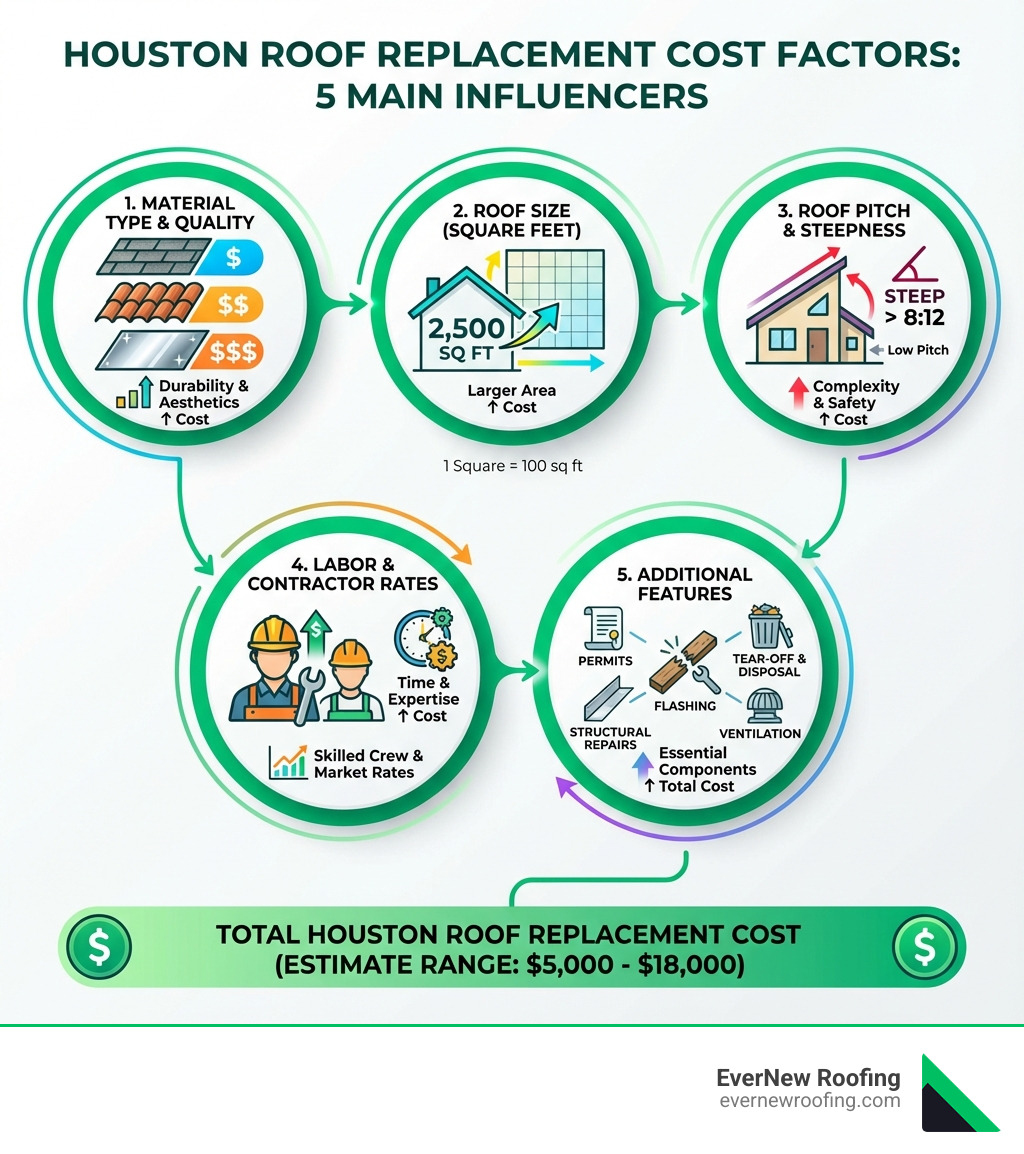
When you need a roof estimate in Metro Detroit, understanding what you’re paying for can save you thousands of dollars and prevent costly mistakes. Most homeowners in our area spend between $5,000 and $18,000 for a complete roof replacement, with costs averaging $4 to $6 per square foot. However, these numbers vary significantly based on your roof’s size, material choice, pitch, and complexity.
Quick Answer: Metro Detroit Roof Replacement Costs
- Average Total Cost: $5,000 – $18,000 (most common: ~$8,000)
- Cost Per Square: $300 – $450 (1 square = 100 sq ft)
- Cost Per Square Foot: $3.50 – $6.00
- Labor Percentage: ~60% of total cost
- Typical Project Timeline: 1-3 days for residential homes
- Estimate Validity: 30-90 days
Michigan’s four-season climate presents unique challenges for roofs. The harsh winters with heavy snow and ice dams, combined with summer heat and UV exposure, can cause shingles to crack, curl, and degrade. This means getting the right estimate—and choosing the right contractor—is critical for protecting your home investment.
This guide breaks down everything you need to know about getting a roof estimate in the Detroit area, from understanding cost factors and material options to vetting contractors and spotting red flags. You’ll learn what questions to ask, what should be included in your estimate, and how to avoid common pitfalls that could cost you thousands.
I’m Jeffrey Goldman, and while my background spans business development and health coaching, I’ve helped numerous property owners steer major home improvement decisions, including understanding roof estimate pricing and contractor selection. This guide combines industry research with practical insights to help you make an informed decision.
Understanding Average Roof Replacement Costs in Metro Detroit
Let’s face it, your roof is a massive investment, not just a hat for your house. It’s the first line of defense against Michigan’s often-unforgiving weather. So, when it comes to understanding the cost of a new roof, we need to look beyond a single number and dig into the averages and what they mean for your specific situation.
The average cost to replace a roof in the Detroit area hovers around $8,000. However, this is just an average, and most homeowners find themselves spending anywhere in the range of $5,000 to $18,000. This wide range accounts for the many variables we’ll discuss. When contractors talk about roofing costs, they often use a unit of measurement called a “square.” One roofing square equals 100 square feet. In our region, a new roof can cost between $300 and $450 per square. Breaking it down further, roofing companies typically charge an average of $3.50 to $6.00 per square foot for asphalt roof replacements.
It’s also important to know that labor isn’t a small slice of the pie; it typically accounts for a significant portion of the total cost. In fact, labor costs for roof replacement are around 60% of the overall project price. This means that while materials are important, the skill and time of the crew doing the work are substantial contributors to your final roof estimate.
Cost Breakdown by House Size
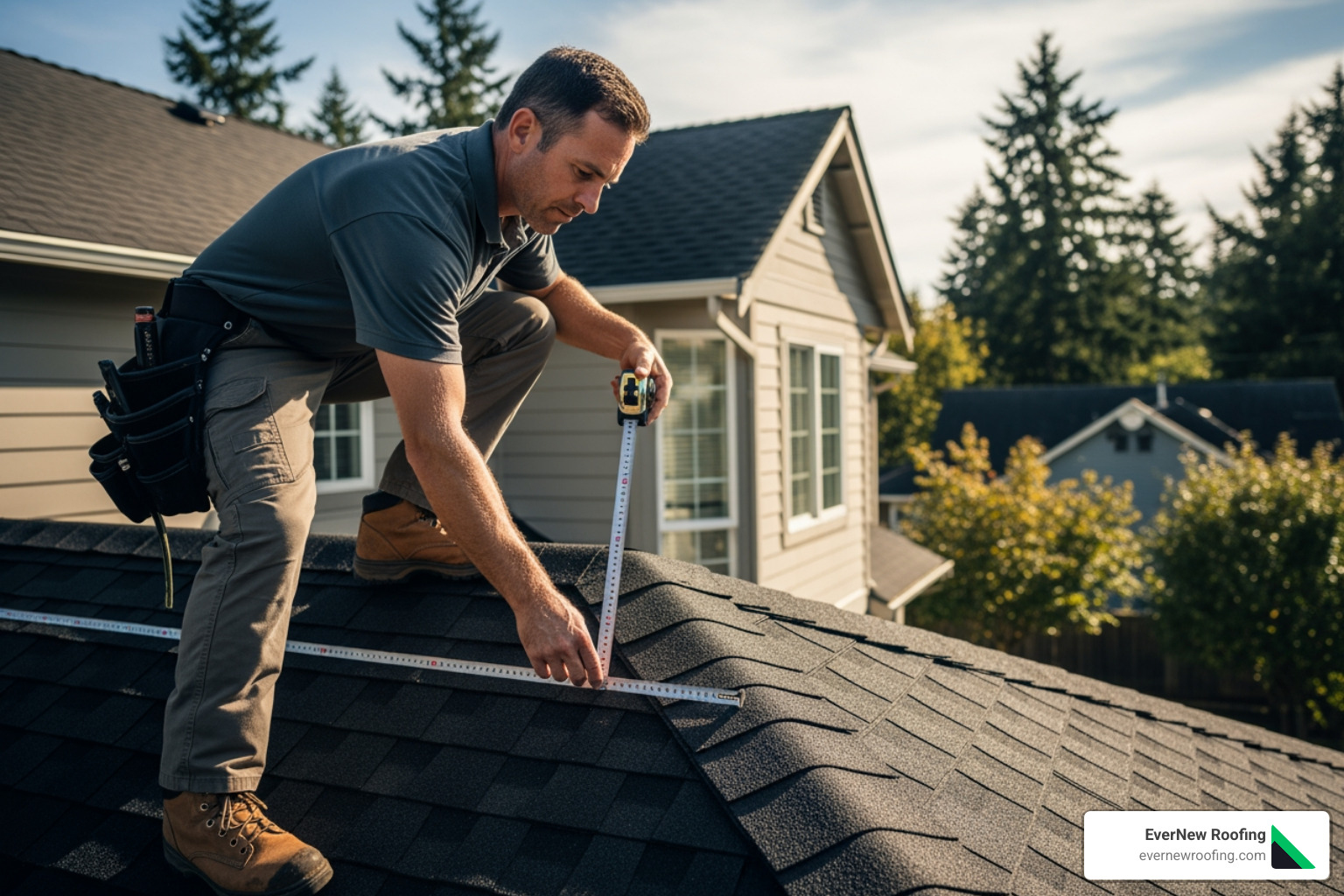
The size of your home is, understandably, one of the biggest determinants of your roof replacement cost. More roof surface means more materials and more labor. Let’s look at some typical scenarios for Michigan homes:
- 1,500 sqft home (15 roofing squares): For a typical asphalt shingle roof, you can expect costs to range from $4,500 to $6,750.
- 1,700 sqft home: Expanding slightly, a 1,700 square foot asphalt shingle roof replacement will generally cost between $6,000 and $9,000.
- 2,500 sqft home: For larger homes, a 2,500 square foot roof replacement can climb to between $11,131 and $15,085.
These figures provide a solid starting point for understanding how your home’s footprint translates into roofing costs. These are estimates for asphalt shingles, which are the most common choice due to their affordability and durability. For a deeper dive into how various factors, including size, can influence your project, you can explore our guide on What Affects Roof Replacement Costs For Homes And Offices?.
Cost Comparison of Common Roofing Materials
The type of material you choose for your roof is a huge factor in your overall roof estimate. Different materials offer varying levels of durability, aesthetic appeal, and, of course, price tags. Let’s compare some of the most popular options in Michigan:
| Material Type | Cost per Sq. Ft. (Installed) | Lifespan in Michigan | Pros – | –
| Asphalt Shingles | $3.50 – $6.00 | 15-25 years | – Most popular and affordable option.
– Wide range of colors and styles.
– Easy to install. | – Shorter lifespan in Michigan’s climate.
– Susceptible to ice dams and heavy snow.
– Less energy efficient than some alternatives. |
| Metal Roofing | $5.00 – $26.00 | 40-70 years | – Excellent durability and longevity.
– Sheds snow and ice easily.
– Fire resistant.
– Low maintenance. | – Higher upfront cost.
– Can be noisy during rain/hail.
– Installation requires specialized skills. |
| Clay Tiles | $8.00 – $30.00 | 50-100+ years | – Exceptional durability and longevity.
– Good insulation.
– Unique aesthetic appeal.
– Fire resistant. | – Very high upfront cost.
– Heavy, may require structural reinforcement.
– Can be brittle and crack in freeze-thaw cycles. |
Note: Costs are approximate and can vary based on specific product, contractor, and roof complexity.
While asphalt shingles from brands like Owens Corning or CertainTeed are popular for their balance of cost and performance, other materials offer distinct advantages. For instance, metal roofs, which can cost between $9,200 and $23,000 for an average-sized roof (or $5.00 to $26.00 per square foot), are excellent at shedding snow and ice, a big plus in Michigan winters. They also boast a longer lifespan, often exceeding 40 years. Clay tiles, while significantly more expensive at $13,250 to $42,000 total (or $8.00 to $30.00 per square foot), provide excellent durability but can be susceptible to cracking in freeze-thaw cycles.
Other options like slate tiles ($7.00 – $12.50 per sq ft), cedar wood shakes ($6.00 – $9.50 per sq ft), and concrete tiles ($4.00 – $7.00 per sq ft) also have their place, offering different aesthetics and performance characteristics. Your material choice will be a cornerstone of your roof estimate.
Key Factors That Drive Your Roof Estimate Up or Down
Beyond the basic material choice, several significant factors can dramatically influence your roof estimate. Think of it like ordering a pizza: the base size and toppings are just the beginning; extra cheese, delivery, and whether it’s a complicated custom order all add up.
- Roof Size: As we discussed, the larger your roof’s surface area (measured in squares), the more materials and labor it will require, directly increasing the cost.
- Roof Pitch (Steepness): This is a big one. A steeply pitched roof is more challenging and dangerous to work on. It requires more safety equipment, more time, and often specialized techniques. Our research indicates that steeper roofs can add approximately 5% per point of pitch above 4/12 to the cost. If your roof looks like it’s trying to touch the sky, expect a higher labor charge.
- Complexity: Simple, uninterrupted roofs are quicker and easier to replace. But most homes aren’t that simple. Features like multiple valleys, hips, dormers (those cute little windows poking out of the roof), skylights, and chimneys all add complexity. Each of these requires careful flashing, cutting, and sealing, increasing both material waste and labor time. For instance, each skylight installation can add around $650 to your project, and chimney repair can run about $3,500. The more architectural “bells and whistles” your roof has, the higher your roof estimate will be.
Understanding these elements is crucial for anticipating your costs and having a meaningful conversation with your roofing contractor. For a comprehensive look at what’s involved in the actual process, check out our guide on Key Aspects Of The Roof Replacement Process To Know.
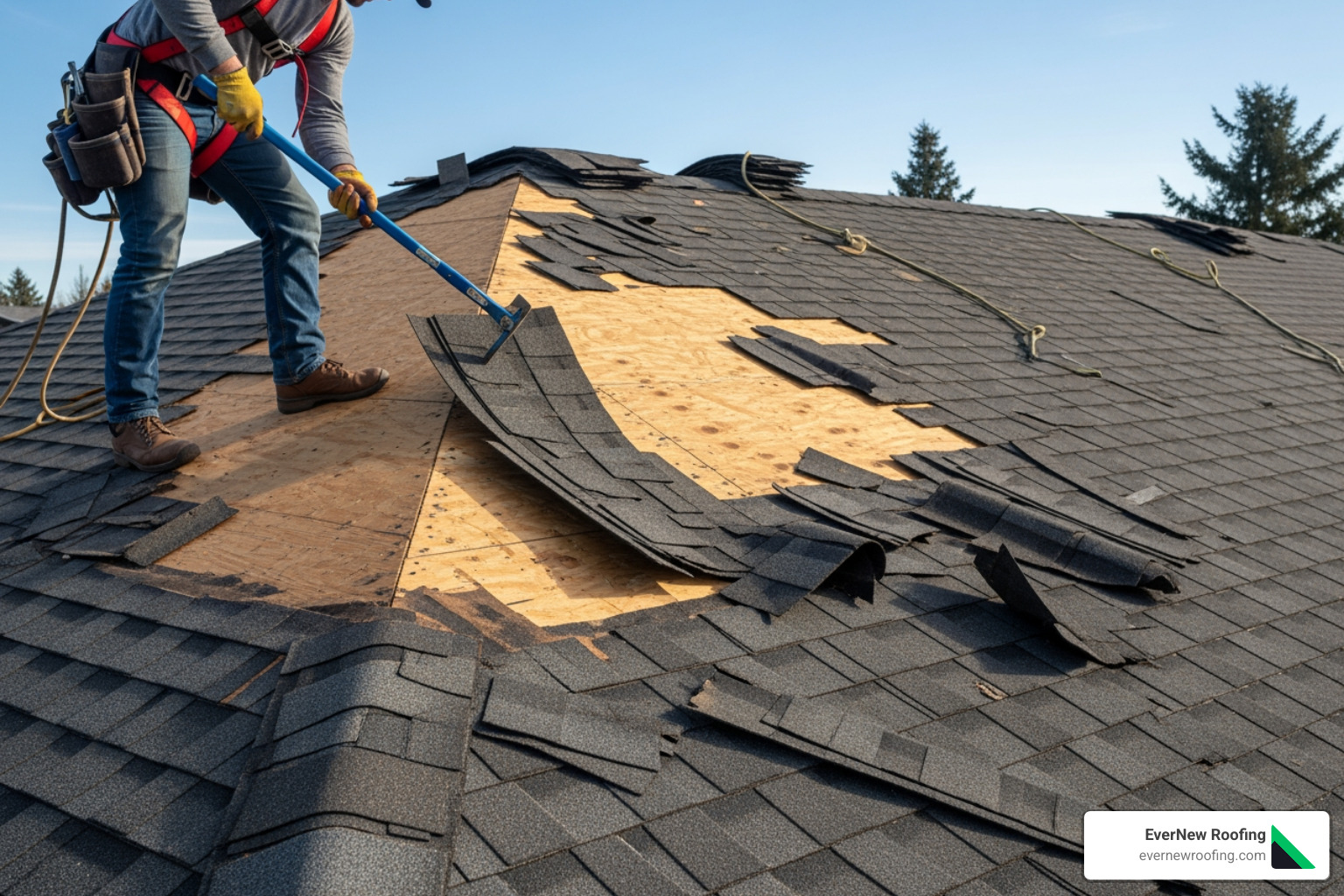
Tear-Off, Disposal, and Structural Repairs
It’s not just about putting new material on; it’s also about taking the old stuff off, and sometimes, fixing what’s underneath. These “hidden” costs can significantly impact your roof estimate.
- Multiple Shingle Layers: If your existing roof has multiple layers of shingles (a common practice to save money in the past), the tear-off process becomes more extensive. Each additional layer typically costs $1-$2 per square foot to remove.
- Tear-Off Costs: Removing the existing roof material and preparing the deck for new installation is a necessary step. This generally adds $1-$2 per square foot to your project total. Overall, roof removal and disposal can range from $0.40 to $2.00 per square foot, with disposal costs alone averaging around $280.
- Decking Replacement: Sometimes, once the old roof is off, we find damaged, rotted, or weakened roof decking. Replacing or repairing this can add $2.20 to $3.00 per square foot. It’s an essential step to ensure your new roof has a solid foundation.
- Underlayment: A new underlayment is critical for protecting your roof deck. While traditional felt has been used for years, synthetic underlayment is now a superior choice – it’s lighter, safer, and more tear-resistant. Replacing underlayment can add $1.50 to $2.10 per square foot.
- Flashing and Pipe Boots: These are crucial for preventing leaks around chimneys, vents, and other penetrations. Flashing costs around $9.00 to $11.00 per foot, and replacing pipe boots can be $63.00 to $85.00 each. Don’t skimp on these; they’re often the unsung heroes of a watertight roof.
- Structural Repairs: Beyond decking, more extensive structural repairs might be needed if there’s significant water damage, sagging, or issues with the trusses or rafters. These costs can range from $350 to $2,000 or more, depending on the severity.
These additional costs are why a thorough inspection is so important before a roof estimate is finalized. We need to know what we’re getting into!
The Impact of Michigan’s Climate and Codes
Living in Michigan means dealing with a unique set of climatic challenges that directly affect your roof’s lifespan and the cost of replacement.
- Michigan Climate: The Great Lakes State brings a full range of weather, from hot, humid summers to frigid, snowy winters. This constant cycle of freezing and thawing, combined with heavy snow loads and the potential for ice dams, puts immense stress on roofing materials.
- Roof Longevity: Due to these harsh conditions, most asphalt shingle roofs in Michigan typically last 15 to 20 years. More durable materials like metal can last for 40 years or more, offering better long-term protection against the elements.
- Michigan Building Permits and Codes: Yes, you will likely need a permit to replace a roof in most Michigan municipalities. This isn’t just red tape; it ensures your new roof complies with safety and structural standards, including requirements for handling snow loads and preventing ice dams. Always ensure your contractor is familiar with local codes and handles the permitting process correctly.
These local factors make getting a specialized roof estimate even more critical. You need a contractor who understands these nuances and builds a roof designed to withstand our specific environment. Our guide on How does the Texas climate affect roof longevity and replacement needs in Houston? goes into more detail, with principles that apply everywhere.
When to Seek a Roof Replacement Estimate
Knowing when to call for a roof estimate is key to protecting your home and avoiding more costly damage down the line. Your roof usually doesn’t just fail overnight. It gives you signs.
- Roof Age: This is often the first indicator. If your asphalt shingle roof is 15-20 years old or more, it’s likely nearing the end of its life in Michigan’s climate, even if it looks okay from a distance.
- Leaks and Water Damage: Any signs of water stains on your ceilings, walls, or in your attic are flashing red lights. Leaks can be tricky to trace, but they always point to a compromised roof.
- Curling, Cracking, or Missing Shingles: Shingles that are curling at the edges, cracking, or completely missing are clear indicators of wear and tear. They can’t effectively shed water, leaving your home vulnerable.
- Granule Loss in Gutters: Those little sand-like particles in your gutters are the protective granules from your asphalt shingles. A significant accumulation means your shingles are losing their protective layer and are deteriorating.
- Sagging Roof Deck: If your roof deck looks like it’s dipping or sagging, especially between rafters, this could indicate structural damage or weakened decking, requiring immediate attention.
- Exposed Nail Heads, Mildew/Mold, and Ice Dams: Other signs include nail heads popping up (which can allow water in), excessive mildew or mold growth (indicating moisture retention), and the formation of ice dams along your eaves in winter.
If you notice any of these signs, it’s time to get a professional roof estimate to assess the damage and determine if a replacement or significant repair is needed.
Is a New Roof a Good Investment in Michigan?
We often view home repairs as expenses, but a new roof is genuinely an investment. Especially in a competitive real estate market like Metro Detroit’s, a healthy roof offers significant returns.
- Curb Appeal and Home Value: Your roof is a huge part of your home’s exterior. A new, well-maintained roof dramatically boosts curb appeal, making your home more attractive to potential buyers.
- First Impressions: It’s one of the first things buyers see, and a crucial component of that first impression. A leaky or dilapidated roof can be a major deal-breaker or lead to significant price reductions.
- Return on Investment (ROI): According to Zillow, a roof replacement can return a significant portion of its value in a real estate transaction. Beyond monetary value, it offers peace of mind, improved energy efficiency, and protection for everything under it.
For more insights into how a new roof can impact your property’s worth, read our article on How Roof Replacement Costs Impact Home Value: Key Insights.
How to Get an Accurate Roof Estimate Metro Detroit Homeowners Can Trust
Getting an accurate roof estimate in Metro Detroit requires a bit of homework on your part, but it’s time well spent. Don’t settle for the first quote you get; comparison shopping is key.
- Getting Multiple Quotes: We highly recommend contacting 3-4 different local roofing companies for estimates. This allows you to compare pricing, proposed materials, warranties, and contractor professionalism. Be wary of estimates that are drastically cheaper than others; as the saying goes, “if it sounds too good to be true, it probably is.” A suspiciously low bid often means cut corners or hidden costs later.
- Vetting Contractors: This is perhaps the most crucial step. A reputable contractor will be:
- Licensed and Insured: Always verify their licensing and ensure they carry adequate liability and worker’s compensation insurance. This protects you in case of accidents or damage.
- Local and Reputable: Look for companies with an established presence in your community, good online reviews (Google, BBB), and positive customer testimonials.
- Experienced: Years of experience in the Michigan climate mean they understand its unique challenges.
- Transparent: They should be willing to answer all your questions and provide a detailed, written estimate.
Don’t just hire “a guy with a truck.” A professional roof estimate comes from a professional company. Learn more about finding reliable contractors with our guide Find Trusted Roofing Contractors Near Me For Quality Service.
Using an Online Calculator for a Quick Roof Estimate in Michigan
Getting a preliminary roof estimate can be as easy as a few clicks. Online calculators are a fantastic starting point for homeowners.
- Benefits of Online Calculators:
- Speed: You can get a ballpark figure in minutes, without waiting for an appointment.
- Convenience: Available 24/7 from the comfort of your home.
- Ballpark Figures: While not a final quote, they provide a useful estimate to help you budget and understand potential costs before engaging directly with contractors.
While these tools are great for initial budgeting, remember they provide estimates based on general data. For a truly accurate and personalized quote, an on-site inspection by a professional is indispensable. We also offer an Instant Quote tool to give you a quick idea of potential costs, and you can see an Example of a Roof Cost Calculator in action.
What to Look for in Your Official Roof Estimate
Once you’ve narrowed down your choices, you’ll receive official estimates. This document is your roadmap, and understanding every detail is vital for your roof estimate.
Here’s what a comprehensive and trustworthy estimate should include:
- Company Information: Full contact details, physical address, license numbers, and proof of insurance. A good estimate will also include the name and contact of your specific project manager.
- Detailed Cost Breakdown: This is critical. The estimate should itemize every aspect of the work, separating costs for:
- Materials List: Specific type, brand, and quantity of all components (underlayment, ice & water shield, shingles, flashing, etc.).
- Labor Costs: While often integrated into line items, it should be clear what labor covers for each task.
- Permits: Confirmation that all necessary city permits will be obtained, and their associated costs.
- Cleanup and Disposal: Details on how debris will be handled and removed from your property.
- Payment Schedule: Clear terms on how payment will be made, including any deposit, progress payments, and final payment, with due dates. Be wary of contractors asking for a very large upfront payment.
- Project Timeline: An estimated start date and completion date. Weather delays can happen, but a clear timeline shows planning.
- Warranty Details: Information on both the material warranty (from the manufacturer) and the workmanship warranty (from the contractor). Understand what each covers and for how long.
- Property Protection: How will the contractor protect your landscaping, siding, and driveways during the project?
A detailed, transparent estimate is a sign of a professional contractor. If anything is vague or missing, ask for clarification. Don’t sign anything you don’t fully understand. We believe in providing clear expectations, which is why we’ve prepared a guide on Understanding What To Expect From Roof Replacement Services.
Frequently Asked Questions about Your Roof Estimate in Metro Detroit
We’ve covered a lot, but a few questions often pop up when homeowners are navigating their roof estimate. Let’s tackle them.
How do commercial roof costs compare to residential in Michigan?
Commercial flat roof replacement costs differ significantly from residential pitched roofs, primarily due to scale, materials, and complexity.
- Higher Average Cost: While residential roofs might average $8,000, commercial projects are often much larger, leading to significantly higher total costs, sometimes reaching hundreds of thousands of dollars depending on the building’s size.
- Different Materials: Commercial flat roofs use specialized materials like TPO (Thermoplastic Polyolefin), EPDM (Ethylene Propylene Diene Monomer), or PVC (Polyvinyl Chloride), which are designed for large, low-slope surfaces and have different cost structures than residential shingles.
- Different Pricing Structure: Commercial projects involve larger crews, specialized equipment, and often more complex logistics, all of which contribute to a different per-square-foot pricing model.
What are the cheapest and most expensive flat roofing materials?
For commercial or residential flat roofs, material costs vary considerably:
- Most Affordable: TPO roofing is generally a cost-effective option, often ranging from $3.50 to $6.88 per square foot. It’s popular for its energy efficiency and durability.
- More Expensive: Materials like SBS Modified Bitumen and PMMA roofing systems are typically at the higher end, costing between $8.00 and $14.75 per square foot. These materials offer superior waterproofing and longevity, justifying their premium price.
What’s the difference between a roof repair and a replacement estimate?
This is a common dilemma. When do you patch it up, and when do you bite the bullet for a full replacement?
- Scope of Work: A repair estimate focuses on localized damage—fixing a small leak or replacing a few missing shingles. A replacement estimate covers tearing off the entire existing roof and installing a new one.
- Cost Difference: The average cost for roof repairs is around $550, while a new roof replacement averages around $7,500. Repairs are significantly cheaper in the short term.
- When to Repair: If your roof is relatively young (under 15 years for asphalt) and the damage is isolated (e.g., a few shingles blown off in a storm), a repair is likely the most economical solution.
- When to Replace: If your roof is old, has widespread damage (multiple leaks, extensive granule loss, curling across large sections), or if underlying structural issues are detected, a full replacement is usually the smarter long-term investment. Continually patching an old, failing roof is often a waste of money.
For minor issues, we’re here to help you Fix Your Roof efficiently and effectively.
How long is a roof estimate valid for?
Most roof estimates will have an expiration date, typically ranging from 30 to 90 days.
- Typical Validity Period: 90 days is a common window, but always check the specific date on your quote.
- Material Price Fluctuations: The cost of roofing materials can change due to market demand and supply chain issues. Contractors set an expiration date to account for this volatility.
- Labor Availability: A contractor’s schedule and labor costs can also shift. An estimate is based on their availability at that moment.
It’s important to respect these expiration dates. If you let an estimate expire, the contractor will likely need to issue a new one, and the price may have changed.
Conclusion: Making the Right Choice for Your Metro Detroit Home
Navigating a roof estimate in Metro Detroit can feel overwhelming, but by understanding the factors at play, you’re well-equipped to make an informed decision. We’ve seen that the average cost for a roof replacement in our area typically falls between $5,000 and $18,000, influenced heavily by roof size, material choice, pitch, and complexity. Additional costs like tear-off, disposal, and potential structural repairs can add to the total, and Michigan’s unique climate plays a role in both longevity and replacement needs.
A new roof isn’t just an expense; it’s a critical investment in your home’s protection, energy efficiency, and long-term value, offering a significant return on investment. When seeking a roof estimate, always get multiple detailed quotes, thoroughly vet your contractors, and understand every line item in your estimate.
As an alternative to costly full roof replacement, particularly for asphalt roofs, consider the innovative option of roof rejuvenation. Our services at EverNew Roofing specialize in extending the life of your asphalt shingles, saving you up to 80% compared to a full replacement. We believe in providing cost-effective solutions with instant online quotes and certified professionals, even offering emergency and weekend services for your peace of mind.
Whether you need a full replacement or are exploring ways to extend your current roof’s life, we’re here to help. Don’t let uncertainty about your roof linger. Contact us for a free quote on all our roofing services today, and let us help you protect your most valuable asset.