


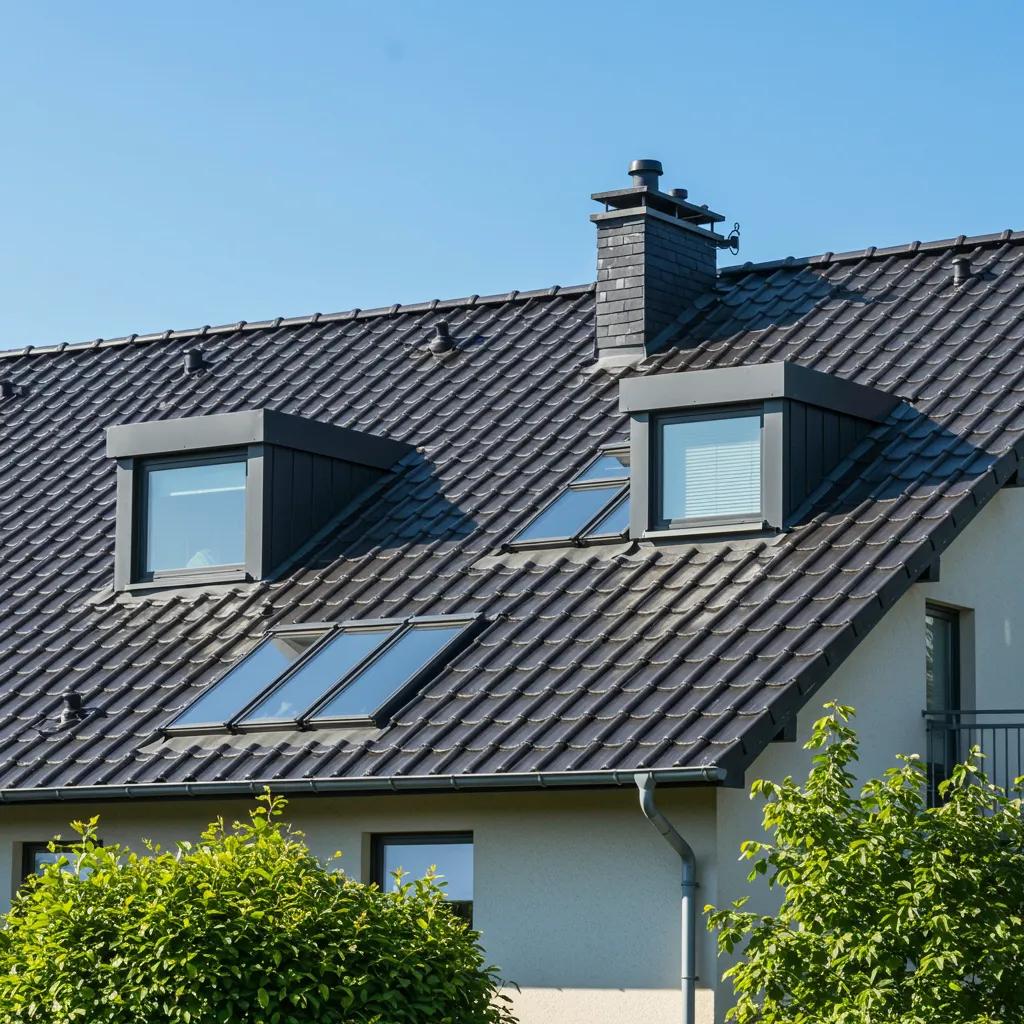
Eco-Friendly Roof Coating Solutions vs Conventional Products: Benefits, Costs, and Environmental Impact
Eco-friendly roof coating solutions combine advanced reflectivity, low volatile organic compound content, and durable elastomeric formulas to lower energy bills by up to 20 percent while extending roof service life by as much as two decades. Homeowners and businesses in Southeast Michigan can address rising cooling costs, frequent maintenance cycles, and environmental concerns in one strategic upgrade. This article examines how sustainable coatings work, compares silicone, acrylic, and polyurethane options, contrasts them with traditional materials, analyzes cost-benefit dynamics, and explains how EverNew Roofing brings these innovations to Livingston, Oakland, Wayne, Macomb, Washtenaw, Monroe, St. Clair, and Lenawee Counties. Read on for definitions, mechanisms, local insights, and a clear path to request an estimate via the instant-quote feature on EverNew Roofing’s site.
What Are Eco-Friendly Roof Coating Solutions and How Do They Work?
Eco-friendly roof coating solutions are liquid-applied membranes designed to seal, reflect solar heat, and protect roofing substrates with minimal environmental impact. They achieve sustainability by incorporating high-reflectance pigments, water-based polymers, and zero- or low-VOC formulations that cure into seamless protective layers. For example, reflective silicone coatings bounce up to 90 percent of infrared radiation, reducing thermal transfer and supporting building energy efficiency. As these coatings form a continuous barrier, they also prevent water intrusion and resist ponding without adding toxic emissions.
By combining the functions of waterproofing, solar reflectivity, and chemical stability, these roof treatments deliver a holistic solution that outperforms many conventional alternatives while reducing health risks and waste. Understanding their defining attributes leads us to explore how they improve efficiency and local climate outcomes.
What Defines an Eco-Friendly Roof Coating?
An eco-friendly roof coating is characterized by three core attributes: reflective performance, low chemical emissions, and recyclable or minimal-waste packaging. Reflective performance refers to solar reflectance index values above 70 percent, which help lower surface temperatures. Low chemical emissions mean volatile organic compound levels below regulated thresholds, safeguarding indoor air quality. Recyclable packaging or reduced-waste delivery systems further minimize landfill contributions. These combined properties support energy savings, occupant health, and long-term environmental stewardship, setting them apart from solvent-based or asphaltic coatings.
How Do Eco-Friendly Coatings Improve Energy Efficiency?

Eco-friendly coatings enhance energy efficiency by reflecting solar radiation, reducing heat gain through the roof deck, and lowering air-conditioning loads. During peak summer months, a cool roof surface treated with high-reflectance coatings can remain 50–60 °F cooler than an untreated roof. This temperature differential reduces roof system heat transfer and eases interior cooling demands. As a result, HVAC systems operate less frequently, extending equipment lifespan and decreasing electricity consumption. These efficiency gains directly translate into reduced utility bills and improved building comfort.
Research has indicated that cool roofs can significantly reduce energy consumption, particularly during warmer months.
Cool Roofs Save Energy: ASHRAE Transactions Overview
ABSTRACT: Akbari, Hashem;Christian, Jeff;Schreiber, Fred;Addison, Marlin;Petrie, T.ASHRAE Transactions; AtlantaVol. 104,(1998): 783.
Cool roofs save energy/Discussion, 1998
Which Types of Eco-Friendly Roof Coatings Are Available?
Several sustainable coating formulations are commercially available, with silicone, acrylic, and polyurethane dominating the market. Each type balances weather resistance, ease of application, and ecological profile.
This table shows how each formulation pairs a specific material attribute with its corresponding environmental advantage, guiding decision-makers toward the ideal solution.
How Do Eco-Friendly Coatings Reduce Environmental Impact?

By minimizing volatile organic compounds, reflective coatings lower greenhouse emissions associated with manufacturing and installation. Their seamless film reduces roof tear-offs and material waste, diverting shingles and membrane scrap from landfills. Reflective surfaces also mitigate urban heat island effects by keeping rooftop temperatures lower, which in turn reduces ambient air temperature in densely built areas. Collectively, these benefits curb local pollution, improve urban comfort, and extend roof lifecycles, thereby lessening total environmental footprints.
What Are the Key Benefits of Eco-Friendly Roof Coatings Compared to Conventional Products?
Eco-friendly roof coatings extend roof lifespan, slash energy demands, enhance indoor air quality, and relieve urban heat concentrations—advantages that conventional materials often fail to deliver. Their water-borne, low-VOC formulations directly address health and environmental considerations that solvent-based systems ignore. Moreover, reflective properties translate into quantifiable savings and comfort gains, while durable elastomeric membranes prevent leaks without toxic emissions. These overarching benefits make sustainable coatings a compelling choice for Michigan’s variable climate and strict indoor-air standards.
A strategic way to see these advantages is through the following benefit clusters:
- Extended service life and reduced upkeep
- Cooling cost reductions via cool roof technology
- Improved occupant health through low chemical emissions
- Urban heat island mitigation in built environments
These clusters represent tangible improvements over asphaltic and tar-based coatings that offer limited reflectivity, higher VOCs, and more frequent recoating cycles.
How Do Eco-Friendly Coatings Extend Roof Lifespan and Reduce Maintenance?
Eco-friendly membranes form elastic barriers that accommodate substrate movement without cracking, which prevents leaks and degradation over time. Enhanced UV-stable chemistries resist chalking and weathering, lowering the need for annual inspections or patch repairs. As these coatings maintain reflectivity and film integrity for 10–20 years, building owners experience fewer recoating events and reduced labor costs. This durability reduces lifecycle expenses compared to conventional coatings that often require reapplication every 3–5 years.
What Are the Energy Savings from Cool Roof Technology?
Cool roof technology can cut summer cooling costs by up to 20 percent by reflecting the sun’s heat before it penetrates the roof deck. In Southeast Michigan, where summer sun angles and humidity create significant HVAC loads, reflective coatings maintain indoor temperatures with less compressor runtime. Case studies show that reflective roof surfaces hover around 80 °F on 95 °F days, compared to 130 °F or higher for conventional dark roofs. These temperature differentials translate into measurable electricity savings and reduced peak-load stress on power grids.
The potential for significant energy and cost savings through cool roof applications has been a subject of analysis for various building types, including federal facilities.
Cool Roofs for Federal Buildings: Energy and Cost Savings Analysis
We have developed initial estimates of the potential benefits of cool roofs on federal buildings and facilities (building scale) as well as extrapolated the results to all national facilities under the administration of the Federal Energy Management Program (FEMP). In addition, a spreadsheet “calculator” is devised to help FEMP estimate potential energy and cost savings of cool roof projects. Based on calculations for an average insulation level of R-11 for roofs, it is estimated that nationwide annual savings in energy costs will amount to $16M and $32M for two scenarios of increased roof albedo (moderate and high increases), respectively. These savings, corresponding to about 3.8 percent and 7.5 percent of the base energy costs for FEMP facilities, include the increased heating energy use (penalties) in winter. To keep the cost of conserved energy (CCE) under $0.08 kWh-1 as a nationwide average, the calculations suggest that the incremental cost for cool roofs should not
Cool roofs as an energy conservation measure for federal buildings, H Taha, 2003
How Do Low VOC Coatings Improve Indoor Air Quality and Health?
Low VOC coatings release fewer harmful compounds during application and curing, safeguarding indoor air quality and reducing respiratory irritants. Occupants benefit from lower concentrations of formaldehyde, benzene, and other solvents that commonly off-gas from traditional roofing solutions. Health studies link reduced VOC exposure to fewer allergy and asthma triggers, which is particularly meaningful for residential and healthcare settings. This environmental health improvement often goes unaddressed by standard solvent-based roof treatments.
How Do Eco-Friendly Coatings Help Mitigate the Urban Heat Island Effect?
Urban heat islands form as dark, heat-absorbing surfaces elevate city temperatures, increasing energy demand and air pollution. Reflective roof coatings reverse this trend by bouncing solar energy back into the atmosphere, cooling rooftop surfaces and surrounding air. A reflective roof can drop adjacent ambient temperatures by 1–3 °F, which lessens local smog formation and peak electricity spikes. Collective adoption of cool coatings across neighborhoods amplifies these effects, creating cooler, healthier urban communities.
How Do Silicone, Acrylic, and Polyurethane Roof Coatings Compare in Eco-Friendly Performance?
Choosing the right eco-friendly material hinges on balancing reflectivity, durability, VOC levels, and weather resilience. Silicone excels in durability and water resistance, acrylic offers cost-effective reflectivity and easy recoat cycles, and polyurethane delivers enhanced abrasion resistance and insulation. By understanding each polymer’s strengths, building owners can match formulation to roof condition and performance goals.
Comparing these options in Southeast Michigan’s climate reveals how each coating type addresses temperature swings, precipitation patterns, and UV exposure.
What Are the Eco-Friendly Features of Silicone Roof Coatings?
Silicone coatings provide exceptional UV stability and resist ponding water without degrading, making them ideal for flat or low-slope roofs. Their inert, non-solvent chemistry eliminates nearly all VOCs, supporting healthier indoor environments. The elastic film remains reflective for over a decade with minimal chalking, reducing recoating frequency and material waste. These attributes deliver long-lasting protection and consistent energy savings.
Why Choose Acrylic Roof Coatings for Sustainable Roofing?
Acrylic coatings cure quickly, enabling same-day rain resistance and minimal business disruption. Their high solar reflectance and emissivity values deliver immediate cooling benefits, while water-borne formulas keep VOC levels below stringent regulatory limits. Acrylic’s cost-effective pricing and ease of application make it an attractive choice for large surface areas requiring budget-friendly, green solutions. Regular maintenance recoats keep performance high without generating hazardous waste.
What Makes Polyurethane Roof Coatings Durable and Environmentally Friendly?
Polyurethane coatings blend flexibility with toughness, resisting foot traffic, abrasion, and impact damage. Many formulations use aliphatic polyurethanes with low chemical emissions, providing strong resistance to yellowing and ultraviolet degradation. Their closed-cell structure adds insulation value, improving thermal performance beyond reflectivity alone. This combination of durability, low VOC content, and insulation benefits makes polyurethane an advanced eco-friendly option for demanding applications.
How Do These Coatings Perform in Southeast Michigan’s Climate?
In Southeast Michigan, temperature fluctuations from –20 °F winters to 95 °F summers stress roof substrates, demanding robust elastomeric performance. Silicone’s pond resistance counters spring thaw water pooling, acrylic’s quick cure navigates humid summer storms, and polyurethane’s flexible film adapts to freeze-thaw cycles without cracking. Local case studies show that all three materials deliver measurable cooling and waterproofing benefits when applied by experienced roofing contractors.
What Are the Environmental and Economic Drawbacks of Conventional Roof Coatings?
Conventional roof coatings—typically solvent-based sealants and asphalt emulsions—contribute to landfill waste, release high VOC emissions, and degrade under UV exposure. Their dark, non-reflective surfaces absorb solar heat, driving up cooling costs and straining air-conditioning systems. Frequent recoating cycles inflate maintenance expenses and generate hazardous waste disposal challenges. Evaluating these drawbacks underscores why sustainable alternatives offer superior lifecycle value.
Traditional materials often ignore full environmental costs, focusing on upfront pricing rather than long-term impacts. Comparing lifetime performance and waste generation highlights the hidden expenses of standard roof coatings.
How Do Conventional Products Contribute to Landfill Waste and Pollution?
Solvent-based coatings require tear-offs or multiple substrate preparations that generate scrap material. Spent containers and brush cleaning solvents add to hazardous waste streams, complicating disposal. As aging coatings delaminate, chips and debris enter stormwater runoff, impacting local waterways. These waste factors amplify environmental burdens beyond the roof itself.
What Are the Energy Inefficiencies of Traditional Roofing Materials?
Dark, heat-absorbing coatings trap solar energy, increasing surface temperatures by 30–50 °F above ambient air. Elevated roof decks transfer heat into building interiors, triggering higher HVAC usage. Over time, this inefficiency amounts to thousands of dollars in extra cooling expenses and greater greenhouse gas emissions from power generation.
What Are the Health Risks Associated with High VOC Conventional Coatings?
High VOC formulas off-gas toxic solvents like toluene and xylene during application and curing, exposing installers and occupants to respiratory irritants. Indoor air monitoring often reveals elevated levels of these compounds for weeks post-installation. Chronic exposure can lead to headaches, dizziness, and long-term health issues if proper ventilation and protective gear are not used.
How Do Maintenance and Replacement Costs Compare Over Time?
Conventional coatings typically require recoating every 3–5 years, whereas eco-friendly membranes last 10–20 years. This difference translates into fewer labor hours, lower material purchases, and reduced disposal fees over the roof’s service life. When factoring in energy savings and extended durability, sustainable coatings deliver superior total cost of ownership despite higher initial outlay.
How Much Do Eco-Friendly Roof Coatings Cost Compared to Conventional Options?
Initial investment for eco-friendly roof coatings ranges from moderate to premium pricing, reflecting advanced formulations and performance guarantees. However, life-cycle cost analyses reveal that long-term energy savings, maintenance reductions, and waste avoidance often offset upfront premiums within three to seven years. This payback period aligns with typical commercial and residential budgeting cycles, making sustainability financially viable.
Examining initial and ongoing costs clarifies the economic rationale for green roof investments.
What Is the Initial Investment for Eco-Friendly Roof Coatings?
Eco-friendly coating systems generally cost between $1.50 and $4.00 per square foot, depending on product grade and substrate condition. Premium silicone formulations occupy the upper range, while acrylic options offer entry-level pricing. These figures include surface preparation, primer application, and two-coat coverage, ensuring optimal reflectivity and adhesion.
How Do Long-Term Energy Savings Offset Upfront Costs?
Reflective coatings can reduce annual cooling expenditures by 10–20 percent, equating to savings of $0.10–$0.50 per square foot per year in Southeast Michigan’s climate. Over a 10-year warranty period, these energy reductions often recover the initial coating premium and continue generating positive returns through extended service life.
What Maintenance Savings Can Homeowners and Businesses Expect?
With durable eco-friendly membranes, building owners eliminate frequent tear-offs and recoats that incur labor and material expenses. Projects that might have required four recoats over a 20-year span now need only one major application cycle, saving thousands of dollars in labor, disposal, and downtime.
Are There Local Incentives or Rebates for Sustainable Roofing in Southeast Michigan?
Homeowners and businesses may qualify for energy-efficiency rebates, utility incentives, or property tax credits linked to cool roof installations. State and local programs often reward reflective upgrades that reduce peak electricity demand. Consulting with a qualified roofing contractor can identify current opportunities for additional financial support.
How Does EverNew Roofing Implement Eco-Friendly Roof Coating Solutions in Southeast Michigan?
EverNew Roofing combines regional expertise, streamlined engagement, and a full-service approach to deliver sustainable roof coatings tailored to local weather patterns and building types. Technicians select advanced low-VOC formulations, perform comprehensive substrate assessments, and execute precision applications that maximize reflectivity and durability. This methodology ensures every project meets both performance expectations and environmental goals.
Through close collaboration with clients, EverNew Roofing customizes coating thickness, color reflectance, and maintenance schedules to align with operational requirements and budget considerations.
What Eco-Friendly Coating Products Does EverNew Roofing Use?
- Atlas silicone coatings with superior UV and moisture resistance
- Gaco water-based formulas boasting exceptional solar reflectance
- Karnak polyurethanes engineered for high-abrasion environments
How Does EverNew Roofing Customize Solutions for Homes and Businesses?
Project scoping includes detailed roof surveys to assess substrate integrity, drainage patterns, and thermal performance objectives. Coating thickness and reflective tint are selected to optimize energy gains in both residential and commercial contexts. Maintenance plans are developed collaboratively, balancing durability with cost-effective service intervals.
What Are Some Local Case Studies Demonstrating Energy and Environmental Benefits?
In one Oakland County commercial complex, a silicone coating retrofit reduced summer peak loads by 15 percent and cut facility energy bills by 12 percent in the first year. A Wayne County residence saw its attic temperature drop by 20 °F on sunny days after an acrylic coating upgrade. These documented improvements underscore the real-world value of sustainable roof systems.
How Can Customers Request an Eco-Friendly Roof Coating Estimate?
Homeowners and businesses in Southeast Michigan can leverage EverNew Roofing’s instant-quote feature to receive a tailored cost analysis. By providing basic project details, prospective clients obtain transparent pricing, suggested materials, and projected energy savings—empowering informed decisions without obligation.
What Are the Most Common Questions About Eco-Friendly Roof Coatings?
Prospective clients often ask how sustainable coatings stack up in performance, environmental impact, and cost. Below are clear, concise answers to key queries.
Are Liquid Roof Coatings Environmentally Friendly?
Yes, many liquid roof coatings use water-borne polymers and low or zero VOC formulas that minimize chemical emissions during application and curing. Their seamless membrane reduces waste by avoiding frequent tear-offs, while high reflectance lowers energy-related emissions.
What Is the Difference Between Cool Roofs and Traditional Roofs?
Cool roofs feature high solar reflectance and thermal emittance, which reflect sunlight and release absorbed heat quickly. Traditional roofs absorb and retain solar energy, driving up interior cooling loads and ambient urban temperatures.
What Are the Disadvantages of Eco-Friendly Roof Coatings?
Primary considerations include higher initial costs compared to basic sealants and the need for proper surface preparation to ensure adhesion. Some formulations require specific temperature and humidity conditions during application, which may limit installation windows.
How Do Low VOC Roof Coatings Benefit Health and the Environment?
Low VOC coatings release fewer harmful solvents into indoor air, reducing respiratory irritants and long-term exposure risks. Environmentally, they comply with strict emission standards and lessen atmospheric pollution compared to solvent-based products.
What Is the Most Eco-Friendly Roofing Material Available Today?
Among liquid systems, silicone coatings rank highest for longevity, UV stability, and minimal VOCs. For rigid applications, metal roofing with integrated cool pigments also offers an extremely sustainable solution when combined with reflective coating layers.
Continual advancements in formulation chemistry and reflective technology are driving ever-better roofing solutions that protect buildings, occupants, and the planet. By choosing eco-friendly roof coatings, Southeast Michigan property owners secure durable performance, energy savings, and an enhanced environmental footprint—all backed by EverNew Roofing’s local expertise and responsive service.
Frequently Asked Questions
What are the long-term benefits of using eco-friendly roof coatings?
Eco-friendly roof coatings offer numerous long-term benefits, including extended roof lifespan, reduced maintenance costs, and significant energy savings. These coatings can last between 10 to 20 years, minimizing the need for frequent recoating and repairs. Additionally, their reflective properties help lower cooling costs by reducing heat absorption, which can lead to lower energy bills. Over time, the initial investment in eco-friendly coatings is often offset by these savings, making them a financially sound choice for property owners.
How do eco-friendly roof coatings perform in extreme weather conditions?
Eco-friendly roof coatings are designed to withstand extreme weather conditions, including heavy rain, snow, and intense UV exposure. For instance, silicone coatings excel in resisting ponding water and UV degradation, while acrylic coatings cure quickly, allowing for rapid application even in humid conditions. Polyurethane coatings provide flexibility and durability, adapting to temperature fluctuations without cracking. This resilience ensures that eco-friendly coatings maintain their performance and protective qualities, even in the variable climates of regions like Southeast Michigan.
Can eco-friendly roof coatings be applied over existing roofing materials?
Yes, eco-friendly roof coatings can often be applied over existing roofing materials, provided that the surface is properly prepared. This preparation typically involves cleaning the roof to remove debris, repairing any damage, and ensuring that the substrate is sound. By applying these coatings over existing roofs, property owners can enhance energy efficiency and extend the roof’s lifespan without the need for costly tear-offs, making it a more sustainable and economical option.
What maintenance is required for eco-friendly roof coatings?
Maintenance for eco-friendly roof coatings is generally minimal compared to traditional roofing systems. Regular inspections are recommended to check for any signs of wear or damage, especially after severe weather events. Cleaning the roof periodically to remove debris and ensure proper drainage can also help maintain the coating’s effectiveness. Depending on the type of coating, occasional touch-ups or reapplication may be needed, but these are less frequent than with conventional roofing materials, leading to lower overall maintenance costs.
Are there specific certifications or standards for eco-friendly roof coatings?
Yes, many eco-friendly roof coatings meet specific certifications and standards that ensure their environmental performance and safety. For example, products may be certified by organizations like the Environmental Protection Agency (EPA) under the Energy Star program, which recognizes energy-efficient products. Additionally, some coatings may comply with LEED (Leadership in Energy and Environmental Design) standards, which promote sustainable building practices. These certifications provide assurance to consumers that the products they choose contribute positively to environmental goals.
How do eco-friendly coatings contribute to local environmental initiatives?
Eco-friendly coatings play a significant role in local environmental initiatives by reducing urban heat island effects, lowering energy consumption, and minimizing waste. By reflecting solar radiation, these coatings help keep urban areas cooler, which can improve air quality and reduce energy demand during peak times. Additionally, their low VOC emissions contribute to better indoor air quality and less atmospheric pollution. Many local governments encourage the use of such coatings through incentives, recognizing their potential to enhance community sustainability and resilience.
Conclusion
Eco-friendly roof coating solutions provide significant benefits, including extended roof lifespan, reduced energy costs, and improved indoor air quality. By choosing sustainable options, property owners not only enhance their building’s performance but also contribute positively to the environment. Take the next step towards a greener future by exploring our range of eco-friendly roofing products today. Trust EverNew Roofing to deliver tailored solutions that meet your needs while promoting sustainability.