


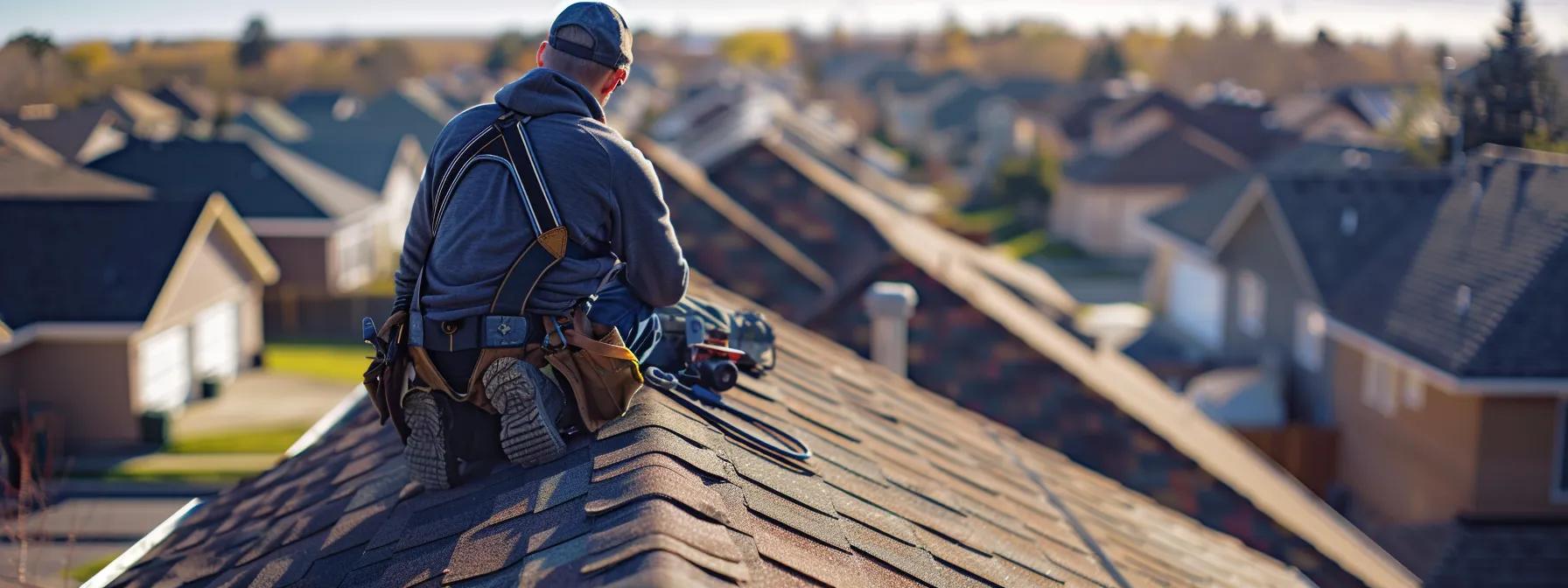
Maintaining a well-kept roof is essential for preserving the overall integrity and value of your home. Even the best installations experience wear and tear from weather, falling debris, and aging. Understanding the vital tasks involved in roof care can help reduce unexpected repair costs and extend your roof’s lifespan. This guide is tailored to local homeowners on how to inspect, maintain, and repair your roof effectively. We will cover inspection frequency, seasonal maintenance tasks, common causes of roof leaks and repair methods, and the best roofing materials for local weather. In addition, we compare the costs and benefits of roof repairs versus replacements and offer advice on finding reliable roof repair services. By following these actionable tips, you will be better equipped to protect your home from water damage, structural issues, and other roof-related problems while enhancing curb appeal and safety. Let’s delve into each aspect of roof care to keep your home secure and your roof in optimal condition.
How Often Should Local Homeowners Inspect Their Roofs?
Homeowners should inspect their roofs at least twice a year to catch issues early. Regular inspections help identify small problems before they evolve into major repairs that could compromise the roof’s integrity. In addition to the biannual checks, it is important to inspect after severe weather events such as hailstorms, high winds, or heavy snow.
What Are the Best Times of Year for Roof Inspections?
The best times to inspect your roof are during the spring and fall. Spring inspections address any winter damage and prepare the roof for warmer months, while fall inspections can detect issues before winter. Mild weather during these seasons also makes it safer to inspect and access the roof.
Should You Perform DIY Roof Inspections or Hire Professionals?
DIY inspections can help catch obvious signs of damage, but they might miss hidden issues. Professionals have the equipment and expertise to identify subtle damage, potential leaks, or worn-out materials. Hiring a professional roof repair company or experienced roofers is advisable for a comprehensive assessment and accurate cost estimates for repairs.
What Key Signs Indicate Roof Damage During Inspections?
During inspections, look for missing or damaged shingles, dark spots from moisture penetration, sagging areas on the roof deck, and rust on metal components. Interior signs, such as water stains on ceilings or walls, may also indicate a leak. Recognizing these signs early can prevent further deterioration and costly repairs.
What Are the Most Effective Roof Maintenance Tasks for Homeowners?
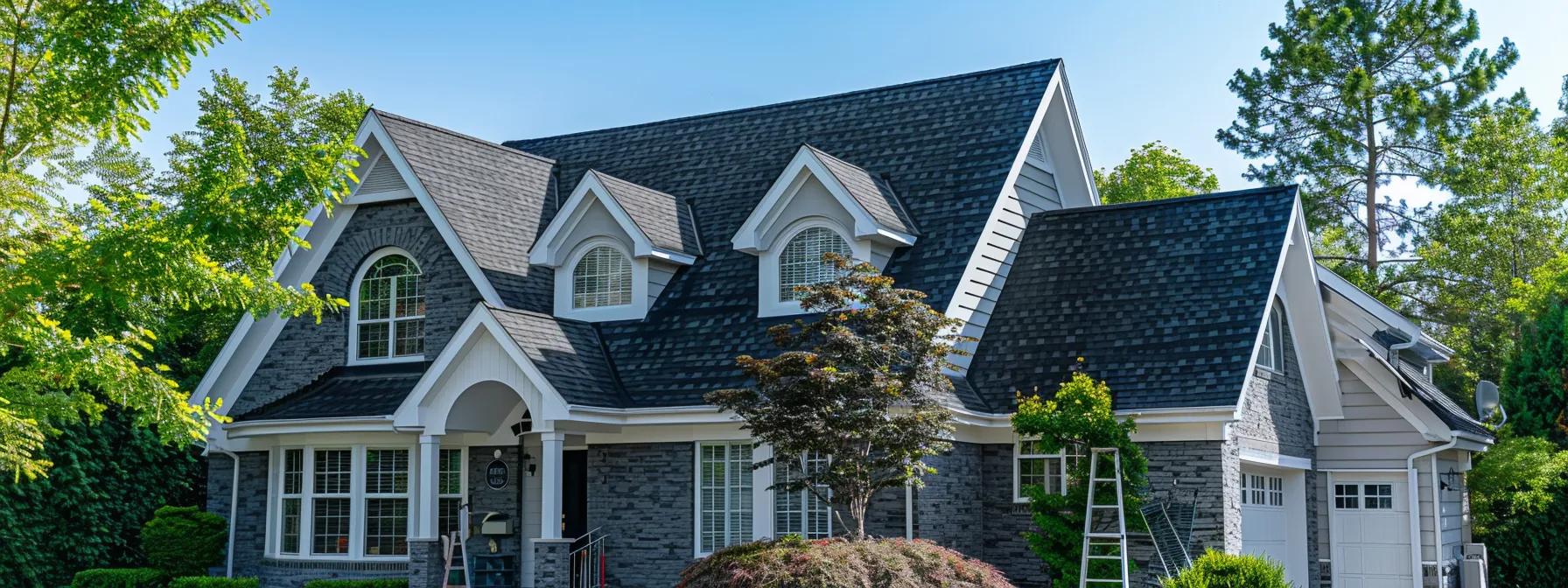
Effective roof maintenance goes beyond inspections. Regular upkeep tasks preserve the aesthetic appeal of your home and safeguard against water damage and structural deterioration.
How to Clean Your Gutters to Prevent Roof Damage?
Cleaning your gutters is crucial because clogged gutters can lead to water overflow, causing leaks and roof damage. Regularly removing debris like leaves and twigs—especially in the fall—ensures that water flows away from the roof and foundation. This reduces the risk of water damage and ice dams in winter.
Why Is Regular Shingle Replacement Important?
Replacing missing or damaged shingles promptly is essential to maintain your roof’s protective barrier. Worn-out shingles expose the roof deck to moisture and temperature extremes, potentially leading to leaks. Timely replacement not only maintains the integrity of your roof but also improves your home’s energy efficiency by ensuring proper insulation.
How Does Tree Trimming Protect Your Roof?
Overhanging branches can damage shingles by rubbing against them or depositing debris that holds moisture. Regularly trimming trees away from your roof minimizes physical damage and reduces the likelihood of moisture-related issues, such as fungal growth. This is particularly important in areas prone to storms or high winds.
What Are the Benefits of Preventative Roof Maintenance?
Preventative tasks like cleaning, shingle replacement, and tree trimming offer long-term financial benefits by reducing the need for extensive repairs. They also help create a safer environment by decreasing the risk of water leaks, structural collapse, and mold growth. Proactive maintenance preserves the aesthetic value of your home and ensures roofing materials perform effectively over their intended lifespan.
How Can Homeowners Identify and Repair Common Roof Leaks?
Identifying and repairing roof leaks promptly is critical to avoiding water damage and ensuring long-term safety. Becoming familiar with typical leak signs and understanding the repair process can often save you from more extensive and expensive damage.
What Are the Most Common Causes of Roof Leaks?
Roof leaks may stem from damaged shingles, improperly sealed penetrations (like chimneys or vents), or deteriorated flashing. Extreme weather conditions such as heavy rain, high winds, and hail can exacerbate these problems. Additionally, improper installation during construction might lead to recurring leaks over time.
How to Spot Early Signs of a Roof Leak?
Early warning signs include water stains on ceilings, peeling paint, damp insulation, and even mold growth near roof valleys. Unusual musty odors inside the home can also signal hidden moisture. Catching these early signs allows you to take prompt action and avoid more extensive interior damage.
When Should You Call a Professional for Roof Leak Repair?
If you notice persistent or widespread leaks, it is best to call a professional. While minor leaks might be manageable with DIY fixes, larger leaks—especially those accompanied by structural damage—require the expertise of experienced roof repair contractors. Professional roofers can accurately diagnose the issue, effectively repair weak areas, and prevent future problems.
What Are the Typical Costs of Roof Leak Repairs in My Area?
Roof leak repair costs vary widely depending on the damage extent, the roofing material used, and local labor rates. Homeowners might expect expenses ranging from a few hundred dollars to several thousand. A free roof inspection from a reputable roof repair company can give you a more precise estimate tailored to your situation.
Which Roofing Materials Are Best Suited for Local Weather Conditions?

Choosing the right roofing materials is crucial for durability, reduced maintenance needs, and overall performance. Local weather—including humidity, temperature fluctuations, and precipitation—plays a significant role in this decision.
What Are the Pros and Cons of Shingles, Metal, and Tile Roofs?
Asphalt shingles are cost-effective and easy to install, but they may deteriorate faster in extreme weather. Metal roofs offer excellent durability and solar heat reflection, though they can be noisy during rain and require professional installation. Tile roofs provide superior longevity and an attractive appearance, but their higher cost and additional structural requirements may be a drawback for some homeowners.
How Does Local Weather Impact Roofing Material Lifespan?
Roofing materials behave differently under various environmental conditions. In areas with high UV exposure and extreme heat, materials that resist fading and heat damage—such as metal or clay tile—tend to last longer than asphalt shingles. Conversely, in regions with heavy snowfall or frequent freeze-thaw cycles, materials specifically designed to handle such stress are preferable.
How to Choose the Right Roofing Material for Your Home?
When selecting a roofing material, consider factors such as your budget, home style, local climate, and ongoing maintenance requirements. Consulting with a local roofing company can guide you to a choice that balances initial costs with durability and long-term performance. A professional roofer’s advice on installation practices can also help maximize your chosen material’s lifespan.
What Seasonal Roof Maintenance Should Local Homeowners Perform?
Seasonal roof maintenance addresses the unique challenges each season brings. By adhering to specific tasks during spring, summer, fall, and winter, you can prevent common issues like ice dams, storm damage, and structural wear.
What Are Key Spring Roof Maintenance Tasks?
In spring, remove debris that accumulated over winter and inspect for any damage from snow and ice. Clean gutters and downspouts to ensure proper drainage, check flashing around roof penetrations such as chimneys and skylights, and replace any missing or damaged shingles. These tasks help ready your roof for warmer weather and prevent water infiltration later.
How to Prepare Your Roof for Winter Weather?
Preparation for winter involves several key steps. Ensure gutters are free from debris so that melting snow and ice can drain away and inspect seals around roof vents and chimneys. Additionally, consider applying a roof coating designed to protect against freezing, ice dams, and high winds. Such measures reduce the risk of ice accumulation and subsequent damage during cold months.
What Summer and Fall Maintenance Helps Extend Roof Life?
During the summer, intense heat can weaken roofing materials. Check for signs of fading, cracking, or blistering and replace or repair any damaged shingles promptly. In the fall, focus on cleaning gutters, inspecting for damage after summer storms, and trimming overhanging branches to reduce risks during winter. Regular maintenance throughout these seasons supports long-term roof durability.
When Is Roof Repair Necessary Versus Roof Replacement?
Determining whether you need a repair or a full roof replacement depends on the damage extent and the overall condition of your roof. Understanding the signs can help you make cost-effective decisions that keep your home protected.
What Are the Signs You Need a Roof Replacement?
A full roof replacement becomes necessary when there is widespread damage, extensive shingle loss, or significant leaks that recur despite repairs. Additional signs include sagging areas, visible granule loss on shingle roofs, and damage to the underlying structure. When repairs no longer provide lasting solutions, a new roof is the better option.
How Do Repair Costs Compare to Replacement Costs?
While repairs might seem less expensive initially, repeated fixes can add up and may eventually surpass the cost of a full replacement. Although a roof replacement requires a higher upfront investment, it offers a long-term solution that can extend your roof’s life and enhance curb appeal. Evaluating the frequency and severity of past repairs can help determine the more economical approach.
How Can Local Roofing Services Assist With Repairs and Replacements?
Local roofing companies offer free roof inspections and detailed estimates to help you decide between repair and replacement. Experienced roofers assess damage accurately, recommend cost-effective solutions, and can schedule repairs promptly. Their familiarity with local weather conditions and material performance ensures that both repairs and replacements are done to the highest standards.
How Can Local Homeowners Find Reliable Roof Repair Services in Their Area?
Finding trustworthy roof repair services is essential for quality workmanship and customer satisfaction. With many options available, homeowners must know what to look for in a roofing contractor to make an informed decision.
What Should You Look for in a Local Roofing Contractor?
When selecting a local roofing contractor, ensure they have proper licensing, insurance, and certifications from reputable industry associations. Reliable contractors provide transparent pricing, a portfolio of completed projects, and positive customer reviews. They should also offer detailed written estimates and demonstrate knowledge of local weather-related roofing issues.
How Does Transparent Pricing Benefit Homeowners?
Transparent pricing helps you understand exactly what you are paying for, with no hidden charges. This builds trust and ensures that services are both affordable and of high quality. Detailed quotes make it easier to compare contractors and choose one that fits your budget while delivering excellent roof repair and maintenance.
Why Are Emergency Roof Repair Services Important?
Emergency roof repair services are critical when immediate action is needed to prevent further damage. Quick response times can stop leaks, reduce water damage, and protect furniture and valuables. Many local roofing companies offer 24/7 emergency services to ensure that repairs are carried out promptly during storms or unexpected incidents.
How Can Customer Reviews Help Choose the Right Roofing Company?
Customer reviews provide insight into a contractor’s work quality, professionalism, and reliability. Reading reviews from other homeowners can reveal common issues and highlight strengths. Coupling this feedback with personal recommendations ensures you choose a contractor who meets your expectations for roof repair and maintenance.
Frequently Asked Questions
Q: How often should I have my roof professionally inspected? A: It is recommended to have your roof professionally inspected twice a year—typically in the spring and fall—or immediately after severe weather events. Professional inspections help reveal hidden damage that may not be seen during a DIY inspection.
Q: What are the most common signs of roof damage I should look out for? A: Common signs include missing or cracked shingles, dark or damp spots on ceilings or walls, sagging areas, and visible wear around roof penetrations. Early detection of these issues can help prevent costly repairs.
Q: How do I determine whether my roof needs a simple repair or a full replacement? A: If damage is isolated and manageable with patching, a repair might be sufficient. However, extensive damage, recurring leaks, or a roof that has exceeded its typical lifespan indicates that a full replacement is necessary. A professional inspection can help determine the best option.
Q: What roofing material is best for withstanding local weather conditions? A: The ideal material depends on your local climate. Asphalt shingles work well in moderate weather, while metal or clay tile may perform better under harsh, high UV, or humid conditions. A local roofing company can help tailor your choice to your environment.
Q: Why should I invest in regular roof maintenance rather than waiting for a leak to develop? A: Preventative maintenance addresses minor issues before they escalate, saving money and preventing water damage. Regular cleaning, inspections, and timely repairs also improve energy efficiency and extend your roof’s lifespan.
Q: What should I do in an emergency when my roof starts leaking? A: Immediately contact a local roofing contractor for prompt repair services. In the meantime, temporary measures like placing a tarp over the affected area can help minimize water damage until professional help arrives.
Q: How can transparent pricing and verified customer reviews influence my decision when choosing a roofing company? A: Transparent pricing ensures you understand all costs upfront, while verified customer reviews offer insights into a contractor’s reliability and workmanship. Both factors are essential for making an informed decision and securing high-quality roof repair services.
Final Thoughts
Regular roof maintenance and timely inspections are crucial for preserving your home’s security and longevity. The strategies discussed—from cleaning gutters and replacing shingles to detecting early signs of leaks and choosing the right roofing material—offer practical insights for every homeowner. By investing in proper care and seeking professional expertise when needed, you not only protect your property but also enhance its value and curb appeal. Moving forward, prioritize routine maintenance, monitor your roof frequently, and choose reliable roofing services to ensure your home remains safe and well-maintained.