


Boosting Roof Durability Through Performance Testing: Comprehensive Roof Durability Testing Services and Assessments
Roof performance testing provides precise evaluation of structural integrity and material condition, establishing a robust foundation for extended roof durability. Home and business owners in Southeast Michigan face challenges from temperature swings, snow loads, and intense UV exposure that accelerate membrane degradation and hidden leaks. This article explains how systematic testing uncovers vulnerabilities, guides targeted repairs, and maximizes lifespan. We will define roof performance testing, review effective diagnostic methods, explore key benefits and ROI implications, compare material profiles, connect testing to roof rejuvenation services, outline best practices for commercial and residential assessments, and highlight common durability issues detected through advanced techniques. Along the way, you’ll learn how EverNew Roofing’s local expertise, comprehensive solutions, and Instant Quote feature support proactive maintenance and durability gains without guesswork.
What Is Roof Performance Testing and Why Is It Essential for Durability?
Roof performance testing is a technical process that evaluates waterproofing, insulation, and structural soundness using objective measurements. By detecting leaks, membrane weaknesses, and material fatigue before visible failures occur, testing preserves roof health and prevents costly emergency interventions. For example, infrared thermography can reveal moisture pockets beneath a membrane, enabling timely patching that averts widespread rot.
How Does Roof Performance Testing Enhance Roof Longevity?
Roof performance testing enhances roof longevity by identifying early-stage defects that would otherwise progress into major failures. Infrared scans uncover moisture intrusion, electronic leak detection pinpoints pinholes, and uplift resistance assessments verify attachment security. Addressing these findings through targeted repairs reduces stress on roofing materials, postpones full replacement, and delivers consistent protection against wind, rain, and ice.
What Are the Key Objectives of Roof Durability Testing Services?
The primary objectives of roof durability testing services include verifying water tightness, assessing adhesion and seam integrity, measuring thermal performance, and evaluating structural load capacity. Technicians aim to establish baseline performance metrics, compare results against industry standards, and develop a prioritized action plan for maintenance or rejuvenation. This systematic approach ensures budgets focus on critical repairs rather than reactive patchwork.
How Does Southeast Michigan’s Climate Impact Roof Durability?
Southeast Michigan’s climate subjects roofs to freeze–thaw cycles, heavy snow accumulation, and summer heat spikes that accelerate material fatigue. Fluctuating temperatures cause membrane shrinkage and expansion, while ice dams stress edges and seams. Understanding these local stressors allows EverNew Roofing to select testing intervals and corrective measures tailored to area-specific weather patterns, ensuring performance metrics reflect real-world conditions.
What Are the Most Effective Roof Performance Testing Methods?
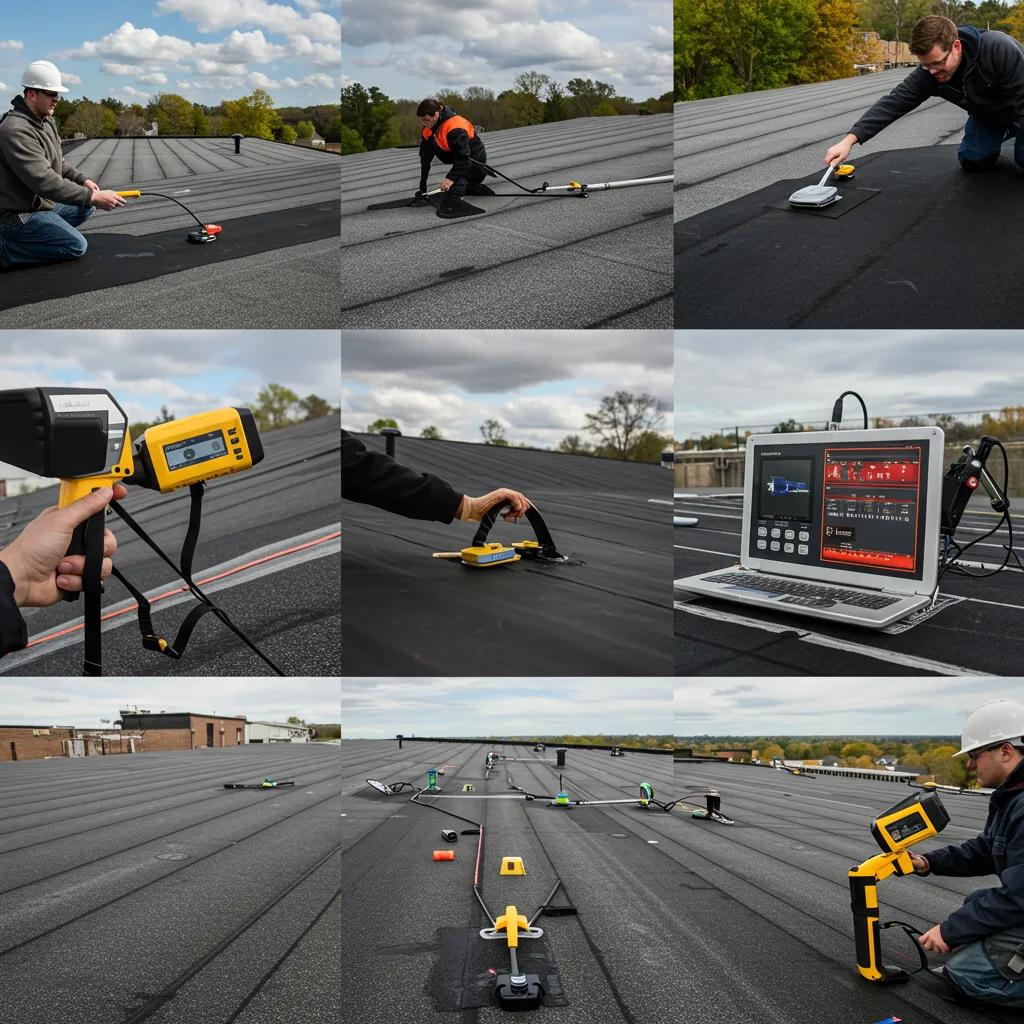
Roof performance testing methods vary by objective, equipment, and condition. Each technique targets specific vulnerabilities—from moisture detection to attachment verification—to deliver a holistic durability assessment. The following table compares common approaches and their diagnostic value.
Each method complements the others to deliver a complete performance profile, guiding focused interventions and extending overall roof life.
How Does Infrared Thermography Detect Roof Moisture and Damage?
Infrared thermography uses thermal imaging cameras to capture temperature differentials across roofing surfaces. Warm moisture-laden areas retain heat longer than dry sections, creating distinct patterns visible in the scan. Technicians interpret these anomalies to map moisture intrusion and underlying insulation voids without intrusive drilling.
What Is Electronic Leak Detection and When Should It Be Used?
Electronic leak detection applies low-voltage currents across conductive membranes to trace electrical continuity breaks. When current diverts through a wet substrate, the exact breach location is identified. This method excels after heavy precipitation or when infrared signals are inconclusive, ensuring precise repairs of punctures and seam failures.
The cost resulting from water damage to the roofing system, structure, and building contents that can occur between the time a leak begins and is located and repaired can be very high.
Passive Roof Leak Detection Systems for Membrane Roofing
The cost resulting from water damage to the roofing system, structure, and building contents that can occur between the time a leak begins and is located and repaired can be very high. A passive roof leak detection system PRLDS could help Army managers by providing early leak detection and could potentially reduce the Armys roofing maintenance budget. This study determined that a PRLDS contains four components sensors, signal, transmission medium, and signal processing unit. The sensors can be resistive, capacitive, circuit-bridging, or fiber optics. Sensor placement and spacing on a roof determine the systems resolution and should he based on the system cost and the interior use of the structure. A discussion of the reliability, compatibility, durability, and maintainability of components is included. This study also determined that several moisture-sensing technologies are feasible, including a water-activated batterytransmitter, a variety of probes, moisture detection tape, and coated wires. Because little documented experience with these new technologies exists, it is recommended that field investigations be conducted and design specifications be developed. Leak detection, Cost effectiveness, Passive Roof Leak Detection System PRLDS, Membrane roofing.
How Does Core Sample Analysis Assess Roofing Material Integrity?
Core sampling involves extracting a small, layered section of roofing assembly—including membrane, insulation, and substrate—for laboratory examination. Analysts measure material composition, thickness, and adhesion performance, comparing values against original specifications. This hands-on approach validates in-situ conditions and informs decisions on replacement versus rejuvenation.
What Are the Benefits of Visual Roof Inspections for Durability?
Visual roof inspections provide immediate identification of obvious issues such as cracked flashing, blisters, or ponded water. By combining on-roof surveys with drone-assisted imaging, technicians document deterioration patterns and recommend prompt fixes. Regular visual checks underpin more advanced testing schedules and help prioritize diagnostic investments.
How Is Uplift Resistance Testing Conducted to Ensure Roof Stability?
Uplift resistance testing uses calibrated vacuum or centrifugal devices to simulate wind uplift pressures on membrane assemblies. Measuring the force required to detach a section verifies fastener integrity and adhesive strength. Results guide reinforcement strategies, such as adding mechanical anchors or improving edge termination, to safeguard against storm events.
What Are the Key Benefits of Regular Roof Durability Testing?
Regular roof durability testing delivers quantifiable advantages that outweigh inspection costs. Proactive diagnostics bolster performance, reduce downtime, and optimize capital expenditures over a roof’s lifecycle. The most impactful benefits include:
- Extended roof lifespan through timely defect correction.
- Reduced repair costs by addressing small issues before escalation.
- Improved energy efficiency via enhanced insulation and leak prevention.
- Risk mitigation through documented performance records.
- Warranty validation by providing proof of maintenance compliance.
By integrating testing into maintenance cycles, building owners capture continuous value and protect asset performance.
How Does Testing Extend Roof Lifespan and Reduce Repair Costs?
Testing extends roof lifespan by revealing early flaws—like seam separations or fastener loosening—when repair methods are minimally invasive. Patching a minor tear costs a fraction of membrane replacement. Over time, these small interventions accumulate into significant savings, delaying full roof replacement by years.
In What Ways Does Roof Performance Testing Improve Energy Efficiency?
Performance testing identifies air leaks, insulation gaps, and moisture-compromised areas that degrade thermal resistance. Correcting these issues restores specified R-values, reducing HVAC loads and seasonal energy consumption. Documented improvements can lower heating and cooling expenses by up to 15 percent annually.
How Can Testing Help Mitigate Risks and Prevent Unexpected Failures?
Comprehensive testing provides a performance baseline against which future assessments are measured. This data-driven approach flags deviations that signal developing failures—allowing pre-emptive repairs before catastrophic leaks or structural damage occur. Risk registers and maintenance schedules evolve from these insights.
Why Is Roof Durability Testing Important for Warranty Validation?
Manufacturers often require documented maintenance and performance records to uphold membrane warranties. Roof durability testing provides objective evidence of adherence to care protocols and timely repairs. Maintaining these records safeguards warranty claims and protects investment value.
How Do Different Roofing Materials Perform in Durability Testing?
Different roofing materials exhibit unique durability characteristics under testing protocols. Understanding these profiles enables material selection aligned to building demands and climate stressors. The table below summarizes key performance metrics and expected lifespans.
Comparative testing highlights material strengths—such as metal’s fire resistance and green roofs’ stormwater management—informing long-term performance planning.
What Are the Durability Characteristics of Metal Roofing?
Metal roofing demonstrates exceptional resistance to fire, impact, and wind uplift when properly fastened. Performance testing confirms gauge consistency, coating integrity, and fastener torque, verifying resistance to corrosion and extreme weather. These factors contribute to its 40-year plus lifespan under Southeast Michigan conditions.
How Do Asphalt Shingles Fare in Roof Longevity Evaluations?
Asphalt shingles are cost-effective and versatile but more susceptible to UV-induced brittleness and granule loss. Testing measures reflectance, tear strength, and granule adhesion to forecast material fatigue. Early detection of shingle curling or slump enables targeted replacement and extends service life.
What Is the Longevity Profile of Flat Roof Systems?
Flat roofing systems—such as TPO, EPDM, and modified bitumen—are tested for seam adhesion, membrane thickness, and ponding susceptibility. Regular uplift and infrared inspections identify weak seams and standing water zones. Proper drainage and seam reinforcement drive the 20- to 30-year durability range.
How Do Green Roofs and Eco-Friendly Materials Impact Durability?
Green roof assemblies combine waterproof membranes with growing media and vegetation layers. Performance testing evaluates drainage board flow rates, root barrier integrity, and membrane health beneath turf. These checks ensure sustainable benefits—like stormwater retention and thermal buffering—remain effective over decades.
What Innovations Are Improving Roofing Material Performance?
Advanced innovations such as self-healing elastomeric membranes, algae-resistant coatings, and solar-reflective finishes enhance durability metrics. Self-healing formulations automatically seal minor punctures through embedded polymers, while reflective granules reduce heat absorption, preserving membrane elasticity.
How Does Roof Rejuvenation Relate to Performance Testing and Durability?
Roof rejuvenation applies restorative coatings and sealants to extend membrane service life, guided by performance testing data. Testing identifies adhesion compatibility, surface porosity, and wear patterns that inform rejuvenation timing and product selection.
When Is Roof Rejuvenation Suitable Based on Testing Results?
Roof rejuvenation is suitable when testing reveals surface oxidation, minor granule loss, or hairline cracks, but the underlying membrane and structural support remain sound. Infrared scans confirm the absence of large wet areas, and core samples verify insulation integrity—ideal conditions for successful coating applications.
What Are the Benefits of Roof Rejuvenation for Extending Lifespan?
Rejuvenation coatings restore UV protection, seal minor defects, and improve reflectivity, reducing thermal stress and slowing aging. When applied at the right performance threshold, coatings can extend a roof’s functional life by 5–10 years at a fraction of replacement cost.
How Does EverNew Roofing Integrate Testing Into Rejuvenation Services?
EverNew Roofing begins every rejuvenation proposal with a full performance audit—combining infrared, visual, and adhesion tests. Detailed findings drive customized coating selections and application protocols. Follow-up inspections confirm coating performance, ensuring prescribed durability targets are met.
What Are the Best Practices for Commercial and Residential Roof Durability Assessments?
Adopting best practices ensures consistent, actionable insights across both commercial and residential projects. Key steps include:
- Conducting a comprehensive document review of building plans and past maintenance records.
- Performing a layered diagnostic approach: visual, infrared, electronic, and uplift testing.
- Implementing a detailed asset register with performance scores and maintenance timelines.
These practices align testing rigor with budgetary constraints and operational needs for every property.
How Do Commercial Roof Testing Solutions Address Business Needs?
Commercial roofs often present large surface areas and complex mechanical rooftop equipment. Testing protocols integrate drone inspections for rapid coverage, combined with grid-based infrared mapping. Quantitative reports feed into capital planning, risk assessments, and regulatory compliance.
What Should Homeowners Know About Residential Roof Longevity Evaluations?
Homeowners benefit from localized visual and infrared inspections that focus on vents, flashing, and valley integrity. Simple thermographic surveys detect hidden moisture before interior damage occurs. Clear performance summaries guide cost-effective patching versus full re-roof decisions.
What Checklists and Maintenance Tips Support Roof Durability?
A standardized maintenance checklist supports ongoing durability:
- Inspect gutters and downspouts quarterly to ensure proper drainage.
- Remove debris and trim overhanging tree branches to prevent membrane punctures.
- Schedule annual infrared scans before spring thaw to identify freeze-thaw damage.
- Verify sealant and flashing condition at roof penetrations every two years.
Regular adherence to these guidelines keeps roofs in optimal condition and complements advanced testing.
What Are Common Roof Durability Issues Identified Through Performance Testing?

Performance testing uncovers several recurring durability challenges that require prompt action:
- Hidden leaks beneath insulation layers that cause rot and mold growth.
- Material degradation signs, such as membrane embrittlement and sealant failures.
- Storm damage effects, including wind-lifted edges and hail pockmarks.
- Installation defects like improper fastening and poor seam welding.
- Age-related wear patterns indicating when full replacement is necessary.
Understanding these issues guides timely interventions and protects asset value.
How Are Roof Leaks Detected and Diagnosed Early?
Early leak detection combines infrared thermography with electronic leak tracing to map moisture pathways. Rapid moisture meters validate suspect zones, and core sampling confirms substrate saturation. This layered approach prevents interior damage and insulation loss.
What Signs Indicate Material Degradation or Failure?
Material degradation manifests as membrane cracking, granule loss, and sealant shrinkage. Performance metrics such as reduced tensile strength and increased water absorption signal advancing failure. Documenting these changes informs repair versus replacement decisions.
How Does Storm Damage Affect Roof Performance and Durability?
Hail impacts create surface dents and punctures that compromise waterproofing, while high winds can peel back membrane edges. Uplift resistance testing after storms quantifies attachment failures, guiding reinforcement or panel replacement to restore wind-load capacity.
What Installation Defects Can Compromise Roof Longevity?
Common installation defects include insufficient fastener spacing, improper adhesive coverage, and unsealed flashings. Visual and core analysis detect these flaws, enabling corrective measures that prevent premature membrane detachment and water infiltration.
How Does Aging Impact Roof Systems and When Is Replacement Needed?
Aging roofs show cumulative wear: coating erosion, repeated repair scars, and structural sagging. When performance tests reveal multiple failure points—such as extensive moisture intrusion or compromised insulation—a full replacement becomes more cost-effective than piecemeal repairs.
Roof performance testing is the cornerstone of a proactive durability strategy that empowers building owners to maintain watertight protection, optimize maintenance budgets, and extend service life. By leveraging these methods and partnering with local experts, southeast Michigan properties achieve lasting resilience against weather extremes and material wear. To explore a customized roof performance audit and Instant Quote for your property, consult EverNew Roofing’s team of durability specialists today.
Frequently Asked Questions
What factors should be considered when choosing a roofing material for durability?
When selecting roofing materials for durability, consider factors such as climate conditions, expected lifespan, maintenance requirements, and material properties. For instance, metal roofing offers excellent resistance to wind and fire, making it suitable for areas prone to severe weather. Asphalt shingles are cost-effective but may require more frequent replacement due to UV exposure. Additionally, evaluate the material’s insulation properties, energy efficiency, and compatibility with local building codes to ensure optimal performance and longevity.
How often should roof performance testing be conducted?
Roof performance testing should ideally be conducted at least once a year, with additional inspections after severe weather events. Regular testing helps identify potential issues early, allowing for timely repairs that can extend the roof’s lifespan. For commercial properties or roofs with complex systems, more frequent assessments may be necessary. Establishing a testing schedule based on the roof’s age, material type, and local climate conditions can help maintain optimal performance and prevent costly damage.
What role does maintenance play in roof durability?
Regular maintenance is crucial for enhancing roof durability and longevity. It involves routine inspections, cleaning gutters, removing debris, and addressing minor repairs promptly. Maintenance helps prevent issues such as water pooling, which can lead to leaks and structural damage. By adhering to a proactive maintenance schedule, property owners can significantly reduce the risk of major repairs, extend the roof’s functional life, and ensure compliance with warranty requirements, ultimately protecting their investment.
Can roof performance testing help in energy efficiency improvements?
Yes, roof performance testing can significantly contribute to energy efficiency improvements. By identifying air leaks, insulation deficiencies, and moisture issues, testing allows for targeted interventions that enhance thermal resistance. For example, sealing leaks and improving insulation can reduce heating and cooling costs by up to 15% annually. Additionally, performance data can guide the selection of energy-efficient materials and coatings, further optimizing the building’s energy performance and reducing overall operational costs.
What are the signs that a roof may need rejuvenation?
Signs that a roof may benefit from rejuvenation include surface oxidation, minor granule loss, and the presence of hairline cracks. If performance testing indicates that the underlying membrane and structural support are still sound, rejuvenation can be a cost-effective solution. Infrared scans can confirm the absence of significant moisture issues, while core samples can verify insulation integrity, making it an ideal time to apply restorative coatings that extend the roof’s lifespan.
How does weather impact the frequency of roof performance testing?
Weather significantly impacts the frequency of roof performance testing, especially in regions with extreme conditions. Areas prone to heavy snowfall, intense UV exposure, or frequent storms may require more frequent assessments to monitor for damage and wear. After severe weather events, immediate testing is advisable to identify any potential issues that could lead to leaks or structural failures. Adjusting the testing schedule based on seasonal changes and weather patterns ensures proactive maintenance and optimal roof performance.
What are the long-term financial benefits of regular roof performance testing?
Regular roof performance testing offers substantial long-term financial benefits by preventing costly repairs and extending the roof’s lifespan. Early detection of issues allows for minor repairs that are significantly less expensive than major replacements. Additionally, maintaining a documented performance history can support warranty claims and enhance property value. By investing in routine testing, property owners can optimize maintenance budgets, reduce unexpected expenses, and ensure the roof remains a reliable asset over time.
Conclusion
Implementing regular roof performance testing is essential for maintaining the durability and longevity of your roofing system. By identifying vulnerabilities early, you can prevent costly repairs and extend the lifespan of your roof, ensuring optimal protection against the elements. Partnering with experts like EverNew Roofing allows you to leverage tailored solutions that enhance your property’s resilience. Take the first step towards safeguarding your investment by scheduling a comprehensive roof performance audit today.

