


What Are Key Roof Performance Metrics? A Homeowner’s Guide to Energy Efficiency, Durability, and Material Performance
Roofs serve as the primary barrier against weather, energy loss, and wear over time, making performance metrics essential for every homeowner. This guide defines the most roof performance metrics, explains how they influence energy bills and longevity, compares materials on measurable attributes, and offers a clear path to smart investment decisions.
You’ll learn about energy efficiency indicators like SRI and R-value, durability ratings for wind and hail resistance, material performance comparisons, cost-value analysis, regional considerations, and actionable steps for a personalized roof assessment. Understanding these metrics empowers homeowners to select a roofing solution that enhances comfort, lowers costs, and stands the test of time.
What Are the Most Important Roof Energy Efficiency Metrics?
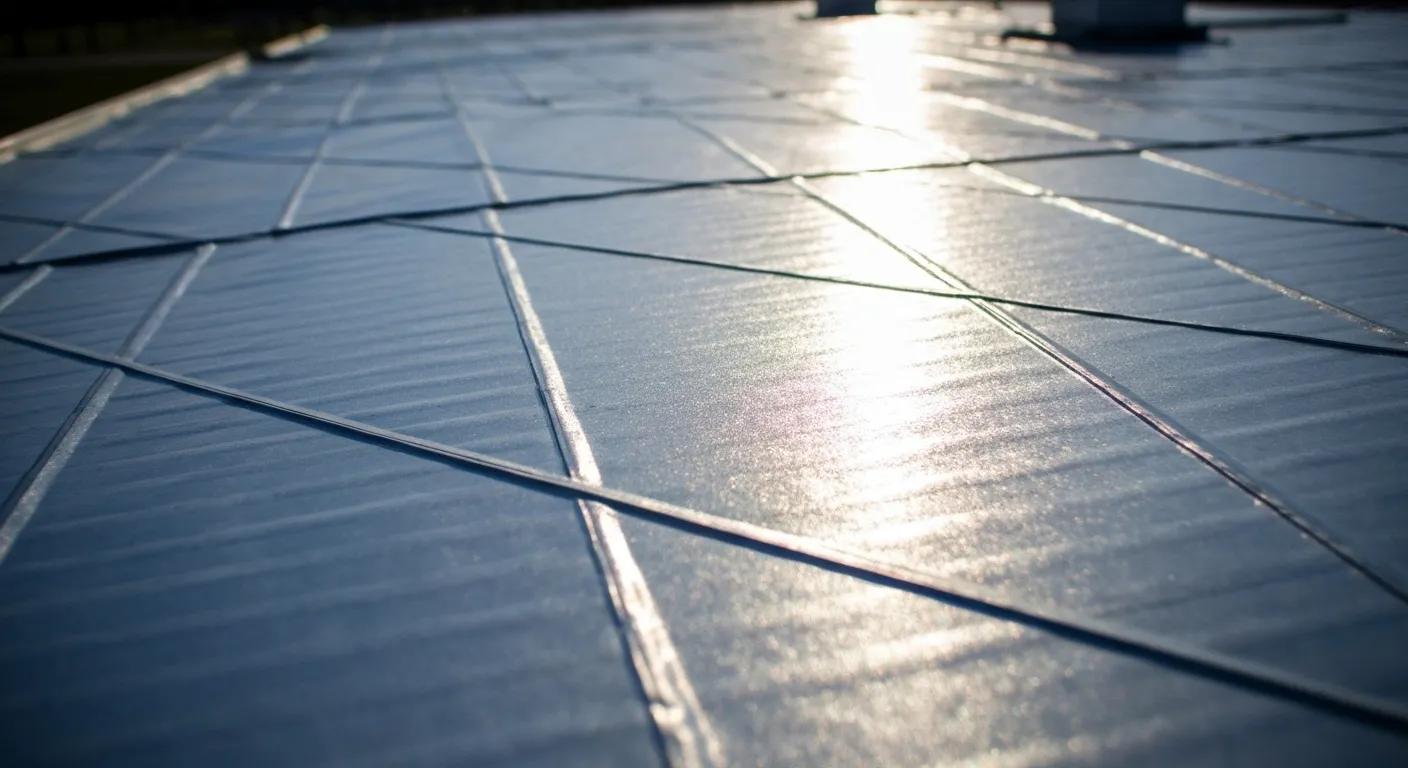
Energy efficiency metrics quantify a roof’s ability to reflect, emit, and resist heat transfer, directly impacting cooling costs and indoor comfort. Three primary indicators—Solar Reflectance Index, thermal emittance, and R-value—work together to define how a roof manages heat gain and loss. Evaluating these metrics helps homeowners choose materials and technologies that reduce utility bills and improve year-round comfort.
What Is the Solar Reflectance Index (SRI) and Why Does It Matter?
Solar Reflectance Index (SRI) measures a roof’s ability to reflect solar heat (reflectance) and release absorbed heat (emittance) on a scale of 0 to 100. A higher SRI means less solar absorption, cutting cooling loads by up to 15%. For example, a coating with an SRI of 80 can lower attic temperatures by 30°F compared to a dark asphalt shingle, helping homeowners save on air-conditioning costs while reducing heat stress on the roofing system.
Cool Roof Rating Council, (2024)
How Does Thermal Emittance Affect Roof Energy Performance?
Thermal emittance quantifies how effectively a roof material releases absorbed heat back into the atmosphere. Measured on a scale from 0 to 1.0, an emittance rating of 0.90 or above ensures rapid heat dissipation, reducing interior temperatures after sunset. When combined with high solar reflectance, strong thermal emittance prevents heat buildup in roofing layers and decreases reliance on mechanical cooling.
What Role Does R-value Play in Roof Insulation?
R-value indicates the thermal resistance of insulation layers beneath the roof deck, expressed in ft²·°F·hr/BTU. Higher R-values (for example R-30 vs. R-13) slow heat transfer, keeping conditioned air inside and external heat out. Adequate attic insulation with R-value aligned to climate zones can cut heating and cooling expenses by 10–20% while extending roof component life by reducing temperature extremes.
How Do Cool Roof Technologies Improve Energy Savings?
Cool roof technologies combine reflective coatings, membranes, or tiles engineered for high SRI and emittance. These surfaces lower rooftop temperatures by as much as 50°F on a sunny day, translating to annual cooling savings of $300–$500 for a typical home. By reducing heat transfer into the attic, cool roofs also decrease service calls for HVAC systems and extend shingle warranties by minimizing thermal cycling.
Rescue My Roof, (2025)
How Do Solar Panels Influence Roof Energy Efficiency?
Solar panels shade roof surfaces while converting sunlight into electricity, offering dual benefits: electricity generation and reduced roof solar gain. A properly mounted photovoltaic array can lower peak attic temperatures by up to 10°F and offset 70–100% of a household’s electrical demand. Integrating panels with high-reflectance underlayments maximizes both energy production and passive cooling performance.
How Are Roof Durability and Longevity Measured? Key Metrics Explained
When evaluating the durability and longevity of a roof, several key metrics come into play, each offering insights into how well a roofing system will perform over time. One of the primary factors is the material used in the roofing. Different materials such as asphalt shingles, metal, slate, and tile have varying lifespans, often measured in years. For instance, asphalt shingles typically last 15 to 30 years, while metal roofs can extend beyond 50 years with proper maintenance. The type and quality of roofing material, therefore, serve as a foundational metric in assessing overall durability and longevity.
Another important metric is weather resistance, which encompasses a roof’s ability to withstand various environmental elements, including wind, rain, snow, and UV radiation. This is often measured through specific tests that grade the material’s performance under simulated weather conditions. Additionally, the installation process plays a crucial role; a well-installed roof will generally show improved longevity compared to one that is poorly executed. Manufacturers often provide warranties that reflect not only the expected lifespan of the roof but also the conditions under which it remains valid, further supporting the evaluation of durability. By understanding these metrics, homeowners can make informed decisions about their roofing options, ensuring a roof that not only meets aesthetic preferences but also stands the test of time.
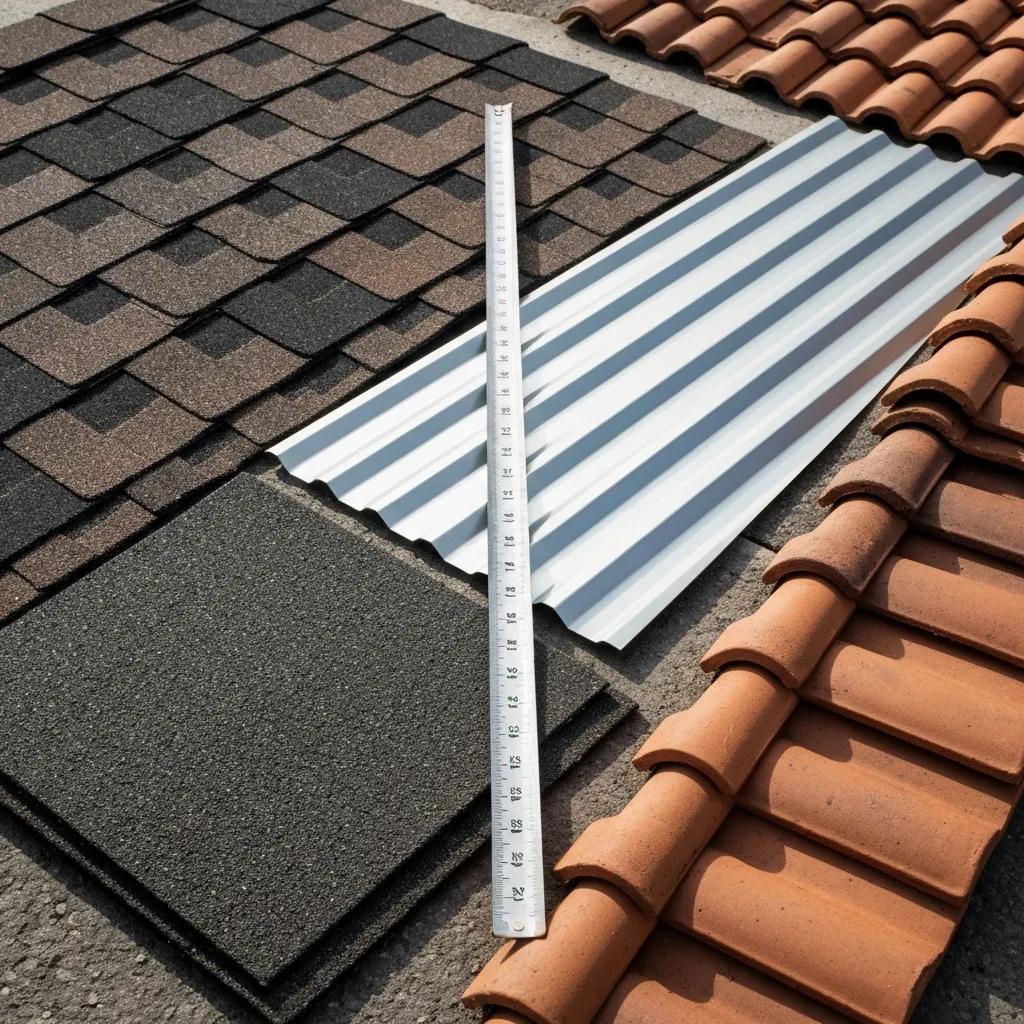
Durability metrics assess a roof’s resistance to environmental stressors and predict its service life, guiding homeowners toward long-term value. Key indicators include material lifespan, wind resistance ratings, hail impact class, installation quality standards, and maintenance practices. Understanding these metrics ensures a roof not only looks good but endures storms, UV exposure, and routine wear.
What Is the Typical Lifespan of Different Roofing Materials?
Roofing lifespans vary widely by material:
These ranges help homeowners weigh initial cost against replacement frequency. Metal roofing’s longevity can offset higher upfront investment, while asphalt offers affordability with moderate lifespan.
How Are Wind Resistance Ratings Determined for Roofs?
Wind resistance ratings, defined by ASTM and UL standards, assign a class (Class A, B, C, D) based on uplift testing at specific wind speeds. Class 4 shingles, for instance, withstand up to 150 mph gusts, reducing the risk of tear-off during hurricanes. Selecting a rating matched to local wind exposure ensures a roof remains secure during severe weather events.
Janney Roofing, (2023)
What Should Homeowners Know About Hail Impact Resistance?
Hail resistance is rated as Class 1 through Class 4 under UL 2218, with Class 4 offering the highest protection against large hailstones. Class 4 shingles resist shattering and granule loss, preventing leaks and prolonging surface integrity. In hail-prone regions, investing in Class 4 roofing material can reduce repair costs and insurance premiums over time.
How Does Installation Quality Affect Roof Durability?
Professional installation methods—correct underlayment placement, flashing details, fastener patterns, and ventilation strategies—directly influence durability metrics. Poor installation can void manufacturer warranties and accelerate material failure. Evernew Roofing’s certified team follows industry best practices to ensure each component performs to its rated specifications, maximizing lifespan and weather resilience.
What Maintenance Practices Extend Roof Lifespan?
Routine maintenance—annual inspections, gutter cleaning, moss removal, and prompt repair of damaged shingles—prevents minor issues from becoming costly failures. Clearing debris from valleys and trimming overhanging branches reduces moisture buildup and impact damage, supporting the roof’s rated longevity and preserving warranties.
How Do Roofing Materials Compare in Performance Metrics?
Comparing materials across energy and durability attributes highlights trade-offs between cost and lasting value. The table below contrasts the top roofing options on lifespan, solar reflectance, and wind class.
When energy savings rank highest, cool coatings and light-colored metal excel. For maximum longevity, slate or tile deliver multi-generation performance. To explore durable Atlas metal roofing options and detailed product specifications, visit the Atlas Roofing Products Catalog.
How Can Homeowners Evaluate Roof Performance Versus Cost?
Evaluating roof performance versus cost is a critical consideration for homeowners looking to maintain the integrity and longevity of their property. When assessing this balance, homeowners should begin by understanding the materials used in their roofing system. Different materials, such as asphalt shingles, metal roofing, and tile, each have varying lifespans, maintenance needs, and costs. Homeowners need to consider the initial installation cost and the long-term performance characteristics, including durability, energy efficiency, and weather resistance. For instance, while a metal roof may require a higher upfront investment, its lifespan can exceed 50 years with minimal maintenance, potentially leading to lower costs over time.
In addition to material selection, homeowners should also factor in the energy efficiency of their roofing system. An energy-efficient roof can significantly reduce heating and cooling costs, contributing to overall savings over time. Understanding local climate conditions is essential, as some roofing materials perform better in specific environments. Homeowners are encouraged to consult with roofing professionals who can provide insights into local trends, average material lifespans, and warranties, which can all influence long-term expenditures. Ultimately, a comprehensive analysis of roof performance versus cost allows homeowners to make informed decisions that align with their financial goals while ensuring a safe and comfortable living environment.
Balancing performance metrics against investment requires clear insight into return on investment, warranty coverage, and impact on property value. By quantifying energy savings and durability benefits, homeowners can prioritize upgrades that pay dividends over the roof’s service life.
What Is the ROI of Energy-Efficient Roofing Solutions?
When it comes to investing in energy-efficient roofing solutions, understanding the return on investment (ROI) is crucial for homeowners and business proprietors alike. Energy-efficient roofing not only enhances the aesthetic appeal of a property but also plays a significant role in reducing energy consumption and utility costs. By reflecting more sunlight and absorbing less heat, these roofing materials can contribute to lower air conditioning costs during warm months. Over time, the reduced energy bills can accumulate to a substantial savings, often recouping the initial investment within a few years, depending on various factors such as the size of the building, the local climate, and energy prices. Energy-efficient roofs yield average annual utility savings of $300–$500, leading to payback periods of 8–12 years on premium reflective membrane installations. When combined with local incentive programs and tax credits, ROI timelines shrink further, making high-SRI materials financially compelling for long-term homeowners.
How Do Warranty Terms Compare Across Roofing Materials?
When considering a new roof, one of the critical factors homeowners must evaluate is the warranty terms associated with different roofing materials. Roofing warranties can vary significantly based on the type of material chosen, each offering its own duration, coverage, and conditions. For example, asphalt shingles typically come with warranties lasting from 20 to 30 years, covering defects in materials, while premium options may extend this coverage, including provisions for installation errors. In contrast, metal roofing systems often offer longer warranty periods, sometimes up to 50 years, and can provide superior resistance to harsh weather conditions; however, they may require specific installation practices to maintain warranty validity. Warranties range from 10 years for basic asphalt options to 50 years or lifetime coverage on premium metal, tile, and slate systems. Transferable workmanship guarantees and extended wind- and hail-resistance endorsements add value by protecting future owners, which bolsters resale appeal and trust in installation quality.
How Does Roof Performance Affect Property Value?
The performance of a roof plays a crucial role in determining the overall value of a property. A well-maintained roof not only enhances the aesthetic appeal of a home but also assures potential buyers of the structural integrity of the building. When prospective buyers assess a property, they often consider the condition and age of the roof as a critical element in their decision-making process. A roof that is visibly worn, has missing shingles, or shows signs of water damage can serve as a red flag, leading to lower offers or even deterring buyers altogether. In contrast, a roof that has been recently replaced or expertly maintained can significantly elevate a property’s market value by instilling confidence in the buyer regarding future maintenance costs and potential repairs. Homes equipped with energy-saving roofs and high-durability materials often command premiums of 2–4% in resale value. Real estate appraisers factor in roof age, remaining useful life, and energy efficiency certifications, so selecting high-performance materials can translate directly into enhanced equity.
What Are Common Questions About Roof Performance Metrics?
When it comes to evaluating roof performance, several questions frequently arise among homeowners and building managers. One common inquiry pertains to the lifespan of various roofing materials. Many individuals wish to understand how different options, such as asphalt shingles, metal, or tile, stack up in terms of durability and longevity. They often seek clarity on what factors influence a roof’s lifespan, including climate conditions, maintenance practices, and installation quality. Knowledge of these elements helps property owners make informed decisions when selecting roofing materials that align with their expectations and needs.
Another pivotal aspect that often leads to questions is energy efficiency. Homeowners commonly ask how roofing materials impact energy costs and thermal performance during different seasons. They might inquire about the role of reflectivity and insulation properties in reducing heating and cooling expenses. Understanding metrics related to energy efficiency can guide property owners in choosing roofs that not only protect their structures but also contribute to long-term savings and environmental sustainability. Overall, addressing these common queries about roof performance metrics equips individuals with essential insights to optimize their roofing choices and enhance building efficiency. Homeowners frequently seek clarity on which metrics matter most, how measurements are conducted, and how to benchmark material choices. The following answers address typical uncertainties about performance attributes.
What Are the Most Important Roof Performance Metrics for Homeowners?
When evaluating the performance of a roof, homeowners should prioritize several key metrics that directly affect the longevity, efficiency, and overall functionality of their roofing system. One of the most critical metrics is **weather resistance**, which assesses a roof’s ability to withstand various environmental conditions such as heavy rain, snow, wind, and UV exposure. A roof’s resistance to these elements not only influences its lifespan but also plays a crucial role in protecting the home’s interior from water damage and structural issues. Homeowners should consider roofing materials specifically designed for their local climate, as well as the roofing technique employed, which can significantly impact performance outcomes. The three essential metrics are Solar Reflectance Index (SRI) for heat reflection, R-value for insulation resistance, and wind/hail class for weather resilience. Together, they define energy impact, comfort, and durability levels most relevant to residential roofing.
How Is Roof Energy Efficiency Measured?
When assessing roof energy efficiency, various metrics and standards are employed to evaluate how well a roof system performs in terms of thermal insulation and energy conservation. One of the primary measures used is the R-value, which indicates the roof’s resistance to heat flow. A higher R-value signifies better insulation properties, minimizing heat transfer during both summer and winter. In regions with extreme temperatures, choosing materials with higher R-values can significantly improve energy efficiency by reducing the demand for heating and cooling systems. In addition to R-values, the roof’s thermal mass and reflectivity are also essential factors. Thermal mass refers to a material’s ability to store heat, while reflectivity, often measured by the roof’s Solar Reflectance Index (SRI), indicates how much sunlight is reflected away, reducing heat absorption. Energy efficiency is measured by combining Solar Reflectance Index (how much solar heat is reflected), thermal emittance (how quickly heat is released), and R-value (insulative resistance). These metrics quantify heat flow and inform material selection to reduce HVAC loads.
Which Roofing Material Lasts the Longest?
When it comes to choosing the right roofing material, longevity is often a key factor for homeowners and builders alike. Among the variety of roofing options available, metal roofing stands out as one of the most durable choices. Typically made from steel or aluminum, metal roofs can last anywhere from 40 to 70 years with proper maintenance. Their resistance to harsh weather conditions, including heavy rain, snow, and wind, makes them an ideal option for many climates. Moreover, metal roofs are also fire-resistant, which can provide an added layer of security for homeowners. Natural slate and concrete tile offer the longest lifespans—up to 200 years—while metal roofing follows closely at 40–80 years. Synthetic composites and asphalt shingles rank lower but still deliver 15–50 year service lives under proper installation and maintenance.
What Is a Good Solar Reflectance Index (SRI) for a Roof?
The Solar Reflectance Index (SRI) is a crucial metric in evaluating the energy efficiency of roofing materials. It combines both solar reflectance and thermal emittance to provide a comprehensive measure of how well a roof can reflect sunlight and dissipate heat. A good SRI rating can significantly enhance the energy efficiency of a building by reducing the heat absorbed by its roof, which directly impacts cooling costs, indoor comfort, and the urban heat island effect. For many commercial applications, a minimum SRI of 0.29 is often recommended, while residential roofs can benefit from an SRI of at least 0.30 to 0.40, depending on the local climate and building codes. An SRI of 50 or higher indicates strong reflectance and emittance performance. Cool-roof coatings often exceed 80, while light-colored metal panels deliver 30–75 depending on finish. Selecting SRI aligned to regional sun exposure optimizes cooling savings.
How Does R-value Affect Roof Performance?
R-value is a critical measure in assessing the thermal resistance of building materials, particularly in roofing systems. It quantifies a material’s ability to resist heat flow, with higher R-values indicating greater insulation effectiveness. In roofing applications, effective R-value contributes significantly to the overall energy efficiency of a building. A roof with a high R-value minimizes heat transfer, keeping the interior cooler during hot months and warmer during cold ones. This improved temperature regulation not only enhances indoor comfort but also reduces the reliance on heating and cooling systems, leading to lower energy bills for homeowners. Higher R-values slow conductive heat transfer through the roof deck, maintaining stable indoor temperatures. In moderate climates, R-30 to R-38 insulation is recommended, while colder zones may require R-49 or above to minimize heating expenses.
How Do Local Climate and Environment Affect Roof Performance Metrics?
When considering the longevity and effectiveness of roofing systems, local climate and environmental conditions play a significant role in determining performance metrics. Regions characterized by extreme temperatures—whether hot or cold—can wreak havoc on roof materials. For instance, in areas with high heat, roofs may experience thermal expansion and contraction, leading to the deterioration of materials over time. This can result in cracks, leaks, and a shortened lifespan of the roof. Conversely, in colder climates, snow and ice accumulation could exert pressure on roofing materials, emphasizing the need for adequate drainage systems to prevent water from pooling and penetrating the roofing structure.
Additionally, local environmental factors such as humidity, precipitation levels, and exposure to UV radiation can greatly influence the performance metrics of roofs. High humidity levels and frequent rainfall increase the risk of mold growth and water infiltration, potentially leading to structural damage and compromised insulation. Similarly, roofs in regions with high UV exposure may require UV-resistant materials to prevent degradation, fading, or brittleness. Moreover, elements such as local vegetation, pollution, and wind patterns can contribute to additional wear and tear on roofing systems. Therefore, understanding and analyzing the local climate and environmental conditions is essential for selecting the appropriate roofing materials and design, ensuring optimal performance, and extending the lifespan of the roof. Regional weather patterns shape which metrics and materials deliver the greatest benefits, guiding homeowners toward optimized performance for their specific conditions.
How Does Climate Influence Energy Efficiency Metrics?
Climate plays a crucial role in shaping energy efficiency metrics, significantly impacting how residential and commercial buildings consume energy. The various climatic zones—ranging from tropical and arid to temperate and polar—present distinct challenges and opportunities in energy management. For instance, areas with high temperatures may experience increased demands for air conditioning during sweltering summers, while regions with frigid winters necessitate enhanced heating solutions. These climatic conditions directly influence the design and operation of buildings, thereby affecting energy efficiency metrics such as Energy Use Intensity (EUI) and Seasonal Energy Efficiency Ratio (SEER). In climates with extreme weather fluctuations, energy efficiency ratings must account for the additional energy required to maintain comfortable indoor temperatures, leading to higher total energy consumption. Hot, sunny climates maximize gains from high SRI and emittance surfaces, whereas colder regions benefit more from elevated R-values to retain heat. Coastal areas may emphasize corrosion-resistant coatings, and humidity levels can impact reflective film longevity.
What Durability Factors Are Critical in Extreme Weather Areas?
When considering the durability of structures in extreme weather areas, several critical factors must be taken into account to ensure long-term resilience and safety. One of the foremost elements is the material selection. In regions prone to high winds, heavy rain, or extreme temperatures, materials must exhibit enhanced strength and stability. For instance, steel and reinforced concrete are often favored for their ability to withstand catastrophic conditions, including hurricanes and severe storms. Additionally, special coatings and treatments may be necessary to protect against corrosion caused by humidity or salt in coastal environments. Proper insulation is also essential in extreme temperature areas, as it helps to regulate internal environments and prevent structural damage from freezing and thawing cycles. Areas prone to hurricanes or tornadoes require Class 4 wind-resistant systems, reinforced flashing, and secondary waterproofing layers. Hail-prone zones should prioritize UL 2218 Class 4 impact-resistant materials to prevent granule loss and punctures during storms.
How Should Homeowners Choose Materials Based on Local Conditions?
When homeowners embark on construction or renovation projects, one of the most crucial decisions they face is selecting materials that are well-suited to their local conditions. Diverse climates, ranging from arid deserts to humid coastal areas, significantly influence the performance and durability of various building materials. As such, homeowners should carefully consider factors such as temperature fluctuations, humidity levels, precipitation patterns, and even wind speeds in their region. Conducting thorough research on local weather conditions not only helps in selecting materials that withstand environmental challenges but also enhances long-term comfort and energy efficiency within the home. Homeowners should align materials to climate drivers: cool roofs for desert and sun-belt houses, high-R insulation for northern climates, and high-impact shingles or metal in storm-exposed regions. Consulting local building codes and weather data ensures a roof tailored to environmental demands.
How Can Homeowners Use Roof Performance Metrics to Make Informed Decisions?
Homeowners seeking to maintain the integrity and longevity of their roofs can significantly benefit from understanding and utilizing roof performance metrics. These metrics provide essential insights into the current condition and efficiency of roofing systems, enabling homeowners to make informed decisions regarding repairs, replacements, and maintenance. By analyzing data related to factors such as moisture levels, thermal performance, and structural integrity, homeowners can identify potential issues before they escalate into costly problems. For instance, monitoring moisture levels can help detect leaks or water intrusion, allowing for timely interventions that can save hundreds or even thousands of dollars in repair costs.
Additionally, understanding roof performance metrics empowers homeowners to weigh the benefits of various roofing materials and systems. By analyzing metrics like energy efficiency and life cycle costs, homeowners can make smarter choices tailored to their specific needs and budgets. For example, homeowners might discover that investing in a high-quality, energy-efficient roofing system could yield significant savings on heating and cooling expenses over time. Furthermore, by keeping track of performance metrics over the roof’s lifespan, homeowners can strategically plan for future repairs and replacements, ensuring they make decisions that enhance the overall value and sustainability of their property. Through this proactive approach, homeowners not only protect their investment but also contribute to a more environmentally conscious future. Translating metric knowledge into actionable steps allows homeowners to assess existing roofs, compare options through tools, and engage with professionals for tailored recommendations and quotes.
How to Assess Your Current Roof’s Performance Metrics?
Assessing your current roof’s performance metrics is crucial for maintaining the integrity of your home and ensuring long-term protection against the elements. To begin, home and property owners should conduct a visual inspection of the roof. This entails checking for obvious signs of wear and tear, such as missing shingles, discoloration, or sagging areas which may indicate structural issues. It’s also essential to examine the flashing and seams, as these areas are prone to leaks that can compromise the roof’s performance. Additionally, assessing any signs of water damage in the attic or ceilings can provide insight into potential roofing issues that need immediate attention. Begin with a visual inspection for discoloration, granule loss, and damage, then measure attic thermal profiles using infrared scanners or simple roof temperature checks. Reviewing original installation documentation reveals the rated R-value and wind class, while energy bills can confirm potential efficiency gains.
What Tools Help Compare Roofing Materials by Performance?
When it comes to selecting roofing materials for a home or commercial building, understanding performance metrics is crucial. Various tools have been developed to aid property owners, contractors, and architects in comparing the effectiveness of different roofing materials. One of the most prominent tools is the EPA’s Energy Star program, which evaluates roofing products based on their energy efficiency. Products that meet the stringent criteria set forth by this program receive certification, providing a reliable benchmark for consumers looking to lower energy costs and enhance comfort through improved thermal performance. Interactive calculators and online comparison tools allow homeowners to input roof area, geographic location, and desired performance levels to generate side-by-side assessments of cost, energy savings, and lifespan. Many manufacturers and industry websites offer free calculators that estimate utility savings based on SRI and R-value inputs.
When Should You Consider Roof Replacement Based on Metrics?
When considering roof replacement, homeowners must evaluate several metrics that signal the need for an upgrade. One of the most critical factors is the age of the roof. Most roofing materials have a specific lifespan, typically ranging from 20 to 50 years. Asphalt shingles, for example, generally last around 20 years, while metal roofing can last up to 50 years. Homeowners should keep track of their roof’s age, as approaching the end of its expected life span can be a strong indicator that replacement is necessary. Furthermore, the presence of significant wear and tear, such as curling shingles, widespread granule loss, or cracked tiles, can compromise the roof’s integrity and suggest that replacement might be a more prudent investment than continuous repairs. Warning signs such as frequent repair calls, recurring leaks during storms, or rising energy bills despite proper insulation indicate it’s time to evaluate replacement. If the current roof’s remaining useful life falls below 10 years or fails to meet modern energy standards, proactive replacement can yield substantial long-term benefits.
How to Get a Personalized Roof Performance Assessment?
Homeowners seeking a customized evaluation can request an on-site consultation and energy audit. To receive a fast, no-obligation estimate and expert guidance on matching performance metrics to your home’s needs, complete the instant roofing quote form and connect with our certified team. Evernew Roofing combines advanced performance analysis with transparent pricing to deliver the optimal balance of efficiency, durability, and cost for every homeowner. Roofs play a pivotal role in home comfort, energy efficiency, and structural protection by integrating metrics such as SRI, thermal emittance, R-value, and durability ratings. By comparing materials through measurable attributes, aligning choices with regional demands, and leveraging professional assessments, homeowners can secure roofing solutions that deliver lasting value. Understanding and applying these roof performance metrics transforms a simple surface into a strategic investment that lowers bills, withstands extreme weather, and enhances property equity. With clear insight and expert support, every homeowner can make informed decisions that optimize both performance and cost for the long term.
Frequently Asked Questions
What are the benefits of investing in energy-efficient roofing materials?
Investing in energy-efficient roofing materials can lead to significant long-term savings on utility bills, often ranging from $300 to $500 annually. These materials, such as those with high Solar Reflectance Index (SRI) and R-value, help maintain comfortable indoor temperatures, reducing the need for excessive heating and cooling. Additionally, energy-efficient roofs can enhance property value, as homes equipped with such features often command higher resale prices. Furthermore, many energy-efficient options qualify for local incentives or tax credits, making them financially appealing for homeowners.
How can homeowners determine the right roofing material for their climate?
Choosing the right roofing material involves considering local climate conditions. For hot, sunny areas, materials with high SRI and thermal emittance are ideal to reflect heat and reduce cooling costs. In colder climates, higher R-values are essential to retain heat and minimize heating expenses. Homeowners in storm-prone regions should prioritize materials with high wind resistance and impact ratings. Consulting local building codes and weather data can provide valuable insights, ensuring that the selected roofing material is well-suited to the environmental demands of the area.
What are the signs that a roof may need replacement?
Homeowners should consider roof replacement if they notice frequent repairs, recurring leaks, or rising energy bills despite proper insulation. Other warning signs include visible damage, such as missing shingles or significant granule loss, and a roof age exceeding its expected lifespan. If the remaining useful life of the roof is less than 10 years or it fails to meet modern energy efficiency standards, proactive replacement can prevent further issues and yield substantial long-term benefits, including improved energy savings and enhanced property value.
How does roof color impact energy efficiency?
The color of a roof significantly affects its energy efficiency. Lighter-colored roofs, such as those with reflective coatings, can reflect more sunlight and absorb less heat, leading to lower cooling costs in warm climates. Conversely, darker roofs tend to absorb heat, which can increase indoor temperatures and energy consumption for cooling. Homeowners should consider their local climate when selecting roof color, as a well-chosen hue can enhance energy efficiency and comfort throughout the year.
What role does ventilation play in roof performance?
Proper ventilation is crucial for maintaining roof performance and longevity. It helps regulate temperature and moisture levels in the attic, preventing heat buildup that can damage roofing materials and increase cooling costs. Adequate ventilation also reduces the risk of ice dams in winter, which can lead to leaks and structural damage. Homeowners should ensure their roofing system includes sufficient intake and exhaust vents to promote airflow, thereby enhancing energy efficiency and extending the lifespan of the roof.
How can homeowners assess the energy efficiency of their current roof?
To assess the energy efficiency of an existing roof, homeowners can start with a visual inspection for signs of wear, such as discoloration or granule loss. Measuring attic temperatures using infrared scanners or simple thermometers can provide insights into heat retention. Additionally, reviewing energy bills can help identify potential efficiency gains. Homeowners may also consider hiring a professional for a comprehensive energy audit, which can offer detailed assessments of insulation, ventilation, and overall roof performance metrics.
What are the common mistakes homeowners make when choosing roofing materials?
Common mistakes include prioritizing initial cost over long-term value, neglecting to consider local climate conditions, and failing to evaluate energy efficiency metrics. Homeowners may also overlook the importance of installation quality, which can significantly impact durability and performance. Additionally, not researching warranty terms and material lifespans can lead to unexpected expenses down the line. To avoid these pitfalls, homeowners should conduct thorough research, consult with professionals, and weigh the benefits of various materials against their specific needs and environmental factors.