


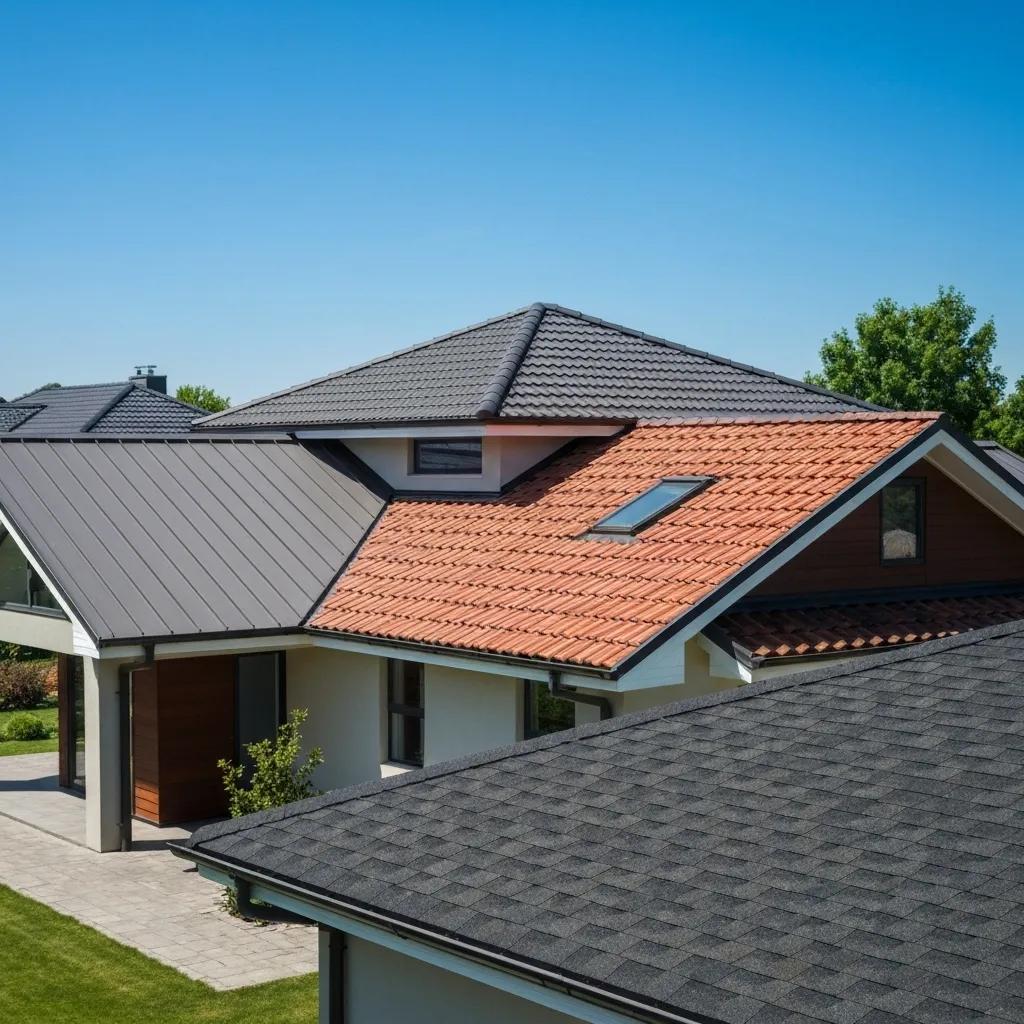
Roof Durability Testing Methods You Should Know: How to Ensure Long-Lasting Roofing Materials
Homeowners face multiple threats—high winds, hailstorms, water intrusion, UV exposure and even fire—that can shorten a roof’s lifespan without proper evaluation. Understanding roof durability testing methods empowers you to choose materials and treatments that resist damage over decades. This guide explains the most common tests, compares material lifespans, explores factors beyond testing, highlights Evernew Roofing’s innovations, outlines decision-making tips, examines industry trends, and points to authoritative resources.
What Are the Most Common Roof Durability Tests and How Do They Work?
Roof durability tests measure a material’s resistance to environmental forces, using standardized equipment to predict real-world performance. By simulating wind uplift, hail impact, water intrusion, weathering and fire exposure, these methods confirm a roofing system’s ability to protect your home.
Common Roof Durability Tests:
- Wind uplift resistance
- Hail impact resistance
- Water penetration and leak testing
- Accelerated weathering
- Fire resistance classification
These tests pinpoint weaknesses before installation, ensuring that your chosen roofing system aligns with the long-term protection needs of Southeast Michigan’s climate and beyond.
How Is Wind Uplift Resistance Tested to Protect Your Roof from Storms?
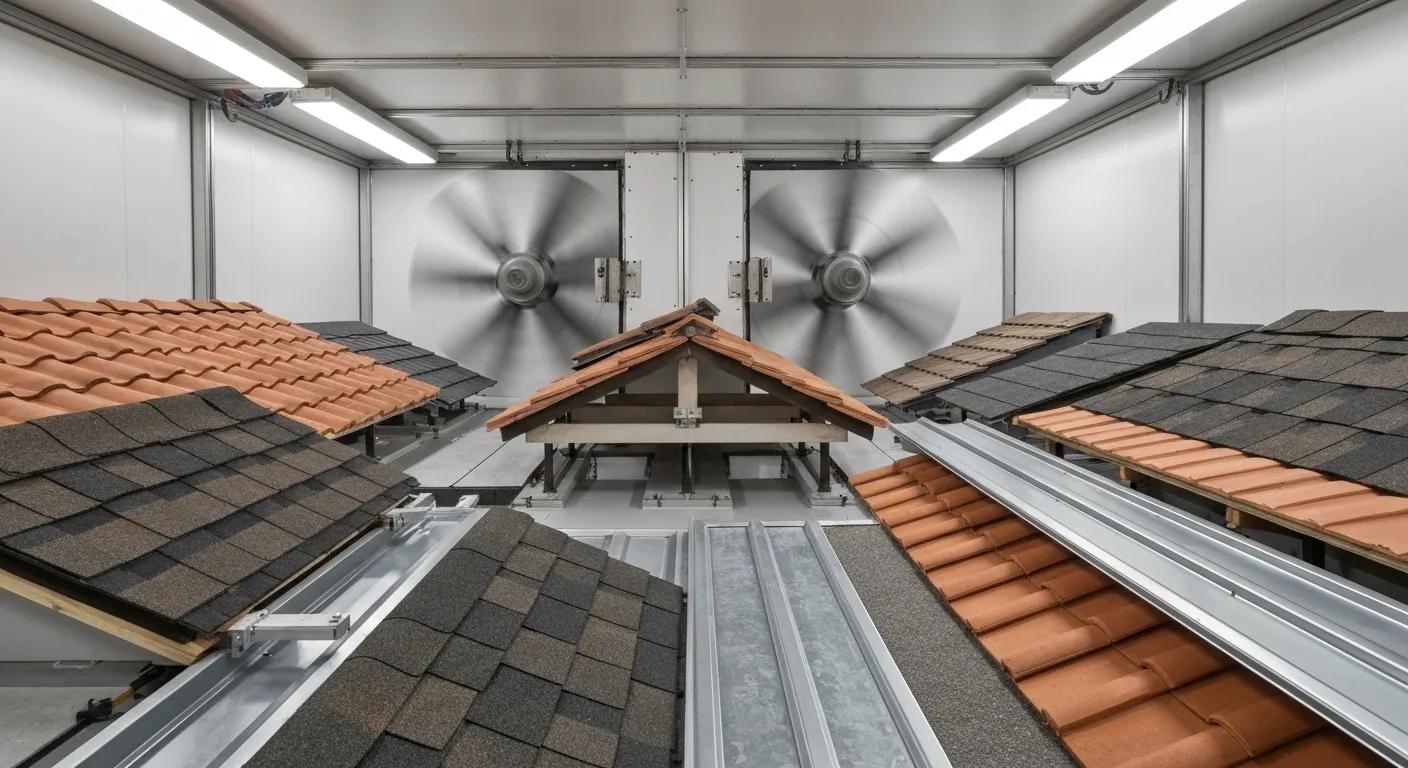
Wind uplift resistance testing measures how roofing materials withstand suction and pressure from high winds. A test chamber applies negative pressure beneath a panel while a wind-ward blower simulates gusts above, recording the pressure at which materials fail.
- Simulated pressure differential gauges material bond strength.
- ASTM E1592 standardizes metal roof testing at pressures up to 150 psf.
- Results classify roofing systems by design pressures for building codes.
By verifying uplift ratings, homeowners gain confidence that shingles or panels will remain secure during severe storms, reducing the risk of blow-offs and interior damage.
What Does Hail Impact Resistance Testing Reveal About Roof Strength?
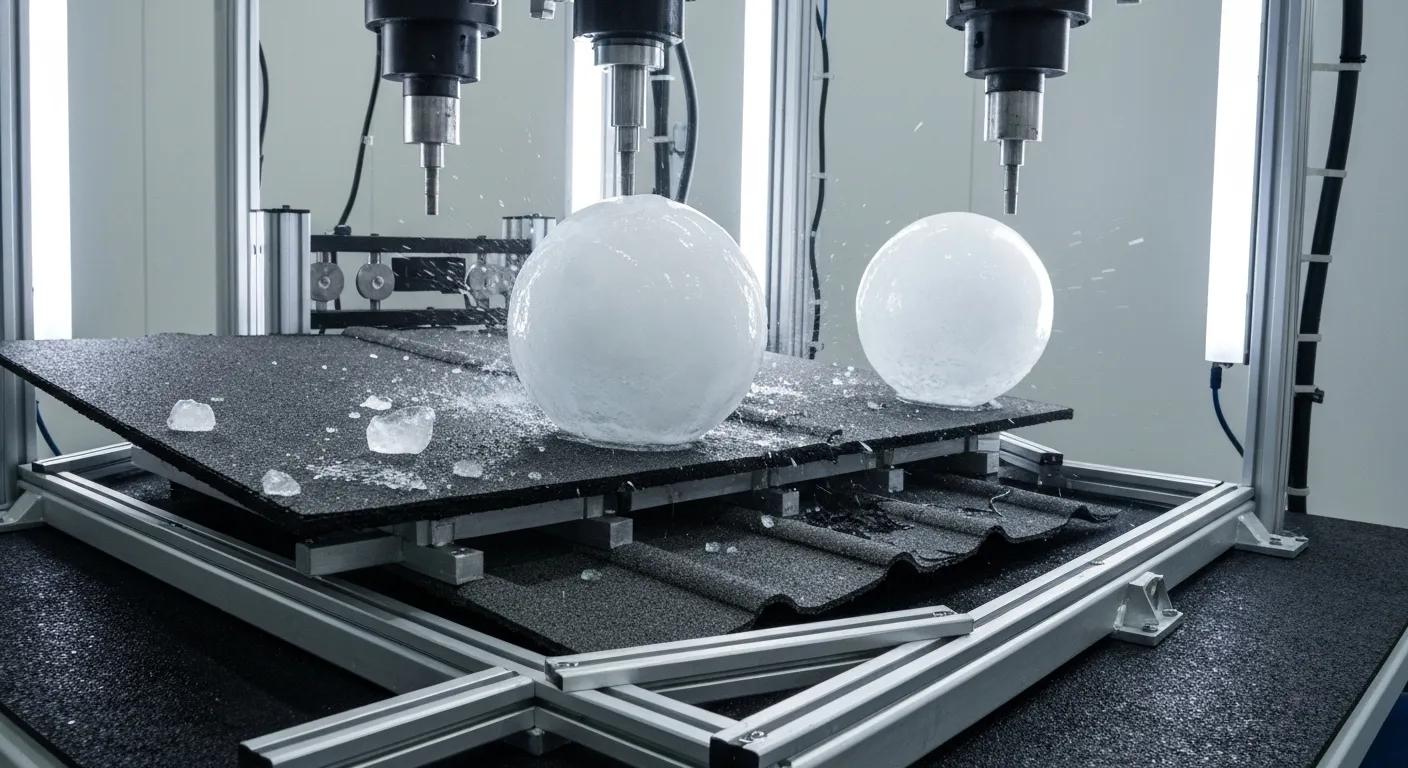
Hail impact tests determine how well materials resist penetration and fracture under high-velocity strikes. A wind machine propels ice balls of specific diameter and speed against a mounted sample, following UL 2218 or FM 4473 standards.
- Class 1 through Class 4 designations reflect increasing impact levels.
- Class 4 indicates severe hail endurance with minimal cracking.
- Test outcomes guide material selection in hail-prone regions.
Knowing your roof’s impact classification helps you invest in systems that minimize shingle loss and granule erosion, preserving waterproofing and curb appeal for years.
How Are Water Penetration and Leak Tests Conducted for Roof Protection?
Water penetration testing evaluates a roof’s ability to shed rain and prevent leaks under simulated rainfall and wind-driven conditions. A hose application sprays water at angles while interior observers watch for intrusion.
- ASTM D4586 and TAS 100 outline method and water volume.
- Observers monitor drip trays for leakage over set durations.
- Successful materials show zero penetration under standard conditions.
Confirming watertight performance protects attic insulation and structural components, cutting repair costs and preventing mold growth.
What Is Accelerated Weathering Testing and How Does It Simulate Roof Aging?
Accelerated weathering accelerates UV exposure, temperature shifts and moisture cycles to mimic years of sunlight and weather impact within weeks. Samples rotate inside sealed chambers under xenon or fluorescent UV lamps.
- Cycles of UV irradiation, condensation and temperature extremes replicate outdoor conditions.
- ASTM G155 and G151 define exposure durations and spectrum control.
- Degradation indicators include color fade, cracking and flexural strength loss.
By forecasting UV damage and thermal fatigue, homeowners can compare material coatings and reinforcements that maintain integrity in Michigan’s freeze-thaw climate.
How Is Fire Resistance Tested to Ensure Roofing Safety?
Fire resistance testing assesses a roofing assembly’s ability to resist flame spread and embers under both direct fire and external exposure. Underwriters Laboratories’ UL 790 standard exposes samples to gas-fired flames, rating performance as Class A, B or C.
- Class A delivers the highest protection with flame spread index ≤ 25.
- Embers and radiant heat exposure are simulated in external fire tests.
- Assembly tests include fasteners, underlayment and ventilation interfaces.
Selecting a Class A roofing system enhances home safety in wildfire or ember-drift scenarios, giving homeowners peace of mind alongside aesthetic appeal.
How Do Different Roofing Materials Compare in Durability and Lifespan?
When researching roofing materials, homeowners often prioritize durability and lifespan as essential factors in their purchasing decisions. Different roofing materials vary significantly in these two key aspects, impacting overall building value and maintenance costs. Asphalt shingles, one of the most common roofing choices, typically last around 15 to 30 years depending on the quality and installation. Although they are cost-effective and relatively lightweight, their performance can be compromised in extreme weather conditions, leading to earlier degradation. On the other hand, metal roofing, which includes materials like aluminum and steel, generally offers remarkable durability, often exceeding 50 years. Metal roofs are resistant to extreme weather, fire, and pests, making them a robust choice for those seeking long-term investment.
Additionally, materials such as slate and tile provide a different level of durability and aesthetic appeal. Slate roofing can last more than a century with proper maintenance, making it an attractive option for those looking for a long-term solution that combines style with durability. Though typically more expensive, the longevity of slate can offset its initial investment over time. Similarly, clay and concrete tiles boast durability and a lifespan of 50 to 100 years, depending on the quality of materials used. While heavier and potentially more costly in terms of installation, these materials offer excellent resistance to weather and other environmental factors. Ultimately, when comparing roofing materials, homeowners must consider not only the initial cost and aesthetic but also how each material’s durability and lifespan align with their long-term building goals.
Material performance varies widely, with lifespans ranging from two decades to over a century. Comparative data helps match durability expectations to budget and maintenance plans.
The table below highlights average lifespans and key durability tests for common roofing choices:
This comparison guides homeowners toward the material that best aligns with their durability needs and local climate challenges, preparing for a deeper look at each type.
What Is the Typical Lifespan of Asphalt Shingles and How Can It Be Extended?
Asphalt shingles last 15–30 years under standard conditions, with UV degradation and granule loss as primary failure modes. Treating shingles with Evernew’s Fresh Roof rejuvenation restores flexibility and repels UV rays, extending life by up to 6–12 years.
- Fresh Roof’s bio-based coating penetrates shingle cells for deep renewal.
- UV absorbers in the treatment slow oxidation and brittleness.
- Homeowners preserve curb appeal and delay full replacement costs.
Extended asphalt performance offers budget-minded protection and aligns with eco-friendly goals by reducing landfill waste.
Why Is Metal Roofing Considered a Long-Term Investment in Durability?
Metal roofing systems deliver 40–80 years of service through superior wind uplift resistance and non-combustible fire ratings. Manufacturers like Atlas subject metal panels to rigorous wind, corrosion and hail tests, ensuring reliability in demanding climates.
- Metal resists freeze-thaw cracking and granule loss.
- Anti-corrosion finishes uphold aesthetics and structural integrity.
- Lightweight panels reduce roof stress and lower maintenance needs.
Learn more about certified Atlas metal solutions in the Atlas Roofing Products Catalog – Evernew Roofing.
How Durable Are Tile and Slate Roofs Compared to Other Materials?
Clay, concrete and natural slate roofs often exceed 50–100 years, thanks to inherent density and fire-proof composition. Freeze-thaw testing confirms that properly installed tile resists cracking in cold climates, while impact resistance tests for slate verify low fracture rates.
- Interlocking designs minimize water penetration.
- Natural stone resists insect and mold damage without treatments.
- Weight requires reinforced roof structure during installation.
Long-term strength makes tile and slate ideal for historic homes or premium architectural designs, though upfront costs and structural requirements are higher.
What Are the Durability Features of Composite and Synthetic Roofing Materials?
Composite shingles blend polymers, fiberglass and recycled materials for balanced performance and aesthetics. Impact and accelerated aging tests show modern composites nearing Class 4 hail ratings with color stability under prolonged UV exposure.
- Engineered blends limit warping and granule erosion.
- Proprietary UV inhibitors and polymers promote flexibility in temperature swings.
- Lower weight simplifies installation and reduces roof load.
Composite systems offer a middle ground between cost, durability and design versatility, making them attractive to homeowners seeking both style and resilience.
What Factors Influence Roof Durability Beyond Material Testing?
When considering the durability of a roof, many people instinctively focus on the materials used, such as shingles, tiles, or metal. However, roof durability is influenced by a multitude of factors beyond mere material testing. One significant aspect is the installation process. Proper installation is crucial to ensuring that roofing materials perform as intended. Even the highest quality materials can underperform if they are not installed correctly. This includes factors such as proper alignment, secure fastening, and meticulous sealing of joints. Additionally, the experience and skill of roofing contractors can vary significantly, which affects how well the roof can withstand environmental challenges throughout its lifespan.
Another influential factor in roof durability is the local climate and environmental conditions. Regions that experience extreme temperatures, heavy rainfall, or high winds can put additional stress on roofing systems. For instance, UV radiation exposure can lead to material degradation over time, while strong winds can lift and damage roofing elements if they are not designed to withstand such forces. Moreover, local wildlife can also play a role; bird nests or the incursion of pests can compromise roof integrity. Finally, regular maintenance practices further impact durability; a well-maintained roof, with timely inspections and repairs, can significantly prolong its life span. Thus, understanding these various factors is essential for homeowners and builders aiming to ensure that a roof not only looks good but also stands the test of time. Testing confirms inherent material strength, but installation expertise, maintenance habits, environment and internal roof systems critically affect actual performance.
Key Influencing Factors:
- Installation quality and adherence to manufacturer guidelines
- Regular maintenance and professional inspections
- Climate impacts such as freeze-thaw cycles and moisture
- Attic ventilation and insulation effectiveness
Each factor interacts with material properties to determine a roof’s true service life.
How Does Installation Quality Affect Roof Strength and Longevity?
Proper fastening patterns, underlayment choices and flashing details ensure that roofing materials perform as tested. Skilled installers follow manufacturer specifications for nail spacing, overlap and sealant application to prevent wind uplift and water intrusion.
- Correct fasteners and placement resist wind pressures specified in ASTM standards.
- Precision flashing prevents leak paths at valleys and penetrations.
- Professional workmanship reduces callbacks and extends system life.
Flawless installation turns tested material properties into dependable protection, making routine inspections more predictive of lifespan.
Why Are Regular Maintenance and Inspections Crucial for Roof Lifespan?
Routine cleaning of debris, gutter clearing and shingle condition checks catch minor issues before they escalate. Seasonal inspections verify sealant integrity, vent functionality and flashing condition, preventing water intrusion and structural damage.
- Early detection of missing or cracked shingles limits repair scope.
- Gutter maintenance prevents water backflow and wood rot.
- Inspection data inform timely treatments like Fresh Roof rejuvenation.
Consistent maintenance preserves test-verified durability characteristics and maximizes return on your roofing investment, preparing your home for climate extremes.
How Do Climate and Environmental Conditions Affect Roof Durability?
Southeast Michigan’s humid summers, cold winters and freeze-thaw cycles accelerate UV degradation, moisture intrusion and material fatigue. Materials that passed accelerated weathering tests and freeze-thaw cycling will resist these cycles more reliably.
- High humidity increases corrosion risk in metal roofs without proper coatings.
- Snow loads demand robust framing and proper drainage details.
- UV intensity in summer months drives color fade and embrittlement.
Matching test-rated materials to local climate patterns ensures that lab results translate into real-world performance on your home.
What Role Do Roof Ventilation and Insulation Play in Protecting Roofs?
Balanced attic ventilation and effective insulation regulate roof deck temperature, preventing ice dams, moisture buildup and thermal shock. Ridge vents, soffit vents and proper insulation levels work together to preserve underlayment adhesion and shingle flexibility.
- Even temperatures reduce UV-driven thermal expansion and contraction.
- Moisture evacuation prevents mold and rot in decking materials.
- Insulation keeps shingles closer to their tested thermal performance.
Integrating ventilation design with material selection elevates a roof’s durability from tested potential to real-world reliability.
How Does Evernew Roofing Ensure Roof Durability Through Testing and Innovation?
Evernew Roofing prioritizes roof durability through a rigorous combination of testing and innovative practices. To ensure that their roofing systems can withstand the diverse challenges posed by varying climates and environmental conditions, the company employs a comprehensive testing protocol. This involves subjecting their materials to severe weather simulations, including high winds, heavy rainfall, and extreme temperatures. By meticulously analyzing how different roofing materials respond to these tests, Evernew Roofing can identify the most resilient options and refine their installation techniques. This commitment to quality assurance not only enhances the longevity of their roofs but also provides peace of mind for homeowners investing in long-term protection for their properties.
In addition to testing, Evernew Roofing fosters a culture of innovation, consistently seeking out the latest advancements in roofing technology and materials. The company collaborates with leading research institutions and invests in advanced materials that boast improved durability and energy efficiency. For instance, Evernew Roofing has implemented innovative coatings that protect against UV rays, reducing the risk of degradation over time. By staying ahead of the curve and embracing modern engineering techniques, the company ensures that its roofs not only meet but exceed industry standards. This proactive approach guarantees that customers receive a product that is not only durable but is also reflective of contemporary needs and preferences, ultimately enhancing the overall value of their homes. Evernew Roofing combines certified testing standards, innovative treatments and premium products to deliver roof systems engineered for longevity. Our approach integrates lab-verified materials with skilled installation and eco-friendly rejuvenation.
What Is Fresh Roof Rejuvenation and How Does It Extend Asphalt Shingle Life?
Fresh Roof Rejuvenation is a proprietary bio-based coating that penetrates asphalt shingle cells to restore flexibility and UV resistance. Laboratory and in-field tests confirm that treated shingles regain up to 80% of their original tensile strength and delay brittleness.
- UV absorbers in the formulation slow oxidation.
- Plasticizers maintain shingle flexibility in cold temperatures.
- Eco-friendly ingredients align with green building practices.
Homeowners extend asphalt performance by up to 12 years and reduce replacement waste without sacrificing durability.
How Do Atlas Roofing Products Meet Durability Testing Standards?
Atlas Roofing products are designed with durability at the forefront, adhering to rigorous testing standards that ensure their performance in various environmental conditions. The company employs a multi-faceted approach to durability testing, which includes assessments for wind resistance, impact resistance, and UV exposure. These tests simulate the harsh conditions that roofing materials might face throughout their lifespan, allowing Atlas to identify potential weaknesses and enhance their product formulations. By utilizing advanced engineering techniques and high-quality raw materials, Atlas Roofing ensures that their products not only meet but often exceed industry durability benchmarks, providing peace of mind to homeowners and builders alike. Atlas Roofing manufactures shingles, underlayments and insulation materials tested under UL 2218, ASTM D3462 and FM 4473 standards for impact, wind uplift and fire resistance. Our certified installers deploy these products according to strict manufacturer guidelines. Explore detailed specifications in the Atlas Roofing Products Catalog – Evernew Roofing.
What Quality Standards and Certifications Does Evernew Roofing Follow?
Evernew Roofing maintains GAF and CertainTeed installer certifications, adheres to OSHA safety protocols and participates in ongoing training through the National Roofing Contractors Association. Our quality management system includes post-install inspections and performance audits.
- Certified credentials verify skilled workforce capabilities.
- Safety and quality audits ensure compliance with industry best practices.
- Customer feedback loops drive continuous improvement.
These standards guarantee that your roof meets or exceeds laboratory test performance in real-world applications.
How Can Homeowners Use Roof Durability Testing Information to Make Informed Decisions?
When it comes to maintaining a home, the roof often takes center stage as one of the most critical components of any structure. Homeowners can greatly benefit from roof durability testing information, which includes data on materials, lifespan, resistance to environmental factors, and overall performance. This testing provides essential insights that enable homeowners to make informed decisions regarding roof repairs, replacements, or upgrades. For instance, understanding how different roofing materials withstand harsh weather conditions can guide homeowners in selecting the right options that match their local climate and specific needs. Armed with this knowledge, they can avoid costly mistakes and choose the most suitable roofing solutions to ensure longevity and protection for their homes.
Moreover, roof durability testing information can also empower homeowners during the budgeting process. By reviewing test results, homeowners can compare the long-term value of various roofing materials and their associated costs. This helps them weigh the initial investment against potential future expenses for maintenance or replacements. Additionally, many homeowners may not realize that certain materials, while appearing cheaper upfront, could lead to higher costs over time due to increased susceptibility to damage. By utilizing this testing information, homeowners can make more strategic decisions, ultimately leading to a better return on investment and increased peace of mind regarding the safety and durability of their roofs.
Understanding test results and durability ratings empowers you to ask the right questions, schedule timely inspections and calculate long-term value.
Which Roof Durability Tests Should Homeowners Ask About Before Installation?
When considering a new roof installation, homeowners often prioritize aesthetics and cost; however, understanding a roof’s durability is equally crucial to ensuring long-term performance and protection. Before making a final decision, it is essential for homeowners to inquire about several key durability tests that manufacturers and contractors should conduct or provide information on. These tests help assess the roof’s ability to withstand various environmental factors, providing peace of mind and safeguarding the investment made in the property. Homeowners should confirm that proposed materials have undergone:
- Wind uplift resistance testing to local design pressures
- Hail impact resistance classification (Class 3 or 4 recommended)
- Water penetration evaluation under simulated rain and wind
- Accelerated weathering for UV and freeze-thaw exposure
- Fire resistance ratings aligned with regional fire codes
Asking for documented test certifications ensures you invest in roofing systems built for your climate and risk profile.
How Often Should Roof Durability Inspections and Tests Be Conducted?
When it comes to maintaining the integrity of a roof, regular durability inspections and tests are essential for identifying potential issues before they escalate into significant problems. Experts recommend conducting these assessments at least twice a year, ideally in the spring and fall. This biannual schedule allows homeowners to address any damage that may have occurred during extreme weather conditions, such as heavy rains, snow, or high winds. Seasonal inspections can also help identify wear and tear caused by ultraviolet rays, debris accumulation, and other environmental factors. Engaging a professional to conduct these inspections ensures that the roof is evaluated comprehensively, as they are trained to detect subtle signs of deterioration that homeowners might overlook. A proactive inspection schedule includes:
- Biannual professional assessments each spring and fall
- After-storm checks for wind or hail damage
- Moisture surveys every 3–5 years in humid regions
- Rejuvenation treatments every 6–10 years for asphalt systems
Regular assessments keep your roof’s performance aligned with its original test-verified capabilities and triggers maintenance at the optimal time.
What Are the Cost Benefits of Choosing Tested Durable Roofing Solutions?
When considering roofing options, the cost benefits of choosing tested durable roofing solutions become evident upon close examination. Over time, investing in high-quality, durable roofing materials can lead to substantial savings for homeowners and businesses alike. These roofing solutions often come with longer lifespans and warranties, meaning that the need for frequent repairs or replacements is significantly reduced. The initial investment may be higher compared to cheaper alternatives; however, the long-term savings on maintenance, labor, and material costs can prove to be more economical in the end. Furthermore, durable roofs generally offer better resistance to various weather conditions, minimizing the potential for damage caused by storms, hail, or UV exposure, which can further save on costly repairs. Investing in test-rated roofing systems yields savings through:
- Fewer emergency repairs and leak-related damages
- Extended service life delaying full replacement costs
- Reduced insurance premiums for high-wind and impact ratings
- Lower lifecycle waste and environmental impact
Long-term savings often offset higher initial material costs, delivering peace of mind and financial predictability.
What Are the Latest Trends and Standards in Roof Durability Testing?
In recent years, roof durability testing has seen a significant evolution, influenced by advancements in materials technology and an increasing emphasis on sustainability. One of the prominent trends is the adoption of more stringent testing standards, particularly in response to climate change and extreme weather conditions. The International Organization for Standardization (ISO) and other regional bodies have updated their guidelines to incorporate tests that simulate the effects of severe weather, such as temperature fluctuations, UV exposure, and moisture retention. This ensures that roofing systems can withstand the rigors of changing environmental conditions and maintain their integrity over time. Additionally, the rise of “green” building practices has prompted the incorporation of eco-friendly materials into testing protocols, further enhancing the lifespan and performance of roofing systems.
Moreover, the integration of advanced technologies like photogrammetry and thermal imaging has revolutionized roof durability testing. These technologies allow for more precise assessments of material performance and structural integrity, enabling professionals to identify potential weaknesses before they become significant issues. The use of drone surveillance for inspections has also gained traction, providing a safer and more efficient means of evaluating roofing conditions. As a result, companies are increasingly prioritizing comprehensive and proactive maintenance strategies based on data-driven insights gathered from such cutting-edge testing methods. These trends reflect an industry-wide shift towards a more holistic understanding of roofing systems, focusing not only on immediate performance but also on long-term sustainability and resilience.
What Are ASTM and UL Standards for Roofing Material Durability?
When it comes to roofing materials, durability is a paramount concern for builders, architects, and homeowners alike. This is where ASTM and UL standards come into play. ASTM International, formerly known as the American Society for Testing and Materials, develops and publishes consensus technical standards for a wide range of materials, products, systems, and services, including roofing materials. ASTM standards outline testing methodologies and performance criteria that roofing products must meet to ensure they can withstand environmental stresses such as extreme weather, UV exposure, and mechanical impacts. For instance, ASTM E108 classifies roofing systems based on their ability to resist fire, while ASTM D3161 evaluates the wind resistance of asphalt shingles. Compliance with these standards not only enhances the reliability of roofing materials but also assures consumers of their quality and performance. ASTM International and Underwriters Laboratories publish standards such as ASTM D3161 (wind resistance), ASTM D3462 (asphalt shingle performance) and UL 790 (fire resistance). These documents define test methods, performance criteria and classification systems recognized across the industry.
How Is Accelerated Aging Testing Evolving in Roofing Material Science?
Accelerated aging testing in roofing material science has undergone significant evolution in recent years, reflecting the industry’s commitment to enhancing the durability and lifespan of roofing products. Traditionally, testing methods relied on static environmental conditions to simulate long-term exposure to elements such as UV light, temperature fluctuations, and moisture. However, as the industry embraces innovative technologies and materials, these testing protocols are being refined to provide more accurate representations of real-world conditions. New advancements in equipment and methodologies allow for increased precision in simulating the various stresses that roofing materials encounter throughout their lifespan, leading to better validation of material performance under diverse environmental scenarios. Emerging testing protocols incorporate solar spectrum simulation, cyclical thermal shock and moisture exposure in customizable sequences. Next-generation chambers adjust UVA/UVB ratios and humidity control to better replicate climate-specific conditions, providing more accurate lifespan predictions.
What Sustainability Trends Influence Roof Durability Testing and Materials?
In recent years, the growing emphasis on sustainability has significantly influenced the approach to roof durability testing and the selection of materials used in construction. With climate change concerns and an increased demand for eco-friendly building practices, architects and industry professionals are prioritizing sustainability when designing roofs. This trend involves not only using materials that are recycled or sustainably sourced but also testing these materials for longevity and resilience. The shift towards eco-consciousness has led to the development of innovative roofing materials that minimize environmental impact while enhancing performance. For instance, reflective roofing systems that help in reducing urban heat islands are now undergoing rigorous durability assessments to ensure they can withstand varying climatic conditions over time. Recycled content shingles, reflective cool-roof coatings and bio-based rejuvenation treatments are gaining emphasis. Testing now includes embodied energy analysis and post-service recyclability, aligning durability with environmental impact assessments.
Where Can You Find Reliable Resources and Further Information on Roof Durability Testing?
When it comes to ensuring the longevity and effectiveness of roofing materials, roof durability testing is a critical area of focus for construction professionals and homeowners alike. To find reliable resources and further information on this subject, individuals can turn to various authoritative sources that align with industry standards. Professional organizations such as the American Society for Testing and Materials (ASTM) and the National Roofing Contractors Association (NRCA) provide comprehensive guidelines and testing protocols to help assess the durability of roofing systems. These organizations often publish reports, white papers, and references to peer-reviewed studies that anyone in the field can utilize to better understand the nuances of roof performance under different conditions.
Additionally, educational institutions and industry conferences serve as valuable platforms for obtaining credible information. Universities with strong engineering or architectural programs often conduct research projects on roof materials and their durability, which can be accessed through academic journals or institutional repositories. Attending trade shows or seminars related to roofing can also offer insights from industry experts. Participants can engage in discussions, access cutting-edge research, and network with professionals who share their interest in roof durability. Online resources, including webinars and video tutorials from reputable manufacturers, can further elucidate practical applications of durability testing methodologies. By leveraging these diverse sources, individuals can make informed decisions about roofing materials and strategies that enhance the resilience of their structures.
Which Industry Associations Provide Roofing Durability Guidelines?
When it comes to roofing durability, several industry associations play a pivotal role in establishing guidelines that ensure safety, longevity, and performance. One of the primary organizations is the American Society for Testing and Materials (ASTM). ASTM develops international voluntary consensus standards for a variety of materials and products, including roofing systems. Their guidelines encompass a range of factors such as weather resistance, durability, and fire safety, providing manufacturers and contractors a comprehensive framework for producing and installing roofing materials that meet high-quality standards.
- National Roofing Contractors Association (NRCA)
- American Society for Testing and Materials (ASTM International)
- Underwriters Laboratories (UL)
- National Association of Home Builders (NAHB)
These associations publish technical manuals, test standards and best-practice guides accessible to professionals and homeowners alike.
How Can Evernew Roofing’s Resources Help You Understand Roof Durability?
Evernew Roofing offers a wealth of resources that can significantly enhance a homeowner’s understanding of roof durability. Through comprehensive guides, detailed articles, and expert advice, the company demystifies the complex factors that contribute to the longevity of various roofing materials. By exploring topics such as weather resilience, material composition, and maintenance practices, Evernew Roofing empowers consumers to make informed decisions about their roofing needs. Their resources break down critical aspects of durability, enabling homeowners to comprehend how elements like climate and installation quality can impact the lifespan of their roofs. Evernew Roofing’s blog features in-depth articles, case studies and downloadable guides on material testing, climate-specific performance and maintenance strategies. Expert insights translate technical standards into homeowner action plans.
What Visual and Interactive Tools Explain Roof Durability Testing?
Infographics illustrating test machinery, interactive calculators for wind uplift ratings and time-lapse videos of accelerated weathering experiments simplify complex concepts. These tools guide choices and clarify how laboratory metrics impact real-world protection. Roof durability testing methods equip homeowners with data-driven confidence in material selection and maintenance planning. By combining standardized tests, local climate insights and innovative services like Fresh Roof Rejuvenation, Evernew Roofing delivers long-lasting roof systems engineered for Southeast Michigan and beyond. Talk to a specialist today to schedule an inspection or request a personalized estimate through Get an Instant Roofing Quote – Evernew Roofing.
Frequently Asked Questions
What are the signs that my roof may need durability testing?
Homeowners should consider durability testing if they notice signs of wear such as missing shingles, water stains on ceilings, or visible cracks in roofing materials. Additionally, if your roof is approaching the end of its expected lifespan or has recently experienced severe weather events, testing can help assess its condition. Regular inspections can also reveal hidden issues that may compromise the roof’s integrity, ensuring timely maintenance or replacement before significant damage occurs.
How can I choose the right roofing material based on durability tests?
When selecting roofing materials, consider the results of durability tests relevant to your local climate. Look for materials that have high ratings in wind uplift, hail impact, and fire resistance. Additionally, evaluate the average lifespan of each material and how it aligns with your budget and maintenance capabilities. Consulting with roofing professionals can provide insights into which materials have performed best in your area, helping you make an informed decision that balances durability and cost.
Are there specific maintenance practices that enhance roof durability?
Yes, regular maintenance practices significantly enhance roof durability. This includes cleaning gutters to prevent water backup, removing debris from the roof, and checking for damaged or missing shingles. Additionally, inspecting and maintaining attic ventilation and insulation can prevent moisture buildup and thermal stress. Scheduling professional inspections at least twice a year can help identify potential issues early, ensuring that your roof remains in optimal condition and extends its lifespan.
What should I do if my roof fails a durability test?
If your roof fails a durability test, it’s crucial to address the issues immediately. Consult with a qualified roofing contractor to assess the extent of the damage and determine the best course of action. This may involve repairs, reinforcement, or even a complete roof replacement, depending on the severity of the failure. Additionally, understanding the reasons behind the failure can help you choose better materials or installation practices in the future to prevent similar issues.
How do environmental factors impact roof durability over time?
Environmental factors such as UV exposure, temperature fluctuations, humidity, and precipitation can significantly impact roof durability. For instance, UV rays can degrade materials, while freeze-thaw cycles can cause cracking and material fatigue. High humidity can lead to mold growth and corrosion, especially in metal roofs. Understanding these factors allows homeowners to select materials that are better suited for their specific climate, ensuring long-term performance and reducing the likelihood of premature failure.
What innovations are being made in roof durability testing?
Innovations in roof durability testing include the development of advanced testing protocols that simulate real-world conditions more accurately. New technologies allow for customizable testing sequences that replicate specific climate impacts, such as varying UV exposure and moisture levels. Additionally, there is a growing emphasis on sustainability, with tests now considering the environmental impact of materials, including recyclability and embodied energy. These advancements help ensure that roofing materials are not only durable but also environmentally responsible.
How can I find a qualified roofing contractor for durability testing?
To find a qualified roofing contractor for durability testing, start by seeking recommendations from friends, family, or neighbors who have had similar work done. Check online reviews and ratings on platforms like Google or Yelp. Ensure the contractor is licensed, insured, and certified by reputable organizations such as the National Roofing Contractors Association. Additionally, ask for references and verify their experience with durability testing and the specific materials you are considering for your roof.