


Roof Performance Testing Services for Maximum Longevity: Comprehensive Evaluation and Protection for Homeowners
Roof performance testing is a systematic evaluation of a roofing system’s ability to resist weather, maintain energy efficiency, and support structural integrity—ensuring homeowners achieve maximum longevity from their investment. Homeowners face costly repairs, hidden leaks, and rising energy bills when undetected roof issues persist. By combining advanced inspection methods with industry-recognized standards, roof performance testing pinpoints vulnerabilities early, supports preventative maintenance, and preserves home value. This guide explains why testing matters, outlines available test types, highlights homeowner benefits, details EverNew Roofing’s proven process, reviews inspection timing, covers key industry standards, identifies common roof issues, locates trusted local services, and addresses critical homeowner considerations without technical jargon.
Why Is Roof Performance Testing Essential for Longevity?
Roof performance testing is a focused analysis that improves lifespan by identifying weaknesses before they escalate into major failures. By exposing leaks, air gaps, and material fatigue, testing prevents accelerated wear and costly emergency repairs. Homeowners gain clarity on maintenance priorities, reducing the risk of premature replacement and preserving long-term durability.
How Does Roof Performance Testing Protect Your Investment?
Roof performance testing protects financial and structural investments by detecting early-stage defects that can lead to water damage, mold growth, and structural decay.
- Identifies hidden leaks before interior damage occurs.
- Reduces unexpected repair costs through proactive maintenance.
- Preserves roof warranty eligibility by meeting manufacturer requirements.
These safeguards translate into sustained home value and lower life-cycle expenses, guiding homeowners toward targeted roof care.
What Role Does Durability Play in Extending Roof Lifespan?
Durability ensures roofing components withstand ultraviolet exposure, freeze-thaw cycles, and heavy winds without degradation. By assessing material resilience under simulated stress, performance testing confirms that shingles, membranes, and flashing maintain protective functions over decades. Durable roofs resist cracking and deterioration, reducing maintenance frequency and extending service life.
How Does Testing Ensure Safety and Comfort in Your Home?
Roof performance testing verifies structural integrity and indoor comfort by evaluating load-bearing capacity and thermal envelope continuity. Inspectors detect sagging rafters, compromised insulation, and air infiltration points that affect indoor air quality and occupant safety. Ensuring a secure roof deck and consistent insulation reduces drafts, controls humidity, and supports a healthy home environment.
What Types of Roof Performance Tests Are Available for Homeowners?
When it comes to ensuring the longevity and reliability of a home’s roofing system, homeowners have access to various roof performance tests designed to assess different aspects of their roofs. These tests can evaluate the structural integrity, water resistance, and overall functionality of roofing materials, ultimately providing homeowners with crucial information about their roof’s condition. One common method is the wind uplift test, which examines how well a roof can withstand high winds by simulating storm conditions. This test is particularly relevant for homeowners in hurricane-prone areas, as it helps determine whether the roof’s design and materials can endure extreme weather events.
Another essential performance evaluation is the water penetration test, which assesses the roof’s ability to prevent leaks and water damage. During this test, water is applied to specific sections of the roof while monitoring for any signs of moisture intrusion within the home. This test not only ensures that the roofing system is up to industry standards but also helps homeowners identify potential vulnerabilities that could lead to costly repairs later on. Additionally, thermal imaging inspections can be performed to detect any weak insulation or air leaks, providing insight into both the roof’s performance and its energy efficiency. By understanding these various roof performance tests, homeowners can make informed decisions about maintenance, repairs, or necessary upgrades to protect their investment and ensure the safety of their home. Homeowners can select from five primary tests—air leakage, water penetration, thermal performance, structural integrity, and material certification—to gain a comprehensive view of roof health. Each method targets a distinct performance factor, collectively revealing opportunities to enhance durability, energy efficiency, and weather resistance.
What Is Air Leakage Testing and Why Is It Important?
Air leakage testing measures uncontrolled airflow through the roof assembly to improve energy efficiency by sealing gaps that drive heating and cooling losses. Technicians use blower door or duct pressurization equipment to quantify leakage rates and pinpoint problem areas.
- Boosts insulation effectiveness by sealing air pathways.
- Lowers utility bills through reduced energy demand.
- Promotes consistent indoor temperature and moisture control.
Effective air barrier performance supports overall roof longevity by minimizing thermal stress on materials.
How Does Water Penetration Testing Detect Leaks?
Water penetration testing evaluates a roof’s resistance to wind-driven rain by applying controlled water spray and air pressure differentials.
Two common methods follow ASTM standards:
These controlled tests expose membrane gaps, flashing failures, and seam weaknesses—preventing interior damage and mold growth.
What Is Thermal Performance Testing and How Does It Save Energy?
Thermal performance testing uses infrared thermography to map heat loss through a roof’s surface, identifying insulation voids and thermal bridges that undermine energy efficiency. Inspectors scan attics and roof decks during temperature differentials, generating thermal images that reveal cold spots and heat leaks.
- Enhances attic and roof insulation by targeting deficient zones.
- Reduces heating and cooling costs by minimizing thermal transfer.
- Improves occupant comfort through uniform temperature distribution.
Accurate thermal mapping empowers homeowners to prioritize insulation upgrades and air-sealing strategies.
How Is Structural Integrity Tested for Wind and Weather Resistance?
Structural integrity testing assesses roof assembly strength under wind uplift and snow-load scenarios, referencing FM Global and UL standards. Engineers apply calibrated pressure chambers to simulate hurricane-force uplift and observe fastener performance, decking deflection, and adhesive bond strength. Key evaluations include:
- Uplift resistance under varied pressure cycles.
- Fastener pull-out force measurements.
- Deck plate and membrane attachment inspections.
Proving robust structural performance ensures roofs stay intact during extreme weather events and supports long-term durability.
What Are Roofing Material Certification Standards and Why Do They Matter?
Roofing material certification standards establish performance benchmarks for durability, fire resistance, and weather tolerance. Certified materials undergo rigorous testing by leading organizations:
Certified products deliver predictable performance, safeguard warranties, and uphold homeowner confidence in roof longevity.
How Do Homeowners Benefit from Roof Performance Testing Services?
Homeowners can derive significant advantages from roof performance testing services, which are increasingly recognized as essential for maintaining the integrity of their homes. These specialized services assess the current condition and performance capabilities of a roof, allowing for a detailed understanding of its strengths and weaknesses. By employing advanced diagnostic tools and methodologies, professionals can identify potential issues such as leaks, structural weaknesses, or insulation deficiencies before they escalate into more severe problems. This proactive approach not only helps homeowners avoid costly repairs but also extends the life of the roof, ultimately leading to long-term savings.
Moreover, roof performance testing provides homeowners with valuable insights that can enhance energy efficiency. Identifying areas where heat loss or gain occurs can enable property owners to make informed decisions about insulation upgrades or ventilation improvements. Such enhancements can lead to a notable reduction in energy consumption and lower utility bills over time. Additionally, having a well-documented roof performance report can increase a home’s marketability. Prospective buyers often value a proven track record of maintenance and performance, making homes with such documentation more attractive in a competitive real estate market. Overall, incorporating roof performance testing services fosters peace of mind for homeowners, ensuring that their investments are well-protected and that their living spaces remain safe and comfortable. Performance testing offers homeowners a clear path to cost savings, extended lifespans, and improved home comfort by translating technical insights into actionable maintenance plans.
How Can Testing Save Money on Repairs and Energy Bills?

By uncovering minor defects early, testing avoids major repairs that arise from prolonged water intrusion or material fatigue. Energy audits integrated into roof assessments highlight insulation gaps and air leaks, enabling targeted improvements that cut utility expenses. Homeowners realize:
- Up to 30% savings on energy bills through optimized insulation.
- Reduced emergency repair costs by addressing issues proactively.
- Lower insurance premiums by demonstrating a well-maintained roof system.
How Does Performance Testing Extend Roof Lifespan and Protect Your Investment?
Performance testing is an essential tool for extending the lifespan of a roof and safeguarding the investment in a property’s exterior. By systematically evaluating the structural integrity and functional capabilities of roofing materials and systems, performance testing identifies potential weaknesses and areas requiring maintenance. This proactive approach allows property owners to address issues before they escalate into significant problems, ultimately prolonging the life of the roof. Regular assessments help ensure that the roofing system can withstand varying environmental conditions, which is crucial for maintaining its durability and function over time. Performance testing verifies material health and installation quality, guiding timely replacements of aging components. Routine testing uncovers substrate degradation and seal failures before they propagate, preserving the roof’s protective envelope. This approach often extends service life by several years, maximizing return on investment.
How Does Testing Help with Warranty Validation and Insurance Claims?
Testing plays a crucial role in the realms of warranty validation and insurance claims. When a product malfunctions or sustains damage, the warranty claims process often hinges on substantiating the cause of the issue. Through rigorous testing, manufacturers and insurers can assess whether a product failure is covered under warranty terms. For instance, by conducting standardized tests, they can determine if the malfunction was due to a manufacturing defect or if it resulted from external factors such as improper usage. This thorough evaluation helps ensure that both consumers and manufacturers uphold their responsibilities, preventing fraudulent claims while providing rightful assistance to genuine cases. Documented test reports provide evidence of proper maintenance and compliance with manufacturer installation requirements, supporting warranty claims for defective materials. Detailed findings also substantiate insurance claims after storm or hail damage by demonstrating pre-event roof condition and post-event losses—expediting approvals and payouts.
How Does Roof Testing Improve Home Comfort and Safety?
Roof testing is an essential process that plays a crucial role in enhancing both the comfort and safety of a home. By conducting thorough evaluations of a roof’s structure and materials, homeowners can identify potential issues such as leaks, weak spots, or deterioration that may compromise the home’s overall integrity. An effective roof testing assessment not only provides insights into any existing concerns but also predicts future problems that could arise from wear and tear, extreme weather conditions, or inadequate maintenance. By addressing these issues proactively, homeowners can maintain a comfortable indoor environment while ensuring that their property remains a safe haven for their families. Testing ensures insulation continuity and structural soundness, directly influencing indoor air quality and occupant well-being. Sealing air leaks prevents moisture buildup and mold growth, while verifying load capacity reduces collapse risk under heavy snow. A well-tested roof promotes a healthier, safer living environment.
What Is the Roof Performance Testing Process at EverNew Roofing?
The roof performance testing process at EverNew Roofing is a systematic approach designed to ensure that the roofing systems they install meet the highest standards of durability and reliability. This process begins with a comprehensive assessment of the roofing materials and design, where experts evaluate various factors such as climate, building structure, and specific customer needs. After gathering all the necessary data, the team at EverNew Roofing selects appropriate testing methods, which may include load testing, water resistance tests, and thermal performance evaluations. These tests are vital in simulating real-world conditions, ultimately providing clients with a clear understanding of how their roofs will perform over time.
Once the testing phase is complete, the results are meticulously analyzed to identify any potential weaknesses or areas for improvement. EverNew Roofing prioritizes transparency and communication with their clients, providing detailed reports that outline findings and recommendations. This proactive approach not only enhances the quality of their roofing solutions but also fosters trust between the company and its customers. By employing rigorous performance testing, EverNew Roofing ensures that each installation not only meets industry standards but also stands the test of time, delivering peace of mind to homeowners and businesses alike. EverNew Roofing’s process blends expert consultation, precise on-site testing, clear reporting, and ongoing support—enabling homeowners to make informed maintenance decisions.
How Does the Initial Consultation and Site Assessment Work?
The initial consultation and site assessment play crucial roles in establishing a successful project foundation. During this stage, professionals engage with clients to understand their needs, goals, and vision. Typically, the process begins with a comprehensive discussion, where experts gather essential information about the client’s expectations, budget, and the nature of the project. This interaction not only helps in building rapport but also sets the tone for collaboration throughout the duration of the project. By actively listening and asking probing questions, the consultant ensures that they grasp the intricacies of the client’s requirements, laying the groundwork for tailored solutions. The process begins with a comprehensive site assessment in which certified inspectors evaluate roof age, material type, historical maintenance records, and visible wear. This step establishes testing scope and customizes methodology to match roof construction and homeowner goals.
What On-Site Testing Methodologies Are Used?
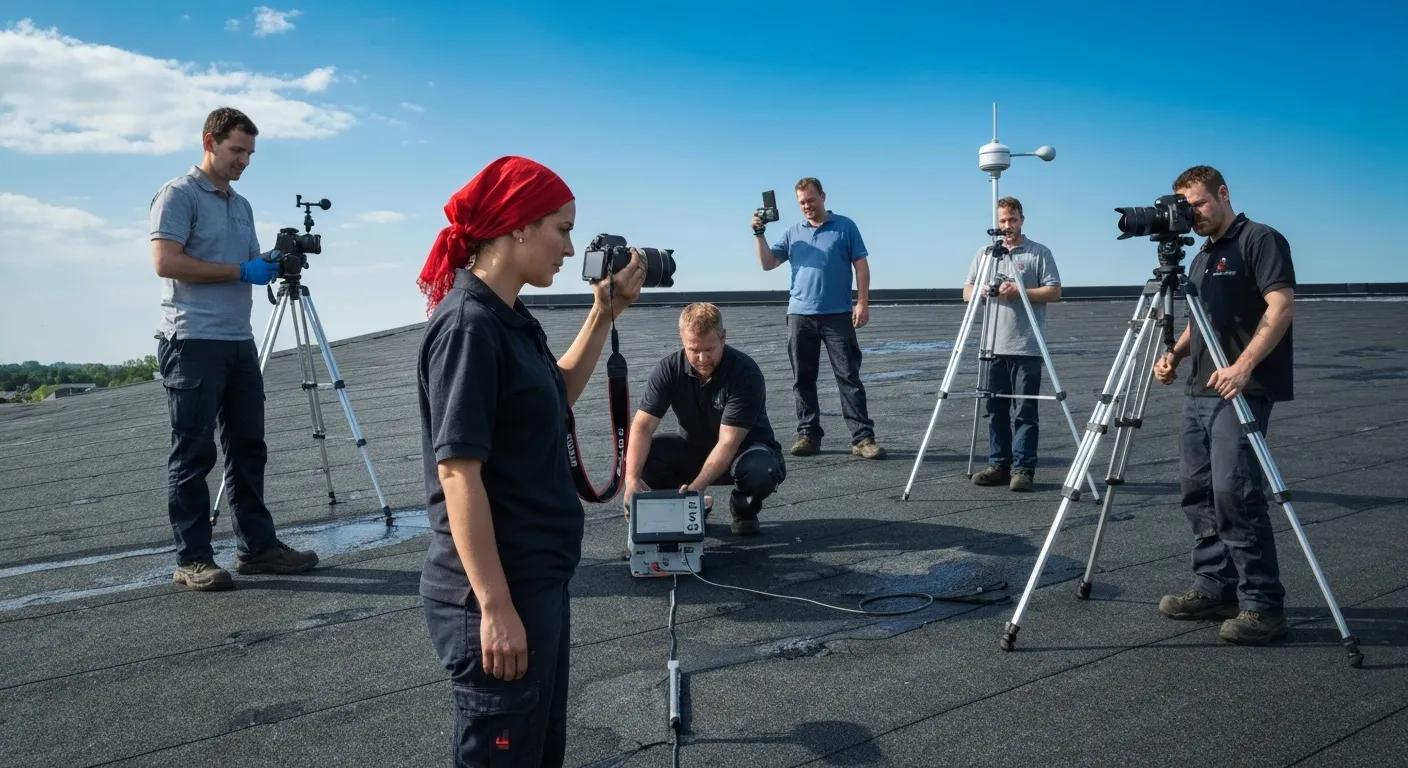
EverNew Roofing deploys specialized equipment—blower doors, infrared cameras, water spray rigs, and pressure chambers—to conduct air leakage, thermal imaging, water penetration, and structural uplift tests. Each method follows industry standards to generate reliable, actionable data.
How Are Detailed Reports and Recommendations Delivered?
When it comes to delivering detailed reports and recommendations, a structured approach is paramount to ensure clarity and actionable insights. The process typically begins with data collection and analysis, where experts gather relevant information from various sources such as surveys, interviews, or existing databases. This data is meticulously analyzed to identify trends, patterns, and key performance indicators that support informed decision-making. Once the analysis phase is complete, the findings are compiled into a comprehensive report. This document not only outlines the data and insights but also contextualizes them within the larger framework of the organization’s goals or project objectives. Inspectors compile findings into clear, illustrated reports that include thermal images, leak maps, defect locations, and prioritized maintenance recommendations. Homeowners receive actionable plans detailing repair steps, cost estimates, and compliance guidelines to maximize roof longevity.
What Post-Testing Support and Certification Can Homeowners Expect?
Post-testing support and certification are crucial elements that homeowners should expect after undergoing any form of testing or assessment in their properties. This support typically includes detailed feedback regarding the results, enabling homeowners to better understand the implications of the findings and any necessary actions that should follow. For instance, if the testing involved environmental factors such as air quality or mold presence, homeowners can receive guidance on how to interpret these results, alongside recommendations for remediation or maintenance actions that can enhance their home’s safety and comfort. This personalized support is invaluable, as it not only instills confidence in the homeowner’s understanding of their living environment but also empowers them to make informed decisions moving forward. After testing, EverNew Roofing provides follow-up consultations, supports warranty registration with documented results, and offers annual performance audits. Certified test results serve as proof of compliance for insurance and product warranties, reinforcing homeowner trust.
How Often Should You Schedule Roof Performance Testing and Inspections?
When it comes to maintaining the integrity of a building, roof performance testing and inspections play a crucial role in identifying potential issues before they escalate into costly repairs. In general, it is advisable to schedule these assessments at least twice a year—ideally in the spring and fall. Doing so allows property owners to prepare for seasonal weather changes and address any emerging problems promptly. In addition, after significant weather events, such as heavy storms or hail, conducting an inspection can help assess any immediate damage that may have occurred, ensuring that the roof remains protective and effective.
Homeowners and facility managers should also consider the age and material of the roof when determining the frequency of inspections. Older roofs or those made of materials known to be less durable may require more frequent evaluations—potentially on a quarterly basis—to proactively manage their health. This proactive approach is especially crucial for commercial properties where a compromised roof can lead to disruptions in business operations. By implementing a consistent roof performance testing schedule, property owners can not only extend the lifespan of their roofing systems but also safeguard their investments from unexpected failures and related expenses. Regular roof assessments maintain peak performance and prevent unexpected failures by aligning inspections with roof age, weather events, and maintenance history.
What Is the Recommended Frequency for Roof Inspections?
When it comes to maintaining the integrity of a roof, regular inspections play a crucial role. Industry experts generally recommend that homeowners schedule roof inspections at least once a year. This proactive approach allows for the early detection of potential issues, such as missing shingles, leaks, or signs of wear and tear. Seasonal changes, particularly in regions with heavy snowfall or frequent storms, can significantly impact a roof’s condition. As such, it is advisable to conduct inspections in the spring and fall to ensure that the roof has withstood the stresses of weather extremes and remains in optimal condition. Homeowners should schedule a professional roof inspection at least once per year and after major storms. Annual visual examinations and performance tests identify gradual wear and emergent defects before they compromise roof integrity.
When Is Roof Performance Testing Most Critical?
Roof performance testing is a crucial aspect of building maintenance that becomes particularly critical under specific circumstances. Generally, this testing is most essential during and after severe weather events, such as heavy rainfall, high winds, or snowstorms. These conditions can expose potential weaknesses in a roof’s structure and materials, making it essential to assess the roof’s integrity. Furthermore, after experiencing such weather, property owners are encouraged to have their roofs evaluated for any hidden damages or vulnerabilities that could lead to more significant issues down the line, such as leaks or structural failure. Testing is most critical:
- When a roof reaches 10–15 years of age.
- Following hail, wind, or heavy snow events.
- Prior to warranty expiration or property sale.
How Can Preventative Maintenance Extend Roof Longevity?
Preventative maintenance plays a crucial role in extending the longevity of residential and commercial roofs. By conducting regular inspections and addressing minor issues before they escalate into significant problems, property owners can safeguard their roofs against premature deterioration. During these inspections, trained professionals can identify signs of wear and tear, such as cracked shingles, loose flashing, or clogged gutters. By rectifying these issues promptly, homeowners not only enhance the roof’s performance but also mitigate costly repairs in the future, ultimately prolonging the roof’s lifespan. Preventative maintenance—such as cleaning gutters, sealing flashings, and replacing worn sealants—addresses minor wear before it becomes extensive damage. Combined with performance testing, these routine tasks extend service life by reducing material degradation and preserving protective barriers.
What Are the Key Industry Standards for Roof Performance Testing?
When it comes to ensuring the durability and efficiency of roofing systems, industry standards for roof performance testing play a crucial role. Key standards are established by organizations such as the American Society for Testing and Materials (ASTM), the Underwriters Laboratories (UL), and the International Code Council (ICC). These standards serve as guidelines that help manufacturers, builders, and inspectors assess the suitability of roofing materials and systems for various climatic conditions and operational requirements. For instance, ASTM provides protocols for evaluating aspects such as water resistance, thermal performance, and wind uplift resistance, which are paramount in determining how a roof will perform over its lifespan.
In addition to ASTM and UL guidelines, there are also performance tests specifically designed to assess the long-term durability of roofing systems. The ASTM E108 test, for example, examines a roof’s ability to withstand fire exposure, while the ASTM D228 tests the physical properties of roofing felts under various conditions. Similarly, the Miami-Dade County Product Approval process includes stringent testing requirements for roofing materials to ensure they can withstand extreme weather events, a critical factor for regions prone to hurricanes and heavy storms. By adhering to these established industry standards, stakeholders can ensure that roofing systems are not only compliant but also equipped to deliver reliable performance and safety, ultimately contributing to the longevity and integrity of a building’s envelope. Industry standards define test procedures and performance criteria that ensure consistent, reliable results across roofing systems.
What Does ASTM E331 Cover in Water Penetration Testing?
ASTM E331 is a standard developed by ASTM International that outlines the procedures for testing the water penetration resistance of external walls. Specifically, this testing method evaluates the ability of exterior building components, such as windows, doors, and curtain walls, to withstand water infiltration under specific environmental conditions. By simulating realistic weather conditions in a controlled setup, ASTM E331 aims to determine how effectively these building elements prevent water from entering a structure during rainfall or exposure to moisture. The standard covers various aspects, including the setup of the test apparatus, the test methodology, and the criteria for interpreting results, ensuring a consistent and reliable approach to assessing water resistance. ASTM E331 specifies a static air pressure water penetration method to evaluate building envelope resistance to wind-driven rain. This standard ensures that roofing assemblies maintain watertight integrity under simulated environmental loads.
How Do NFPA Standards Ensure Roofing Safety?
The National Fire Protection Association (NFPA) standards play a critical role in ensuring roofing safety by establishing comprehensive guidelines designed to minimize fire risks and enhance the overall integrity of roofing systems. These standards encompass a range of criteria, including material selection, installation practices, and maintenance protocols. By adhering to NFPA standards, architects, builders, and homeowners can be more confident that the roofs they design and construct will perform safely under both normal conditions and during unforeseen emergencies, such as a fire outbreak. This is particularly vital in areas prone to extreme weather or high wildfire risks, where roofing materials must be resilient to both fire and environmental stresses. NFPA standards set fire protection requirements for roof assemblies, including combustibility ratings and material classifications. Adherence to these codes minimizes fire spread and aligns with building safety regulations.
What Role Does AAMA Play in Roofing Product Certification?
The American Architectural Manufacturers Association (AAMA) plays a crucial role in the certification of roofing products, ensuring that they meet high standards of quality, performance, and safety. As an authoritative body in the building industry, AAMA provides guidelines and testing protocols that manufacturers must adhere to in order to achieve certification. This process not only enhances the credibility of roofing products but also helps builders, architects, and consumers make informed decisions. By establishing rigorous criteria, AAMA helps ensure that products can withstand various environmental conditions, thereby promoting durability and longevity in roofing solutions. AAMA develops performance criteria for fenestration and roofing penetrations—such as skylights and vents—to control air and water infiltration. Their certification marks signal that products meet rigorous laboratory and field testing requirements.
How Does ANSI Oversee Roofing Testing Standards?
The American National Standards Institute (ANSI) plays a critical role in overseeing roofing testing standards through a meticulous and collaborative process that ensures safety, performance, and reliability within the industry. As a private, non-profit organization, ANSI does not directly create standards; rather, it facilitates the development of these standards by accrediting organizations that establish them. This collaborative approach brings together various stakeholders, including manufacturers, consumers, and regulatory agencies, ensuring that all perspectives are considered. By fostering consensus-based standards, ANSI helps the roofing industry to maintain high quality benchmarks that are crucial for protecting public health and ensuring building longevity.
In addition to accreditation, ANSI regularly reviews and revises roofing testing standards to adapt to new technologies, materials, and environmental considerations. This commitment to continuous improvement helps to address emerging challenges in the roofing sector, such as energy efficiency and sustainability. Within this framework, ANSI not only enhances the credibility of roofing products through rigorous testing procedures but also supports innovation by encouraging the development of advanced materials and practices. Ultimately, ANSI’s oversight ensures that roofing standards remain relevant and effective, empowering contractors and homeowners alike to make informed decisions based on safety and performance. ANSI coordinates voluntary consensus standards development, incorporating input from manufacturers, testing labs, and trade associations. ANSI-accredited standards ensure uniform test methods and reliable certification across roofing products and services.
What Are Common Roof Performance Issues Identified Through Testing?
When it comes to maintaining the integrity of a building, the roof is one of the most critical components. Regular testing and inspection of roofing systems can uncover a variety of common performance issues that can jeopardize the structural integrity of a property. Among the most frequently identified issues are water leakage, inadequate insulation, and poor drainage. Water leakage is particularly concerning, as it can lead to mold growth, damage to the building’s interior, and significant repair costs. Testing methods, such as infrared thermography and moisture meters, help professionals detect hidden leaks and moisture accumulation that may not be visible to the naked eye.
Another prevalent issue identified through roof testing is inadequate insulation, which can result in reduced energy efficiency and increased utility bills. Homes and commercial buildings that lack proper insulation are susceptible to temperature fluctuations, leading to discomfort for occupants and strain on heating and cooling systems. Additionally, effective drainage is essential for preventing water pooling, which can cause additional stress on roof materials and increase the risk of premature failure. By employing techniques such as flood testing or drainage assessments, professionals can pinpoint drainage inadequacies and recommend necessary repairs or modifications. Addressing these common roof performance issues through diligent testing and maintenance ensures longevity and functionality, safeguarding both the building and its inhabitants. Performance testing frequently uncovers issues that, if unaddressed, accelerate damage and raise safety concerns.
How Are Roof Leaks Detected and Prevented?
Detecting and preventing roof leaks is a crucial aspect of property maintenance that requires a systematic approach. To identify potential leaks, professionals employ a variety of techniques, starting with a thorough visual inspection of the roof’s exterior. This involves checking for missing shingles, damaged flashing, and rusted vent pipes, all of which can compromise the roof’s integrity. Additionally, staining on ceilings or walls and the presence of mold or mildew in the attic can signal hidden leaks. In more advanced cases, professionals may utilize infrared thermography to detect temperature anomalies indicative of moisture penetration, as well as pressurized water tests to simulate rainfall and identify weak spots. Leak detection uses water spray tests and infrared scans to locate membrane breaches, flashing failures, and seam separations. Early identification allows targeted repairs that prevent interior water damage and mold growth.
What Causes Air Leakage and Energy Loss in Roofs?
Air leakage and energy loss in roofs are often the result of multiple factors that compromise the structural integrity and insulation efficiency of a building. One primary cause of air leakage is the presence of gaps or cracks in roofing materials, which can develop over time due to wear and tear from weather conditions or poor installation practices. For instance, older roofs may experience deterioration of seals around vents, chimneys, and skylights, allowing conditioned air to escape while unconditioned air infiltrates the space below. Additionally, improper flashing and insufficient insulation can exacerbate these issues, leading to thermal bridging where heat flows more easily through conductive materials, ultimately resulting in higher energy costs and reduced indoor comfort. Air leakage stems from gaps around penetrations, deteriorated seals, and improper insulation installation. These gaps drive heat transfer, increase HVAC load, and undermine material performance through condensation cycles.
How Does Material Degradation Affect Roof Longevity?
Material degradation plays a critical role in determining the longevity of roofing systems. Over time, various environmental factors such as ultraviolet (UV) radiation, moisture, wind, and temperature fluctuations can contribute to the breakdown of roofing materials, leading to a decline in structural integrity and performance. For instance, shingles may become brittle and crack under prolonged UV exposure, while metal roofs can experience corrosion due to constant moisture accumulation. Additionally, the accumulation of debris on rooftops can trap water against the material, further accelerating the degradation process. As these materials deteriorate, their ability to provide effective protection against the elements diminishes, increasing the risk of leaks and other damage that can compromise the overall functionality of the roof. UV exposure, temperature extremes, and chemical pollutants gradually weaken shingles, membranes, and underlayment. Testing reveals thinning, cracking, and loss of elasticity that precede major failures, guiding material replacement decisions.
How Can Structural Weaknesses Impact Roof Safety?
Structural weaknesses in a building can have a profound impact on roof safety, directly influencing both the integrity of the structure and the well-being of its occupants. A roof is not merely a protective covering; it is an integral element of a building’s overall framework, designed to withstand various environmental stresses, including wind, rain, snow, and the weight of everyday use. If there are underlying structural deficiencies—such as compromised beams, inadequate support, or deterioration due to age or neglect—the capacity of the roof to perform its functions is significantly undermined. This can lead to catastrophic failures, such as sagging, leaking, or even complete collapse, endangering those inside and potentially leading to costly repairs. Structural weaknesses—such as corroded fasteners, rotted decking, or undersized rafters—compromise load-bearing capacity. Uplift tests confirm anchorage strength and support safe performance during high winds or heavy snow.
Where Can Homeowners Find Reliable Roof Performance Testing Near Me?
When homeowners seek reliable roof performance testing, they often wonder where to find trustworthy services in their vicinity. One of the best approaches is to start with local home improvement or construction forums, where community members frequently share recommendations for reliable contractors and inspection services. Many regions have industry-specific organizations, such as the National Roofing Contractors Association (NRCA), which can help homeowners find certified professionals in their area. Furthermore, platforms like Angie’s List, Yelp, and HomeAdvisor allow users to read reviews and compare the performance of various roof testing services, ensuring they choose a reputable provider.
In addition to online resources, word-of-mouth referrals can be invaluable. Homeowners may consider reaching out to friends, family, or neighbors who have recently had roofing work done, as they can share personal experiences with local contractors. Checking for licensing, certifications, and insurance is crucial to ensure a company is qualified to perform roof performance testing. Homeowners should also inquire about the testing methods used and whether the company offers warranties or guarantees on their services. By leveraging both online resources and personal recommendations, homeowners can confidently identify reliable roof performance testing services in their area, ensuring their roofing systems remain safe and efficient for years to come. Local expertise and proven results matter when selecting a trusted testing provider for your community.
Why Choose EverNew Roofing for Local Roof Performance Testing?
When it comes to assessing the condition and performance of roofing systems, EverNew Roofing stands out as a premier choice for local roof performance testing. With a dedication to quality and customer satisfaction, EverNew Roofing combines years of industry experience with cutting-edge technology to provide thorough and accurate assessments. Their expertise in various roofing materials and systems ensures that clients receive reliable evaluations tailored to their specific needs. Utilizing advanced diagnostic tools, EverNew Roofing is able to identify potential issues before they escalate, helping homeowners and businesses protect their investments while maintaining peace of mind. EverNew Roofing combines regional climate knowledge with certified testing technicians who understand local building codes and weather patterns. This specialized expertise ensures accurate diagnostics and tailored maintenance plans.
How Do Local Case Studies Demonstrate Testing Benefits?
Local case studies serve as powerful tools for demonstrating the benefits of testing in various fields, particularly in business and education. By focusing on specific examples within a community or region, these case studies provide tangible evidence of how systematic testing can lead to improved outcomes, better decision-making, and enhanced performance. For instance, a local business that implements A/B testing for its marketing strategies can uncover critical insights about customer preferences, ultimately resulting in a more effective advertising approach and increased sales. Similarly, educational institutions that employ standardized testing can evaluate the efficacy of their teaching methods, yielding data that informs curriculum development and instructional strategies. Homeowners in nearby neighborhoods have saved thousands on energy bills and avoided major repairs through early detection of roof issues. Documented success stories illustrate how targeted interventions extend roof life and preserve home value.
How Can You Get an Instant Quote for Roof Performance Testing?
In today’s competitive market, obtaining an instant quote for roof performance testing has become increasingly streamlined, making it easier for property owners to understand their roofing needs without the hassle of drawn-out processes. To get started, individuals can leverage online tools provided by various service providers, which often require basic information about the roof in question. This typically includes details such as the roof’s size, type, and current condition. By entering this information into a dedicated online platform, users can receive immediate estimates that reflect the scope of testing required, allowing for informed decision-making without unnecessary delay. EverNew Roofing offers a streamlined quote process that begins with a brief service inquiry. Homeowners receive a cost estimate for performance testing customized to roof size, material type, and desired test scope enabling prompt scheduling and transparent planning.
Frequently Asked Questions
What Should Homeowners Expect During a Roof Performance Testing Appointment?
During a roof performance testing appointment, homeowners can expect a thorough evaluation conducted by certified inspectors. The process typically begins with a site assessment to understand the roof’s age, materials, and previous maintenance. Inspectors will then perform various tests, such as air leakage and water penetration assessments, using specialized equipment. Homeowners will receive a detailed report outlining findings, including any identified issues and recommended maintenance actions, ensuring they are well-informed about their roof’s condition.
How Can Homeowners Prepare for Roof Performance Testing?
To prepare for roof performance testing, homeowners should ensure that the area around the roof is accessible and clear of obstacles. This includes trimming overhanging branches and securing pets indoors. Additionally, clearing attic spaces of personal items can facilitate easier access for inspectors. Homeowners should also be ready to provide any relevant documentation, such as previous inspection reports or warranty information, to help the inspectors understand the roof’s history and condition better.
What Are the Long-Term Benefits of Regular Roof Performance Testing?
Regular roof performance testing offers numerous long-term benefits, including extended roof lifespan, reduced repair costs, and improved energy efficiency. By identifying issues early, homeowners can address minor problems before they escalate into major repairs, saving money in the long run. Additionally, consistent testing helps maintain the roof’s warranty eligibility and ensures compliance with manufacturer standards, ultimately preserving the home’s value and enhancing overall comfort and safety for occupants.
Can Roof Performance Testing Help with Energy Efficiency Improvements?
Yes, roof performance testing plays a crucial role in identifying energy efficiency improvements. Tests such as thermal performance assessments reveal insulation gaps and air leaks that contribute to energy loss. By addressing these issues, homeowners can enhance their roof’s insulation, leading to lower heating and cooling costs. Improved energy efficiency not only reduces utility bills but also contributes to a more comfortable living environment by maintaining consistent indoor temperatures.
What Factors Influence the Cost of Roof Performance Testing?
The cost of roof performance testing can vary based on several factors, including the size and complexity of the roof, the types of tests being conducted, and the local market rates for inspection services. Generally, basic performance tests range from $300 to $800. Additional factors, such as the roof’s age, material type, and any specific concerns the homeowner may have, can also influence the final price. Homeowners are encouraged to request detailed quotes to understand the costs involved.
How Do Homeowners Know When to Schedule Roof Performance Testing?
Homeowners should schedule roof performance testing at least once a year and after significant weather events, such as storms or heavy snowfall. Testing is particularly critical when a roof reaches 10–15 years of age or prior to warranty expiration. Regular assessments help identify gradual wear and potential issues, ensuring that the roof remains in optimal condition and preventing unexpected failures that could lead to costly repairs.

