


Why Roof Performance Testing Services Matter for Homeowners in Southeast Michigan
Every Southeast Michigan homeowner faces winter’s ice dams, spring’s heavy rains, and summer’s gusty storms—and many don’t realize hidden roof issues can escalate into costly repairs without warning. Roof performance testing services reveal structural vulnerabilities, moisture intrusion points, and energy inefficiencies before they become major problems. In this article, you’ll discover what roof performance testing entails, how it prevents damage, why specialized tests like wind uplift and moisture detection matter in Michigan’s climate, ways testing boosts energy savings, its role in insurance claims and warranties, and how EverNew Roofing’s local expertise delivers precise, actionable results. By understanding these diagnostic services, you can protect your investment, improve comfort, and secure peace of mind with informed decisions.
What Is Roof Performance Testing and How Does It Benefit Homeowners?
Roof performance testing is a systematic evaluation of a roof’s structural strength, weather resistance, and thermal profile that goes beyond a standard visual inspection. By simulating wind pressures, detecting moisture intrusion, and mapping heat loss, this service identifies hidden defects and measures overall roof integrity. Homeowners gain detailed insights into weak points and energy gaps, enabling targeted repairs, optimized insulation upgrades, and extended roof lifespan.
The following table highlights core testing methods integral to roof performance testing services.
Those methods form the foundation for a comprehensive roof health assessment and set the stage for deeper exploration of specific testing processes.
What Does Roof Performance Testing Involve Beyond a Standard Inspection?
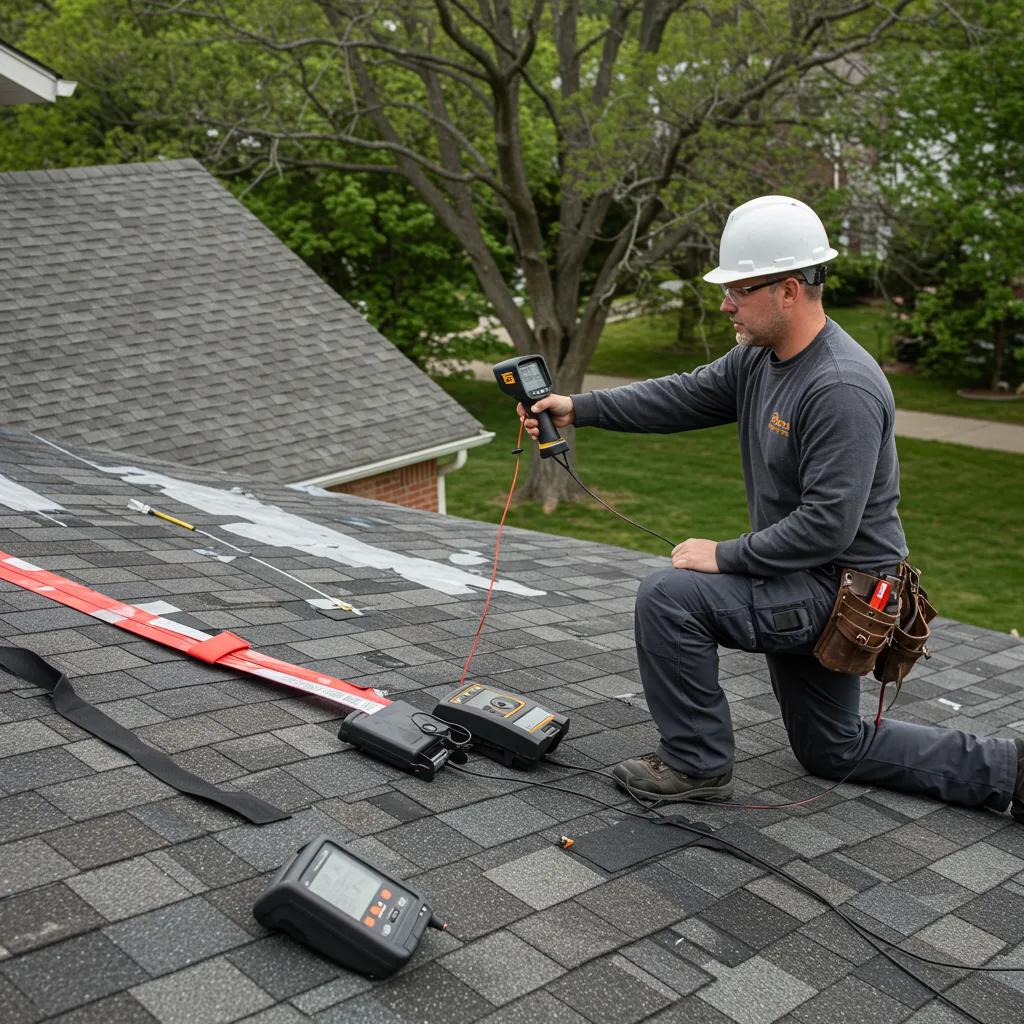
Roof performance testing involves advanced diagnostic tools that uncover issues invisible to the naked eye. Technicians use pressure chambers to simulate high winds, thermal cameras to reveal insulation gaps, and electronic sensors to pinpoint concealed leaks under multiple layers. This multi-point approach measures material response, seam integrity, and moisture levels in real time. Incorporating data analysis, the service produces a detailed condition report with prioritized recommendations. Understanding these deeper test components empowers homeowners to make precise repair or replacement decisions.
How Does Roof Performance Testing Improve Roof Durability and Lifespan?
By identifying micro-fractures, weakened underlayment, and early-stage moisture pockets, roof performance testing extends service life through targeted maintenance. Addressing these vulnerabilities prevents progressive deterioration of shingles, flashing, and decking. When small issues are resolved promptly, the roof withstands freeze-thaw cycles and high winds more effectively. Regular testing also validates product performance over time, ensuring warranties remain in force. Proactive maintenance guided by diagnostic data can add years of reliable protection to any residential roof.
What Are the Key Benefits of Roof Diagnostic Services for Homes?
Roof diagnostic services deliver four essential homeowner advantages:
- Early Issue Identification reduces major repair costs by catching problems at inception.
- Data-Driven Maintenance guides precise interventions and avoids unnecessary work.
- Energy Efficiency Insights reveal insulation gaps for reduced heating and cooling bills.
- Warranty and Insurance Support provides documented proof of roof condition.
These benefits combine to protect home value, enhance safety, and promote confidence in roofing investments.
How Does Roof Performance Testing Prevent Costly Roof Damage?
Roof performance testing prevents avoidable damage by revealing early-stage defects and structural weaknesses before they escalate into severe leaks or collapse. The process integrates pressure simulations, moisture scans, and thermal mapping to create a comprehensive risk profile. Armed with this information, homeowners can prioritize repairs, reinforce vulnerable sections, and avoid emergency restoration expenses.
Homeowners can save thousands through early detection by:
- Commissioning tests after major weather events to catch subtle damage.
- Scheduling performance assessments biennially to track roof health trends.
- Using diagnostic reports to guide preventative sealing and replacement plans.
A proactive testing schedule shifts roof care from reactive repairs to strategic preservation, ensuring long-term cost control.
How Can Early Detection Through Testing Save Homeowners Money?
Detecting minor membrane cracks or hidden leaks reduces repair scope and labor expenses significantly. When moisture is confined to a localized area, remediation involves minimal material replacement rather than widespread decking removal. Early wind uplift issues can be addressed by reinforcing fasteners and membranes, averting shingle blow-offs. Detailed testing reports also help homeowners negotiate warranty coverage and insurance reimbursements, offsetting out-of-pocket costs even further.
What Types of Hidden Roof Problems Can Performance Testing Reveal?
Performance testing uncovers problems such as:
- Subsurface Membrane Tears masked by surface shingles.
- Flashing Weak Points around chimneys, vents, and skylights.
- Thermal Bridging where insulation gaps lead to heat loss.
- Moisture Intrusion in valleys and seams.
Identifying these concealed issues prevents structural rot, mold growth, and interior water damage.
How Does Regular Testing Extend Residential Roof Integrity?
Regular performance testing tracks degradation patterns and material performance over time, allowing for scheduled maintenance before failure points multiply. This ongoing condition monitoring reveals gradual wear, UV-induced brittleness, and flashing wear long before visible symptoms appear. Reinforcing identified weak zones ensures the roof retains its protective capabilities through successive seasons. Consistent testing thus becomes an essential component of a life-cycle maintenance strategy.
Why Is Wind Uplift Testing Important for Residential Roofs in Southeast Michigan?
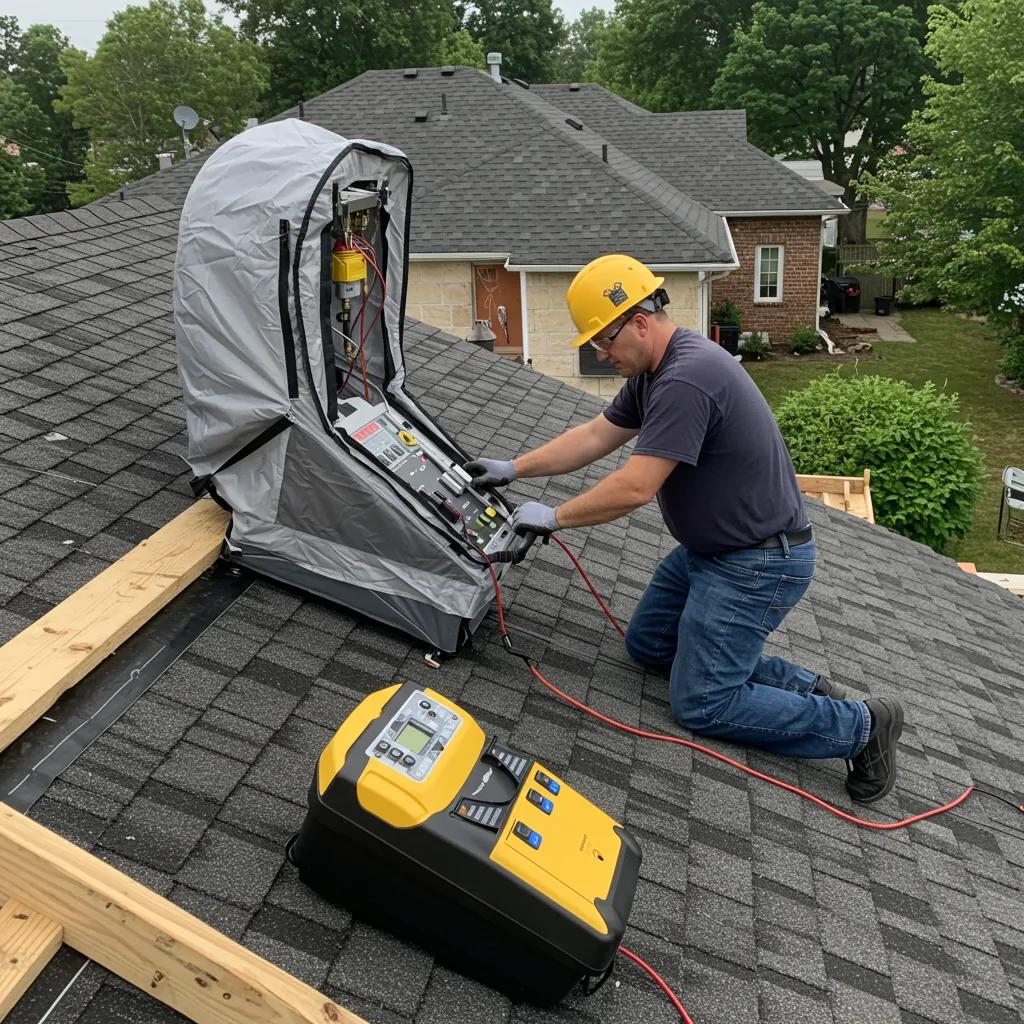
Wind uplift testing simulates extreme gusts to evaluate how roofing systems resist suction forces that can detach shingles and membrane layers. In Southeast Michigan, sudden windstorms and tornadoes pose a significant threat to residential roofs. By quantifying uplift resistance, homeowners confirm that fasteners, adhesives, and flashing work together to prevent catastrophic failure.
A strong wind uplift rating means a roof can withstand pressure differentials of up to 60 pounds per square foot, reducing the risk of shingle loss and decking damage under severe conditions. This assurance supports informed decisions on material upgrades and fastening patterns that comply with local building requirements.
What Is Wind Uplift Testing and How Is It Performed?
Wind uplift testing involves placing a sealed chamber or inflatable dome on the roof surface and incrementally increasing internal pressure to simulate outward wind forces. Instruments measure the membrane’s deflection, adhesion strength, and nail pull-through values. Results are documented against established performance thresholds to determine if the roofing assembly meets required resistance levels. This non-destructive test provides clear metrics for assessing wind resilience.
How Does Wind Uplift Testing Ensure Structural Safety During Extreme Weather?
By demonstrating that roofing components remain securely bonded under simulated high winds, uplift testing verifies that the assembly can resist suction loads that cause blow-offs and tears. Reinforcement needs—such as additional fasteners or stronger adhesives—are identified before any real storm strikes. This proactive approach safeguards the deck, interior finishes, and structural rafters from progressive wind-driven damage.
What Building Codes and Standards Govern Wind Uplift Testing?
Wind uplift tests adhere to established criteria from E907 and 4470 standards. These guidelines specify test pressures, apparatus configurations, and result interpretation methods. Compliance ensures roofing systems meet local building code mandates, which often require uplift ratings aligned with regional wind speed maps. Following these standards also facilitates insurance approvals and warranty validation.
How Does Moisture Detection Enhance Roof Performance and Prevent Damage?
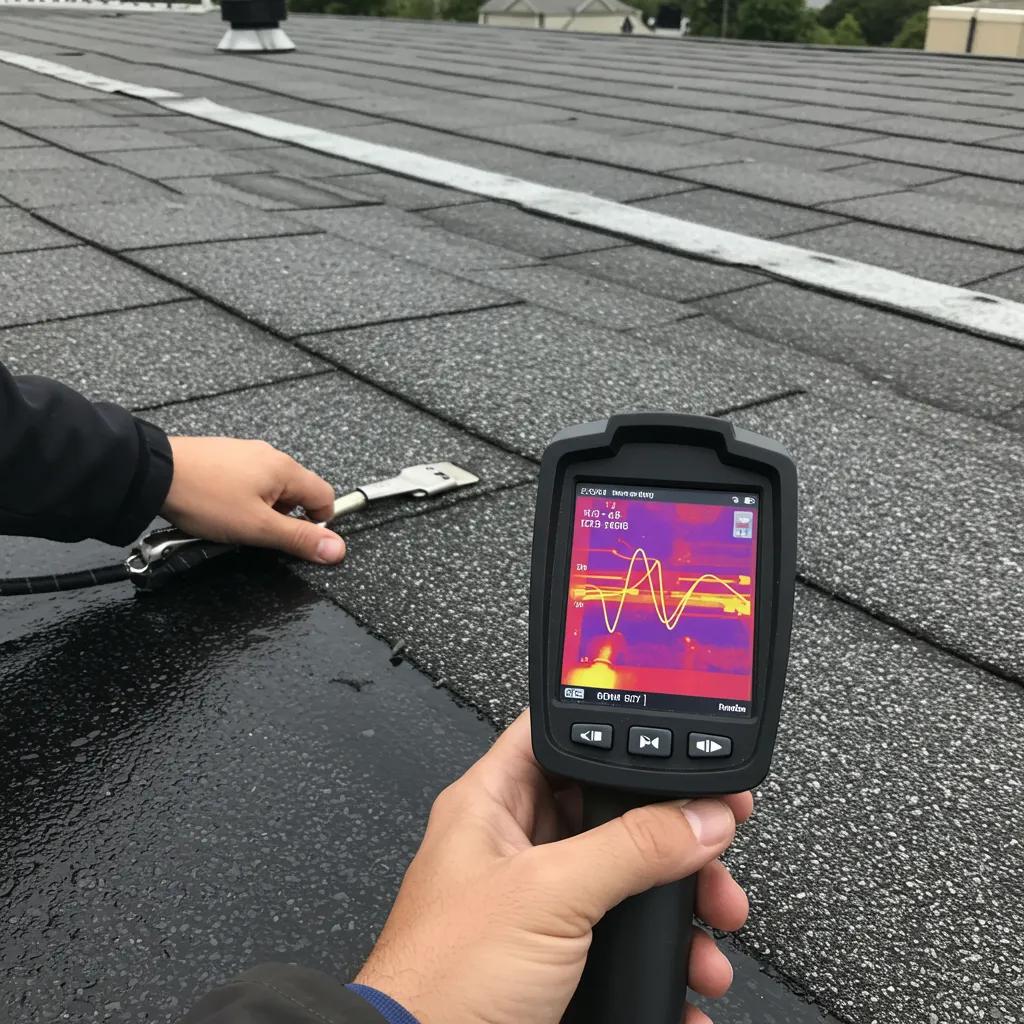
Moisture detection uses infrared thermography and electronic leak-detection tools to locate water beneath roof membranes before it compromises structural elements. In Southeast Michigan’s freeze-thaw environment, even small water pockets can expand, causing plywood delamination and rot. Early moisture mapping highlights saturation points, enabling targeted repairs that maintain roof stability and indoor air quality.
Routine scans identify rising damp spots around penetrations and valleys, preventing mold growth and wood decay. Homeowners benefit from reduced mold remediation costs and prolonged roof deck lifespan when moisture testing is part of their maintenance plan.
What Are the Common Moisture Detection Methods Used in Roof Testing?
Testing professionals rely on two main non-invasive approaches:
- Infrared Thermography—detects temperature anomalies caused by moisture holding heat differently than dry materials.
- Electronic Leak Detection—applies low-voltage currents across the membrane to pinpoint breaks or water bridges.
These methods complement visual inspections and pressure tests to deliver a full moisture profile without destructive sampling.
Infrared Thermography for Roofing Moisture Detection
This paper discusses the use of infrared thermography for detecting moisture in roofing systems. It covers the principles of infrared thermography, the effects of moisture on the surface temperature of the roofing, and the interpretation of thermographic images. The study also includes experimental results from controlled specimen preparation and testing conditions.
Laboratory studies of infrared thermography in roofing moisture detection, 1982
How Does Moisture Detection Prevent Mold Growth and Structural Decay?
By finding water intrusion early, moisture detection halts conditions that fuel mold spores and wood rot. Repairing affected sections and restoring proper drainage eliminates stagnant moisture pockets that lead to microbial growth. Safeguarding deck integrity through timely membrane repairs also preserves insulation performance and indoor air quality, protecting both structure and occupant health.
When Should Homeowners Schedule Moisture Detection Services?
Homeowners should arrange moisture scans:
- After any significant leak or visible staining.
- Annually or biennially as part of preventative maintenance.
- Following major storms or ice dam events.
Regular intervals ensure emerging moisture issues are caught early, preserving roof health and preventing costly interior damage.
How Does Roof Performance Testing Improve Home Energy Efficiency and Savings?
Roof performance testing assesses thermal performance by measuring heat gain and loss across the roofing assembly. Using infrared imaging, technicians detect insulation voids, thermal bridges, and ventilation gaps that lead to drafty attics and elevated utility bills. Addressing these inefficiencies lowers heating demand in winter and cooling load in summer, directly reducing monthly energy costs.
Homeowners often recoup testing and remediation expenses within one to two heating seasons through improved HVAC efficiency and enhanced comfort.
What Role Does Thermal Performance Assessment Play in Roof Testing?
Thermal performance assessment involves capturing infrared images of roof surfaces to identify hot and cold spots. These patterns reveal areas where insulation is missing or compressed, and where air leaks occur through soffits and ridge vents. By quantifying thermal anomalies, the test provides a roadmap for upgrading insulation, sealing penetrations, and optimizing ventilation to balance attic temperatures.
How Can Testing Identify Energy Loss and Reduce Utility Costs?
Detailed thermal maps highlight specific locations of energy loss, enabling targeted installation of reflective coatings, additional insulation layers, or air-sealing measures. Correcting these deficiencies reduces attic heat gain, lightens HVAC workload, and stabilizes indoor temperatures. Many homeowners see immediate drops in energy consumption and smoother climate control after implementing testing-based improvements.
What Are the Latest Roofing Technologies That Enhance Energy Efficiency?
Advanced roofing solutions include:
- Cool Roof Coatings that reflect UV radiation and lower surface temperatures.
- High-R Insulation Panels installed above decking to minimize thermal bridging.
- Solar-reflective Shingles with integrated reflective granules.
- Ventilation-boosting Ridge and Soffit Systems that remove trapped heat.
Coupling these innovations with diagnostic testing ensures maximum performance and energy savings.
How Does Roof Performance Testing Support Insurance Claims and Warranty Validation?
Roof performance testing generates detailed condition reports that document baseline health, maintenance actions, and post-storm damage assessments. Insurers and manufacturers often require such records to validate coverage, confirm compliance with maintenance clauses, and expedite claim approvals. A comprehensive testing history strengthens warranty claims and reduces dispute risks.
Well-documented testing demonstrates proactive care, helping homeowners avoid denial of coverage due to alleged neglect.
Why Is Regular Roof Testing Required for Warranty Compliance?
Most roofing warranties stipulate routine inspections and diagnostics to maintain coverage. Performance testing fulfills these requirements by providing objective, dated evidence of roof condition and adherence to care guidelines. Without documented testing, warranty providers may argue that undetected wear or environmental damage was avoidable.
How Can Testing Documentation Help With Insurance Claims?
A formal test report serves as an expert-driven damage assessment after hail, wind, or snow events. It clearly differentiates pre-existing conditions from new damage, guiding adjusters toward fair settlements. Detailed photos, pressure test results, and moisture scans substantiating claim details accelerate approvals and reduce out-of-pocket expenses.
What Should Homeowners Know About Roof Certification and Condition Reports?
Condition reports from performance testing outline material ratings, service life projections, and recommended interventions. Certification labels may confirm compliance with building code uplift requirements or reflect adherence to manufacturer installation standards. Homeowners should retain these reports to support resale disclosures and fulfill insurance or mortgage inspection demands.
Why Choose EverNew Roofing for Roof Performance Testing in Southeast Michigan?
EverNew Roofing combines local climate expertise with advanced diagnostic tools to deliver accurate, reliable roof performance testing services. Technicians are trained to interpret Michigan-specific weather impacts, ensuring tests reflect real-world conditions. Every assessment includes a clear, itemized report and prioritized recommendations, empowering homeowners with precise action plans.
Choosing EverNew Roofing means benefiting from a customer-focused approach that emphasizes proactive protection and informed decision-making.
What Makes EverNew Roofing’s Testing Services Reliable and Accurate?
EverNew Roofing employs calibrated pressure chambers, high-resolution thermal cameras, and electronic leak-detection equipment to achieve consistent, repeatable results. Technicians follow established and protocols, and each test is documented with geolocated imagery and timestamped data. This rigorous methodology underpins trustworthy diagnostics and clear condition reporting.
How Does EverNew Roofing Address Regional Weather Challenges?
Local expertise allows EverNew Roofing to anticipate freeze-thaw damage, ice-dam formation, and seasonal wind patterns unique to Southeast Michigan. Testing protocols are tailored to simulate extreme cold, snow loads, and gust events, ensuring realistic stress analysis. Recommendations factor in county-specific building codes and environmental exposures for truly customized solutions.
How Can Homeowners Request a Roof Performance Testing Estimate?
Homeowners can get an Instant Quote by providing basic property details and scheduling preferences through EverNew Roofing’s online form. After submitting information, a specialist reviews roof dimensions, material types, and local weather history to generate a transparent estimate. This streamlined process ensures prompt pricing, clear scope definitions, and next-step guidance for proactive roof care.
EverNew Roofing’s combination of local insight, advanced technology, and customer-centered service makes roof performance testing a seamless, high-value investment in home protection.
Frequently Asked Questions
What is the typical cost of roof performance testing services?
The cost of roof performance testing services can vary based on several factors, including the size of the roof, the complexity of the testing required, and the specific services included. On average, homeowners in Southeast Michigan can expect to pay between $300 to $800 for a comprehensive roof performance assessment. It’s advisable to obtain quotes from multiple providers to ensure competitive pricing and to understand what each service package includes.
How often should homeowners schedule roof performance testing?
Homeowners should consider scheduling roof performance testing at least every two years as part of their regular maintenance routine. Additionally, it is wise to conduct testing after significant weather events, such as heavy storms or high winds, to assess any potential damage. Regular testing helps track the roof’s condition over time and allows for early detection of issues, ultimately extending the roof’s lifespan and preventing costly repairs.
Can roof performance testing help with energy efficiency improvements?
Yes, roof performance testing plays a crucial role in identifying energy inefficiencies within a home. By assessing thermal performance and detecting insulation gaps, homeowners can implement targeted improvements that enhance energy efficiency. This can lead to reduced heating and cooling costs, as well as improved indoor comfort. Many homeowners find that the savings on their utility bills can offset the costs of testing and any necessary upgrades within just a few seasons.
What qualifications should a roof performance testing technician have?
A qualified roof performance testing technician should possess relevant certifications and training in roofing systems, building science, and diagnostic testing methods. Look for professionals who are certified by recognized organizations, such as the National Roofing Contractors Association (NRCA) or similar bodies. Additionally, experience in the local climate and knowledge of regional building codes are essential for accurate assessments and recommendations tailored to specific environmental conditions.
Are there any risks associated with roof performance testing?
Roof performance testing is generally safe and non-invasive, but there are some risks to consider. For instance, if not performed correctly, testing could potentially damage roofing materials or compromise the roof’s integrity. It is crucial to hire experienced professionals who follow industry standards and best practices to minimize these risks. Homeowners should also ensure that the testing company has liability insurance to cover any unforeseen issues that may arise during the assessment.
How can homeowners prepare for a roof performance testing appointment?
Homeowners can prepare for a roof performance testing appointment by ensuring that the area around the home is accessible. This includes clearing any debris, removing obstacles, and ensuring that the technician can safely access the roof. Additionally, homeowners should gather any relevant documentation, such as previous inspection reports or warranty information, to provide the technician with a comprehensive understanding of the roof’s history. This preparation can help facilitate a more efficient and thorough assessment.
Conclusion
Investing in roof performance testing services provides homeowners in Southeast Michigan with critical insights into their roof’s health, preventing costly repairs and enhancing energy efficiency. By identifying vulnerabilities early, these services not only extend the lifespan of roofing systems but also support insurance claims and warranty compliance. With EverNew Roofing’s expertise, you can ensure your home is protected against the elements while maximizing comfort and savings. Take the proactive step today and request your roof performance testing estimate to safeguard your investment.