

Top 5 Factors Affecting Roof Repair Prices: Complete Guide to Understanding Roof Repair Cost Factors in Southeast Michigan
Repair costs can vary dramatically when comparing asphalt shingles to metal panels or dealing with hidden structural issues, and homeowners searching for a roof repair cost comparison near me need clarity on pricing drivers. This guide unpacks the five critical factors that influence roof repair prices—roofing material, extent of damage, labor and accessibility, roof size and design, plus permits and regulations—specifically for Southeast Michigan’s Livingston, Oakland, Wayne, Macomb, Washtenaw, Monroe, St. Clair, and Lenawee Counties. You will learn why asphalt shingles differ from tile in cost, how storm damage versus minor leaks shifts estimates, the role of steep pitches and access challenges, how square footage and pitch multiply expenses, and when local permit fees apply. Throughout, we highlight how EverNew Roofing’s Instant Quote feature streamlines preliminary pricing and how the Atlas Catalog of premium materials ensures durable solutions. By the end, you will understand each cost driver in depth, know where to request a fast estimate, and feel confident comparing options before hiring a trusted local contractor.
What Are the Main Roofing Materials and How Do They Affect Repair Costs?
When it comes to roofing, various materials are available, each with distinct characteristics and implications for repair costs. The most common roofing materials include asphalt shingles, metal roofing, clay and concrete tiles, wood shakes, and slate. Asphalt shingles are the most widely used due to their affordability and ease of installation; however, they typically have a shorter lifespan compared to other materials, which can lead to more frequent repairs or replacements. Metal roofing is durable and energy-efficient, but its initial cost can be higher. Clay and concrete tiles offer excellent longevity and aesthetic appeal, yet they are heavy and might require additional structural support. Wood shakes provide a rustic look but demand regular maintenance and are susceptible to rot and pests, which can increase repair expenses. Meanwhile, slate roofing, though incredibly durable and visually striking, is expensive and labor-intensive to install, making repair costs considerably high if damage occurs.
The choice of roofing material profoundly impacts long-term repair costs. For instance, while the upfront costs of a high-quality metal or slate roof are steeper, their longevity and durability can translate to financial savings over time, as they often incur fewer repairs. In contrast, less durable options like asphalt shingles may save money initially but may result in higher ongoing repair expenses due to their shorter lifespan. Additional factors, such as local climate conditions and the home’s pitch, also influence repair needs and costs. Understanding the nuances of each roofing material allows homeowners to make informed decisions, balancing initial investment with long-term maintenance and repair considerations.
Which Roofing Materials Are Most Common in Southeast Michigan?
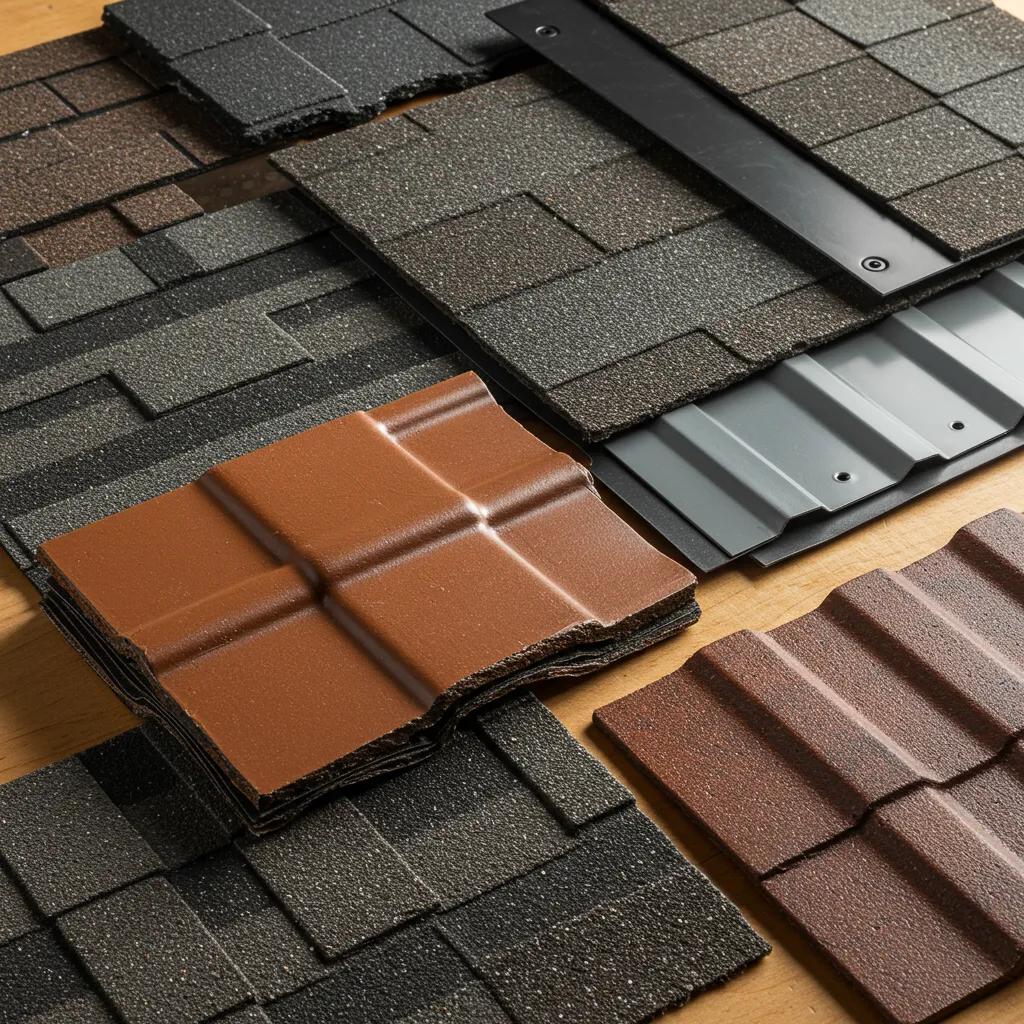
Asphalt shingles account for roughly 80 percent of residential roofs in Southeast Michigan due to their affordability and ease of installation. Dimensional and three-tab asphalt shingles dominate because they balance durability and cost, making them a popular choice for repairs. Metal roofing represents another 10 percent of local installations, valued for longevity and resistance to extreme weather. Tile and slate are less common—around 5 percent combined—reserved for historic homes and high-end projects. Understanding local material prevalence helps homeowners anticipate baseline repair budgets and select the right product from resources like the Atlas Catalog.
This material distribution underscores that when you choose asphalt shingles, repair estimates typically start lower, while metal or tile repairs often involve specialized labor and higher unit costs.
How Do Asphalt, Metal, and Tile Roofs Differ in Repair Pricing?
Asphalt shingles require fewer specialized tools and crews, driving average repair costs lower. Metal roof repairs often involve seam sealing or panel replacement by certified installers, increasing labor hours. Tile repairs demand careful removal and replacement of individual tiles, heightening both material waste and skilled-labor rates. Each material’s installation complexity and required expertise directly influence hourly rates and project duration.
What Recent Material Price Increases Impact Roof Repair Costs in 2025?
How Does Material Quality Influence Long-Term Repair Expenses?
Higher-grade materials such as laminated shingles or coated metal alloys resist granule loss and corrosion, reducing frequency of repairs over a roof’s lifespan. Investing in premium underlayment and flashing extends service intervals, cutting cumulative repair budgets despite a larger upfront cost. EverNew Roofing leverages quality products from the Atlas Catalog to align durability with cost-effectiveness in Southeast Michigan’s variable climate.
How Does the Extent and Type of Roof Damage Influence Repair Prices?
What Are the Cost Differences Between Minor Leaks and Structural Damage?
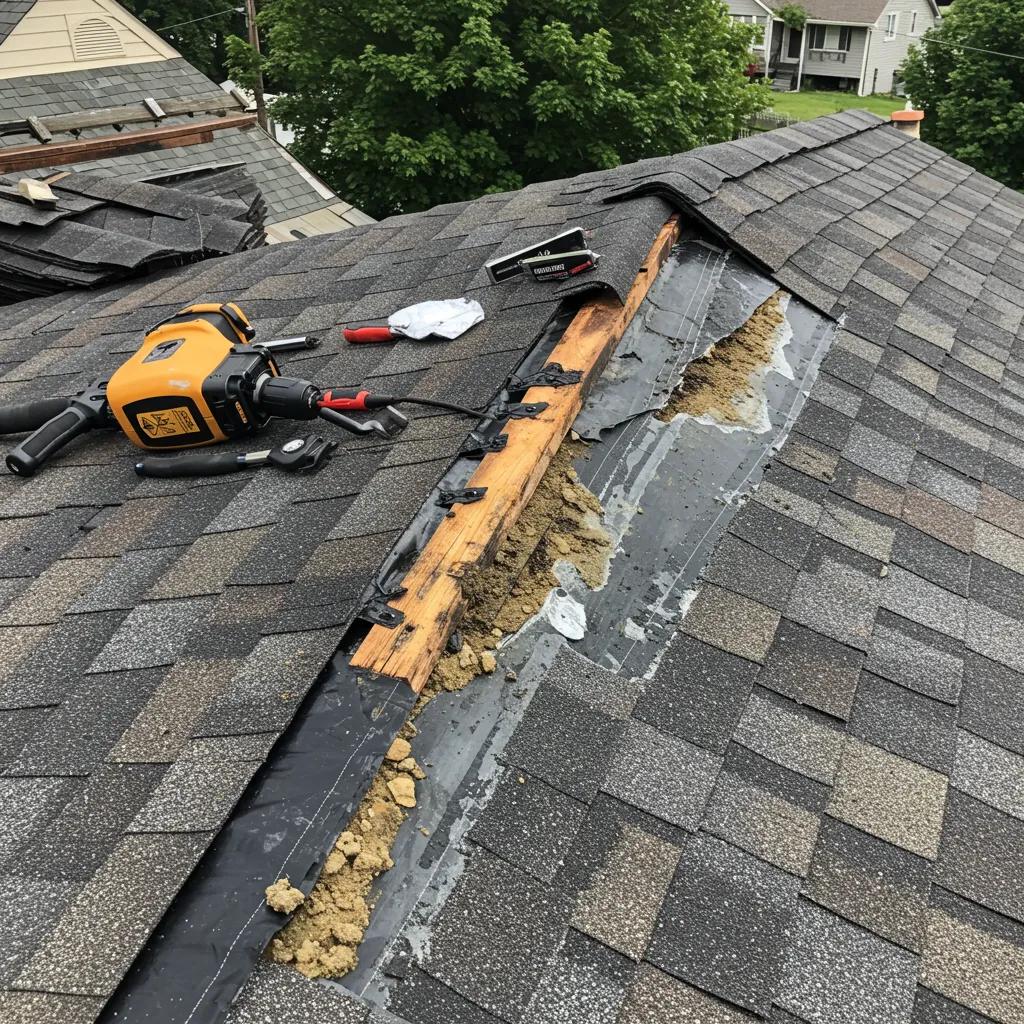
Minor leaks often involve localized underlayment repair or shingle replacement, typically costing $300–$600 in Southeast Michigan. By contrast, structural damage—such as decking rot or compromised sheathing—can raise the bill to $1,500–$2,500 due to additional framing and safety measures. Identifying damage severity early minimizes escalation of labor and material expenses.
How Do Storm and Weather-Related Damages Affect Repair Estimates?
Storm damage frequently leads to widespread shingle loss, missing flashing, or gutter displacement. High-wind or hail events can trigger multiple patch areas, doubling or tripling repair scopes. Contractors factor emergency response surcharges and accelerated timeline requirements into direct cost quotations after storms.
When Does Roof Damage Lead to Insurance Claims and How Does That Affect Pricing?
Damage exceeding a homeowner’s deductible often triggers insurance claims. Insurance-approved repairs may cover labor and materials at standard replacement-value rates, but adjusters require detailed line-item estimates. EverNew Roofing assists clients with claim documentation, ensuring accurate cost listings that reflect true repair needs and reduce out-of-pocket surprises.
How Does Missing Shingle or Flashing Damage Impact Repair Budgets?
Replacing individual shingles runs around $4–$8 per piece, whereas flashing repair can start at $150 for a simple vent boot up to $500 for extensive valley work. Small-scale defects concentrate on localized labor and materials, but neglected flashing can lead to underlayment failure and escalate costs dramatically.
What Role Do Labor Costs and Roof Accessibility Play in Repair Pricing?
When it comes to roofing repairs, several factors contribute to the overall pricing, with labor costs and roof accessibility being two of the most significant elements. Labor costs typically represent a substantial portion of any repair project, as skilled roofing professionals charge for their expertise and time. The complexity of the job—whether it involves basic patching or more intricate repairs like replacing entire sections—can greatly influence labor rates. Additionally, regional differences in labor costs and the availability of qualified contractors can lead to variations in pricing. In areas where roofing specialists are scarce, prices can escalate as demand outstrips supply, making the financial considerations of labor an essential aspect for homeowners to understand.
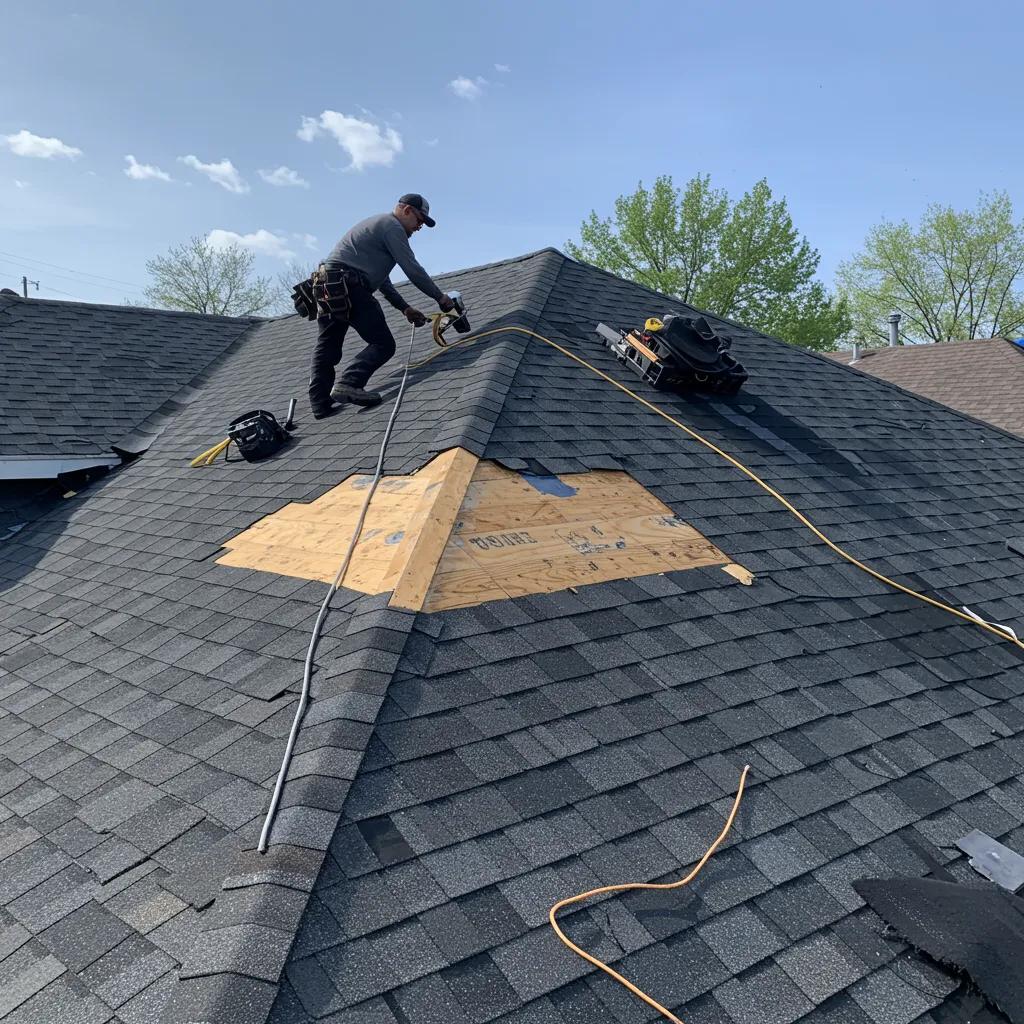
Roof accessibility, on the other hand, directly impacts both the ease and safety of repairs, which in turn affects the cost. A rooftop that is steep, obstructed by chimneys or vents, or located in a hard-to-reach place will pose challenges for workers, requiring special equipment and safety measures. These additional needs not only increase the time spent on a job but also raise the associated labor costs. For instance, if scaffolding is needed, or if a roof’s steep angle necessitates extra caution, contractors often account for these factors in their pricing. Therefore, homeowners should be aware that the combination of labor costs and roof accessibility can significantly sway the total expenses involved in any roofing repair project, making it essential to conduct a thorough assessment before proceeding.
How Are Roofing Labor Rates Determined in Southeast Michigan?
Local labor rates hinge on crew availability, seasonal demand, and prevailing wage levels. In 2025, roof repair labor averages $45–$65 per hour regionally, influenced by union rate benchmarks and skill certifications. Complex projects requiring special equipment may carry premium rates.
Why Do Steep Roofs and Complex Designs Increase Labor Expenses?
Roofs steeper than 7-in-12 pitch require harness, scaffolding, and crew safety training, adding 10–20 percent to labor budgets. Architectural features such as intersecting hips, valleys, and dormers contribute to layout complexity and increase installation hours.
How Does Roof Accessibility Affect the Time and Cost of Repairs?
Limited ground access—such as homes on narrow lots or with obstructing landscapes—necessitates additional safety setups and manpower, extending project timelines. Limited loading zones for material hoists can add 5–10 percent to total labor charges.
What Skilled Labor Factors Should Homeowners Expect in Their Repair Estimates?
Expert roofers bring certifications in fall protection, shingle manufacturer warranties, and precise flashing techniques. Estimates reflect crew tenure and specialized skills that ensure warranty compliance and workmanship quality, fostering long-term reliability for property owners.
How Do Roof Size, Pitch, and Design Influence Roof Repair Prices?
When it comes to roof repair costs, several factors play a significant role, with roof size, pitch, and design being the most influential. The size of a roof directly impacts the quantity of materials needed for repairs and the labor involved. A larger roof not only requires more shingles, underlayment, and other materials but also demands more time and effort from the roofing professionals. Therefore, homeowners with expansive roofs can expect higher repair costs compared to those with smaller, simpler structures. Additionally, the extent of the damage can vary significantly based on the roof’s dimensions, further affecting overall repair pricing.
Roof pitch, or the steepness of the roof, also greatly influences repair expenses. Steeper roofs present unique challenges for contractors, including increased risk factors and the need for specialized safety equipment and techniques. Because of these complexities, repairs on high-pitched roofs often come with a premium price tag compared to those on flatter surfaces, where workers can navigate more easily. Lastly, the design of the roof—be it gable, hip, flat, or another architectural style—affects repair procedures and material selection. Intricate designs that feature multiple planes, valleys, and crevices not only complicate repairs but also may necessitate custom materials or additional labor, further driving up costs. Ultimately, understanding how roof size, pitch, and design interact can help homeowners better prepare for potential repair expenses.
How Does Roof Size Directly Affect Repair Material and Labor Costs?
Larger roofs require proportional quantities of shingles, underlayment, and fasteners, driving up material line items. Labor hours scale with square footage, making total costs nearly linear with roof area. For example, a 2,000 ft² roof may cost twice as much as a 1,000 ft² roof for identical repair scopes.
What Is the Impact of Roof Pitch and Slope on Repair Complexity and Pricing?
Pitch amplifies labor time and safety overhead: a 9-in-12 pitch roof can add 15–25 percent more labor compared to a moderate slope. Steeper slopes also require enhanced underlayment methods to prevent material slippage.
How Do Unique Roof Designs or Features Affect Repair Estimates?
Chimneys, skylights, solar installations, and decorative metal trims each introduce flashing transitions and custom flashing work. Every penetration point requires precise detailing and waterproofing, increasing both materials and specialist labor.
Do Permits, Inspections, and Local Regulations Affect Roof Repair Costs in Michigan?
When considering roof repair costs in Michigan, it is essential to understand the impact of permits, inspections, and local regulations on overall expenses. Many municipalities in the state require homeowners to obtain permits before commencing any significant roofing work. This requirement ensures that repairs adhere to safety standards and building codes, which can help prolong the life of the roof and enhance the property’s value. However, acquiring these permits often incurs additional fees, contributing to the overall cost of the project. Furthermore, the requirement for inspections during or after the repair process can add to the expense, as homeowners may need to hire professionals for these evaluations, depending on local mandates.
In addition to permits and inspections, local regulations can vary significantly between different regions in Michigan, influencing both the scope of the repairs and the associated costs. For instance, some areas may have stricter zoning laws that dictate the materials used or the design parameters for roofing. Homeowners in regions with harsher weather conditions may be required to invest in specific materials that can withstand these elements, further increasing expenses. Ultimately, understanding and navigating these regulations is crucial for homeowners planning roof repairs, as compliance not only assures quality workmanship but can also prevent costly fines and issues in the future. Investing time and resources into understanding local requirements can lead to a smoother repair process and potentially save homeowners money in the long run.
When Are Roof Repair Permits Required in Southeast Michigan Counties?
Permits become mandatory for any work that alters roof structure, replaced sheathing, or affects waterproofing beyond 25 percent of the roof area. Counties such as Livingston and Wayne enforce permit submission for shingle replacements over 100 ft².
How Much Do Permit Fees Typically Add to Roof Repair Budgets?
Permit fees range from $50 to $200 depending on county and project scope. Larger structural repairs may incur additional inspection surcharges, adding 5–8 percent to total repair estimates.
What Are the Common Building Code Requirements Affecting Roof Repairs?
Michigan building codes mandate ice-and-water shield in eaves, proper ventilation ratios, and minimum fastener standards. Compliance with code ensures long-term performance but can increase material selection and installation time.
How Does EverNew Roofing Assist with Navigating Local Permit Processes?
EverNew Roofing’s project managers prepare and submit all permit applications, coordinate municipal inspections, and verify code compliance. This streamlined approach reduces administrative delays and keeps repair timelines on schedule.
How Do Geographic and Seasonal Factors Influence Roof Repair Prices in Southeast Michigan?
Geographic and seasonal factors play a significant role in determining roof repair prices in Southeast Michigan. The region’s diverse climate, characterized by cold winters and humid summers, can lead to varying rates of wear and tear on roofing materials. For instance, harsh winter conditions, including heavy snow and ice, can cause ice damming and roof leaks, necessitating timely repairs that may be more expensive due to the urgency and complexity of the issues involved. Additionally, the prevalence of temperature fluctuations can lead to the expansion and contraction of roofing materials, further contributing to deterioration over time. Contractors in the area may adjust their pricing strategies based on these geographic challenges, reflecting the increased risk and the specialized knowledge required to address specific regional issues effectively.
Seasonality also profoundly impacts roof repair prices in Southeast Michigan, as fluctuating demand for repair services correlates with the time of year. Spring and summer months often see a surge in repair requests as homeowners emerge from winter’s grasp, leading to heightened competition among roofing contractors. This increase in demand may drive up costs for materials and labor. Conversely, during the fall and winter months, when repairs are less frequent, some contractors may offer lower pricing to attract customers. Furthermore, the complexity of roof repairs required during different seasons, such as emergency repairs needed to combat winter leaks compared to routine maintenance in summer, can also influence the cost structure. Homeowners should consider these geographic and seasonal factors when budgeting for roof repairs to ensure they are prepared for the variability in pricing throughout the year.
How Does Southeast Michigan’s Climate Affect Roof Repair Frequency and Costs?
Harsh winters and frequent spring thaws lead to freeze-thaw cycles that degrade underlayment and flashings, driving up repair frequency. Hot summers accelerate shingle granule loss, requiring more proactive maintenance and earlier roof interventions.
What Seasonal Trends Impact Roof Repair Pricing and Availability?
Peak summer months see higher labor rates—up to 10 percent above spring and fall averages—due to increased demand. Winter repairs often incur cold-weather premiums for specialized underlayments and accelerated curing compounds.
How Do Local Market Conditions Influence Labor and Material Costs?
Regional economic shifts—such as rising fuel costs or material tariffs—can spike supply-side expenses. Labor shortages in construction trades translate into higher wage demands, directly impacting hourly rates for roofing crews.
What Hidden Costs and Unexpected Issues Can Increase Roof Repair Prices?
When homeowners embark on roof repairs, they often budget for visible costs such as labor, materials, and permits. However, hidden costs and unexpected issues can significantly inflate the final price, catching many off guard. One common culprit is structural damage. If a roof has been compromised over time due to water leaks, pests, or severe weather, it may require more extensive repairs than initially anticipated. Additionally, underlying issues like rotting wood or faulty insulation can exponentially increase repair expenses, as these problems typically necessitate further labor and additional materials to ensure a comprehensive fix.
Another factor that can lead to escalating costs is the complexity of the roofing system itself. Roofs with multiple layers or intricate designs might present unforeseen complications during repair work. For example, older roofing materials may not adhere well to new ones, requiring complete replacements instead of simple patching. Furthermore, the type of materials chosen can also influence overall costs. Homeowners may opt for higher-quality or specialized materials to improve durability or aesthetics, which can add to unexpected financial strains. Therefore, it is essential for homeowners to conduct thorough inspections and anticipate potential issues before commencing repairs to avoid unwelcome surprises in their budgeting.
What Are Common Unforeseen Expenses During Roof Repairs?
Hidden wood rot, concealed ice dam damage, and inadequate existing ventilation systems surface only during the tear-off phase. These discoveries often require additional decking replacement or supplemental flashing, adding 10–20 percent to initial estimates.
How Can Roof Inspection Findings Affect Final Repair Estimates?
Detailed inspections uncover multiple issue layers, from underlayment wear to fastener corrosion. When inspectors recommend secondary repairs—such as vent stack replacements—the final cost reflects these essential corrective actions.
When Is Roof Replacement More Cost-Effective Than Repair?
Extensive damage covering over 50 percent of the surface or recurring leaks often make full replacement more economical over time. Replacement consolidates material and labor investments into a single project with longer overall service life.
How Does EverNew Roofing Provide Transparent Estimates to Avoid Surprises?
EverNew Roofing delivers line-item quotes through its Instant Quote process, itemizing materials, labor, permit fees, and potential contingency costs. Clear breakdowns build trust and ensure homeowners understand each factor affecting total repair pricing.
Every homeowner in Southeast Michigan can now evaluate repair estimates with confidence, compare material options from the Atlas Catalog, and leverage EverNew Roofing’s transparent Instant Quote system to secure reliable service. By understanding these five cost drivers, you’re equipped to make informed decisions and protect your investment for years to come.
Frequently Asked Questions
What should homeowners consider when choosing a roofing contractor?
When selecting a roofing contractor, homeowners should prioritize experience, licensing, and insurance coverage. It’s essential to check for local references and read online reviews to gauge the contractor’s reputation. Additionally, obtaining multiple quotes can help compare pricing and services. Look for contractors who provide detailed estimates and are willing to explain their processes. Finally, ensure they have a solid warranty on both materials and workmanship, which can protect your investment in the long run.
How can homeowners prepare for a roof repair project?
Homeowners can prepare for a roof repair by clearing the area around their home, including removing outdoor furniture and vehicles from the vicinity. It’s also wise to secure any pets indoors to prevent them from wandering into the work zone. Additionally, homeowners should communicate with their contractor about the project timeline and any specific concerns. Finally, reviewing the contract and understanding the scope of work can help set clear expectations for the repair process.
What are the signs that a roof may need repair or replacement?
Common signs that a roof may need repair or replacement include missing or damaged shingles, visible sagging, leaks in the attic or ceiling, and granules accumulating in gutters. Homeowners should also look for signs of water damage, such as stains on walls or ceilings, and check for mold or mildew growth. If the roof is over 20 years old, it may be time for a professional inspection to assess its condition and determine if repairs or a full replacement is necessary.
How can weather conditions affect roof repair timelines?
Weather conditions significantly impact roof repair timelines. Rain, snow, or extreme temperatures can delay work, as roofing materials may not adhere properly in wet conditions, and safety becomes a concern for workers. Additionally, high winds can pose risks during installation. Contractors often schedule repairs during favorable weather, so homeowners should be flexible with timelines and prepared for potential delays due to unforeseen weather events.
What financing options are available for roof repairs?
Homeowners can explore various financing options for roof repairs, including personal loans, home equity lines of credit (HELOC), and specialized roofing financing programs offered by contractors. Some companies may provide payment plans or financing through third-party lenders. Additionally, homeowners should check if they qualify for government grants or assistance programs aimed at home repairs. It’s essential to compare interest rates and terms to find the most suitable option for your financial situation.
How often should roofs be inspected for maintenance?
Roofs should ideally be inspected at least once a year, particularly after severe weather events like storms or heavy snowfall. Regular inspections help identify potential issues early, such as loose shingles or damaged flashing, which can prevent costly repairs down the line. Homeowners should also consider having a professional inspection every few years, especially if the roof is older or has experienced significant wear and tear. Keeping a maintenance schedule can extend the roof’s lifespan and ensure its integrity.
What is the average lifespan of different roofing materials?
The average lifespan of roofing materials varies significantly. Asphalt shingles typically last 15 to 30 years, depending on quality and maintenance. Metal roofs can last 40 to 70 years, while tile and slate roofs may endure for 50 years or more with proper care. It’s essential to consider the local climate and environmental factors, as these can influence the longevity of roofing materials. Regular maintenance and timely repairs can also extend the lifespan of any roofing system.
Conclusion
Homeowners in Southeast Michigan can confidently navigate roof repair costs by understanding the key factors that influence pricing, such as material choice, damage extent, and labor requirements. This knowledge empowers you to make informed decisions, ensuring you select the best options for your specific needs. Take the next step by exploring EverNew Roofing’s Instant Quote feature for a transparent estimate tailored to your project. Protect your investment and achieve lasting results with quality materials and expert service.

