


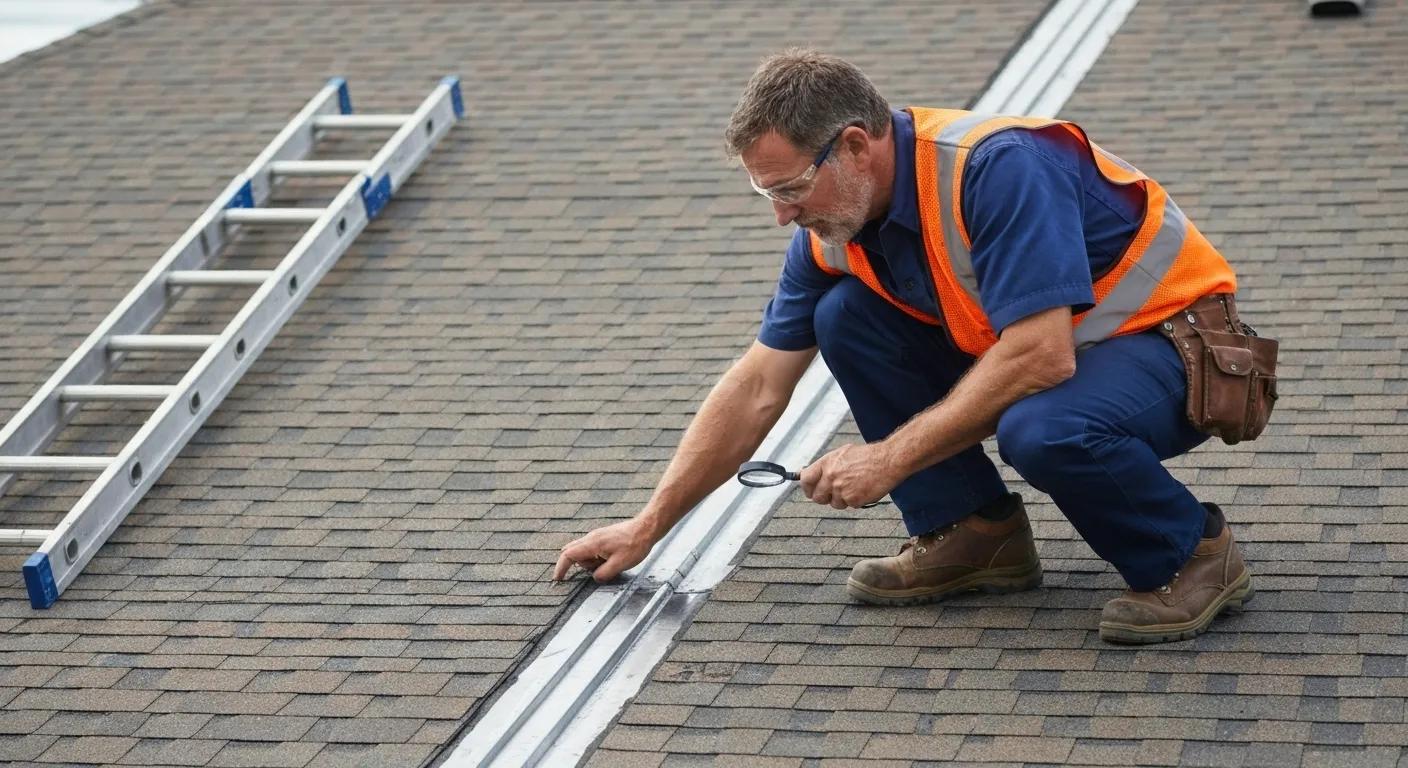
Key Roof Inspection Techniques for Long-Lasting Results: A Complete Guide for Homeowners
A single unchecked shingle crack can lead to a $5,000 repair bill if moisture penetrates the decking. A roof inspection is a systematic evaluation of roofing components—shingles, flashing, gutters, decking—to uncover hidden damage and prevent costly leaks. Homeowners gain peace of mind and extended roof life by spotting early signs of wear and arranging timely repairs. This guide delivers clear inspection frequency recommendations, damage-sign identification, DIY safety steps, professional service benefits, advanced technologies, and preventative maintenance strategies.
In the sections that follow, readers will discover:
- Why regular inspections drive longevity.
- Key roof areas to inspect and how to assess each.
- Safe DIY inspection techniques and when to hire pros.
- Benefits and costs of professional roof assessments.
- Emerging technologies that improve accuracy.
- Preventative maintenance checklists for year-round care.
- The most common problems uncovered during inspections.
By mastering these roof inspection techniques for durability, homeowners can proactively protect their investment and boost curb appeal. Ready to safeguard your roof? Get Your Instant Roofing Quote and ensure expert support from Evernew Roofing’s certified inspectors.
Why Are Regular Roof Inspections Essential for Longevity?
Regular roof inspections are a crucial aspect of home maintenance that significantly contribute to the longevity of a roofing system. Over time, roofs are exposed to various elements, including weather fluctuations, extreme temperatures, and environmental debris, all of which can lead to deterioration. By scheduling regular inspections, homeowners can identify potential issues early on, such as minor leaks, shingle damage, or signs of wear and tear. Catching these problems at an early stage often allows for less invasive and more cost-effective repairs, ultimately extending the life of the roof. Furthermore, routine inspections provide an opportunity to address any accumulating debris, such as leaves or branches, which can retain moisture and create an ideal environment for mold and rot.
In addition to preserving structural integrity, regular roof inspections contribute to the overall safety and efficiency of a home. A compromised roof can lead to leaks that not only endanger the living space but also increase the risk of mold growth, which poses significant health risks for occupants. Moreover, a well-maintained roof improves energy efficiency, as gaps or damages can lead to increased heating and cooling costs. By investing in regular inspections, homeowners not only protect their property but also enhance its resale value. Buyers often prefer homes with well-documented maintenance histories, including roof inspections, as they signify a responsible and proactive approach to home care. Ultimately, prioritizing roof inspections is not just about immediate maintenance; it’s about ensuring long-term safety, efficiency, and value. A roof inspection defines the health of your roofing system by detecting early defects before they escalate. Consistent assessments improve durability, prevent structural damage, and maintain energy efficiency.
How Do Roof Inspections Prevent Costly Repairs?
Roof inspections identify loose or missing shingles, cracked flashing, and clogged gutters that otherwise permit water intrusion. Early remediation of these minor issues stops leaks from rotting decking or harming insulation, cutting repair costs by up to 70%. Proactive checkups deliver lasting savings and protect home value.
How Often Should You Inspect Your Roof?
Experts recommend a professional roof inspection at least once annually—ideally in the fall—and after severe weather events. Seasonal assessments help track wear caused by temperature swings, wind, and hail, ensuring timely intervention and enhanced roof life.
What Are the Signs of Roof Damage to Look For?
When it comes to maintaining the integrity of a home, understanding the signs of roof damage is crucial for homeowners. Some common indicators of roof issues may not be readily observable but can lead to significant problems if left unaddressed. One key sign to watch for is the presence of missing or damaged shingles. Shingles that are cracked, curled, or completely missing can expose the underlying layers of the roof to the elements, leading to leaks and structural damage. Homeowners should also pay attention to granule loss, which may be visible in the gutters or at the base of the house. This granule loss often indicates that the shingles are nearing the end of their lifespan and are more susceptible to damage from rain, wind, and sun exposure.
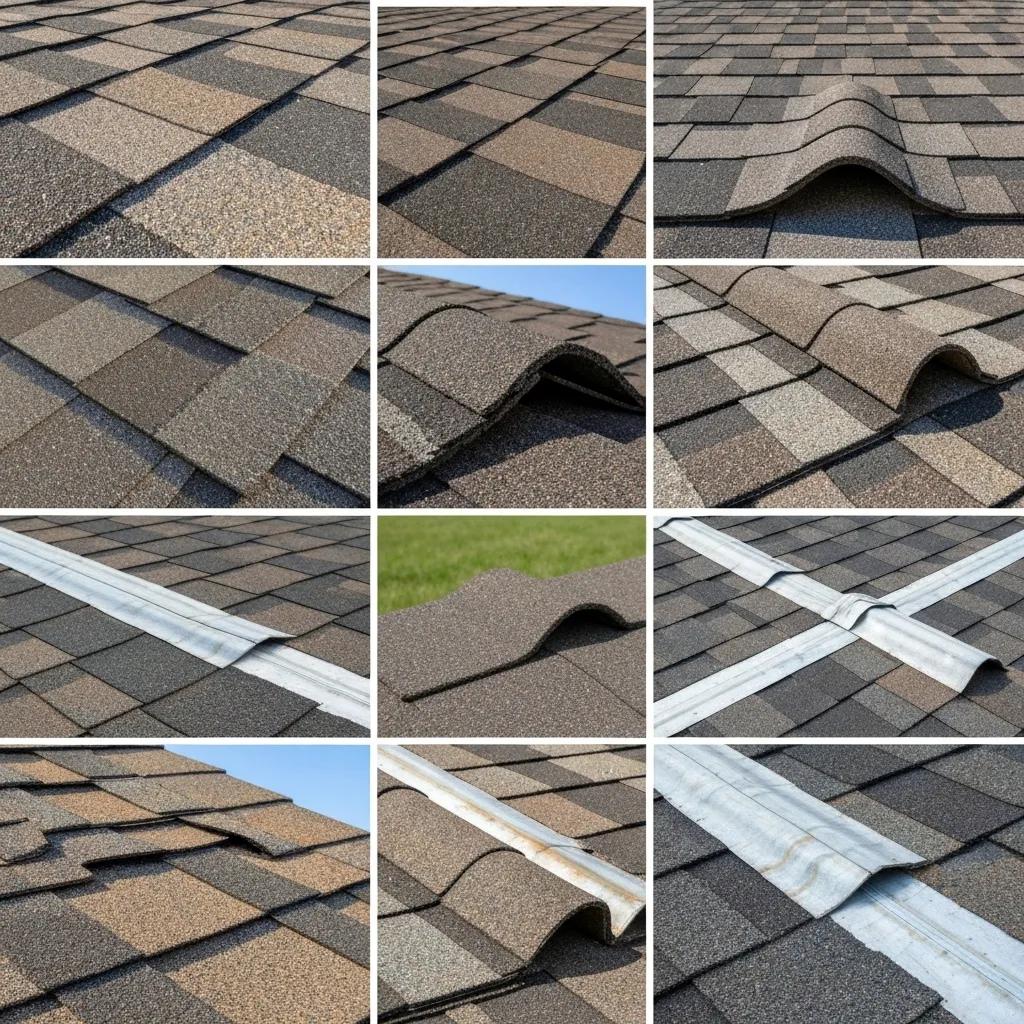
Roof damage presents through visible and hidden indicators:
- Granule Loss — Dark streaks or bare spots on shingles signal UV degradation.
- Curling or Buckling — Shingle edges lifted by heat that let wind drive underlayment.
- Flashing Gaps — Seams around chimneys or vents that separate and allow leaks.
- Sagging Decking — Uneven roof planes where underlying boards weaken.
- Interior Stains — Water spots or mold on attic ceilings marking active leaks.
Spotting these signs early leads directly to targeted repairs that preserve structural integrity and prevent secondary damage.
What Are the Key Areas to Inspect on Your Roof?
When it comes to maintaining the integrity of a home, one of the most vital components that often goes overlooked is the roof. Homeowners should regularly inspect their roofs to ensure they are in optimal condition, as a well-maintained roof not only enhances the aesthetic appeal of a property but also protects it from potential damage. Key areas to inspect include shingles, flashing, gutters, and the overall structure of the roof itself. Inspecting these areas can help identify early signs of wear and tear, preventing costly repairs down the line.
Shingles are the first line of defense against the elements and should be checked for any signs of damage such as curling, cracking, or missing pieces. Similarly, flashing typically found around chimneys and vents requires close attention, as compromised flashing can lead to leaks and water damage. Homeowners should also assess the condition of gutters, ensuring they are clear of debris to facilitate proper drainage. A thorough inspection of the roof’s structural elements, including the rafters and sheathing, is equally important to confirm that there are no underlying issues. By focusing on these key areas, homeowners can effectively safeguard their investment and ensure the longevity of their roofs. A thorough roof inspection covers distinct components that collectively ensure weatherproofing and structural strength. Examining each element methodically uncovers vulnerabilities before they undermine performance.
How to Identify Shingle Damage: Cracks, Curling, and Missing Granules
Shingles form the primary barrier against rain and UV radiation; damage here accelerates roofing failure. Inspect for cracks, curled edges, and granule loss, then replace affected sections promptly.
Early shingle replacement preserves water tightness and supports overall roof resilience. Explore durable materials in the Atlas Roofing Products Catalog for long-lasting performance.
Why Is Flashing Inspection Critical for Leak Prevention?
Flashing inspection is a vital aspect of building maintenance that directly contributes to leak prevention. Flashing, the material used to direct water away from critical areas of a structure, such as chimneys, roof edges, and wall joints, can deteriorate over time due to wear, exposure to weather elements, and poor installation. Regular inspections are essential in identifying any compromised flashing that may lead to water infiltration. By conducting thorough assessments, property owners can catch minor issues before they escalate into costly leaks or larger structural problems. Flashing seals joints at chimneys, vents, skylights, and valleys. Even small gaps or corroded seams allow water entry under shingles, leading to rot. Inspect metal strips for cracks, rust, and separation, then reseal or replace flashing to maintain a watertight barrier.
How to Check Gutters and Drainage for Proper Function?
Checking gutters and drainage systems for proper function is an essential part of home maintenance that helps prevent costly water damage. A thorough inspection can save homeowners time and money by ensuring that water is being effectively channeled away from the property. To begin the process, one should first ensure that safety precautions are taken—using a sturdy ladder and wearing appropriate gear to prevent accidents. With the right equipment in hand, the inspection should focus primarily on the gutters themselves. Homeowners should look for debris, such as leaves and twigs, which can obstruct the flow of water. Clogged gutters can lead to overspills, potentially damaging the roof, siding, and foundation. Gutters and downspouts channel runoff away from the roof edge. Clogs or improper slope cause water to pool at the eaves, accelerating wood decay and shingle damage.
- Clean debris and rinse with a hose to confirm free flow.
- Verify downspouts direct water at least 3 feet from foundation.
- Inspect hangers and fascia for signs of rot or pulling.
Maintaining clear channels supports efficient drainage and prevents water accumulation that undermines roof integrity.
What Interior Signs in the Attic Indicate Roof Problems?
When it comes to maintaining the integrity of a home, paying attention to the signs inside the attic can provide crucial insights into potential roof problems. Homeowners should be vigilant for certain indicators that may suggest issues with the roofing system. Common signs include water stains on the ceiling or walls, which can signify leaks originating from the roof. These stains often appear as dark patches or discoloration and may be accompanied by mold growth, indicating prolonged moisture exposure. Additionally, sagging areas in the roofline can reveal structural issues that need urgent attention. Such sagging could suggest that the roof is either overloaded or that underlying supports are compromised, both of which could lead to further damage if not addressed promptly. Attic inspections reveal hidden leaks before interior ceilings stain. Look for:
- Moisture stains on rafters or insulation.
- Mold or mildew growth on wood members.
- Warped or discolored roof sheathing.
- Damp insulation clumping or sagging.
Addressing attic moisture quickly preserves insulation R-value and prevents mold proliferation that threatens indoor air quality.
How to Assess Structural Integrity: Sagging and Decking Issues
Assessing structural integrity, particularly in relation to sagging and decking issues, is a critical task for homeowners and building professionals alike. When evaluating these concerns, it is vital to first understand the signs of potential problems. Sagging floors, ceilings, or roofs can indicate underlying structural issues, often stemming from inadequate support, deterioration of materials, or excessive load. Inspectors should look for visual clues such as noticeable dips or uneven surfaces, which could signal that the structural framework is compromised. Measuring the degree of sagging can provide valuable insights; for instance, a deviation of more than one inch over a span of ten feet may warrant further investigation. Roof decking provides the structural base for shingles and underlayment. Decking that sags or displays uneven spans signals weakened support. Walk the attic safely and note areas of depression or bowed rafters. Reinforce or replace compromised decking to sustain uniform load distribution and long-term durability.
How Can Homeowners Perform a Safe DIY Roof Inspection?
Homeowners interested in performing a safe DIY roof inspection should approach the task with careful preparation and a clear understanding of the necessary precautions. First and foremost, it is crucial to gather the right tools, including a sturdy ladder, safety goggles, and a reliable harness, which are essential for preventing accidents while accessing the roof. Additionally, inspecting the area around the house for potential hazards—such as power lines or unstable surfaces—is an important first step. Homeowners are also advised to check the weather forecast to choose a day with clear skies and mild temperatures, avoiding rain and strong winds, which could make conditions unsafe for climbing.
Once safely positioned on the roof, the homeowner should take the time to thoroughly inspect for signs of damage or wear. Key areas to focus on include shingles, flashing, and gutters. Homeowners should look for missing or cracked shingles, rusted flashing, and debris accumulation in the gutters that could impede water flow. Taking photographs during the inspection can help in keeping a record of conditions and any necessary repairs. Furthermore, if the inspection uncovers significant issues, such as structural damage or leaks, it may be prudent to contact a professional roofer to assess the situation. By taking these precautions and being attentive during the inspection, homeowners can ensure a safe and effective DIY roof inspection, ultimately protecting their home and investment. DIY inspections empower homeowners to monitor roof health between professional visits, but safety and accuracy remain paramount. Ground-level checks and careful roof access prevent falls and false readings.
What Are the Step-by-Step DIY Roof Inspection Techniques?
Conducting a DIY roof inspection is an essential task for homeowners to ensure that their roof remains in good condition and to identify any potential issues before they escalate into costly repairs. The first step in the inspection process involves preparing for the task by gathering necessary tools such as binoculars, a flashlight, a sturdy ladder, and safety equipment. Homeowners should begin their inspection from the ground, using binoculars to visually assess the roof for obvious signs of wear, such as missing shingles, sagging sections, or discoloration. Next, it’s advisable to inspect the exterior and interior of the home for signs of water damage, such as stains on ceilings or walls, which may indicate leaks or weak spots in the roofing material. Before climbing, perform thorough ground-level observations and set up safe equipment.
- Inspect the roof perimeter using binoculars for missing shingles or debris.
- Examine flashing around penetrations from a ladder positioned on level ground.
- Clean and inspect gutters to reveal hidden shingle damage and leaks.
- Check attic for signs of moisture, stained wood, or insulation issues.
- Document findings with photos and notes for reference.
Following these steps ensures a comprehensive visual check without unnecessary risk.
When Should You Avoid DIY and Hire a Professional?
When it comes to home improvement and maintenance tasks, many individuals are tempted to take the DIY approach, fueled by a mix of excitement, creativity, and the promise of saving money. However, there are specific situations where hiring a professional is the more prudent choice. Homeowners should consider avoiding DIY projects when the tasks involve complex systems such as electrical wiring, plumbing, or structural repairs. These projects require specialized knowledge and tools that the average person may not possess, and a mistake can lead to costly repairs, safety hazards, or even legal issues if local building codes are not followed. Complex roof designs, steep pitches, or visible structural damage call for expert intervention. Avoid climbing if:
- The slope exceeds 6:12 pitch.
- You notice significant sagging or rot.
- Severe weather has weakened anchor points.
- Safe ladder placement is not possible.
Professional inspectors bring safety equipment, training, and advanced detection methods that reduce risk and uncover hidden defects.
What Tools and Supplies Are Needed for DIY Inspections?
When embarking on DIY inspections, having the right tools and supplies is essential for thorough and effective evaluation of various structures and systems. Among the most fundamental tools are a reliable flashlight and a set of ladders. A sturdy flashlight will illuminate dark corners and crevices, allowing for a better inspection of harder-to-reach areas, while ladders enable users to access high places such as roofs, attics, and upper-level walls. In addition, a good pair of safety goggles can help protect the eyes when examining hazardous materials or debris. Before ascent, assemble essential tools:
- Extension ladder with non-slip feet.
- Binoculars for detailed ground observations.
- Flashlight for attic and flashing gaps.
- Moisture meter to spot concealed leaks.
- Work gloves and slip-resistant shoes.
Organizing these supplies in a durable toolkit prepares homeowners for efficient, safe inspections.
What Are the Benefits and Costs of Professional Roof Inspection Services?
When it comes to maintaining the integrity of a home, professional roof inspection services offer a myriad of benefits that extend far beyond mere aesthetics. First and foremost, these inspections provide homeowners with peace of mind. An experienced roofing professional can identify potential issues before they escalate into costly repairs. This proactive approach not only ensures that the roof is in good condition but also extends its lifespan, ultimately safeguarding the investment in the property. Furthermore, routine inspections can enhance energy efficiency. By pinpointing minor leaks or inadequate insulation, a professional can help homeowners optimize their energy consumption, leading to lower utility bills and a more comfortable living environment.
However, it is essential to weigh the benefits against the associated costs. Professional roof inspections do incur expenses, which can vary based on the complexity of the roof and the specific services provided. Homeowners may find the upfront cost daunting, especially if they have not experienced significant issues in the past. It’s important to view this expense within the context of long-term savings; neglecting smaller, underlying problems can lead to major repairs that are exponentially more costly. Additionally, some homeowners may be tempted to conduct their own inspections to save money, but lacking the expertise can lead to missed problems. In conclusion, while there are costs involved, the investment in professional roof inspection services often pays off by preventing larger issues and ensuring the roof remains a reliable shield against the elements. Professional roof assessments uncover subtle defects, document conditions in detailed reports, and recommend targeted repairs. Understanding service components and pricing guides homeowners toward informed decisions.
How Do Professional Inspectors Identify Hidden Roof Damage?
Certified inspectors use binoculars, drones, and specialty tools—thermal cameras and moisture meters—to detect subsurface moisture, insulation voids, and sheathing defects. Advanced methods reveal issues invisible to the naked eye, ensuring comprehensive evaluations.
What Is Included in a Professional Roof Inspection Report?
A professional roof inspection report serves as a comprehensive assessment of a roof’s condition, providing homeowners with critical information regarding its integrity and potential issues. Typically, this detailed document encapsulates several key components, beginning with an overview of the roof’s structure, materials, and overall age. Inspectors will assess various roofing elements, including shingles, flashings, gutters, and ventilation systems, providing a thorough evaluation of their functionality and wear. The report usually includes detailed notes on any visible leaks, damage, or wear patterns that could compromise the roof’s lifespan. Additionally, photographs may be included to visually support the findings, allowing homeowners to grasp the condition of their roof more clearly. A standard professional report comprises:
- High-resolution images of damage areas.
- Detailed notes on shingle condition, flashing integrity, and drainage.
- Thermal imaging scans highlighting moisture intrusion.
- Recommended repair actions and estimated timelines.
This documentation supports warranty claims, insurance filings, and maintenance planning.
How Much Does a Professional Roof Inspection Cost?
When considering the cost of a professional roof inspection, homeowners often find that prices can vary significantly based on various factors. On average, a standard roof inspection can range from $100 to $500. The price typically depends on the size and complexity of the roof, as well as the inspector’s experience and reputation. For instance, larger homes or those with multi-layered or complex roofing systems may attract higher fees due to the additional time and expertise required for a thorough assessment. Additionally, geographical location plays a role, with urban areas potentially seeing higher costs compared to rural settings. Inspection fees vary by property size, complexity, and geographic location. Typical residential costs range from $150 to $400. Factors influencing price include:
- Roof pitch and accessibility.
- Use of drones or thermal imaging.
- Inclusion of attic and interior assessments.
Investing in an annual professional inspection prevents high-cost repairs that exceed $5,000 per incident.
Why Choose Certified Inspectors and Trusted Roofing Contractors?
When it comes to roofing projects, whether for repairs or installations, choosing certified inspectors and trusted roofing contractors is crucial for ensuring quality and reliability. Certified inspectors bring a wealth of knowledge and expertise to the table, having undergone specialized training to understand the intricate details of roofing systems. Their certification not only signifies their competence but also often means they are familiar with the latest industry standards, materials, and technologies. This level of professionalism allows them to conduct comprehensive assessments, identify potential issues, and provide invaluable recommendations that can save homeowners from costly repairs down the line. Certification from accredited bodies—such as a HAAG Certified Inspector—ensures adherence to industry best practices and safety standards. Trusted contractors bring:
- Proven reputations backed by customer reviews.
- Licensed and insured operations.
- Access to manufacturer warranties on materials and labor.
Partnering with a certified professional guarantees thorough inspections and reliable maintenance recommendations.
What Advanced Technologies Improve Roof Inspection Accuracy?
In the realm of roofing, accuracy in inspections is paramount for ensuring the longevity and safety of structures. Advanced technologies have significantly heightened the precision and efficiency of roof inspections, allowing professionals to identify potential issues with unprecedented clarity. One of the most transformative innovations is the use of drones equipped with high-resolution cameras. These aerial devices can capture detailed images of roofs from multiple angles, including hard-to-reach areas that would otherwise pose safety risks to inspectors. With the ability to cover large areas quickly, drones not only reduce the time spent on inspections but also gather data that can be analyzed for existing damage or vulnerabilities.
Alongside drone technology, the integration of thermal imaging cameras has further revolutionized roof inspections. These cameras detect heat signatures, enabling inspectors to identify areas where energy is being lost or moisture is trapped beneath the roofing material. By visualizing temperature variations, inspectors can pinpoint leaks or insulation failures that might not be immediately visible to the naked eye. Additionally, the advent of Building Information Modeling (BIM) allows for a comprehensive digital representation of the roof structure, enabling inspectors to collaborate more effectively and plan repairs with greater precision. Together, these advanced technologies not only enhance the accuracy of roof inspections but also empower roofing professionals to deliver more accurate assessments and recommendations, ultimately leading to more informed decision-making for property owners.Innovative tools streamline inspections, enhance safety, and deliver precise diagnostics that underpin lasting repairs.
How Do Drone Inspections Enhance Safety and Efficiency?
Drone inspections have emerged as a transformative tool in various industries, enhancing both safety and efficiency. Traditionally, inspections in sectors such as construction, energy, and agriculture often relied on manual methods that posed inherent risks to workers, while consuming significant time and resources. Drones, equipped with high-resolution cameras and advanced sensors, can access hard-to-reach or hazardous areas quickly and safely. This technology minimizes the need for personnel to undertake potentially dangerous tasks, such as climbing tall structures or entering confined spaces. Consequently, drone inspections empower organizations to mitigate safety risks while ensuring that comprehensive evaluations are conducted.
Furthermore, the efficiency of operations is significantly boosted through drone technology. By streamlining the inspection process, drones can cover extensive areas in a fraction of the time it would take for a crew of technicians to conduct similar evaluations on foot. The real-time data collection provided by drones means that organizations can quickly assess conditions and address any issues before they escalate into serious problems. The ability to analyze aerial footage and gather data promptly enhances decision-making processes, allowing for more informed and timely interventions. This integration of drone technology not only supports operational efficiency but also leads to substantial cost savings, ultimately positioning businesses to thrive in an increasingly competitive landscape.
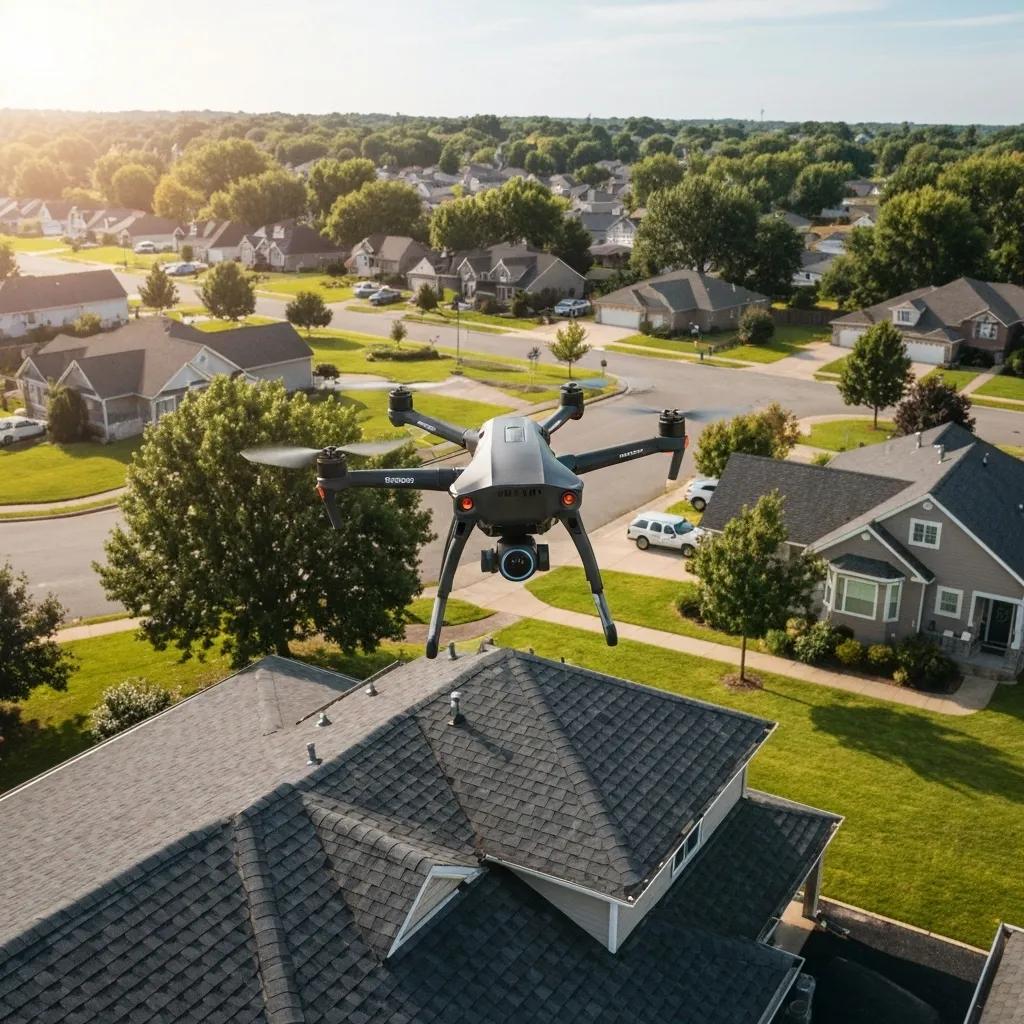
Drones equipped with high-resolution cameras access steep or unstable roof areas without risk of falls. They deliver:
- Rapid coverage of large surfaces.
- Detailed aerial imagery for remote analysis.
- Real-time video feeds that guide on-site decisions.
Drone inspections reduce onsite time by up to 45% and eliminate ladder hazards.
What Is Thermal Imaging and How Does It Detect Moisture?
Thermal imaging is a technology that captures and visualizes infrared radiation emitted by objects, allowing for the creation of temperature maps. By using a thermal camera, which detects this radiation, professionals can identify variations in temperature across surfaces. These variations often indicate different materials or conditions, making thermal imaging an invaluable tool in various fields, such as building inspections, electrical analysis, and medical diagnostics. The ability to visualize temperature differences helps technicians spot issues that are otherwise invisible to the naked eye, enhancing efficiency and accuracy in diagnosing problems. Thermal cameras measure temperature variations across roofing materials. Cold spots indicate trapped moisture under shingles or insulation. By translating infrared data into color-coded images, thermal imaging pinpoints leak sources that visual checks miss, enabling targeted repairs.
What Are Non-Destructive Testing (NDT) Methods in Roof Inspections?
Non-destructive testing (NDT) methods in roof inspections are essential techniques that allow professionals to assess the condition and integrity of roofing systems without causing any damage. These methods are particularly valuable in commercial and industrial settings, where the roofs are often complex and costly to repair. NDT techniques encompass a variety of technologies such as ultrasonic testing, infrared thermography, and electromagnetic testing. Each of these methods serves to identify issues like moisture intrusion, structural deterioration, or insulation deficiencies without compromising the roof’s structural integrity or longevity. Non-destructive testing techniques—such as ultrasonic thickness gauges and moisture probes—evaluate material integrity and moisture content without removing roofing layers. NDT methods support maintenance planning by quantifying substrate conditions and predicting remaining service life.
How Can Preventative Maintenance Extend Your Roof’s Lifespan?
Preventative maintenance plays a crucial role in extending the lifespan of a roof, providing property owners with greater peace of mind and financial savings over time. By regularly inspecting and addressing minor issues before they evolve into significant problems, homeowners can effectively mitigate the risk of costly repairs and premature roof replacement. Activities such as cleaning gutters, removing debris, and checking for signs of wear and tear not only enhance the roof’s functionality but also contribute to its longevity. Consistent maintenance allows for the early identification of potential threats, such as leaks or structural damage, which can be addressed promptly, thus preventing them from escalating into more serious and expensive repairs.
Additionally, preventative maintenance helps to maintain the roof’s overall performance, ensuring that it continues to provide optimal protection against the elements. Factors such as weather conditions, UV exposure, and environmental pollutants can take a toll on roofing materials over time. Regular assessments by knowledgeable professionals can help identify vulnerabilities related to these factors and enable the implementation of effective strategies to fortify the roof’s defenses. Whether it’s applying protective coatings, repairing flashing, or reinforcing weak areas, these proactive measures not only enhance the roof’s durability but also preserve its aesthetic appeal. In essence, a commitment to preventative maintenance is an investment in the roof’s longevity, ultimately safeguarding the home and its occupants for years to come. Routine upkeep mitigates wear from weather cycles, biological growth, and structural strain, ensuring sustained protection and efficiency.
What Seasonal Roof Maintenance Should Homeowners Follow?
Seasonal roof maintenance is essential for homeowners looking to prolong the lifespan of their roofs and ensure structural integrity. Each season brings its own unique challenges, which is why a proactive approach is crucial. In the fall, homeowners should undertake a thorough inspection of their roofs to check for any signs of damage, such as cracked or missing shingles. This is also the ideal time to clear debris, including leaves and branches, which can trap moisture and contribute to mold growth and wood rot. Additionally, inspecting gutters and downspouts for blockages will help facilitate proper water drainage, reducing the risk of water pooling on the roof. Effective year-round care adapts to seasonal demands:
- Spring: Clear winter debris, inspect flashing for freeze-thaw damage.
- Summer: Check for UV-related shingle granule loss and seal exposed nails.
- Fall: Clean gutters of fallen leaves, inspect underlayment before winter.
- Winter: Remove ice dams and ensure attic ventilation to prevent icicle buildups.
Timely tasks preserve material integrity and prevent moisture intrusion.
How Do Ventilation and Insulation Impact Roof Health?
Ventilation and insulation play critical roles in maintaining the overall health of a roof. Proper ventilation helps regulate temperature and moisture levels in the attic space, preventing harmful conditions that can lead to roof damage. When warm air from the living space rises into the attic, it can accumulate and create excessive heat. This heat can cause shingles to deteriorate prematurely, increasing the risk of leaks and structural issues. Additionally, without adequate ventilation, moisture from cooking, bathing, and even everyday household activities can become trapped in the attic. This moisture can lead to mold growth and wood rot, which not only compromises the integrity of the roofing materials but also poses health hazards to the home’s occupants. Proper attic ventilation balances temperature and moisture, reducing heat buildup that warps shingles. Insulation maintains indoor comfort and prevents condensation on roof decking. Together, they support thermal regulation and guard against rot.
What Should You Know About Roof Warranties and Insurance Requirements?
When it comes to safeguarding one’s investment in a home, understanding roof warranties and insurance requirements is crucial. Roof warranties typically fall into two categories: material warranties and workmanship warranties. Material warranties cover defects in the roofing materials themselves, often provided by the manufacturer and lasting anywhere from 20 years to a lifetime, depending on the type of material used. Workmanship warranties, on the other hand, are issued by the contractor and protect against installation errors for a specified period, often ranging from one to ten years. Homeowners should carefully review the conditions of these warranties, as they often include specific maintenance requirements and may become void if modifications are made without the manufacturer’s or contractor’s consent. Manufacturer warranties often require documented annual inspections. Home insurance policies may mandate periodic professional assessments to maintain coverage for storm damage. Understanding these conditions ensures claim eligibility and safeguards investment.
What Are the Most Common Roofing Problems Identified During Inspections?
Roof inspections are a critical aspect of home maintenance, as they reveal potential issues that can lead to significant damage if left unaddressed. Among the most common roofing problems identified during these inspections are leaks, which may arise from various sources such as damaged shingles, improper flashing, or worn-out seals around chimneys and vents. These leaks can create water damage not only to the roofing structure but also to the underlying materials and interiors of the home, leading to costly repairs. Inspectors often find signs of moisture accumulation, mold growth, or even rotting wood, indicating that prompt attention is necessary to prevent escalation.
Another frequent issue noted during inspections is the deterioration of roofing materials. This can manifest in the form of cracked or missing shingles, which are particularly susceptible to weather-related wear and tear. Additionally, the buildup of debris, such as leaves and branches, can trap moisture and promote the growth of moss or algae, further deteriorating the roofing surface. Inspectors also pay close attention to the roof’s drainage systems, such as gutters and downspouts, as clogs or improper installation can lead to pooling water and subsequent structural problems. Identifying these issues early during a roofing inspection not only helps homeowners extend the lifespan of their roofs but also ensures their homes remain safe and structurally sound. Roof inspections typically uncover recurring issues that, if unaddressed, undermine longevity and safety.
How to Recognize Storm Damage and Its Effects on Your Roof?
Recognizing storm damage and its effects on your roof is essential for maintaining the integrity of your home. After a significant weather event, homeowners should conduct a thorough inspection to identify any potential issues that may have arisen. Common signs of storm damage include missing or damaged shingles, which may appear cracked, curled, or even completely missing from the roof surface. Additionally, the presence of granules in gutters or downspouts often indicates wear and tear caused by high winds or hail. Homeowners should also look for any signs of leaks or water stains on the ceiling or walls, as these may signify underlying damage to the roof that could lead to more significant problems if left unaddressed. High winds can lift or displace shingles, while hail dents underlayment and flashing. Storm-induced damage reveals itself as:
- Shingle granule clusters in gutters.
- Dented metal flashing or vents.
- Missing shingle tabs and fractured underlayment.
Prompt storm assessments prevent secondary water penetration.
What Causes Roof Leaks and How Are They Detected?
Roof leaks can be a significant concern for homeowners, as they often lead to serious structural damage and costly repairs if left unaddressed. Understanding the common causes of roof leaks is essential for prevention and timely intervention. One of the primary culprits behind roof leaks is the deterioration of roofing materials over time. Factors such as age, severe weather conditions, and UV exposure can degrade shingles, tiles, or membranes, creating vulnerabilities where water can seep through. Additionally, improper installation or damaged flashing around chimneys, vents, and other roof penetrations can allow water intrusion. Even seemingly minor issues, such as clogged gutters or debris accumulation, can contribute to water backup and potential leaks. Leaks originate where water bypasses the outer barrier—through cracked flashing, damaged shingles, or clogged valleys. Detection relies on:
- Thermal imaging to highlight cool, damp areas.
- Moisture meters in attic cavities.
- Visual attic inspections for drip patterns and stains.
Early leak identification reduces mold risk and insulation damage.
How Do Moss, Algae, and Ponding Water Affect Roof Durability?
Biological growth retains moisture against shingles, accelerating rot and granule loss. Ponding water on low-slope roofs fosters bacterial growth and degrades underlayment. Regular cleaning and ensuring proper drainage eliminate these threats and preserve roof strength. Routine roof inspections offer the best defense against hidden damage and premature aging. By combining systematic checks of shingles, flashing, gutters, and attic spaces with advanced tools—drones and thermal imaging—and investing in certified professional services, homeowners promote lasting roof integrity and protect their property value. Integrating seasonal maintenance, proper ventilation, and adherence to warranty requirements completes a proactive strategy for long-lasting results. Schedule your professional assessment today to secure expert guidance from Evernew Roofing’s trusted inspectors.
Frequently Asked Questions
What should I do if I find signs of roof damage during an inspection?
If you discover signs of roof damage, such as missing shingles, leaks, or sagging areas, it’s crucial to address these issues promptly. Start by documenting the damage with photos and notes. For minor issues, you may attempt DIY repairs, like replacing missing shingles or sealing small leaks. However, for significant damage or if you’re unsure, it’s best to contact a professional roofing contractor. They can provide a thorough assessment and recommend appropriate repairs to prevent further deterioration.
How can I prepare for a professional roof inspection?
Preparing for a professional roof inspection involves a few simple steps. First, clear any debris from the roof and gutters to allow for a thorough examination. Ensure that access points, such as ladders or scaffolding, are safe and available. Additionally, inform the inspector of any previous issues or repairs made to the roof. This information can help them focus on potential problem areas. Lastly, be present during the inspection to ask questions and understand the findings better.
Are there any specific tools I can use for a DIY roof inspection?
Yes, several tools can enhance your DIY roof inspection. A sturdy extension ladder is essential for accessing the roof safely. Binoculars can help you spot issues from the ground without climbing. A flashlight is useful for inspecting dark areas, such as attics or under eaves. A moisture meter can detect hidden leaks, while work gloves and slip-resistant shoes ensure safety while you inspect. Having these tools ready will make your inspection more effective and safer.
What are the risks of neglecting roof inspections?
Neglecting roof inspections can lead to severe consequences, including costly repairs and reduced property value. Small issues, like minor leaks or missing shingles, can escalate into significant damage if left unaddressed, potentially leading to structural problems or mold growth. Additionally, a compromised roof can affect energy efficiency, increasing heating and cooling costs. Regular inspections help catch these problems early, ensuring the longevity of your roof and protecting your investment.
How do seasonal changes affect roof maintenance needs?
Seasonal changes significantly impact roof maintenance needs. In spring, it’s essential to clear debris and check for winter damage, while summer may require inspections for UV-related wear. Fall is the time to clean gutters and prepare for winter, ensuring proper drainage to prevent ice dams. During winter, monitoring for ice buildup and ensuring attic ventilation is crucial to prevent moisture issues. Adapting maintenance tasks to seasonal demands helps maintain roof integrity and prolong its lifespan.
What are the benefits of using drones for roof inspections?
Drones offer numerous benefits for roof inspections, primarily enhancing safety and efficiency. They can access hard-to-reach areas without risking falls, providing a comprehensive view of the roof’s condition. Drones equipped with high-resolution cameras capture detailed images, allowing for remote analysis and quicker assessments. This technology reduces the time spent on-site and minimizes the need for ladders or scaffolding, making inspections safer and more efficient while ensuring thorough evaluations of the roof’s health.
How can I ensure my roof warranty remains valid?
To keep your roof warranty valid, it’s essential to follow the manufacturer’s guidelines, which often include regular inspections and maintenance. Documenting annual inspections and any repairs made is crucial, as many warranties require proof of upkeep. Additionally, ensure that any work done on the roof is performed by certified professionals to meet warranty conditions. Understanding the specific terms of your warranty will help you maintain coverage and protect your investment in the long run.