


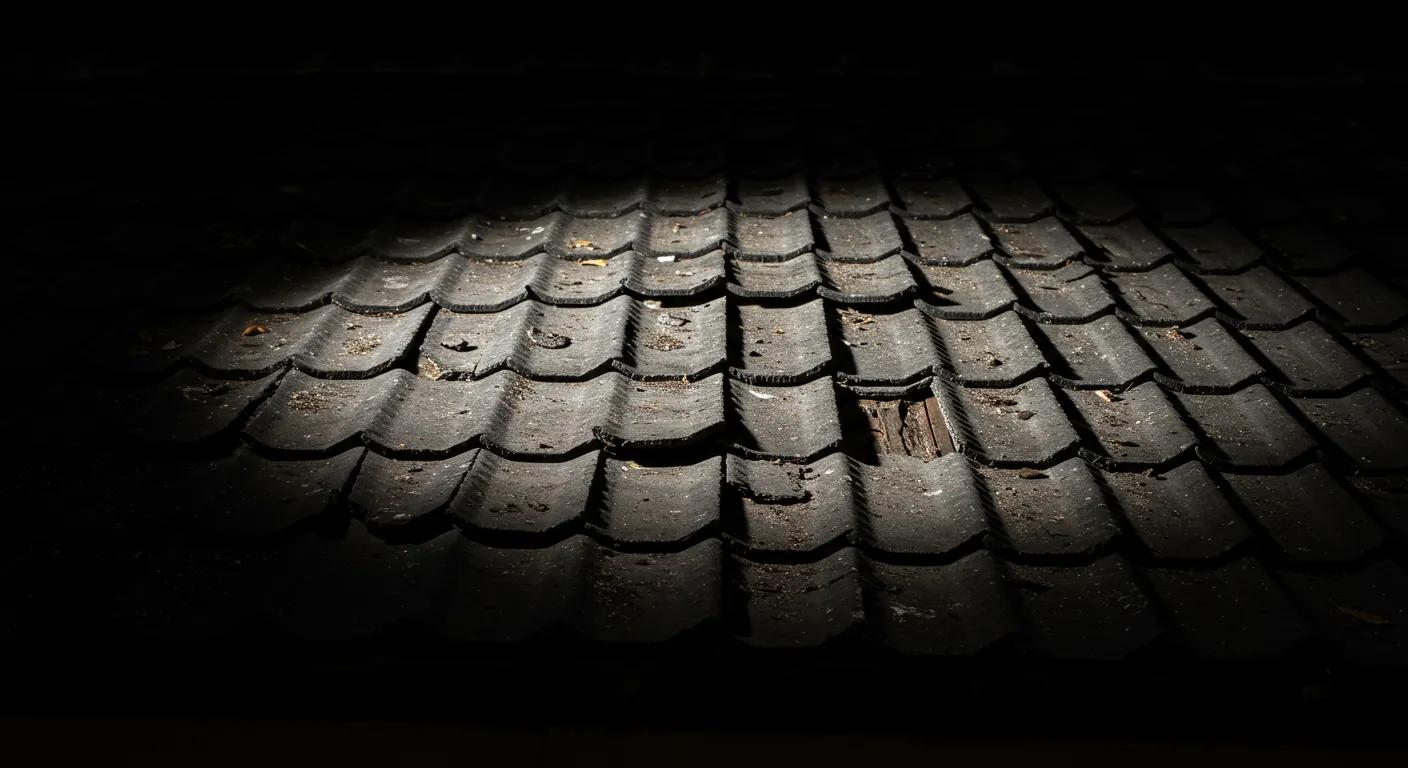
In every home, the roof protects the structure, its contents, and the well-being of its residents. Over time, even a well-maintained roof shows wear like leaks, mold growth, or structural damage. Recognizing early signs such as water stains, missing shingles, granule loss, or a sagging appearance is crucial so homeowners can secure an instant quote from a licensed and insured professional roofing contractor. Timely replacement prevents minor issues from turning into costly repairs, preserves energy efficiency, and helps in filing proper home insurance claims following storm damage, hail, or wind damage. Today’s roofs face environmental stresses—UV exposure, rain, algae growth, and moisture infiltration—that gradually deteriorate roofing materials. This article outlines common signs of roof damage and explains how to determine when a complete roof replacement is necessary, what to expect during the process, and how to manage associated costs and financing options.
What Are the Most Common Signs You Need Roof Replacement?
Key indicators that your roof needs replacement include recurring leaks, water stains on the interior, and visible damage such as missing or curling shingles. Granule loss in gutters signals that protective layers are eroding while a sagging roof indicates structural issues. A thorough visual inspection—from the ground and inside the attic—can reveal water stains, shingle damage, and granule buildup. When multiple issues appear together, it is best to have a professional roof inspection to decide whether complete replacement is necessary instead of piecemeal repairs.
How Do Leaks and Water Stains Indicate Roof Damage?
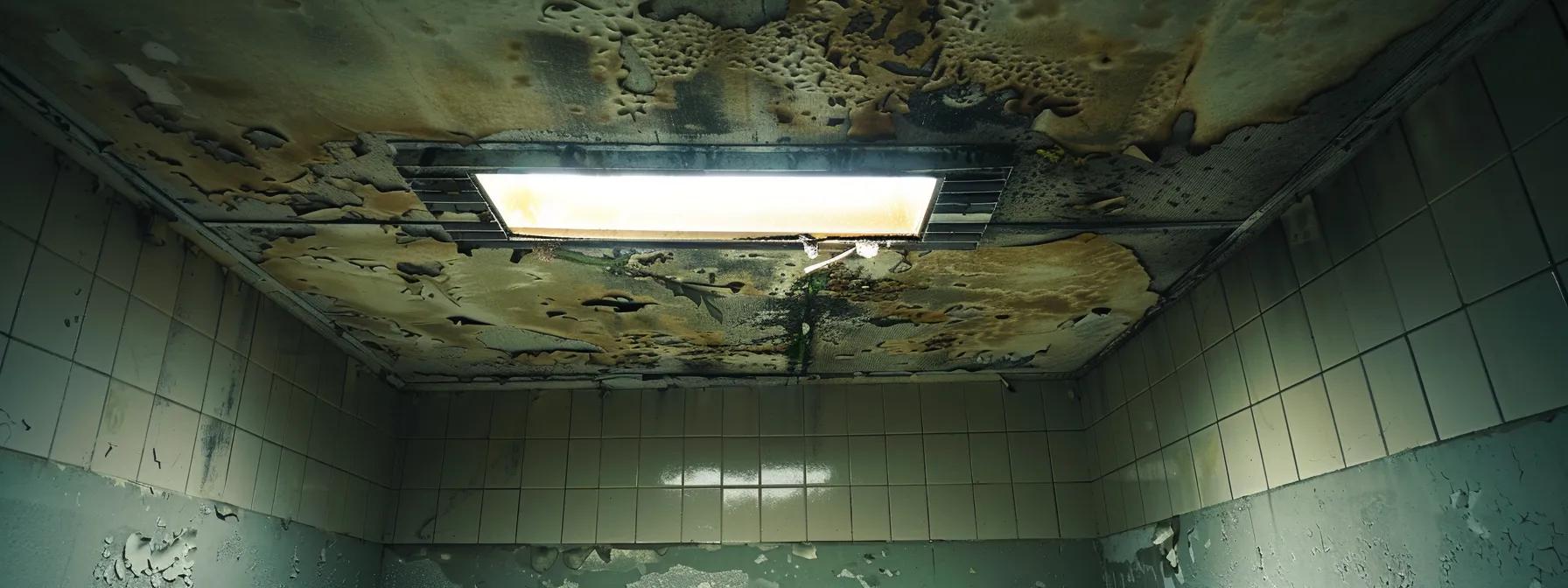
Leaks and water stains are usually the first signs of roof damage. When water penetrates the roofing system, it can cause rot in wooden framing and foster mold and mildew growth, thereby reducing the roof’s protective function. Small, unnoticed leaks may gradually result in concentrated water stains on ceilings and walls. Over time, these stains expand, indicating that the extent of the leak is more significant and that a professional roof inspection is needed to determine whether repairs or full replacement is advisable.
Why Are Missing or Damaged Shingles a Warning Sign?
Shingles provide the first line of defense against water, wind, and UV damage. When shingles are missing, cracked, or curling, gaps allow moisture to seep in and accelerate damage to the roof’s structure. Asphalt shingles generally have a lifespan of 15 to 30 years; as they age or suffer severe weather impacts like hail or high winds, they deteriorate faster. If more than 20% of shingles are damaged, repairs may no longer be effective, and a complete roof replacement becomes necessary to maintain both the performance and appearance of the home.
What Does Granule Loss in Gutters Reveal About Your Roof?

Asphalt shingles are coated with granules that shield them from UV rays and fire. When you notice a buildup of granules in your gutters, it indicates that the shingle’s surface is deteriorating, reducing its effectiveness against sunlight and weather extremes. Excessive granule loss not only signals that the roof is nearing the end of its life but also increases the risk of water penetration. Homeowners should consider a professional evaluation since significant granule loss may mean that repair efforts would soon be overwhelmed by further deterioration.
How Can a Sagging Roof Signal Structural Problems?
A sagging roof is a clear sign that the underlying support—such as trusses or rafters—is failing. Continuous water damage and the weight of aging roofing materials can cause parts of the roof to droop. This uneven load distribution is dangerous as it may lead to further leaks and even collapse. Such structural sagging requires immediate professional attention, as even localized issues can quickly escalate into a full roof replacement to maintain the home’s safety and energy efficiency.
What Are the Risks of Damaged Flashing on Your Roof?
Flashing is a metal component installed around roof protrusions like chimneys, vents, and skylights to prevent water infiltration. If flashing is compromised—through cracks, rust, or improper installation—water can seep into the roof structure, leading to mold, water stains, and rot. Since damaged flashing often goes unnoticed until extensive damage occurs, it may ultimately result in higher repair and replacement costs. A professional evaluation can determine if minor repairs suffice or if a full roof replacement is a more cost-effective, long-term solution.
Which Types of Roofing Materials Affect Replacement Needs?
Different roofing materials have various lifespans and maintenance needs. Asphalt shingles are common due to their affordability but typically only last 15 to 30 years. In contrast, metal roofing can last 40 to 70 years with minimal maintenance, though it comes at a higher initial cost. Tile roofing, made of clay or concrete, offers excellent durability and aesthetics with a potential lifespan of 50 years or more but requires robust structural support due to its weight. Homeowners must compare these factors—including performance, cost, regional weather conditions, and energy efficiency—when determining if it’s time to replace the roof.
What Are the Benefits and Lifespan of Asphalt Shingles?
Asphalt shingles remain popular in residential construction due to their balance of affordability and performance. Generally lasting 15 to 30 years, these shingles are available in various colors and styles and are relatively easy to install. They offer decent energy efficiency, especially modern variants with reflective coatings to reduce heat absorption. Although maintenance can often prolong their life, significant issues like extensive curling, missing shingles, or loss of granules indicate that a full roof replacement is a better long-term solution for protecting the home from water damage and structural decay.
How Does Metal Roofing Compare for Durability and Cost?
Metal roofing is renowned for its durability and longevity—it can last beyond 40 years. Metal roofs resist harsh weather, fire, rot, and corrosion, thanks to protective coatings and lightweight design. Although the initial investment is higher compared to asphalt shingles, lower maintenance costs and energy savings over time often justify the expense. Metal roofs also add value to a home and are available in various styles, making them an attractive option for homeowners seeking a long-term, maintenance-light solution to roof replacement.
When Is Tile Roofing the Best Replacement Option?
Tile roofing, whether clay or concrete, is ideal for homeowners who desire durability combined with aesthetic appeal. Tile roofs boast impressive lifespans—often 50 years or more—and provide excellent insulation, which can reduce energy costs. However, their heavy weight necessitates extra structural support, and installation costs are typically higher. In climates where fire resistance and energy efficiency are paramount, tile roofing is a strong contender, provided that the home’s structure can accommodate its weight and maintenance requirements.
How Do You Assess if Your Roof Needs Immediate Replacement?
A roof that shows persistent water damage, extensive granule loss, noticeable sagging, or frequent leaks likely needs immediate replacement. Homeowners should conduct visual inspections and consider professional evaluations, especially if multiple issues are present. Assessments from both the roof’s exterior and the attic (looking for water stains or mold) help determine if simple repairs will suffice or if complete replacement is more prudent. When repair costs near the price of a full replacement, replacing the entire roof can be more cost-effective and safe.
What Roof Inspection Steps Help Identify Urgent Damage?
A professional roof inspection involves a systematic review of all components—shingles, flashing, gutters, and the roof deck—using both visual assessments and specialized tools like moisture meters and infrared cameras. Inspectors check for signs of damage such as missing or curling shingles, water stains on ceilings, and sagging areas. Identifying these red flags early helps prevent further deterioration. Regular inspections, especially following severe weather events, are key to ensuring that urgent issues are addressed promptly, thus avoiding the need for emergency and more costly repairs.
When Should You Contact a Professional Roofing Contractor?
It is essential to contact a professional roofing contractor at the first sign of significant roof damage, such as persistent leaks, sagging structures, or widespread shingle damage. Minor cosmetic issues might be handled by DIY efforts, but any sign of underlying structural problems requires immediate evaluation. Professionals use tools like drones and infrared cameras to uncover hidden damage and can provide an instant quote to compare repair versus replacement costs. Early engagement with a licensed and insured contractor ensures adherence to building codes, reduces liability, and prevents further deterioration that could compromise the home’s safety.
How Do Weather and Age Impact Roof Replacement Timing?
The age of your roof combined with local weather conditions plays a critical role in determining when a replacement is needed. Harsh elements such as sunlight, heavy rain, hail, wind, and extreme temperatures gradually weaken roofing materials. A roof that has reached or exceeded its expected lifespan—typically 15 to 30 years for asphalt shingles—is more susceptible to damage, especially after severe weather events. Regular maintenance and periodic inspections can reveal internal weakening even if external damage appears minor. In areas with extreme weather, proactive planning for roof replacement is highly recommended to avoid unexpected failures and high repair costs.
What Happens During a Roof Inspection and Damage Evaluation?
During a roof inspection, experts carefully examine the exterior roof surface and the interior space, particularly the attic, for signs of damage such as missing shingles, curling, water stains, or mold growth. They use tools like moisture meters and infrared cameras to detect hidden issues such as rotted decking or compromised insulation. The inspector then compiles a report detailing the severity and causes of the damage and offers recommendations—whether targeted repairs or a complete roof replacement is more appropriate. This evaluation helps homeowners make cost-effective decisions while ensuring long-term protection and energy efficiency for the home.
How Do You Choose the Right Roofing Contractor?
Selecting the right roofing contractor is key to a successful roof replacement. Homeowners should look for professionals who are licensed, insured, and have a strong reputation supported by customer reviews and professional certifications. During the selection process, it is important to request multiple quotes, verify credentials, and ask for references or case studies of past projects. A reputable contractor should offer a clear warranty for both materials and workmanship and communicate transparently regarding the scope, timeline, and costs involved. This careful evaluation ensures that the contractor will complete the replacement safely, efficiently, and in compliance with local building codes.
What Licensing and Insurance Should a Roofing Contractor Have?
A reliable roofing contractor must carry proper licensing and insurance to safeguard the project. Licensing typically involves business registration and certifications from recognized industry organizations, proving that the contractor meets established competence standards. Comprehensive insurance, including general liability and workers’ compensation, protects both the contractor and homeowner from potential accidents or damages. Always request copies of these documents to verify that they are current. Contractors with the proper credentials not only minimize risk but also demonstrate a commitment to quality workmanship and adherence to safety standards.
How Important Are Warranties and Customer Reviews?
Warranties and customer reviews are critical in the decision-making process for roof replacement. A solid warranty that covers both materials and labor offers peace of mind by reducing the risk of future repair costs. Additionally, positive customer reviews and testimonials provide insights into a contractor’s reliability, workmanship, and service quality. Homeowners should research and compare warranty terms and review feedback to select a contractor with a history of successful projects. This combination of warranty protection and proven customer satisfaction assures homeowners that they are making a smart, long-term investment.
Where Can You Find Trusted Local Roofing Contractors?
Trusted local roofing contractors can be found through referrals from neighbors, friends, or family, as well as through online reviews and local business directories. Professional organizations like the National Roofing Contractors Association offer directories of licensed and experienced contractors. Home improvement stores, community bulletin boards, and social media groups dedicated to home repair are also useful resources. When you compile a list of potential contractors, obtain written estimates and verify credentials through local licensing boards. This due diligence helps ensure you choose a contractor who is both reputable and capable of delivering quality roof replacement.
What Are the Consequences of Ignoring Roof Replacement Signs?
Ignoring early signs of roof deterioration can lead to escalating repair costs and severe damage over time. Small issues like missing shingles or minor leaks can develop into pervasive water damage that compromises the roof’s structural integrity and causes expensive interior repairs. Persistent moisture can also encourage mold and mildew growth, posing health risks and reducing energy efficiency. In the long run, neglecting necessary roof replacement can lower a home’s market value and make insurance claims more difficult. Proactive maintenance and timely replacement are essential to preserving both the safety and value of your home.
Final Thoughts
The roof is your home’s first line of defense against the elements. Recognizing early warning signs—such as water stains, missing shingles, granule loss, sagging structures, and damaged flashing—and acting promptly can help you avoid costly repairs later. By engaging qualified professionals for regular inspections and understanding the replacement process, homeowners can protect their investment, ensure energy efficiency, and maintain overall home safety.
Frequently Asked Questions
Q: How do I know if I need a new roof or just repairs? A: Recurring leaks, extensive missing or damaged shingles, granule buildup, and sagging areas indicate that repair may no longer suffice. A professional roof inspection will determine if full replacement is necessary.
Q: What is the average lifespan of an asphalt shingle roof? A: Asphalt shingle roofs typically last between 15 to 30 years depending on weather conditions, maintenance, and installation quality.
Q: How soon should I contact a roofing contractor if my roof shows signs of damage? A: Contact a professional roofing contractor as soon as you notice significant damage such as leaks, curling shingles, or sagging sections to prevent further deterioration.
Q: Can I file an insurance claim for roof replacement due to weather damage? A: Yes, many insurance policies cover roof replacement for damage caused by hail storms, wind, or heavy rain. Document the damage and work with an experienced roofing contractor to handle your claim.
Q: What financing options are available for roof replacement? A: Options include home equity loans, personal loans, refinancing, and in-house financing offered by some contractors. Additionally, insurance claims may cover part of the cost if the damage is due to a covered event.
Q: What maintenance can I do to extend the lifespan of my roof? A: Regular inspections, prompt repairs of minor damage, cleaning gutters, and ensuring proper ventilation can prolong your roof’s life and delay the need for replacement.
Q: How important is it to choose a licensed and insured roofing contractor? A: Extremely important—a licensed and insured contractor ensures work complies with building codes, protects you from liability, and provides a reliable roof replacement experience.