


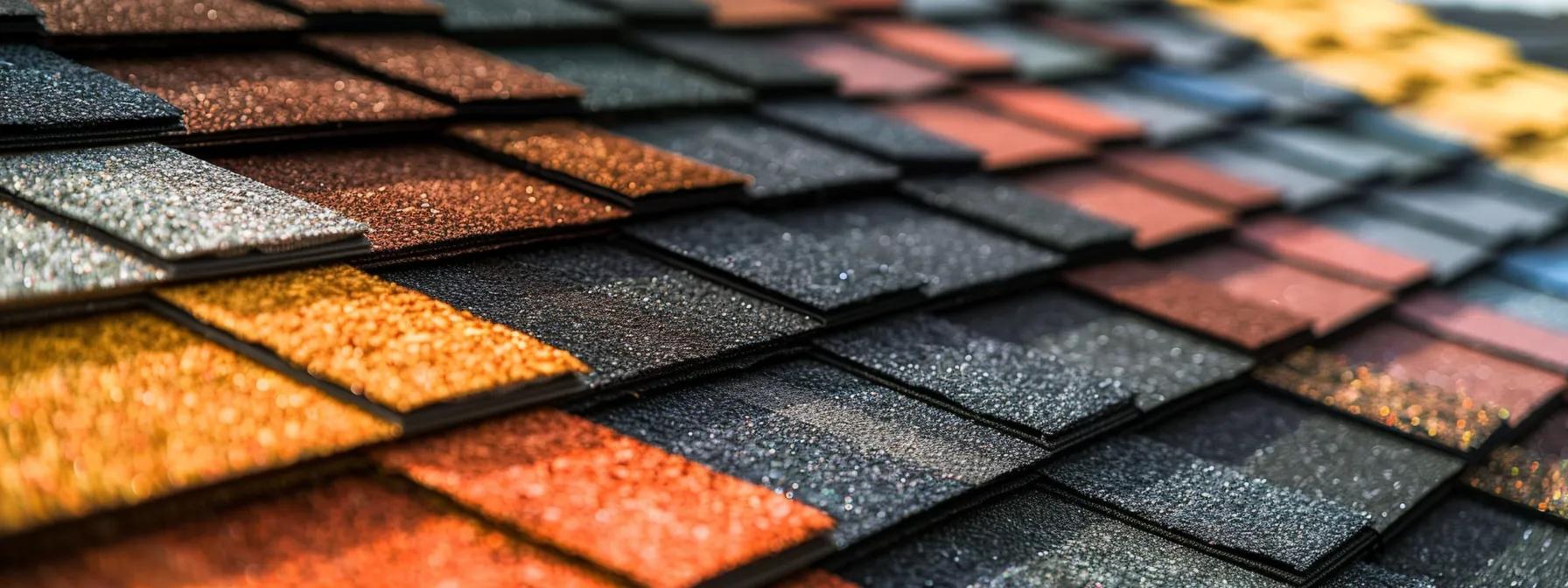
Affordable roofing and premium roofing materials differ in design, cost, durability, and performance. Homeowners and roofing contractors must balance budget with the need for longevity and style when choosing a roofing system. This article compares affordable and premium roofing by discussing cost, lifespan, energy efficiency, installation, and maintenance considerations. By understanding these differences, readers can make informed decisions that balance initial expenses with long-term benefits. Throughout, technical terms such as asphalt shingle, metal roofing, slate, and tile are discussed in relation to durability, weather resistance, and energy efficiency. Real-world examples illustrate how each material performs under conditions such as ultraviolet exposure, hail, and wind. Topics like installation, repair costs, and maintenance requirements are also examined to provide a comprehensive overview of each option. With a focus on both affordability and premium quality, this guide is designed to help homeowners weigh the benefits of low-cost options against higher-end alternatives. While affordable roofing presents a lower initial investment, premium materials can offer advantages in durability, energy savings, and reduced maintenance over time.
What Are the Main Differences Between Affordable and Premium Roofing Materials?
Affordable roofing materials are characterized by a lower initial cost and wide accessibility. Common options include asphalt shingles and some standardized metal roofs. They are mass-produced to meet basic building codes and provide adequate weather protection, though they generally have a shorter lifespan.
In contrast, premium roofing materials—such as slate, clay or concrete tiles, high-end metal, and composite systems—are manufactured with superior components and techniques. For example, slate roofs can last up to 100 years and offer both aesthetic appeal and exceptional resistance to ultraviolet exposure and severe weather. Premium options often include advanced insulation or reflective coatings enhancing energy efficiency. They require skilled installation, which, while more costly, contributes to their increased longevity and performance.
Ultimately, the choice depends on value priorities: affordable materials may suit those with tighter budgets for shorter-term solutions, while premium options offer long-term quality, design, and reduced maintenance.
Which Roofing Materials Are Considered Affordable?
Affordable options include asphalt shingles, basic metal panels, and rolled roofing. Asphalt shingles are popular due to their low cost, ease of installation, and widespread availability. Basic metal roofs, made from treated steel or aluminum, offer reasonable durability without the premium price of metals like copper. Rolled roofing serves as a budget-friendly solution for small or flat roofs.
These materials meet standard industry specifications, come in pre-packaged quantities, and typically have lifespans around 15 to 30 years. Their simple installation reduces labor costs, making them attractive for those needing immediate cost savings despite potentially earlier replacement or more frequent maintenance.
What Defines Premium Roofing Materials?
Premium roofing materials are defined by their exceptional quality, aesthetics, durability, and extended lifespan. Examples include slate, clay tile, and high-performance metal roofing. Slate, known for its natural beauty and texture, can last 50 to 100 years and withstand harsh weather including heavy rain, snow, and hail. Premium materials are made with advanced manufacturing techniques and are supported by longer warranties.
The installation process for premium roofs requires skilled labor and specialized techniques, contributing to their higher cost. However, these roofs often deliver improved energy efficiency through reflective surfaces or superior insulation and offer a reduced environmental impact by using sustainable or recycled components. Their attractive appearance also adds curb appeal and market value to a property.
How Do Material Types Affect Roof Performance and Appearance?
The choice of roofing material directly influences both performance and appearance. Affordable materials like asphalt shingles provide reliable waterproofing and basic protection against weather but may have a plain appearance owing to their mass-produced, uniform design. They come in several colors but lack the texture and varied look of premium materials.
Premium materials, such as slate, metal, or clay tiles, offer distinct aesthetics with natural color variations and unique textures, thereby enhancing curb appeal. In addition to visual benefits, premium roofs usually outperform affordable ones in extreme weather resistance, fire ratings, and insulation. Their design and installation techniques also contribute to improved energy efficiency and longevity.
How Much Does Affordable Roofing Cost Compared to Premium Options?

Cost comparisons extend beyond material price. Affordable roofing systems, exemplified by asphalt shingles, usually cost between $1.50 and $5 per square foot, with lower labor costs due to simpler installation techniques. Overall, installation remains budget-friendly for homeowners on tight budgets.
Premium roofing, by contrast, may cost from $10 to $30 or more per square foot due to superior quality, intricate manufacturing, and specialized installation requirements. Although the upfront cost is higher, premium roofs offer extended lifespans—often over 50 years—and can result in lower maintenance costs and better energy savings in the long term.
Hidden financial considerations include potential increases in energy bills if insulation is lacking in affordable roofs. Conversely, premium roofs’ energy-efficient features may offset their higher initial cost over time through reduced cooling and heating expenses. Homeowners should conduct a thorough cost-benefit analysis considering both immediate and future expenses.
What Are the Typical Material and Labor Costs for Affordable Roofing?
For affordable roofing, material costs are low—typically $1.50 to $5 per square foot for asphalt shingles and $3 to $7 for basic metal panels. Labor costs are modest due to the simplicity of the installation process, which many contractors can perform quickly. Total installation costs usually range from $3 to $10 per square foot. These systems often include basic warranties covering short-term performance issues, making them a practical choice for budget-conscious projects despite the possibility of more frequent future repairs.
How Do Premium Materials Impact Installation and Labor Expenses?
Premium roofing materials require skilled labor and specialized installation techniques, which lengthen installation time and increase labor costs. For instance, installing slate demands precise cutting and alignment, often costing two to three times more in labor compared to asphalt shingles. Although the material cost per square foot is higher, the overall cost is partly justified by the enhanced durability and lower maintenance frequency of premium roofs. Additionally, premium systems typically come with extended warranties that cover both materials and workmanship, providing long-term assurance to homeowners.
What Are the Hidden Costs and Long-Term Financial Considerations?
Hidden costs in roofing can include structural repairs during installation, increased insurance premiums, or potential energy inefficiency if the roof is poorly insulated. Affordable roofing may incur frequent minor repairs and earlier replacement costs. Premium roofs, though initially more expensive, tend to require fewer repairs and less frequent maintenance, potentially lowering overall lifecycle expenses. Energy-efficient features of premium roofs, like advanced insulation and reflective coatings, may save on utility bills, adding beneficial long-term value.
What Are the Lifespan and Durability Differences Between Affordable and Premium Roofing?
The lifespan of affordable roofing materials such as asphalt shingles is generally 15 to 30 years. They are designed for standard weather conditions but may deteriorate faster in harsh climates, resulting in earlier repairs and replacement. Their durability depends significantly on proper maintenance.
In contrast, premium roofing materials like slate, clay, or high-end metal roofs are engineered for considerably longer lifespans—often 50 to 100 years. Their robust construction makes them more resistant to fading, water infiltration, and wind uplift. Although premium roofs come with a higher initial price and require skilled installation, the cost is offset by their prolonged durability and reduced need for frequent repairs.
How Long Do Common Affordable Materials Like Asphalt Shingles Last?
Asphalt shingles typically last about 15 to 30 years, depending on factors such as installation quality, local climate, and maintenance. In moderate weather conditions, they can reach the higher end of this range. However, extreme weather or poor maintenance can shorten their lifespan, necessitating more frequent repairs or replacement.
What Is the Expected Lifespan of Premium Materials Such as Metal and Tile Roofing?
Premium roofing materials like metal roofs can last 40 to 70 years, while tile roofs, including both clay and concrete options, can easily last 50 to 100 years. These materials are designed to resist harsh weather, ultraviolet exposure, and other environmental stresses. Their long lifespan means that despite higher upfront costs, they provide a better return on investment over time due to fewer maintenance needs and longer periods between replacements.
How Does Weather and Climate Affect Material Durability?
Weather and climate are critical factors impacting roofing durability. Affordable roofs, like those using asphalt shingles, may suffer faster degradation under extreme conditions such as heavy rainfall, high winds, hail, or intense UV exposure. Premium materials are engineered to withstand such stresses. For example, slate and high-end metal roofs maintain integrity in severe weather and resist issues like corrosion or mold even in humid or coastal climates. Proper ventilation and maintenance further enhance the longevity of any roofing system.
What Are the Energy Efficiency and Maintenance Requirements Compare Between Roofing Options?
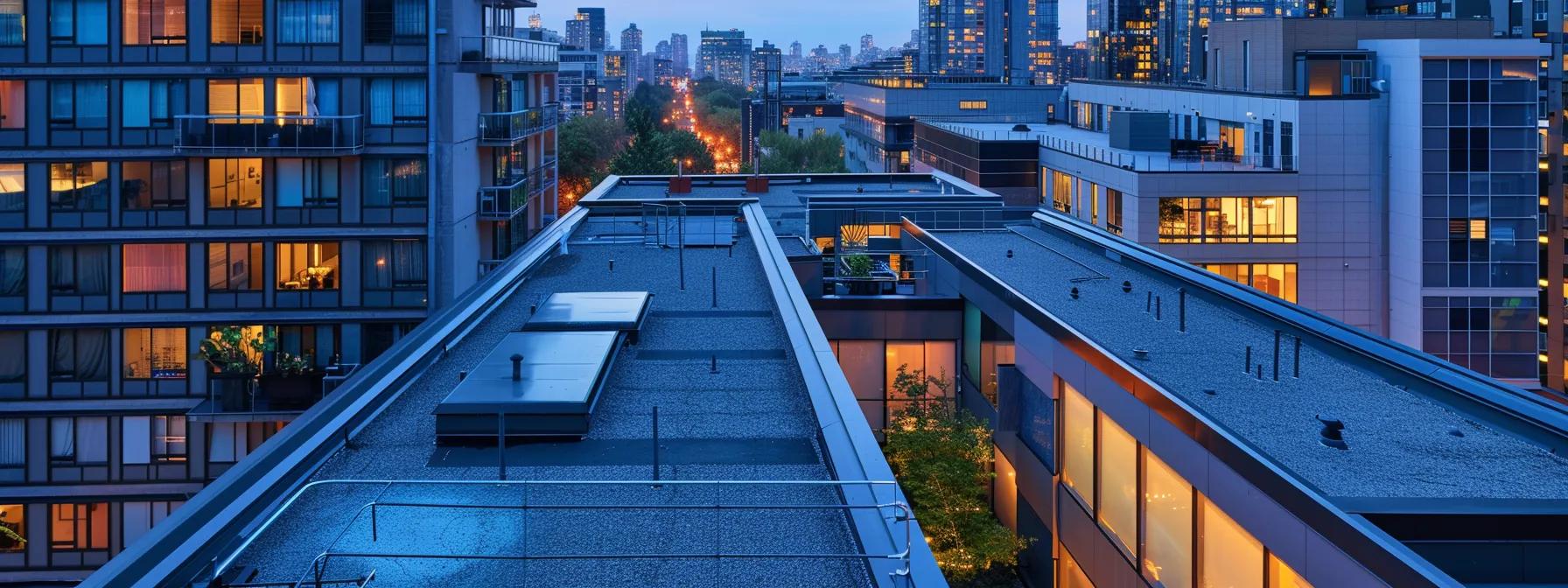
Affordable roofing may incorporate basic energy-saving features like reflective coatings on asphalt shingles or basic metal panels. These help reduce heat buildup, though not as effectively as premium options. However, affordable roofs often require more frequent maintenance—such as cleaning, minor leak repairs, or re-coating—due to their shorter lifespan.
Premium roofing systems are typically designed with energy efficiency in mind. For instance, premium metal roofs come with high-quality insulation and advanced reflective coatings that lower energy transfer, thus reducing cooling and heating costs. They also require less frequent maintenance, as their robust construction minimizes the need for repairs. Extended warranties and maintenance guidelines further support their long-term performance, making them more cost-effective over time.
Which Affordable Roofing Materials Offer Energy Savings?
Some affordable roofing options, like reflective asphalt shingles or basic metal roofs with special finishes, offer moderate energy savings. Their reflective surfaces help deflect solar radiation, leading to reduced indoor temperatures and lower energy bills under warm conditions. Although they do not match the performance of premium systems, they represent a practical balance between initial cost and energy efficiency.
What Maintenance Is Needed for Premium Roofing Materials?
Premium roofing typically requires periodic inspections—about once or twice a year—to ensure components such as tiles or metal panels remain secure. Maintenance tasks include cleaning gutters, checking for loose or damaged elements, and applying protective coatings if needed. Adhering to manufacturer guidelines is essential to preserve warranty coverage while minimizing the need for extensive repairs. Overall, premium roofs demand less frequent—but more skilled—maintenance compared to affordable options.
How Can Proper Maintenance Extend Roof Lifespan Regardless of Material?
Regular, proactive maintenance can extend any roof’s lifespan. Timely inspections, cleaning of gutters and debris, prompt leak repairs, and ensuring proper ventilation all help prevent minor issues from developing into major problems. With consistent upkeep—regardless of whether the material is affordable or premium—homeowners can maintain both the performance and aesthetic appeal of their roofs while avoiding costly repairs over time.
How Should Homeowners Choose Between Affordable and Premium Roofing Materials?
Choosing the right roofing material requires balancing budget, durability, energy efficiency, aesthetics, and local building codes. Homeowners with limited budgets may opt for affordable materials that provide immediate cost savings, even if those roofs require more frequent maintenance. Conversely, if long-term durability and reduced maintenance are priorities, premium materials are likely the better investment despite the higher initial cost.
Other important considerations include local climate and weather conditions, which can influence the roof’s performance and lifespan, as well as building codes that may dictate certain material standards. When consulting roofing contractors, homeowners should ask about warranty terms, expected lifespan, performance under local conditions, and overall cost—including hidden expenses. Comparing multiple quotes and reviewing contractor references can further guide an informed decision.
What Factors Should Influence Your Roofing Material Choice?
Key factors include: – Material cost versus long-term savings – Durability and resistance to local weather extremes (e.g., hail, wind, snow) – Energy efficiency features such as insulation and reflective coatings – Aesthetic appeal and how well the material complements the home’s architecture – Compliance with local building codes and safety standards – Warranty coverage and maintenance requirements
How Do Local Building Codes and Weather Conditions Affect Material Selection?
Local building codes may require materials with specific fire resistance, wind uplift ratings, or structural integrity standards. In harsh climates with high winds, heavy rain, or intense sunlight, choosing materials that perform reliably under these conditions is essential. For instance, in coastal areas, materials with corrosion-resistant properties are preferred. Homeowners should consult with local contractors who understand regional requirements to ensure the selected roofing system meets all necessary standards.
What Questions Should You Ask Your Roofing Contractor?
When consulting a contractor, ask: – What is the expected lifespan of this roofing material? – What warranties are offered for both materials and workmanship? – How does this material perform under local weather conditions? – What maintenance and repairs are typically required over its lifespan? – Can you provide references for similar projects? These questions help clarify hidden costs and overall investment value, ensuring the chosen system meets both performance and budgetary needs.
What Are the Installation and Repair Considerations for Affordable vs. Premium Roofing?
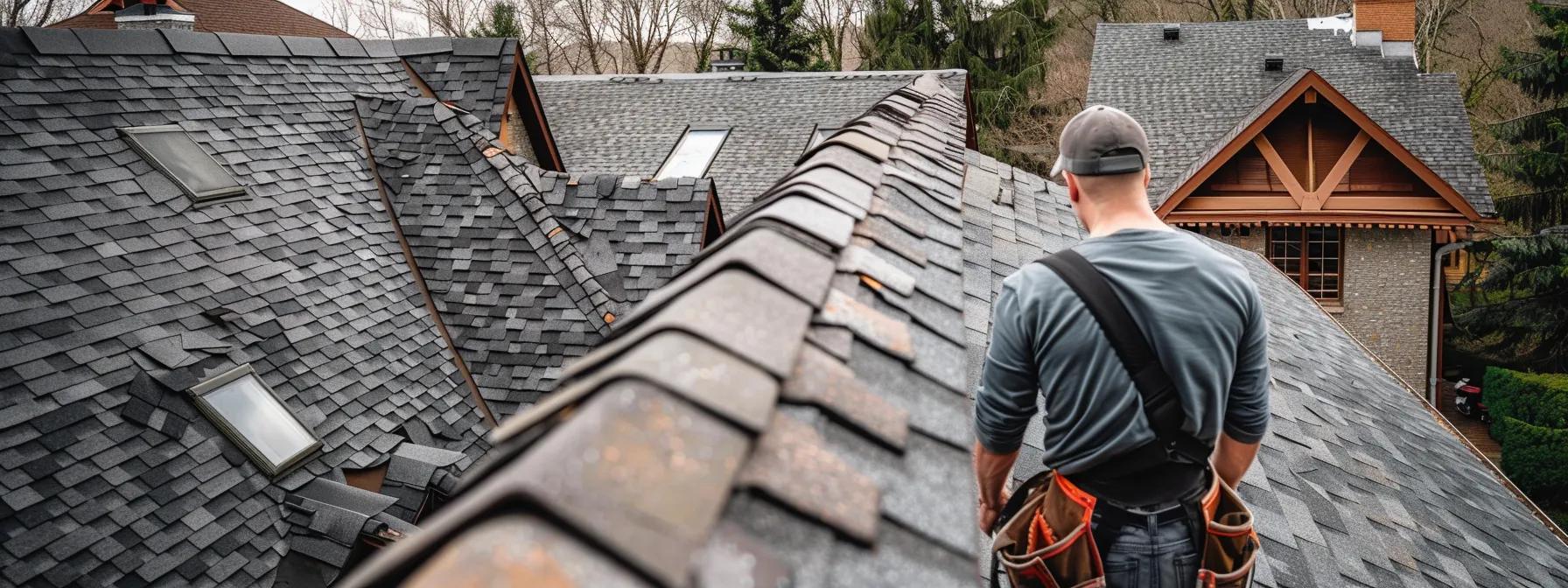
Installation and repair considerations vary greatly. Affordable roofing materials like asphalt shingles are simple to install using standard tools, resulting in lower labor costs. However, these systems may require more frequent repairs over time.
Premium roofing materials, such as slate or high-end metal, demand specialized installation techniques and skilled labor, increasing initial labor costs. Despite this, premium roofs typically experience fewer issues and longer intervals between repairs, which can lead to lower long-term maintenance expenses.
How Does Installation Differ Between Asphalt Shingles and Metal Roofing?
Asphalt shingle installation is straightforward, involving overlapping layers secured with nails. Contractors can install them quickly with minimal specialized labor. Metal roofing, on the other hand, requires precise alignment and specialized fasteners due to thermal expansion and contraction. Additional preparatory work—such as reinforcing the roof deck or improving insulation—may also be necessary for metal roofs, leading to higher installation costs.
What Are Common Repair Needs for Affordable Roofing Materials?
Affordable roofs can experience issues like cracked or curled shingles, water leaks, and granule loss over time. Regular inspections are needed to address minor damages before they develop into larger problems. Although the cost of individual repairs is low, the cumulative expense over a shorter lifespan can be significant.
How Do Premium Materials Affect Repair Frequency and Costs?
Premium roofing materials require fewer, less frequent repairs because of their superior durability. When repairs are necessary, skilled labor is often required to match the material’s high standards, though overall repair frequency is lower. This reduction in routine repair needs often makes premium roofs more cost-effective in the long run.
What Are the Most Frequently Asked Questions About Affordable and Premium Roofing?
Frequently asked questions help summarize key points and guide homeowners in their decision-making.
What Is the Best Roofing Material for My Budget and Climate?
The best roofing material depends on budget and local climate. For temperate climates with modest budgets, affordable options like asphalt shingles provide a cost-effective solution. In contrast, for areas with severe weather, premium materials such as slate, metal, or clay tiles offer superior durability and energy efficiency.
How Long Will My Roof Last With Affordable vs. Premium Materials?
Affordable roofing materials generally last 15 to 30 years, while premium materials can exceed 50 years with proper maintenance. Longevity depends on local weather, installation quality, and routine upkeep.
Are Premium Roofing Materials Worth the Extra Cost?
Premium roofing materials often justify their higher initial cost with advantages such as enhanced durability, lower maintenance, improved energy efficiency, and better aesthetics, which may result in long-term savings.
How Can I Maximize Energy Efficiency With My Roofing Choice?
Choose roofing materials with high reflectivity and quality insulation. Premium options tend to offer these features, and pairing them with good ventilation and attic insulation further reduces energy costs.
What Maintenance Tips Should I Follow for a Long-Lasting Roof?
Regular inspections, timely repairs, cleaning gutters, and adherence to manufacturer guidelines are key to prolonging roof life. These practices apply to both affordable and premium roofing systems.
Final Thoughts
Choosing between affordable and premium roofing materials involves balancing immediate costs with long-term benefits. Affordable materials offer lower upfront expenses and easier installation but may require more frequent repairs and earlier replacement. Premium materials, while more costly initially, provide superior durability, energy efficiency, and aesthetic appeal over a longer lifespan. Homeowners should consider local climate, building codes, and maintenance needs, and consult reputable roofing contractors to make the best decision for their property.
Frequently Asked Questions
Q: What factors should I consider when choosing between affordable and premium roofing? A: Consider material cost, installation complexity, durability, energy efficiency, maintenance requirements, local climate, and building codes. Weigh both upfront and long-term savings.
Q: How can affordable roofing materials be energy efficient? A: Some affordable options, such as reflective asphalt shingles or basic metal roofs with coatings, reduce heat buildup, lowering energy costs, though they may not match the performance of premium products.
Q: Are premium roofing materials a better option in extreme weather conditions? A: Yes, premium materials like slate, clay, and high-end metal are designed to withstand severe weather, such as high winds and heavy rain, providing better durability and reduced maintenance.
Q: What is the overall lifespan difference between affordable and premium roofing systems? A: Affordable roofing systems typically last 15 to 30 years, whereas premium options can last 50 years or more, offering a longer return on investment.
Q: How does maintenance differ between affordable and premium roofs? A: Affordable roofs generally require more frequent repairs and inspections, while premium roofs benefit from extended intervals between maintenance activities and lower overall repair frequency.
Q: Can proper maintenance extend the life of any roofing system? A: Absolutely. Regular inspections, repairs, and cleaning can significantly extend the lifespan of both affordable and premium roofing systems.
Q: Is the higher cost of premium roofing justified by its benefits? A: For many homeowners, yes. Improved durability, energy efficiency, aesthetic appeal, and reduced maintenance needs often justify the higher initial investment.