


Energy-Efficient Roof Repair Tips for Homeowners: Practical Solutions to Lower Energy Bills and Improve Comfort
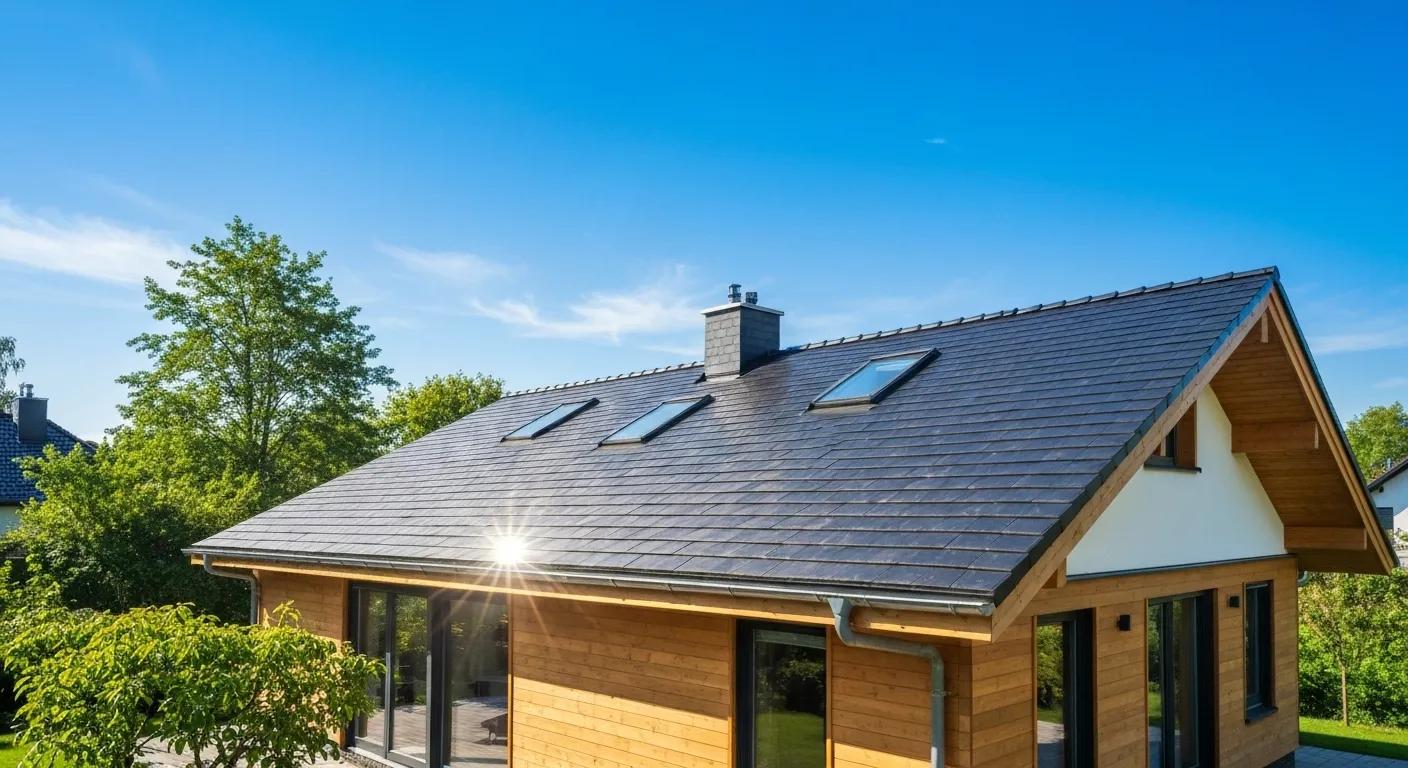
Leaky shingles, inadequate insulation, and trapped attic heat can drive up household energy use by as much as 30 percent, making targeted roof repairs essential for homeowners seeking to reduce utility costs and stabilize indoor temperatures. This guide delivers clear, actionable diagnosis methods for identifying energy loss, proven repair and upgrade options, comparisons of high-performance roofing materials, and smart maintenance practices—all designed to deliver lasting comfort and savings. It also highlights how professional services from Evernew Roofing can streamline energy-efficient repairs, from material selection in our Atlas catalog to seamless project execution and an instant quote process.
What Causes Energy Loss in Roofs and How Can Homeowners Identify It?
Roof energy loss results when heat moves through or accumulates beneath the roof structure, forcing HVAC systems to run longer and increasing bills. Pinpointing these issues helps homeowners prioritize effective repairs that lower energy use, extend roof life, and improve comfort.
How Does Heat Transfer Affect Roof Energy Efficiency?
Heat transfer through conduction, convection, and radiation undermines a roof’s thermal barrier, increasing energy bills and interior temperature swings. For example, metal roofing without adequate under-deck insulation conducts summer heat directly into the attic, raising cooling loads. Insulating roof decks and attic floors restores thermal resistance, reducing HVAC runtime and protecting roofing materials from thermal stress.
What Are Common Insulation Gaps and Energy Leaks in Roofs?
Attic insulation gaps often occur at framing members, plumbing vents, and recessed lighting penetrations, allowing warm or cool air to bypass the insulation layer. In one case, missing batts around ductwork reduced attic R-value by 20 percent, leading to uneven room temperatures. Sealing these gaps with spray foam or rigid board insulation immediately restores continuous thermal performance and prevents energy-wasting airflows.
How Does Poor Attic Ventilation Increase Energy Costs?
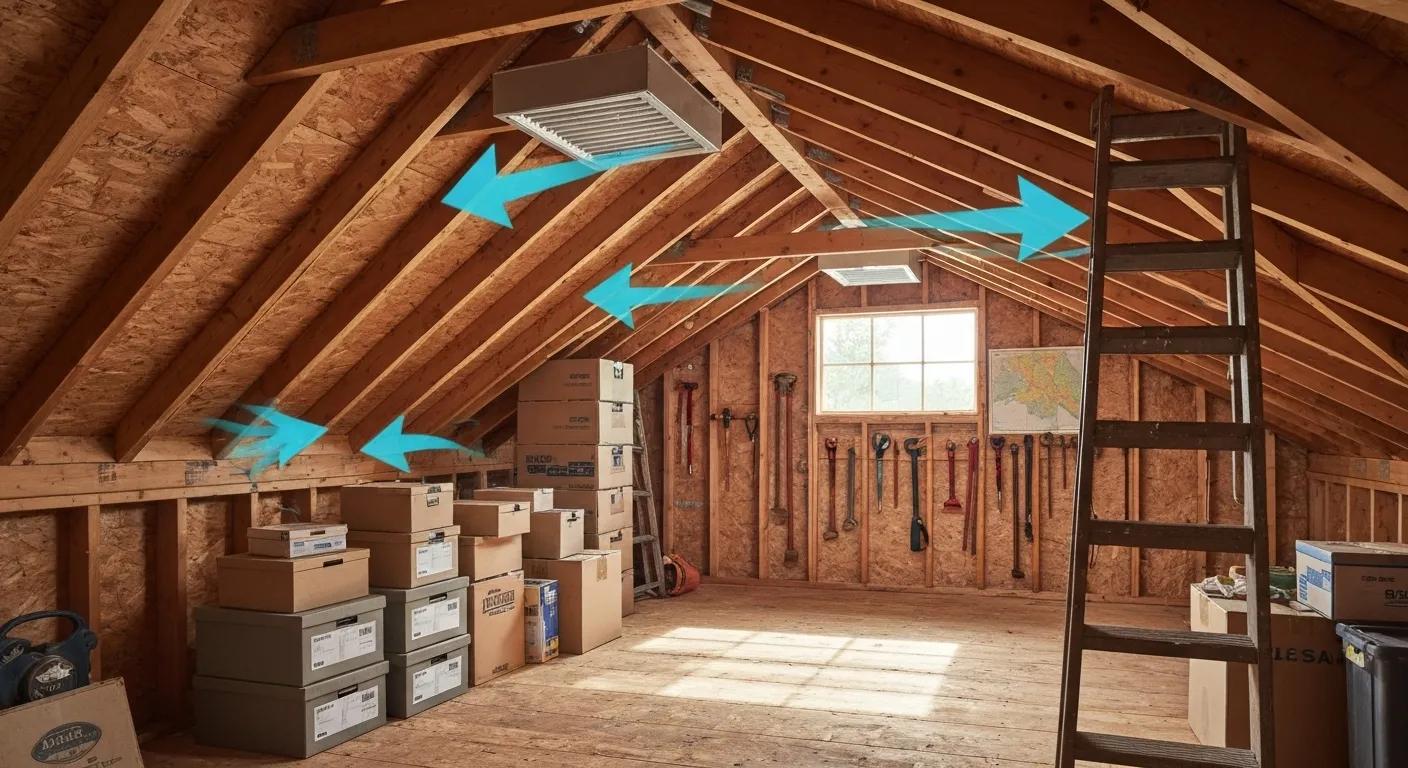
Inadequate attic ventilation traps hot, moist air under the roof deck, driving up attic temperatures and transferring heat to living spaces. Trapped humidity can also degrade insulation performance. Installing balanced ridge vents, soffit vents, and solar-powered attic fans lowers peak attic heat by up to 30 °F, reduces moisture buildup, and eases HVAC workload.
Why Do Dark Roof Colors Lead to Higher Heat Absorption?
Dark roofing materials absorb more solar radiation and convert it to heat, significantly raising surface temperatures. A black shingle roof can reach 150 °F on a summer afternoon, whereas a white or light-gray surface may stay near 90 °F. Upgrading to reflective coatings or cool shingles can cut absorbed heat by up to 70 percent, reducing attic heat gain and stabilizing indoor climates.
Which Energy-Efficient Roof Repair and Upgrade Options Are Most Effective?
Energy-efficient repairs reinforce thermal barriers, improve airflow, and enhance surface reflectivity to slash energy bills and extend roof lifespan. Homeowners should match solutions to specific leak sources, insulation deficits, and reflectivity needs.
How Do Cool Roof Coatings Reduce Heat Absorption?
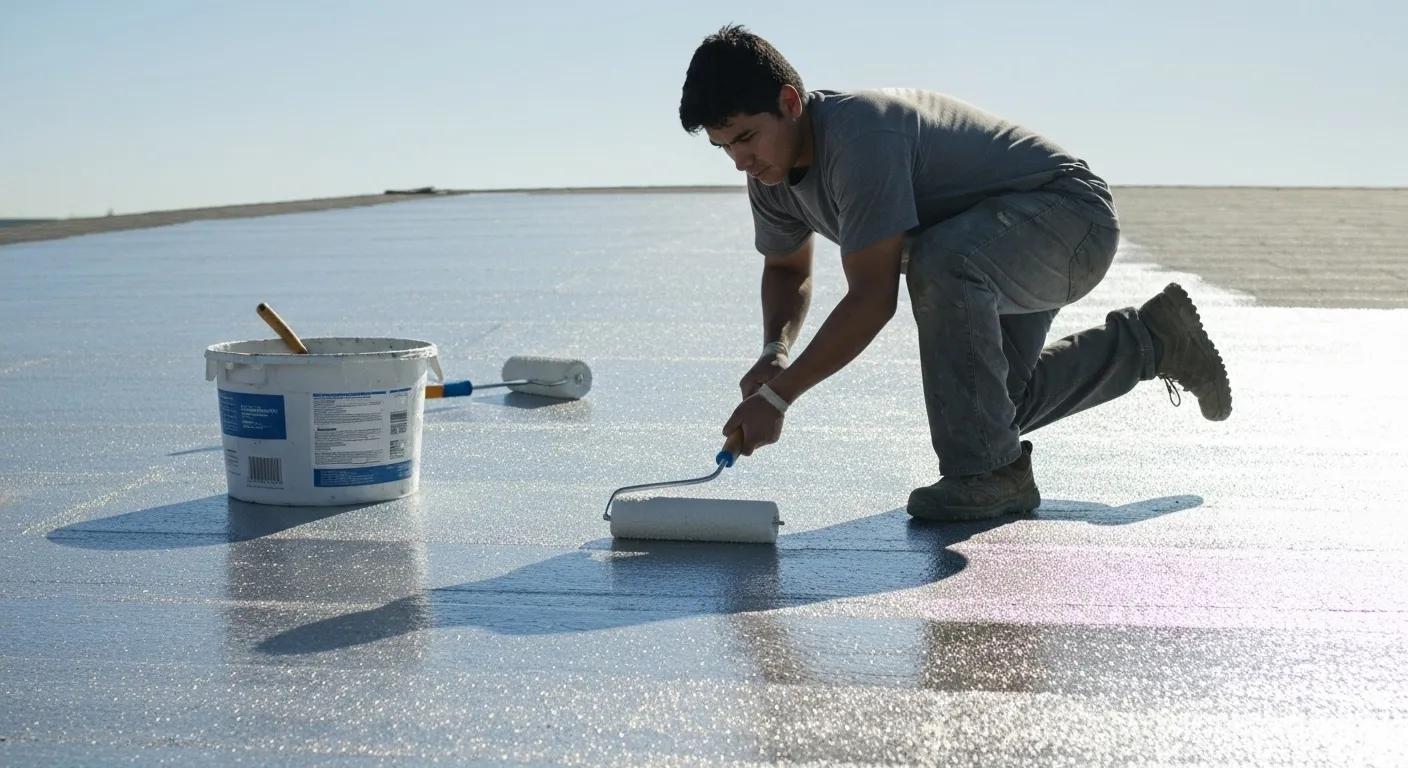
Cool roof coatings use high-albedo pigments and reflective polymers to scatter infrared radiation and boost emissivity, cutting solar heat gain by as much as 50 percent. Applying an acrylic elastomeric coating on asphalt shingles can lower roof deck temperatures by 20 °F, directly reducing air-conditioning demand.
When Should You Upgrade Attic Insulation for Better Energy Savings?
Attic insulation upgrades are most cost-effective when existing R-value falls below local climate recommendations (often R-38 to R-60) or when homeowners notice uneven temperatures or high energy bills. Installing high-density cellulose or closed-cell spray foam boosts thermal resistance, seals air leaks, and can yield 10–20 percent annual energy savings.
What Are the Benefits of Installing Ridge Vents, Soffit Vents, and Attic Fans?
Ridge and soffit vents create passive convection that expels hot attic air, while electric or solar attic fans add active ventilation during peak heat. This combination lowers attic peak temperatures by up to 30 °F, prevents moisture accumulation, and maintains consistent indoor conditions with less HVAC strain.
How Can Reflective Shingle Replacement Improve Roof Efficiency?
ENERGY STAR® rated reflective shingles incorporate ceramic-coated granules that increase solar reflectance and thermal emittance, reducing surface temperatures by up to 25 °F compared to conventional shingles. Replacing worn shingles with cool asphalt options improves roof durability and offers immediate cooling benefits.
What Minor Roof Repairs Help Seal Energy Leaks?
Sealing gaps around flashing, chimneys, and roof vents with high-performance sealants and metal flashing restores the roof’s weather-tight envelope. For instance, applying curb-mounted flashing around a skylight stops wind-driven rain and prevents warm attic air from escaping—recovering an estimated 5–10 percent of wasted energy.
What Are the Best Energy-Efficient Roofing Materials for Repairs?
Selecting the right repair material balances upfront cost, climate suitability, and efficiency metrics such as Solar Reflectance Index (SRI) and emissivity. The table below compares leading options across core attributes.
What Are the Key Benefits of Energy-Efficient Roof Repairs for Homeowners?
Energy-efficient roof repairs deliver measurable value in savings, comfort, and property appeal.
- Lower Energy Bills – Enhanced insulation and reflectivity can slash heating and cooling costs by up to 20 percent, reducing HVAC wear and monthly expenses.
- Improved Indoor Comfort – Stabilized attic temperatures eliminate hot spots and drafts, providing consistent living conditions year-round.
- Extended Roof Lifespan – Reduced thermal cycling lessens shingle cracking and membrane fatigue, extending service life by years.
- Environmental Impact – Reflective surfaces and lowered HVAC usage mitigate urban heat islands and cut household carbon emissions.
- Increased Home Value – Energy-efficient upgrades are recognized by buyers as premium features, often boosting resale prices by 3–5 percent.
These benefits reinforce long-term value and support a compelling return on repair investments.
How to Choose the Right Energy-Efficient Roofing Contractor for Repairs?
Partnering with a certified, experienced contractor ensures energy-efficiency measures are installed correctly and perform as promised.
- Certifications Matter – Look for CRRC-certified installers and ENERGY STAR® partners who follow tested reflectivity and emittance standards.
- Material Expertise – Contractors with a track record of cool coatings, metal roofing, and radiant barrier installations understand specialized application techniques.
- Local Incentives – A knowledgeable roofer will identify regional rebates, tax credits, and utility incentives that offset upgrade costs.
- Warranty & Service – Seek multi-year workmanship warranties and manufacturer guarantees that protect performance and offer peace of mind.
Choosing the right team aligns repair execution with efficiency goals and safeguards long-term results.
How Can Homeowners Maintain Their Energy-Efficient Roof Repairs for Long-Term Savings?
Ongoing maintenance preserves the benefits of energy-efficient repairs and prevents performance loss.
- Regular Inspections – Spring and fall checks uncover coating wear, debris buildup, or flashing damage before issues escalate.
- Clean Reflective Surfaces – Gentle washing removes algae and dirt that degrade solar reflectance and emittance.
- Gutter Care – Clearing leaves and blockages ensures proper drainage, preventing moisture-related insulation damage.
- Ventilation Testing – Annual service of ridge vents, soffit vents, and attic fans maintains optimal airflow and moisture control.
Consistent upkeep upholds efficiency gains and extends the functional lifespan of roofing investments.
What Are Common Questions About Energy-Efficient Roof Repairs?
Homeowners often want simple, cost-effective paths to better energy performance without full roof replacement.
What Is the Most Energy-Efficient Roofing Material for Repairs?
Cool roof coatings on asphalt shingles or high-SRI metal panels deliver the quickest ROI by combining low application cost with substantial reflectivity improvements.
How Can I Make My Existing Roof More Energy Efficient Without Replacement?
Targeted sealing of flashing and vents, installation of radiant barriers, and application of reflective coatings boost thermal performance without the expense of a full reroof.
Do Cool Roofs Really Save Energy and Lower Bills?
Yes. Cool roofs reflect up to 70 percent of solar radiation and emit absorbed heat, reducing attic temperatures and cutting cooling costs by 10–20 percent in warm climates.
Energy Savings from Cool Roofs
Cool roofs, which use reflective coatings or materials, can significantly reduce energy consumption by reflecting sunlight and lowering roof surface temperatures. Research indicates that these roofs can decrease cooling costs by 10–20% in warm climates, leading to substantial savings for homeowners.
Is Roof Ventilation Important for Energy Efficiency?
Proper ventilation expels trapped heat and moisture, stabilizes attic conditions, protects insulation performance, and can lower HVAC runtime by 5–15 percent.
Attic Ventilation and Energy Efficiency
Proper attic ventilation is crucial for maintaining energy efficiency in a home. By expelling trapped heat and moisture, ventilation systems can reduce the strain on HVAC systems and protect insulation, potentially lowering energy consumption by 5–15%.
What Is a Cool Roof Coating and When Should It Be Applied?
A cool roof coating is a high-reflectance, elastomeric layer applied to shingles or metal, ideal in climates with significant cooling loads or when extending a roof’s life without full replacement.
Evernew Roofing’s professional energy-efficient solutions combine advanced diagnostics, expert material selection from our Atlas catalog, and skilled installation teams—backed by CRRC and ENERGY STAR® credentials—to deliver lasting comfort, lower bills, and increased home value. Request an instant quote today and take the first step toward a more efficient, resilient roof.
Frequently Asked Questions
What are the signs that my roof needs energy-efficient repairs?
Homeowners should look for several indicators that their roof may require energy-efficient repairs. Common signs include noticeable temperature fluctuations in different rooms, increased energy bills, and visible damage such as cracked or missing shingles. Additionally, if you notice ice dams forming in winter or excessive heat buildup in the attic during summer, these can signal inadequate insulation or ventilation. Regular inspections can help identify these issues early, allowing for timely repairs that enhance energy efficiency.
How can I improve my roof’s energy efficiency without a complete overhaul?
Improving your roof’s energy efficiency can often be achieved through targeted upgrades rather than a full replacement. Homeowners can seal gaps around vents and flashing, apply reflective coatings, or install radiant barriers to enhance thermal performance. Additionally, upgrading attic insulation to meet or exceed local R-value recommendations can significantly reduce energy loss. These measures are generally more cost-effective and can yield substantial energy savings without the need for a complete roof overhaul.
What role do solar shingles play in energy efficiency?
Solar shingles serve a dual purpose by providing a roofing solution while generating electricity. These shingles are designed to blend seamlessly with traditional roofing materials, making them an aesthetically pleasing option for homeowners. By converting sunlight into energy, solar shingles can significantly reduce reliance on grid electricity, leading to lower energy bills. Additionally, they contribute to energy efficiency by providing insulation and reducing heat absorption, making them a valuable investment for eco-conscious homeowners.
Are there any government incentives for energy-efficient roof upgrades?
Yes, many governments offer incentives for homeowners who invest in energy-efficient roofing upgrades. These can include tax credits, rebates, and grants aimed at promoting energy conservation and reducing carbon footprints. Programs may vary by location, so it’s essential to check with local utility companies or government websites for specific offerings. Engaging with a knowledgeable roofing contractor can also help identify available incentives that can offset the costs of energy-efficient improvements.
How often should I inspect my energy-efficient roof?
Regular inspections are crucial for maintaining the performance of an energy-efficient roof. Homeowners should aim to inspect their roofs at least twice a year, ideally in the spring and fall. Additionally, inspections should be conducted after severe weather events, such as heavy storms or hail. During these inspections, look for signs of wear, damage, or debris buildup that could hinder the roof’s efficiency. Early detection of issues can prevent costly repairs and ensure the roof continues to perform optimally.
What maintenance practices can extend the life of my energy-efficient roof?
To extend the life of an energy-efficient roof, homeowners should adopt a proactive maintenance routine. This includes regular cleaning of reflective surfaces to remove dirt and algae, which can diminish their effectiveness. Additionally, ensuring that gutters are clear of debris will promote proper drainage and prevent moisture-related damage. Regularly checking and maintaining ventilation systems, such as ridge and soffit vents, is also essential for optimal airflow and moisture control, which can significantly enhance the roof’s longevity.
Conclusion
Implementing energy-efficient roof repairs can lead to significant savings on utility bills, improved indoor comfort, and a longer-lasting roof. By addressing insulation gaps, enhancing ventilation, and selecting reflective materials, homeowners can create a more sustainable living environment. These upgrades not only benefit your wallet but also contribute positively to the environment and increase your home’s value. Discover how Evernew Roofing can help you achieve these benefits by requesting an instant quote today.