

Why Choose Energy-Efficient Roofing for Repairs?
When it comes to roofing repairs, homeowners often face the critical decision of whether to opt for traditional materials or energy-efficient options. Choosing energy-efficient roofing for repairs is a prudent investment that not only enhances the longevity of the home but also contributes significantly to energy conservation. Energy-efficient roofing materials, such as cool roofs or those with high insulation properties, reflect more sunlight and absorb less heat, which can lead to lower cooling costs during the warmer months. By switching to energy-efficient options, homeowners can experience reduced energy bills throughout the year, making their homes more comfortable and financially sustainable in the long run.
Moreover, energy-efficient roofing contributes to environmental sustainability by minimizing the ecological impact of residential energy consumption. Many energy-efficient roofing materials are designed to last longer and require fewer repairs over time, thus reducing landfill waste. Choosing such materials can align with a homeowner’s commitment to protecting the environment while simultaneously improving their property’s market value. Additionally, some energy-efficient roofing options come with tax incentives or rebates, providing an extra layer of savings. In summary, opting for energy-efficient roofing during repairs not only benefits the homeowner financially but also supports a greener, more sustainable future.
Introduction
Energy-efficient roof repairs optimize your home’s thermal performance by targeting existing roof components for upgrades that reduce energy consumption and lower utility bills. This approach addresses rising heating and cooling costs and uneven indoor temperatures while promising benefits like extended roof lifespan and increased property value. Homeowners will explore key advantages of energy-efficient roof repairs, learn how reflective coatings, insulation upgrades, and ventilation enhancements work, review top materials and financial incentives, recognize inefficiency signs, and discover why Evernew Roofing delivers tailored, cost-saving repair solutions.
What Are the Key Benefits of Energy-Efficient Roof Repairs?
Energy-efficient roof repairs enhance an existing roof’s thermal barrier to control heat gain in summer and heat loss in winter. By applying targeted measures—such as reflective coatings, insulation upgrades, and air sealing—homeowners gain measurable savings, greater indoor comfort, and environmental advantages.
Benefits of Energy-Efficient Roof Repairs
Energy-efficient roof repairs offer significant advantages, including reduced energy consumption, lower utility bills, and enhanced indoor comfort. These repairs work by improving the thermal resistance of the roof, which helps to control heat gain in the summer and heat loss in the winter, leading to measurable savings and environmental benefits.
This supports the article’s claims about the benefits of energy-efficient roofing.
How Do Energy-Efficient Repairs Lower Utility Bills?
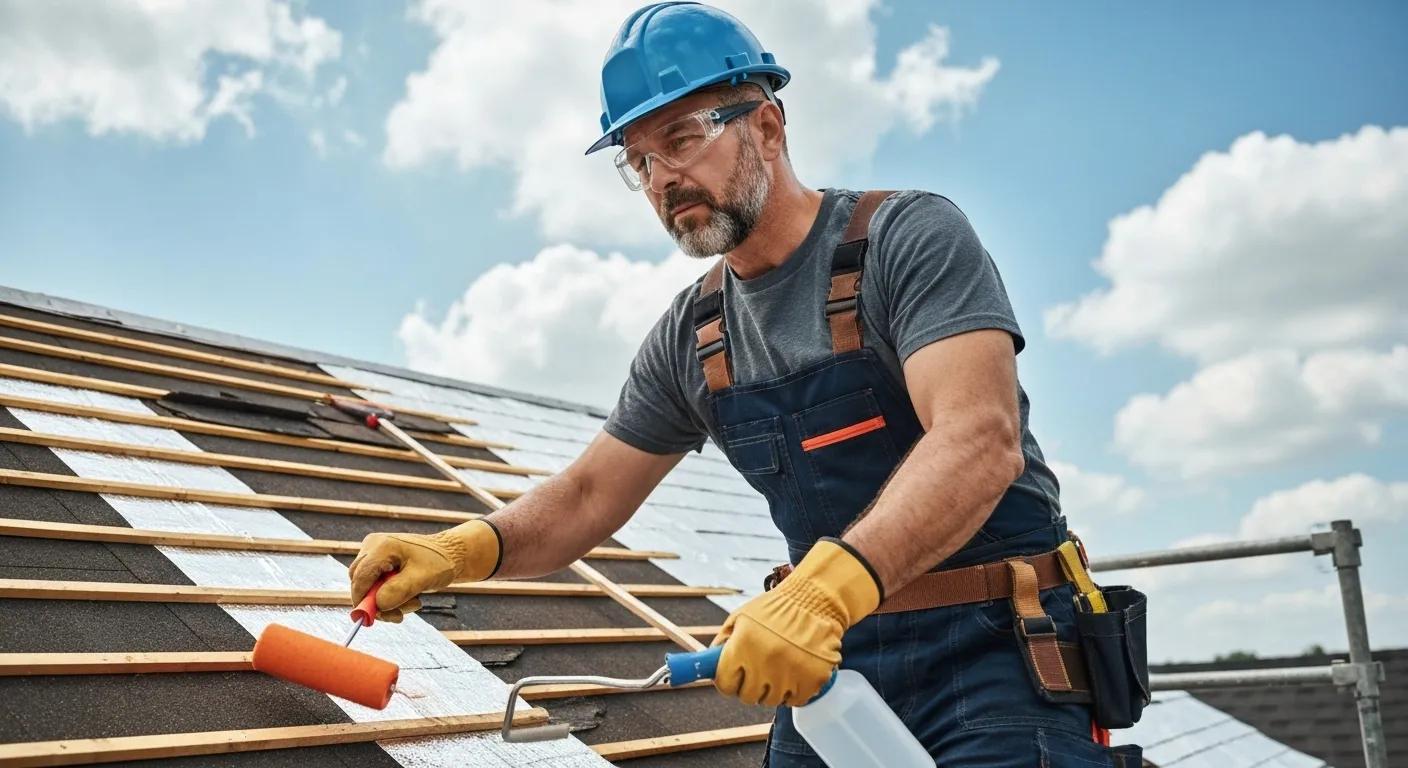
Energy-efficient repairs reduce energy consumption by reflecting solar radiation and improving thermal resistance, leading to annual HVAC cost savings of 10–20%.
- Upgrade reflective coatings to lower surface temperature.
- Increase attic insulation R-value to limit heat transfer.
- Seal gaps around roof penetrations to prevent conditioned air loss.
Lowering monthly utility bills naturally leads to improved indoor comfort year-round.
In What Ways Do Repairs Enhance Indoor Comfort?
Improved insulation and sealing stabilize indoor temperatures by minimizing hot spots and drafts. Enhanced roofing performance keeps living spaces cooler in summer and warmer in winter, ensuring consistent comfort that supports well-being and reduces temperature swings.
How Do Energy-Efficient Repairs Extend Roof Lifespan?
By reducing thermal cycling—extreme fluctuations in roof surface temperature—energy-efficient measures limit material expansion and contraction. This decreases the risk of cracks or membrane breakdown, extending service life and reducing future maintenance.
Can Energy-Efficient Repairs Increase Home Value?
Energy upgrades demonstrate sustainability and cost savings to buyers. Data indicates energy-efficient features can boost home value by 5–10% by improving market appeal, enhancing appraisal scores, and showcasing long-term savings potential.
What Environmental Impacts Result from Energy-Efficient Repairs?
Energy-efficient roofing lowers heating and cooling demand, cutting greenhouse gas emissions and mitigating urban heat island effects. Reflective surfaces and proper insulation collectively shrink a home’s carbon footprint and support eco-friendly living.
How Do Energy-Efficient Roof Repairs Work to Save Energy?
Energy savings stem from optimized material properties, improved insulation, and balanced ventilation. These mechanisms work together to minimize thermal transfer and regulate attic temperatures.
What Is the Role of Reflective Coatings and Cool Roof Technology?
Reflective coatings—acrylic or silicone blends with SRI values above 80—deflect a large portion of solar energy, reducing roof deck temperatures by up to 50 °F. This solar heat reflection decreases heat transfer into living spaces and lowers cooling loads on HVAC systems.
Impact of Reflective Coatings
Reflective coatings, such as acrylic or silicone blends, are a key component of energy-efficient roofing. These coatings have high Solar Reflectance Index (SRI) values, which means they can deflect a significant portion of solar energy, thereby reducing roof deck temperatures and lowering cooling loads on HVAC systems.
This citation supports the article’s discussion of reflective coatings and their role in energy efficiency.
How Does Improved Insulation and Air Sealing Reduce Heat Transfer?
High-R-value insulation within roof decks or attics acts as a thermal barrier that slows conductive heat flow. Air sealing around vents, chimneys, and penetrations prevents convective heat movement, keeping conditioned air inside and unconditioned air out.
Why Is Proper Ventilation Important in Energy-Efficient Repairs?
Balanced attic ventilation regulates temperature and moisture, preventing heat buildup and condensation. Ridge vents, soffit vents, and attic fans remove hot air, maintaining a stable thermal environment that protects insulation performance and reduces HVAC strain.
What Types of Energy-Efficient Roofing Materials Are Used in Repairs?
Selecting the right repair materials determines the success of energy-efficient solutions. Durable, certified products deliver measurable performance and long-term reliability.
Comparing materials helps homeowners choose solutions that match budget, climate, and aesthetics. Discover certified options in our Atlas catalog for optimized energy savings and durability.
How Do Cool Roof Coatings Improve Roof Efficiency?
Cool roof coatings apply a reflective film that deflects sunlight before it penetrates roofing substrates. This lowers the roof deck temperature, reduces heat transfer into living spaces, and decreases interior cooling loads during peak sun exposure.
What Are Energy-Efficient Asphalt Shingles and Their Advantages?
Energy-efficient asphalt shingles embed cooling granules and high-reflectance pigments to boost solar reflectance. ENERGY STAR certification ensures they deliver cost-effective performance improvements on existing asphalt roofs.
When Is Metal Roofing Suitable for Energy-Efficient Repairs?
Metal panels with factory-applied reflective coatings provide immediate solar deflection and long-term durability. Ideal for moderate to steep slopes, metal roofing supports snow shedding, resists corrosion, and maintains consistent reflectivity over decades.
How Do Tile and Synthetic Roofing Materials Contribute to Efficiency?
Tile and synthetic panels combine thermal mass with built-in insulation layers that absorb and slowly release heat. This delayed heat flux reduces peak energy demand on HVAC systems, especially where day-to-night temperature swings are significant.
What Financial Incentives Are Available for Energy-Efficient Roof Repairs?

Homeowners can offset upgrade costs through federal, state, and utility programs that reward energy-efficient improvements.
Financial Incentives for Energy-Efficient Roofing
Homeowners can take advantage of various financial incentives to offset the costs of energy-efficient roof repairs. These incentives include federal tax credits, state and local rebates, and utility company grants, which can significantly reduce out-of-pocket expenses and accelerate the return on investment for homeowners.
This citation supports the article’s section on financial incentives for energy-efficient roof repairs.
Leveraging these programs reduces out-of-pocket expenses and accelerates return on investment.
Which Federal Tax Credits Apply to Energy-Efficient Roof Repairs?
The Energy Efficient Home Improvement Credit under the Inflation Reduction Act offers a 30% credit on installation costs of certified roofing materials. Homeowners file IRS Form 5695 and retain manufacturer certifications to claim the credit.
What State and Local Rebates or Grants Can Homeowners Access?
Many states and municipalities administer rebate programs through energy offices or utility partners. Eligibility and funding levels vary, offering fixed rebates or performance-based incentives for measured energy savings.
How Do Homeowners Apply for Energy-Efficient Roofing Incentives?
Applicants gather project estimates, material certifications, and contractor invoices, then submit them to the relevant agency or utility provider. Clear documentation and timely submission ensure prompt rebate or credit issuance.
How Can You Identify If Your Roof Needs Energy-Efficient Repairs?
Recognizing inefficiency signs guides timely interventions that restore performance and comfort.
What Are Common Signs of Roof Inefficiency Affecting Energy Use?
- Rising energy bills without lifestyle changes
- Uneven indoor temperatures or hot spots
- Frequent HVAC cycling and noise
How Do Visible Roof Damages Indicate Energy Loss?
Cracked coatings, damaged shingles, and gaps around flashings allow uncontrolled heat exchange. Moisture infiltration further degrades insulation, compounding energy loss and risking structural issues.
When Should You Consider Repair Versus Replacement for Efficiency?
Targeted repair is optimal when the roofing structure remains sound and strategic upgrades—coatings, insulation, sealants—restore thermal performance. Full replacement may be necessary if multiple layers fail or structural integrity is compromised.
Why Choose Evernew Roofing for Your Energy-Efficient Roof Repairs?
Evernew Roofing combines technical expertise with local insight to deliver customized energy-efficient solutions tailored to residential needs.
What Expertise Does Evernew Roofing Offer in Energy-Efficient Repairs?
With extensive hands-on experience, Evernew Roofing specializes in diagnosing thermal weak points using advanced tools like thermal imaging, then applying high-performance materials—cool coatings, premium insulation, precise air sealing—to optimize every repair.
How Does Evernew Roofing Assess and Tailor Energy-Efficient Solutions?
Our process begins with a thorough roof audit that includes structural inspection and energy loss mapping. We then develop a customized plan balancing performance, durability, and budget for each homeowner’s unique requirements.
What Commitment to Quality and Savings Does Evernew Roofing Provide?
Evernew Roofing stands behind its workmanship with industry-leading warranties and transparent cost estimates. We prioritize energy savings and indoor comfort, ensuring repair investments yield lasting benefits and peace of mind.
Frequently Asked Questions
What types of homes benefit most from energy-efficient roof repairs?
Energy-efficient roof repairs are particularly beneficial for homes in regions with extreme temperatures, whether hot or cold. Older homes with outdated roofing materials or inadequate insulation can see significant improvements in energy efficiency. Additionally, homes with high energy bills or those experiencing uneven indoor temperatures are prime candidates for these upgrades. By enhancing thermal performance, energy-efficient repairs can help maintain comfortable living conditions and reduce energy costs across various home types.
How long do energy-efficient roofing materials typically last?
The lifespan of energy-efficient roofing materials varies based on the type used and environmental conditions. For instance, reflective coatings can last between 10 to 15 years, while metal roofing can endure for 40 years or more with proper maintenance. ENERGY STAR certified shingles generally have a lifespan of 20 to 30 years. Regular inspections and maintenance can extend the life of these materials, ensuring that homeowners continue to benefit from energy savings and improved comfort over time.
Are there any maintenance requirements for energy-efficient roofs?
Yes, energy-efficient roofs require regular maintenance to ensure optimal performance. Homeowners should conduct periodic inspections to check for signs of wear, such as cracks in coatings, loose shingles, or gaps in insulation. Cleaning gutters and ensuring proper drainage can prevent water damage and prolong the roof’s lifespan. Additionally, addressing any visible damage promptly can help maintain energy efficiency and prevent costly repairs in the future. Regular maintenance is key to maximizing the benefits of energy-efficient roofing solutions.
Can energy-efficient roofing be installed on existing roofs?
Yes, energy-efficient roofing solutions can often be applied to existing roofs, depending on their condition. Homeowners can upgrade their roofs with reflective coatings, improved insulation, and air sealing without needing a full replacement. However, if the existing roof has significant structural issues or multiple layers of roofing, a complete replacement may be necessary. A professional assessment can help determine the best approach to enhance energy efficiency while ensuring the roof’s integrity and longevity.
What is the average return on investment for energy-efficient roof repairs?
The average return on investment (ROI) for energy-efficient roof repairs can range from 70% to 90%, depending on various factors such as the type of upgrades made and local real estate market conditions. Homeowners can expect to see a reduction in energy bills, which contributes to the overall savings. Additionally, energy-efficient features can increase a home’s market value by 5-10%, making these upgrades not only cost-effective but also beneficial for long-term property investment.
How do energy-efficient roofs contribute to environmental sustainability?
Energy-efficient roofs play a significant role in promoting environmental sustainability by reducing energy consumption and greenhouse gas emissions. By improving insulation and utilizing reflective materials, these roofs decrease the demand for heating and cooling, which in turn lowers the carbon footprint of a home. Additionally, energy-efficient roofing helps mitigate urban heat island effects, contributing to cooler urban environments. Overall, these upgrades support eco-friendly living and align with broader sustainability goals.
Conclusion
Energy-efficient roof repairs provide significant benefits, including reduced energy consumption, lower utility bills, and enhanced indoor comfort. By investing in these upgrades, homeowners not only improve their living environment but also contribute to environmental sustainability and increase their property value. Explore the various options available to optimize your roof’s performance and enjoy long-term savings. Contact Evernew Roofing today to discover tailored solutions that meet your energy efficiency needs.