

What Are the Best Roofing Diagnostics Tools for Accurate Roof Inspection and Leak Detection?
Accurate roof inspections rely on specialized diagnostics tools that reveal hidden defects before they become costly repairs. Homeowners seeking reliable roof performance testing tools can choose from thermal imaging cameras, moisture meters, drones, electronic leak detection equipment, and core sampling kits. This guide examines each instrument’s definition, how it works, and the benefits it delivers, then shows how non-destructive testing methods complement advanced inspections. You will also learn the key advantages of diagnostics for homeowners, explore Evernew Roofing’s professional services, and discover the latest innovations transforming roof assessments.
What Are the Most Effective Roof Inspection Tools Used by Professionals?
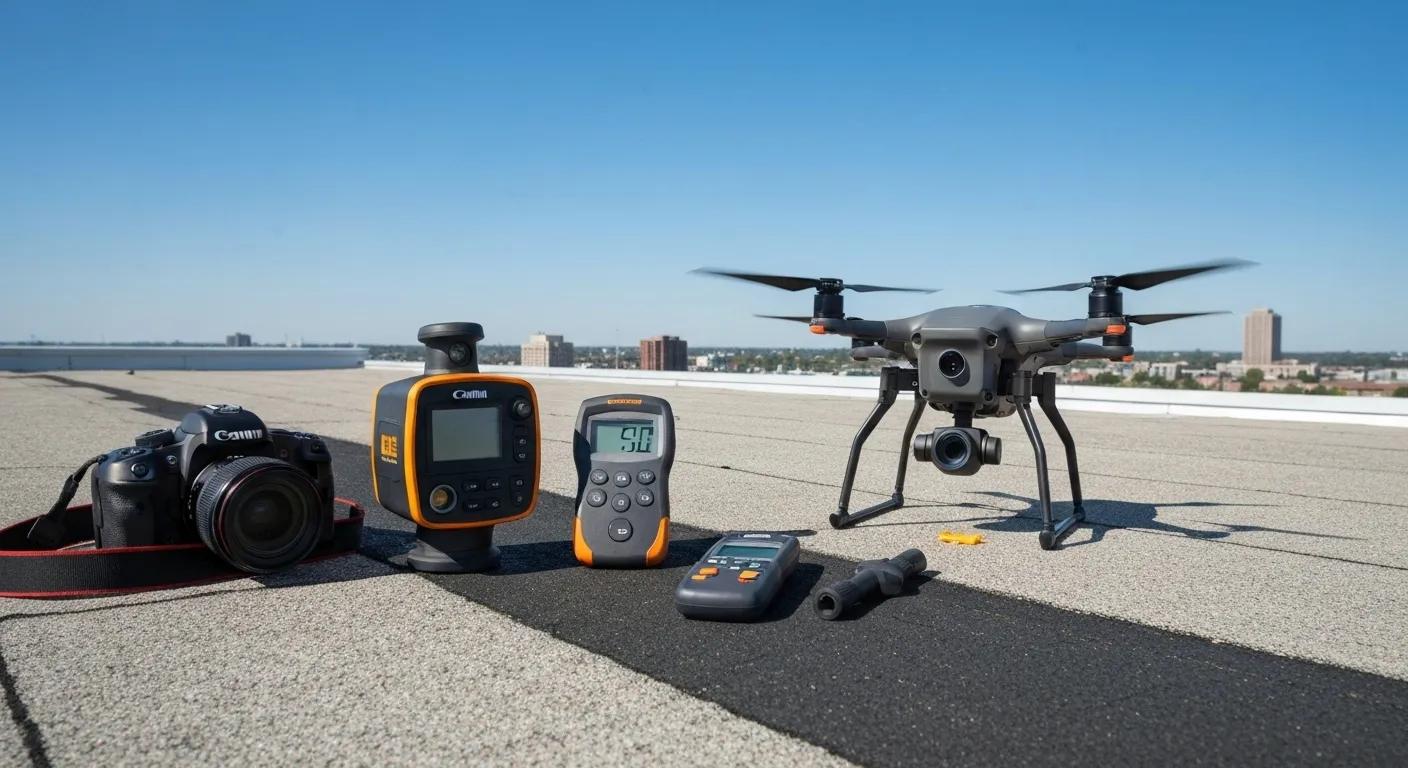
Professional roof inspectors combine several specialized instruments to evaluate membrane integrity, detect moisture intrusion, and verify structural performance. Each tool serves a distinct diagnostic purpose, from scanning temperature anomalies to pinpointing leak locations. Understanding these instruments empowers homeowners to demand comprehensive assessments that extend roof lifespan and prevent unplanned replacements. Below is a comparison of the leading roof performance testing tools, highlighting their core functions and homeowner benefits.
This comparison shows how combining multiple diagnostics tools creates a complete picture of roof health, leading naturally to explore non-destructive testing improvements next.
How Do Thermal Imaging Cameras Detect Hidden Roof Moisture?
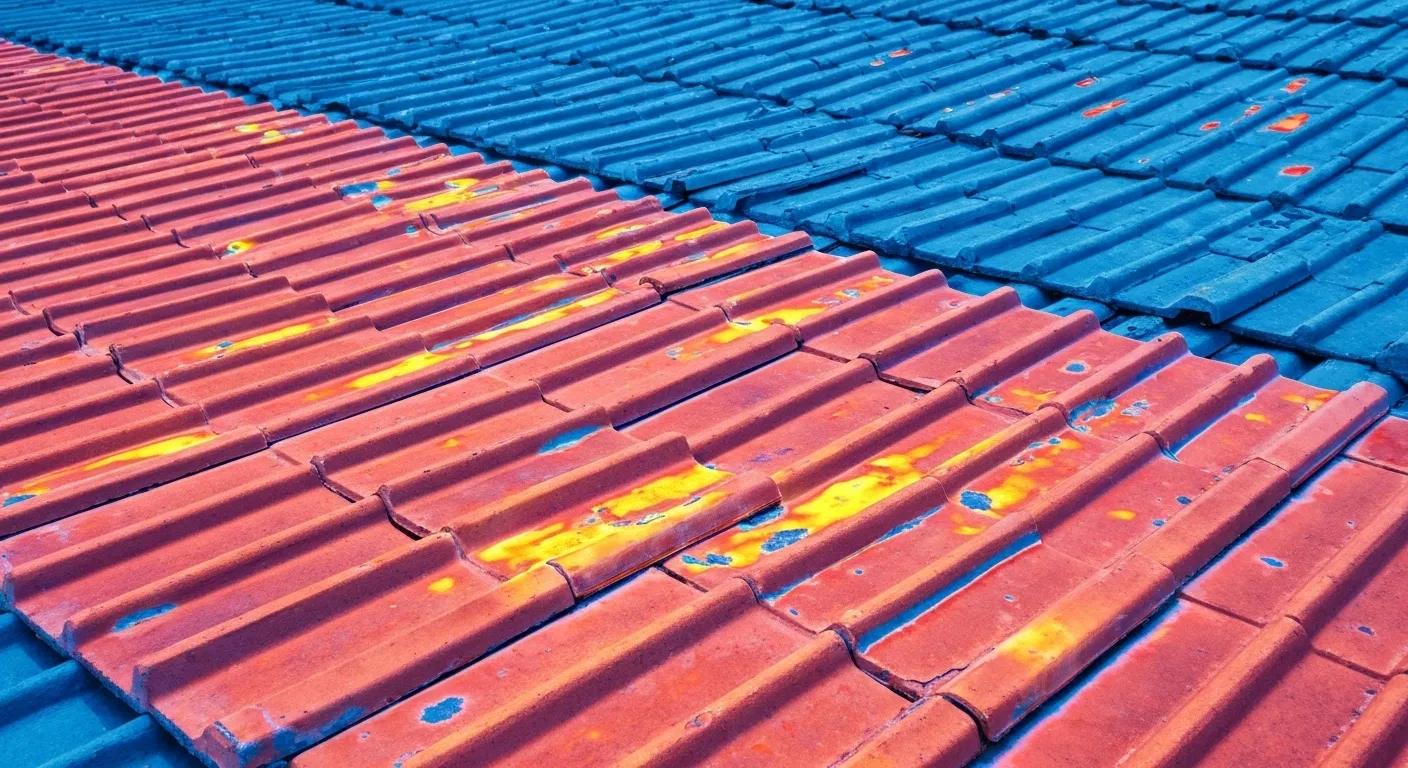
A thermal imaging camera translates infrared energy into visual heat maps that highlight cold spots where moisture accumulates. By scanning roof surfaces, it identifies insulation voids and water-cooled areas invisible to the naked eye. This method improves leak detection speed and accuracy, allowing homeowners to address issues before mold growth or structural decay sets in.
What Types of Moisture Meters Are Used for Roofing Diagnostics?
Moisture meters come in pin and non-invasive models. Pin meters penetrate roofing layers with sharp probes to quantify water content directly, while non-invasive meters use electromagnetic signals to estimate moisture without piercing the membrane. Both types help prioritize repair zones and validate the effectiveness of drying processes, supporting preventative maintenance strategies.
How Are Drones Used for Comprehensive Roof Surveys?
Drones have revolutionized the field of roof surveying, offering a comprehensive and efficient alternative to traditional inspection methods. Utilizing advanced imaging technology, drones can capture high-resolution photographs and videos, providing detailed aerial views of roofing systems. This technology allows professionals to quickly assess conditions such as wear and tear, damage from weather events, and structural integrity without the need for scaffolding or ladders. Equipped with thermal imaging sensors, drones can also detect heat loss or water infiltration, areas that may be difficult to identify from the ground or even from roof level. As a result, roof surveys conducted by drones are not only faster but also more precise, leading to better maintenance decisions and overall safety for both inspectors and property owners.
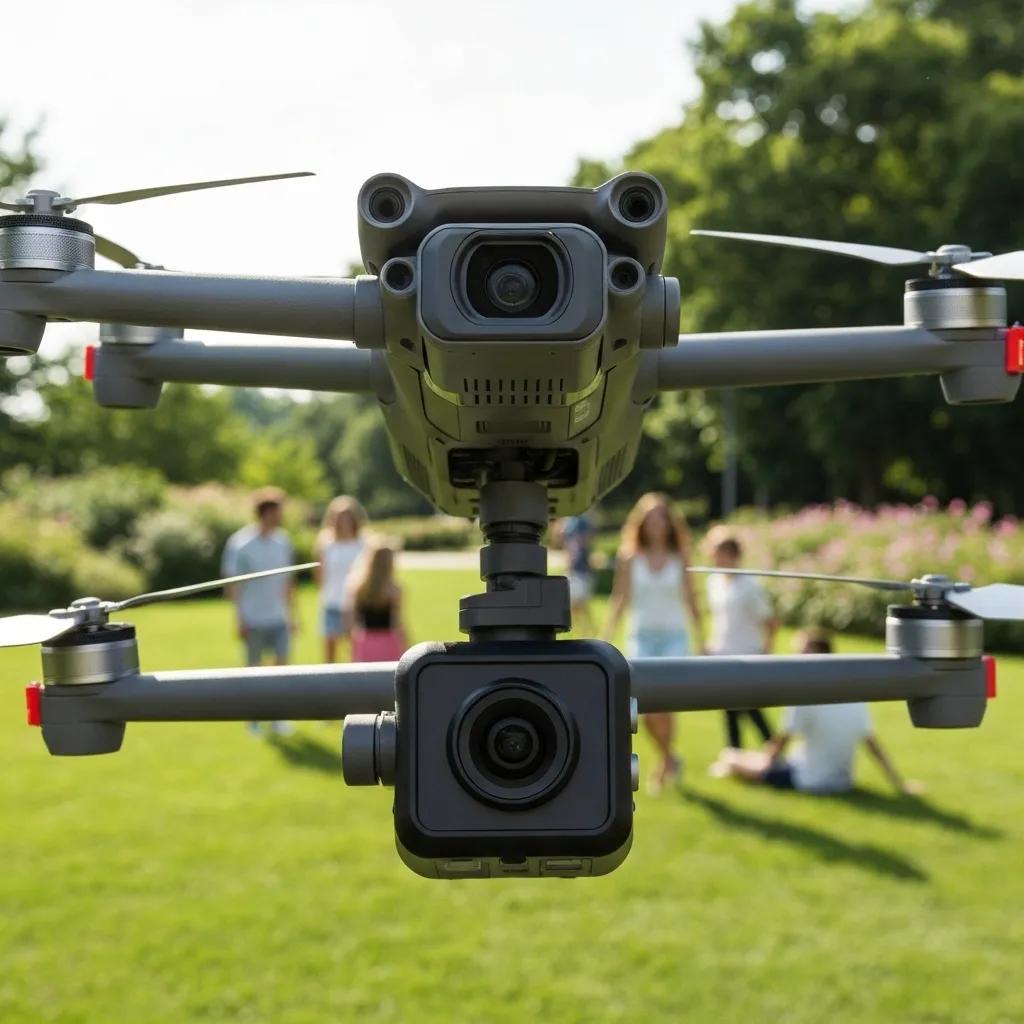
Drones equipped with high-resolution cameras and GPS stabilize over roofs to capture detailed imagery from multiple angles. This aerial surveying technology increases inspector safety by eliminating dangerous climbs and produces orthomosaic maps for precise damage mapping. Homeowners benefit from faster assessments and clearer documentation for insurance claims.
What Is Electronic Leak Detection and How Does It Work?
Electronic Leak Detection (ELD) is an advanced technology designed to identify and locate leaks in various systems, primarily in plumbing and HVAC systems. It employs sophisticated electronic devices and sensors capable of detecting the presence of moisture or changes in pressure that typically indicate a leak. This method surpasses traditional leak detection methods, such as visual inspections and acoustic testing, by providing real-time data and pinpointing problem areas with high precision. ELD is especially beneficial in large and complex systems, where manual inspections can be time-consuming and less effective. Electronic leak detection applies a harmless low-voltage current across a conductive roof membrane. A probe then senses electrical resistance changes at breach points, pinpointing leaks with centimeter-level precision. This non-destructive method prevents unnecessary membrane removal and reduces repair turnaround time, safeguarding roof warranties.
When Is Core Sampling Necessary for Roof Assessment?
Core sampling is a critical technique used in roof assessments to evaluate the condition and structure of roofing systems. This method is particularly necessary when there are signs of leakage, moisture accumulation, or when the overall integrity of the roof is questionable. By extracting small cylindrical samples from the roof layers, professionals can directly analyze the materials used, assess the thickness and composition of the roofing system, and identify potential problems such as deterioration, mold growth, or inadequate drainage. Core sampling is essential in making informed decisions about repairs or replacements, especially in commercial buildings where the implications of a compromised roof can lead to significant financial and structural repercussions. Core sampling involves extracting small roof sections, including all layers down to the substrate. Laboratory analysis of these samples confirms material thickness, layer adhesion, and the presence of hidden problems like delamination or trapped moisture, ensuring total confidence in repair decisions. Inspectors reserve this approach for complex cases where surface diagnostics remain inconclusive.
How Do Non-Destructive Roof Testing Equipment Improve Roof Condition Assessments?
Non-destructive roof testing equipment plays a pivotal role in enhancing the accuracy and efficiency of roof condition assessments. Traditional methods of evaluating a roof often involve invasive techniques that can compromise the integrity of the roofing materials. In contrast, non-destructive testing (NDT) utilizes advanced technology to evaluate the condition of roofing systems without causing any harm. Techniques such as infrared thermography, moisture mapping, and ultrasonic testing enable professionals to identify underlying issues, such as moisture intrusion or insulation defects, without the need for physical sampling or extensive repairs. By leveraging these innovative tools, roof assessors can deliver precise evaluations, ensuring that property owners receive an accurate representation of their roof’s current state.
Moreover, the adoption of non-destructive testing equipment significantly streamlines the roof assessment process. With the ability to obtain real-time data on the roof’s condition, roof inspectors can quickly analyze large areas and identify problems that may not be visible to the naked eye. This technological advancement not only saves time but also enhances safety, as inspectors can work from a distance and minimize their exposure to hazards often associated with traditional inspection methods. Additionally, the detailed reports generated by non-destructive tests provide valuable insights for property management teams, facilitating informed decision-making regarding repairs or replacements. As a result, the integration of non-destructive testing in roof condition assessments leads to more effective maintenance strategies, ultimately extending the lifespan of the roofing system and contributing to long-term cost savings for property owners.
Non-destructive testing (NDT) methods enhance roof evaluations by preserving membrane integrity, reducing liability, and speeding up inspections. Infrared scanning, drone imagery, and electronic leak detection collectively provide comprehensive insights without cutting into flashing or underlayment. This suite of tools supports preventative maintenance and enables frequent monitoring with minimal risk.
- Infrared and thermal imaging to locate moisture intrusion and insulation gaps.
- Drone surveying for remote damage verification and structural mapping.
- Electronic leak detection to accurately trace membrane breaches.
- Non-invasive moisture meters to measure water content without penetration.
Implementing these methods allows homeowners to schedule regular roof condition checks, reducing emergency repair costs and extending service life.
What Are the Benefits of Infrared and Thermal Roof Inspections?
Infrared and thermal roof inspections offer a cutting-edge method for assessing the condition of roofing systems, presenting a range of significant benefits for property owners and managers. These inspections utilize advanced infrared thermography technology to detect temperature variations across the roof surface. By identifying these discrepancies, inspectors can pinpoint areas where insulation is inadequate, moisture is present, or where leaks may be developing. This proactive approach not only helps in maintaining the integrity of the roof but also leads to informed decision-making regarding repairs and maintenance, ultimately extending the lifespan of the roofing system. Infrared and thermal inspections uncover moisture-cooled areas and temperature imbalances that indicate roof leaks or insulation voids. This rapid scanning technique reduces manual probing, cuts labor time, and improves diagnostic accuracy, ultimately saving homeowners money by catching minor issues before they escalate.
How Do Drone Roof Surveys Enhance Safety and Accuracy?
Drone roof surveys have revolutionized the way inspections are conducted, significantly enhancing both safety and accuracy in the process. Traditionally, roof inspections required personnel to navigate potentially hazardous environments, often involving ladders, scaffolding, or even climbing onto the roofs themselves. This not only posed safety risks but also limited the ability to thoroughly assess the condition of structures. Drones, equipped with high-resolution cameras and advanced imaging technology, allow professionals to inspect roofs from a safe distance. By capturing detailed aerial images and videos, these unmanned aerial vehicles reduce the need for human intervention in dangerous situations, thereby mitigating risks associated with falls and other accidents. Drone roof surveys eliminate the need for inspectors to walk steep or fragile surfaces. Equipped with stabilizing gimbals and precision controls, drones deliver crystal-clear aerial imagery and thermal overlays, enabling detailed analysis from ground level. This combination of safety and data quality elevates inspection standards and homeowner peace of mind.
What Are Common Non-Destructive Moisture Testing Techniques?
Non-destructive moisture testing techniques are essential methods used to assess moisture levels within various materials without causing any damage. These techniques are particularly valuable in industries such as construction, building maintenance, and restoration, where understanding moisture content can prevent further issues, such as mold growth and structural deterioration. One of the most common non-destructive methods is the use of moisture meters, which employ electrical resistance or capacitance principles to gauge moisture levels in wood, concrete, and other building materials. These handheld devices provide immediate readings, allowing professionals to quickly identify areas of concern and make informed decisions regarding moisture management. Beyond infrared methods, professionals use non-invasive dielectric moisture meters, capacitance testers, and ground-penetrating radar to gauge water penetration in roofing systems. Each technique offers a balance between depth of measurement and speed, allowing for customized diagnostics based on roof type and condition.
How Does Electronic Leak Detection Provide Precise Leak Locations?
Electronic Leak Detection (ELD) employs advanced technologies to accurately identify and locate leaks in various systems, including plumbing, heating, and cooling. This method utilizes highly sensitive equipment, such as acoustic sensors and infrared cameras, to detect subtle changes in sound and temperature that often accompany water or gas leaks. By analyzing these anomalies, ELD specialists can pinpoint the precise location of a leak, minimizing the need for invasive inspections. This precision is particularly valuable in complex infrastructures or sensitive areas, where excessive excavation or disruption could lead to costly repairs and extended downtime. By introducing a low-voltage circuit across conductive roof coatings, electronic leak detection systems measure current disruptions at breach points. This direct approach localizes leaks within inches, reducing guesswork and preventing accidental damage to surrounding membrane sections.
What Are the Key Benefits of Using Advanced Roofing Diagnostics Tools for Homeowners?
Homeowners seeking optimal maintenance and longevity for their roofing systems are increasingly turning to advanced roofing diagnostic tools. These innovative instruments offer a host of benefits that significantly enhance the roofing evaluation process. One of the primary advantages is the precision and accuracy they provide. Traditional methods of roof inspection often rely on visual assessments that can miss underlying issues such as moisture infiltration or structural weaknesses. In contrast, advanced diagnostic tools, including thermal imaging cameras and moisture meters, allow for a non-invasive examination, detecting hidden problems that might compromise the integrity of the roof. This capability not only ensures a more thorough assessment but also enables timely interventions, potentially saving homeowners from extensive repairs down the line.
Additionally, employing advanced diagnostic tools can lead to considerable cost savings for homeowners. By identifying issues early on, homeowners can address them before they escalate into significant damage, which commonly requires more extensive and expensive repairs. Furthermore, these tools often provide detailed data that can help homeowners make informed decisions about maintenance and replacement timelines. With access to accurate information regarding the condition of their roofs, homeowners can develop proactive maintenance plans that extend the lifespan of their roofing systems. Overall, the utilization of advanced roofing diagnostics tools empowers homeowners to safeguard their investment, ensuring both the functionality and aesthetics of their roofs are maintained for years to come.
- Early leak detection prevents structural damage and mold growth.
- Accurate moisture quantification guides targeted repairs and drying.
- Comprehensive assessments support insurance claims and warranty compliance.
- Preventative maintenance extends roof service life by identifying minor defects.
These benefits translate into lower lifetime costs and greater confidence in roof performance.
How Can Evernew Roofing’s Diagnostic Services Help You Identify and Solve Roof Problems?
Evernew Roofing offers a full suite of professional diagnostic services that apply the above tools in real-world inspections. Certified technicians perform thermal imaging scans, drone surveys, and electronic leak detection to deliver an in-depth condition report. Homeowners can request an instant quote for roof diagnostic services within minutes to schedule an assessment. By combining industry-leading diagnostics with Atlas’s high-performance shingles and underlayments, Evernew Roofing ensures that repair solutions and replacement materials align perfectly with diagnostic findings. Explore the Atlas Catalog – Evernew Roofing to see how integrated diagnostics and premium products safeguard your home.
What Common Roof Problems Can Roofing Diagnostics Tools Detect?
When it comes to maintaining the integrity of a home, the roof plays a critical role, and identifying potential issues early can save homeowners significant time and money. Roofing diagnostics tools have become indispensable for professionals in the field, as they are designed to detect a variety of common roof problems. One of the primary issues these tools can uncover is leaks, which often manifest as water stains or mold growth inside a home. Advanced moisture detection equipment can accurately pinpoint areas of moisture accumulation beneath the surface, helping to address leaks before they escalate into major structural problems. Advanced diagnostics uncover a range of typical roof issues before they worsen:
- Hidden roof leaks behind flashing, under shingles, or in low-slope areas.
- Hail damage presenting as granule loss and membrane bruises.
- Wind damage indicated by lifted or torn membrane sections.
- Moisture intrusion that compromises insulation and substrate integrity.
Identifying these problems early through targeted diagnostics prevents secondary damage and expensive emergency repairs.
What Are the Latest Trends and Technologies in Roofing Diagnostics Tools?
The roofing industry has evolved considerably in recent years, with advancements in diagnostic tools playing a crucial role in this transformation. One of the leading trends is the integration of thermal imaging technology, which enables professionals to detect heat loss and moisture intrusion in roofing systems. Thermal cameras can quickly identify problem areas, allowing for more accurate assessments without the need for intrusive inspections. This technology not only enhances the efficiency of diagnostics but also reduces the potential for costly repairs by catching issues early on.
Another noteworthy trend is the rise of drone technology in roofing inspections. Drones equipped with high-resolution cameras and advanced imaging capabilities are increasingly being used to survey rooftops, especially in hard-to-reach areas. This method not only saves time but also improves safety by minimizing the need for workers to climb onto roofs. Moreover, the data collected by drones can be analyzed using sophisticated software, enabling roofing professionals to create detailed reports and provide better recommendations for maintenance or repairs. As these technologies continue to advance, they are poised to significantly enhance the roofing diagnostics process, making it more accurate and efficient while also driving down costs for both service providers and clients. The roofing industry continues to embrace innovations that enhance inspection accuracy and efficiency:
- Drone technology integrated with thermal sensors for fusion imaging.
- Affordable, high-resolution thermal cameras becoming standard in assessments.
- Digital reporting platforms that deliver interactive inspection maps and real-time data.
- Weather-adaptive scheduling tools that optimize inspection timing around local climate patterns.
Staying current with these trends empowers homeowners to choose diagnostics services that leverage the latest predictive analytics and mapping capabilities.
Frequently Asked Questions
What is the importance of regular roof inspections?
Regular roof inspections are crucial for maintaining the integrity and longevity of your roof. They help identify potential issues such as leaks, moisture intrusion, and structural damage before they escalate into costly repairs. By scheduling routine assessments, homeowners can ensure that their roofs remain in optimal condition, extend their lifespan, and comply with warranty requirements. Additionally, early detection of problems can lead to significant savings on emergency repairs and enhance overall home safety.
How often should I have my roof inspected?
It is generally recommended to have your roof inspected at least once a year, ideally in the spring or fall. However, if your area experiences severe weather events, such as heavy storms or hail, more frequent inspections may be necessary. Additionally, after any major weather event, a prompt inspection can help identify damage that may not be immediately visible. Regular assessments ensure that any issues are caught early, allowing for timely repairs and maintenance.
Can I perform a roof inspection myself?
While homeowners can conduct basic visual inspections from the ground or a safe vantage point, it is advisable to hire a professional for a thorough assessment. Professionals have the expertise and specialized tools to detect hidden issues that may not be visible to the untrained eye. They can safely access the roof and utilize advanced diagnostic tools, such as thermal imaging and drones, to provide a comprehensive evaluation of the roof’s condition.
What should I do if my roof inspection reveals problems?
If your roof inspection uncovers issues, it is essential to address them promptly. Start by consulting with a qualified roofing contractor who can provide a detailed assessment and recommend appropriate repair solutions. Depending on the severity of the problems, you may need to schedule repairs or replacements. Taking swift action can prevent further damage, reduce repair costs, and ensure the safety and longevity of your roof.
Are there any warranties associated with roofing diagnostic tools?
Many roofing diagnostic tools come with manufacturer warranties that cover defects in materials and workmanship. Additionally, professional services that utilize these tools may offer warranties on their inspections and repairs. It is important to inquire about warranty details when hiring a contractor or purchasing diagnostic equipment. Understanding the warranty terms can provide peace of mind and protect your investment in roofing diagnostics and repairs.
What advancements are being made in roofing diagnostic technology?
The roofing industry is witnessing significant advancements in diagnostic technology, including the integration of artificial intelligence and machine learning for predictive analytics. Innovations such as drones equipped with thermal sensors and high-resolution cameras are enhancing inspection accuracy. Furthermore, digital reporting platforms are streamlining data collection and analysis, allowing for real-time monitoring and more informed decision-making regarding roof maintenance and repairs.
What Tools Do Roof Inspectors Commonly Use?
Roof inspectors utilize a variety of specialized tools to assess the condition of roofing systems effectively. One of the primary tools is a pair of binoculars, which allows inspectors to examine hard-to-reach areas from a safe distance. This aids in identifying issues such as damaged shingles, rusting flashing, or signs of wear without needing to ascend to the roof immediately. Other visual aids include a digital camera, which inspectors use to capture high-resolution images of problem areas. These images are often included in reports to provide homeowners or property managers with clear documentation of the roof’s condition, enhancing communication and transparency about necessary repairs or maintenance. Roof inspectors rely on thermal imaging cameras to scan for heat differentials, moisture meters to verify water content, drones for aerial roof mapping, electronic leak detection to trace breaches, and core sampling kits for detailed layer analysis. Combining these instruments produces a multi-dimensional view of roof condition that no single tool can achieve alone.
How Do You Check a Roof for Problems Without Causing Damage?
When assessing the condition of a roof, it’s essential to proceed with caution to avoid causing any further damage. One effective method is to start with a thorough visual inspection from the ground. Homeowners or professionals should look for signs of wear, such as missing or broken shingles, sagging roof lines, and discoloration or moss growth, which can indicate moisture retention. Using binoculars can help in spotting these issues without the need to climb onto the roof, thereby minimizing the risk of accidents or additional stress on the roofing materials. Pay close attention to the edges and flashings around chimneys, vents, and skylights, as these are common trouble spots. A non-destructive approach uses infrared scanning, drone imagery, and electronic leak detection to assess insulation gaps, hidden moisture, and membrane breaches without cutting into flashing or opening roof layers. These methods preserve roof integrity while delivering actionable insights for targeted repairs.
Can Drones Safely Inspect Residential Roofs?
Drones have revolutionized the way many industries operate, and roof inspections are no exception. Traditionally, assessing the condition of a residential roof often required hiring professionals to physically climb ladders or even use scaffolding to access hard-to-reach areas. This process can be time-consuming, costly, and potentially dangerous for those involved. However, the advent of drone technology has introduced a safer, more efficient alternative for inspecting roofs. Equipped with high-resolution cameras and advanced imaging capabilities, drones can easily capture detailed images of rooftops from various angles without the need for manual access. This not only enhances safety for inspection teams but also minimizes the risk of damage to the property itself. Drones equipped with GPS, obstacle avoidance, and real-time video streaming enable safe roof inspections without requiring inspectors to walk on fragile surfaces. Licensed drone operators can hover within inches of problem areas, capturing visual and thermal data for precise diagnostics and risk-free evaluations.
How Is Moisture Detected Under Roofing Materials?
Moisture detection under roofing materials is a critical aspect of maintaining the integrity and longevity of any roofing system. Professional roofing inspectors utilize various techniques and tools to identify hidden moisture that may compromise the roofing structure. One of the most common methods involves infrared thermography. This technology uses thermal imaging cameras to detect differences in temperature on the roof’s surface. Moisture-laden areas tend to have a different thermal signature compared to dry areas, allowing inspectors to pinpoint potential leaks or water intrusion without having to physically tear apart the roofing material. Moisture detection under roof membranes involves infrared thermography to reveal temperature anomalies and non-invasive moisture meters that measure dielectric properties. In complex scenarios, electronic leak detection or core sampling may follow to confirm hidden water intrusion and determine appropriate remediation steps. Early identification of roofing issues through advanced diagnostics empowers homeowners to prevent costly damage, extend roof lifespan, and enjoy lasting peace of mind. By leveraging Evernew Roofing’s expert inspection services and pairing diagnostic insights with quality Atlas roofing materials, property owners gain a clear path to durable, high-performance roofs.