


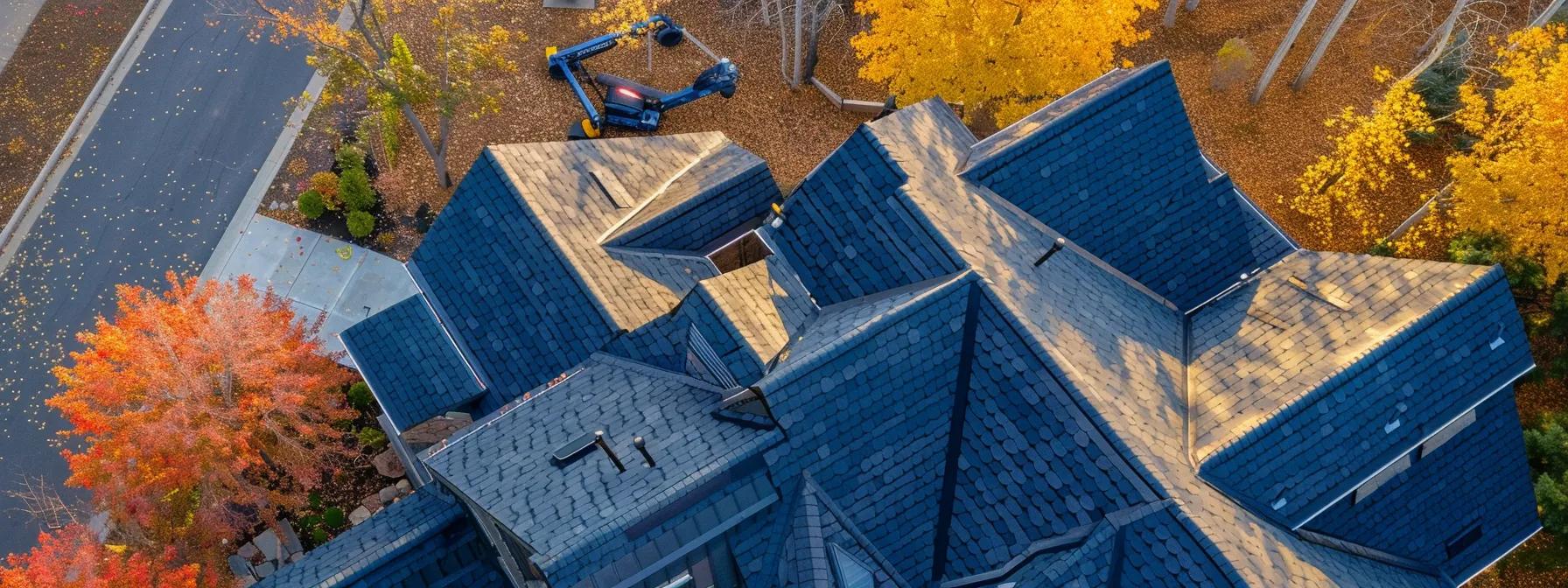
Roof replacement is a significant undertaking that every homeowner should understand before beginning the process. This article explains the various stages of roof replacement services—from the initial inspection to the final warranty. Homeowners often worry about cost, time, safety, and the longevity of new roofing materials. As a professional roofing contractor, my goal is to provide clear insight into what to expect during a roof replacement, ensuring you are well informed every step of the way. We will cover the inspection process, compare roofing materials, outline the replacement process, discuss project timelines, review pricing and budgeting, and explain what follows installation regarding cleanup and warranties. Understanding these key points will help you make informed decisions, avoid unexpected expenses, and ensure quality workmanship. Let’s dive into the specifics so you, as a homeowner, can feel confident and prepared for this crucial home improvement project.
How Do Roof Replacement Services Begin? Understanding the Initial Inspection and Assessment
Roof replacement begins with a comprehensive inspection and assessment. A professional roofer examines your roof’s overall structure for signs of wear, damage, and deterioration. This includes checking for missing or curled shingles, sagging areas, and water damage both inside and outside your home. The inspector methodically evaluates the roof’s age, condition, and supporting framework such as decking and underlayment to determine its overall health.
What Happens During a Roof Inspection? Key Steps and What Professionals Look for
During a roof inspection, professionals perform a visual survey from the ground and an elevated position to spot obvious flaws. They physically inspect the roof surface, checking for cracked or loose shingles and the integrity of flashing, gutters, and vents. Using tools such as moisture meters and infrared cameras, they detect hidden moisture and structural weaknesses. They also examine attic conditions for water staining or mildew, which can indicate leaks. This thorough process determines whether repair is sufficient or if a complete roof replacement is necessary.
How Do Experts Determine if Roof Replacement Is Necessary? Signs and Criteria
Roof replacement is typically recommended when there is widespread shingle damage, extensive curling or granule loss, or recurring leaks despite repairs. Age is important; roofs that exceed 20 to 25 years often require replacement even if damage is not dramatic. Other factors include deteriorated deck integrity, signs of water penetration, and consistent issues with flashing. Mold growth or sagging areas also indicate that support has been compromised. By assessing these indicators, roofing professionals decide whether a full replacement or targeted repairs offer the best long-term solution.
Which Roofing Materials Can You Expect for Replacement? Comparing Options and Benefits

Homeowners have a range of material options when it comes to roof replacement, each with distinct benefits and drawbacks. The choice of material will affect your roof’s durability, maintenance needs, and overall aesthetic appeal. Contractors can help you evaluate factors such as longevity, energy efficiency, and cost to ensure that the selected material matches your home’s style, budget, and local climate conditions.
What Are the Most Common Roofing Materials Used? Asphalt Shingles, Metal, Tile, and More
The most common roofing materials include asphalt shingles, metal, and tile. Asphalt shingles are popular for their affordability, ease of installation, and durability of around 20–30 years. Metal roofs, although initially more expensive, offer longevity (40–70 years) and energy savings through reflective qualities. Tile roofs, often made of clay or concrete, provide an attractive look and excellent fire resistance but may require extra structural support due to their weight. Slate is another option, known for its high-end appearance and long lifespan, though it comes at a premium price. Each material performs differently depending on climate; for example, metal roofs can lower cooling costs in hot areas, while slate or tile may be better in wet regions.
How to Choose the Right Roofing Material for Your Home and Climate?
Selecting the right roofing material means evaluating your home’s specific needs along with local weather conditions. Consider temperature extremes, humidity, and the likelihood of severe storms or high winds. Asphalt shingles work well in moderate climates, while metal roofs excel in areas with heavy rainfall or intense sunlight because of their corrosion resistance and energy efficiency. The architectural style of your home is also important—tile roofs may enhance the charm of historic or Mediterranean-style homes, whereas modern designs might favor sleek metal panels. Weight and structural support are additional factors, along with energy efficiency and long-term cost considerations.
What Is the Roof Replacement Process? Step-by-Step Overview From Removal to Installation
The roof replacement process is a systematic journey that starts with removing the old materials and ends with a secure installation of the new roof. Each step is carried out by experienced professionals who follow strict safety and quality guidelines. This process—from debris removal to the final inspection—ensures that your roof performs optimally for years to come.
How Is the Old Roof Removed Safely and Efficiently?
Removing the old roof is a critical first step that must be done safely to protect both the workers and the underlying structure. The process begins with taking off old shingles or tiles using specialized tools designed to minimize damage to the roof deck. Workers then remove layers of old underlayment, nails, and debris. Strict safety protocols are followed, including using cranes for heavy materials and proper protective gear. The debris is then collected and disposed of or recycled, and the roof deck is inspected for any hidden damage that might require repair before installing the new roof.
What Are the Key Installation Steps for a New Roof?
Once the old roofing is removed and the deck is inspected, installation of the new roof begins. First, new underlayment is laid down as a waterproof barrier to protect against moisture. Next, the primary roofing material—whether asphalt, metal, or tile—is installed according to the manufacturer’s guidelines and local building codes. These materials are overlapped to form a weather-tight seal. Special attention is paid to areas prone to water infiltration, such as around chimneys, vents, and skylights, where flashing is carefully installed. Finally, edge treatments and ventilation systems are added to help regulate temperature and extend the roof’s lifespan.
How Do Professionals Ensure Quality and Safety During Installation?
Throughout the installation, quality and safety are paramount. Professionals use fall protection equipment, conduct regular safety briefings, and follow OSHA guidelines. Quality is ensured through ongoing inspections—from verifying the quality of materials at each stage to a final post-installation check that confirms proper alignment, secure fastenings, and effective water drainage. Photographs and performance metrics may be used for added accountability, giving you confidence that your new roof will withstand harsh weather and other challenges.
How Long Does Roof Replacement Take and What Factors Affect the Timeline?
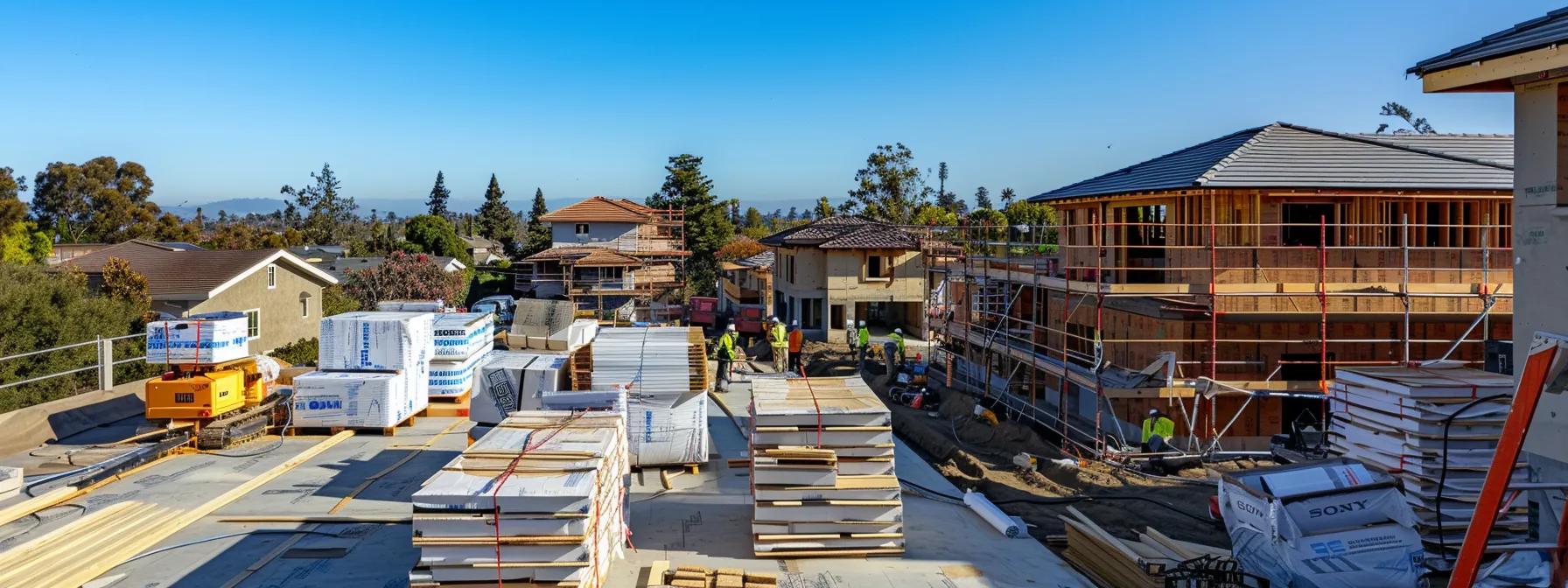
The duration of a roof replacement project depends on factors such as project complexity, weather conditions, permits, and the type of roofing material. Typically, a residential roof replacement takes from a few days to a couple of weeks. By understanding these variables, homeowners can set realistic expectations and plan ahead to minimize disruptions during the installation.
What Is the Typical Duration for Residential Roof Replacement?
For most residential projects, the roof replacement process lasts between five and ten working days. This period includes removal of old materials, any necessary deck repairs, installation of underlayment and new roofing material, and final inspections. Projects that require extra repairs or encounter unforeseen issues may take longer, but well-planned projects generally adhere to a predictable schedule.
How Do Weather and Permitting Impact Project Scheduling?
Weather conditions such as rain, high winds, or extreme cold can delay roof replacement, as they pose safety risks and may compromise material integrity. Contractors plan projects during periods of favorable weather and coordinate with local authorities for permit approvals. Delays in permit processing or unpredictable weather can extend the timeline, so homeowners should be prepared for possible adjustments in scheduling.
What Costs Are Involved in Roof Replacement Services Near Me? Understanding Estimates and Pricing
Budgeting for your roof replacement involves understanding the various costs—from materials and labor to permits and additional services. Clear estimates help compare options, plan for unexpected expenses, and ensure you invest in a roof that balances safety and aesthetics.
How Are Roof Replacement Estimates Calculated? Materials, Labor, and Additional Fees
Estimates for roof replacement are based on several factors. The cost of roofing materials varies by product type—be it asphalt shingles, metal, or tile—and local market rates. Labor costs depend on the project’s complexity and geographic location, with contractors typically charging hourly or per project. Additional fees may cover permits, disposal of old materials, and any deck repairs revealed during the initial inspection. Some contractors also include cleanup and post-installation inspection fees. A detailed cost breakdown ensures transparency and helps you budget accurately.
What Are Common Cost Ranges for Different Roofing Materials?
Different materials come with distinct price ranges. Asphalt shingles are generally the most cost-effective at around $3–$5 per square foot. Metal roofs may run between $7–$12 per square foot but offer long-term energy savings. Clay or concrete tiles and slate are more expensive, typically costing $10–$20 per square foot due to their superior durability and aesthetic appeal. Homeowners should consider these ranges in relation to their budget, home design, and long-term maintenance needs.
How Can You Budget for Unexpected Expenses During Roof Replacement?
It is wise to set aside an extra 10–15% of the estimated project cost as a contingency for unforeseen expenses. Hidden structural damage, increased labor costs from weather delays, or additional materials may be necessary during the project. This contingency fund helps ensure that surprises do not derail your budget or compromise the quality of your new roof.
What Should You Expect Regarding Cleanup and Warranty After Roof Replacement?
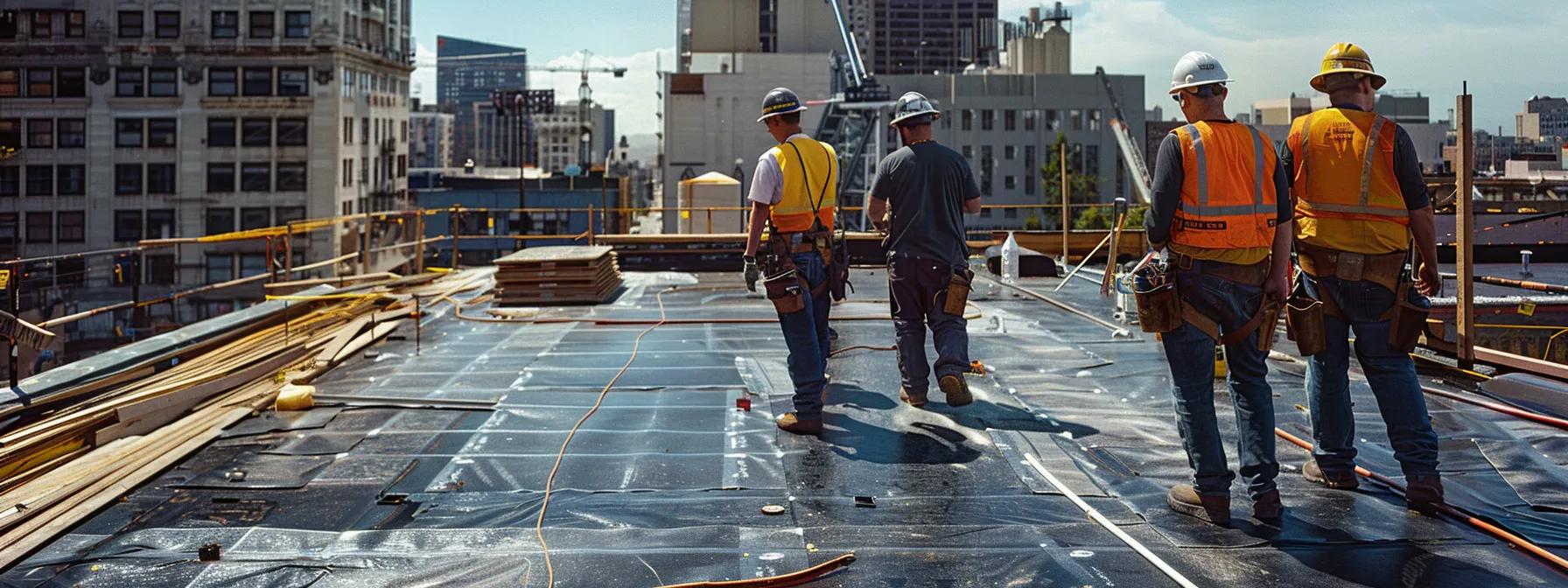
After installation, professional cleanup and warranty provisions safeguard your investment. Cleanup involves removing all construction debris, leftover nails, and any material remnants to ensure your property remains safe and visually appealing. Additionally, warranties on both materials and workmanship protect you from future defects or installation issues, providing long-term peace of mind.
How Do Professionals Handle Site Cleanup and Debris Removal?
Once the new roof is in place, the crew undertakes an extensive cleanup. They remove all construction debris and old materials from your property using heavy-duty equipment, restoring the landscape to its original condition and eliminating hazards. This thorough cleanup helps maintain the safety and appearance of your home.
What Types of Warranties Are Typically Offered on Materials and Workmanship?
Roof replacement comes with two main types of warranties. Material warranties cover defects in the roofing products and can last from 20 to 50 years, depending on the product. Workmanship warranties, provided by the contractor, typically extend for 5 to 10 years and protect against installation errors. Reviewing these warranties ensures you know which aspects of your new roof are covered and for how long.
How Can You Prepare for Roof Replacement Services? Tips for Homeowners Before and During the Project
Preparation is key to a smooth roof replacement. As a homeowner, you can take several proactive steps to reduce disruptions and ensure the project runs efficiently. Organize your schedule, secure any necessary permits, and clearly understand your financial commitments. Open communication with your roofing contractor is essential to address questions or concerns throughout the process.
What Should You Do Before Roof Replacement Begins?
Before work starts, remove items from around your property that could hinder progress, such as patio furniture, vehicles, or decorations. Review your insurance policies to ensure adequate coverage and inspect your attic and interior spaces for signs of water damage. Gather multiple estimates from reputable contractors to compare services and costs. Taking these preparatory actions can help prevent delays and safeguard your home during the project.
How to Communicate Effectively With Your Roofing Contractor?
Effective communication from the start is essential. Discuss project details, timelines, and expectations with your contractor and schedule regular updates. Maintain a written record of discussions, including agreed-upon responsibilities and payment terms, to avoid misunderstandings and ensure a smooth process.
What Are Common Customer Expectations and How to Manage Them?
Homeowners typically expect timely completion, clear communication, minimal disruption, and quality workmanship. Establish realistic timelines with your contractor and prepare for unforeseen issues such as weather delays or additional repairs. Discuss potential challenges and extra costs upfront, and clarify cleanup practices and warranty coverage. This transparency helps manage expectations and fosters a successful project outcome.
Table: Comparison of Roofing Materials
Before evaluating the roofing materials, consider this summary table that compares key aspects of common roofing types.
This table succinctly shows the benefits and trade-offs of various roofing materials in terms of lifespan, cost, energy efficiency, and maintenance.
After reviewing the table, you can see that each material has its own advantages and limitations. Homeowners should balance their budget with their design preferences and local climate demands when choosing the right option.
Frequently Asked Questions
Q: What should I expect during the initial roof inspection? A: A professional inspects your roof’s overall condition for missing shingles, water damage, and structural weaknesses, often using tools like infrared cameras and moisture meters to uncover hidden issues.
Q: How do roofing contractors determine if a complete roof replacement is needed? A: Contractors consider the age of your roof, the extent of damage, repeated leaks, and signs of structural issues. If repairs are no longer effective, a full replacement is recommended for long-term safety.
Q: Can I expect disruptions to my daily life during the roof replacement process? A: Although there may be some temporary disruptions, professional contractors plan projects to minimize interference, working within agreed timeframes and cleaning up daily to keep your home safe.
Q: What warranty protections come with a new roof installation? A: New roof installations usually include a material warranty (ranging from 20 to 50 years) and a workmanship warranty (typically covering 5 to 10 years), protecting you against defects and faulty installation.
Q: How can I prepare my home for a roof replacement project? A: Clear obstacles from around your property, check your insurance coverage, and consult multiple contractors. Clear communication about timelines and needs with your contractor is also crucial.
Q: What factors can delay a roof replacement project? A: Delays can be caused by inclement weather, issues found during inspection, permit approval delays, or unexpected structural repairs. Contractors plan for these contingencies to minimize delays.
Q: How do I choose the best roofing material for my climate? A: Consider local weather, energy efficiency, durability, and aesthetic appeal. Metal roofs work well in sunny, storm-prone areas, while asphalt shingles may be best for moderate climates.
Final Thoughts
In summary, roof replacement services involve detailed inspections, careful material selection, safe removal of old roofing, and quality installation. Homeowners gain confidence by understanding every step—from cost estimation and project timelines to cleanup and warranty details. With proper planning and clear communication with your contractor, you can protect your investment and enhance your home’s structural integrity and curb appeal.

