



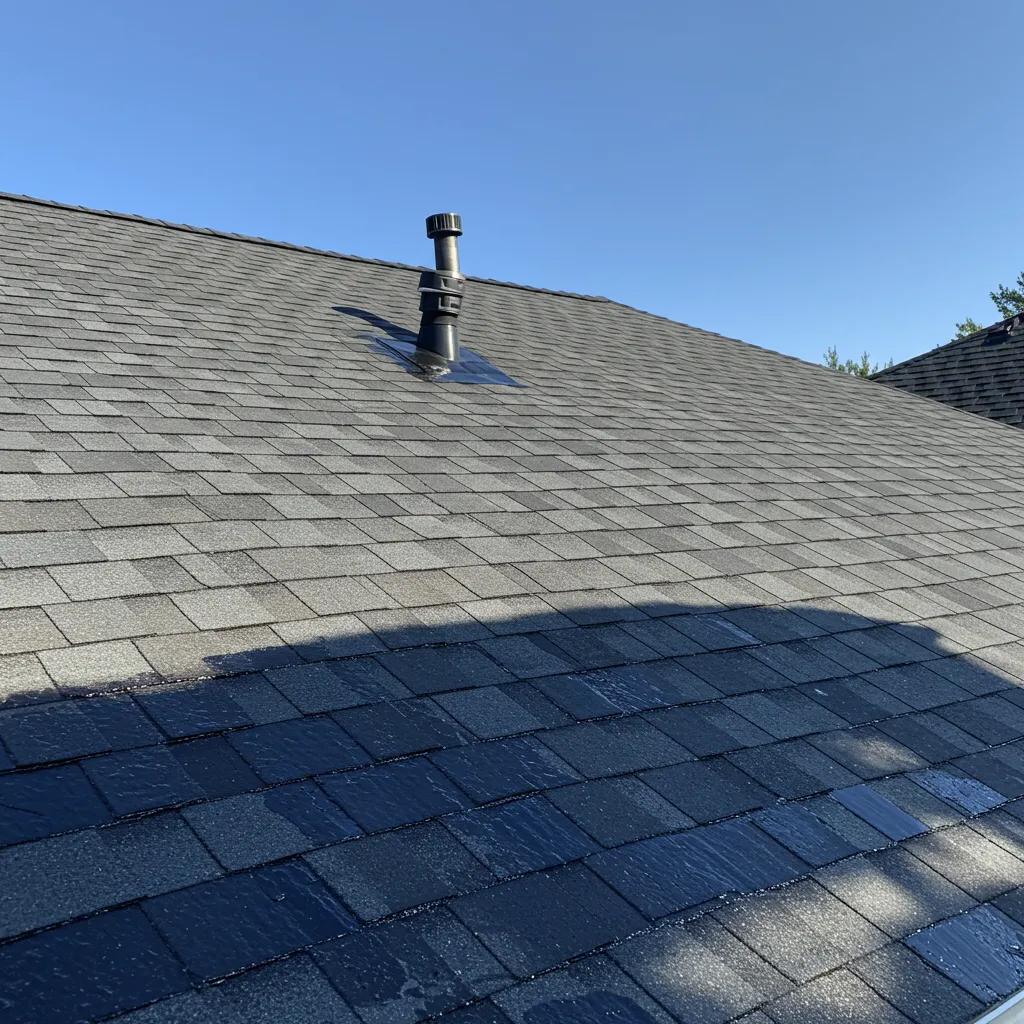
Why Roof Coating Treatments Enhance Asphalt Shingle Longevity for Homeowners and Businesses
Asphalt shingle roofs in Southeast Michigan often suffer accelerated wear from UV exposure, freeze-thaw cycles, and moisture intrusion, reducing their service life by up to 20 years. Understanding why roof coating treatments deliver extended durability, energy savings, and protective benefits establishes a clear path to prolonging your roof’s performance. This article examines shingle deterioration factors, defines how coating systems work, details core lifespan-extending mechanisms, explores additional advantages in cost and sustainability, and explains decision criteria, application best practices, maintenance considerations, and how EverNew Roofing’s local expertise ensures optimal outcomes. Whether you seek to delay a costly replacement or boost energy efficiency, you’ll discover actionable insights and local context for Southeast Michigan’s climate.
What Causes Asphalt Shingle Deterioration and How Does It Affect Roof Lifespan?
Asphalt shingle deterioration begins when ultraviolet radiation oxidizes the asphalt binder, causing granule loss, cracking, and brittleness. Over time, thermal cycling—daily heating and cooling—induces expansion and contraction that propagates micro-cracks. When moisture infiltrates these cracks, freeze-thaw stress widens gaps and accelerates breakdown.
Deterioration directly shortens roof lifespan: granule loss exposes the asphalt core, making shingles vulnerable to water penetration, algae colonization, and wind uplift. Left untreated, early granule depletion can reduce a shingle roof’s expected 20- to 25-year service life by 20–30 percent.
- UV radiation intensity accelerating asphalt oxidation
- Thermal cycling creating mechanical stress
- Moisture intrusion fostering freeze-thaw damage
- Biological growth (algae, moss) trapping moisture
These factors compound each other and point to the need for a proactive protective barrier that coats and rejuvenates the shingle surface.
How Do UV Rays and Thermal Cycling Damage Asphalt Shingles?
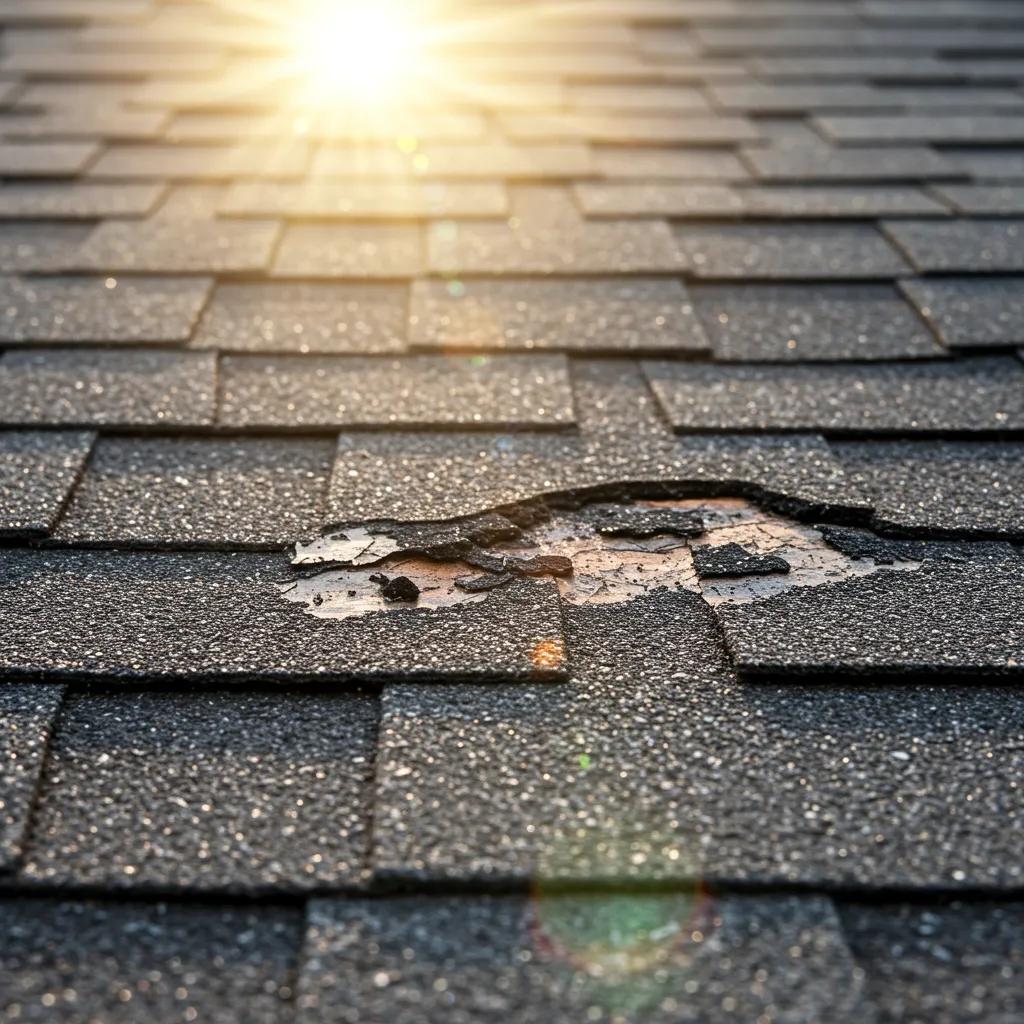
UV rays break down the asphalt binder through photodegradation, leading to embrittlement and loss of granule adhesion. When surface temperature spikes exceed 160°F, differential heating causes shingles to expand, then contract rapidly at night, creating stress fractures. These fractures serve as entry points for moisture, accelerating shingle failure and undermining the roof’s waterproofing function over time.
UV Radiation Impacts on Asphalt Binder Degradation
The UV aging mechanism in asphalt diverges from thermal oxidative aging, as it chiefly arises from the photochemical reactions initiated by ultraviolet (UV) radiation. This radiation can break down the complex molecular structure of asphalt, leading to changes in its physical and chemical properties. These changes can include increased stiffness, reduced ductility, and a greater susceptibility to cracking and other forms of distress, ultimately shortening the service life of asphalt-based materials.
Impacts of ultraviolet irradiation on asphalt binder: a comprehensive review, 2025
What Role Does Moisture and Biological Growth Play in Shingle Wear?
Moisture that enters hairline cracks expands upon freezing, widening fissures and undermining shingle integrity. Algae and moss growth trap additional moisture against the shingle surface, promoting decay and staining. Biological colonization also disrupts granule adhesion, leaving shingles more prone to wind damage and granule runoff.
Freeze-Thaw Cycles Impact on Asphalt Mixture Fatigue Performance
Freeze-thaw cycles are a significant environmental stressor for asphalt materials, particularly in regions with fluctuating temperatures. These cycles involve repeated freezing and thawing of moisture within the asphalt matrix, leading to internal stresses and physical damage. This can manifest as cracking, loss of cohesion, and a general degradation of the material’s mechanical properties, thereby reducing its overall service life and performance.
Effects of freeze-thaw cycles on fatigue performance of asphalt mixture and a fatigue-freeze-thaw damage evolution model, 2024
Which Local Climate Factors in Southeast Michigan Accelerate Shingle Aging?
Southeast Michigan experiences frequent freeze-thaw cycles in winter and high-intensity summer UV exposure. Lake-effect humidity increases moisture retention on roofs, while spring storms can hail-impact unprotected shingles. These local conditions heighten thermal stress and moisture damage, making protective treatments particularly valuable in this region.
What Are Roof Coating Treatments and How Do They Protect Asphalt Shingles?
Roof coating treatments are liquid-applied membranes formulated with polymers, resins, and reflective pigments that cure into a seamless, elastomeric shield. When applied to asphalt shingles, coatings fill micro-cracks, bond to granules, and create a uniform barrier against solar radiation, water intrusion, and impact.
By encapsulating the shingle surface, coatings slow asphalt oxidation and restore surface flexibility, preventing new fissures. Reflective pigments further reduce roof temperatures, cutting thermal stress and extending the underlying shingles’ service life.
Common coating components:
What Types of Roof Coatings Are Best Suited for Asphalt Shingles?
The four primary coatings for asphalt shingles include:
- Elastomeric acrylic for flexibility and crack bridging.
- Silicone for UV stability and water repellence.
- Asphalt emulsion for seamless adhesion to asphalt surfaces.
- Polyurethane for high-impact resistance.
Selecting the right type depends on shingle condition, desired lifespan extension, and local weather patterns.
How Do Roof Coatings Form a Protective Barrier on Shingles?
Coatings penetrate shingle granule interstices and cure into a polymer network that bonds tightly with the asphalt substrate. This liquid-applied membrane seals micro-cracks, restores surface uniformity, and prevents oxygen and moisture from reaching the asphalt core, thereby slowing aging mechanisms.
Asphalt Binder Aging Under UV: Chemical, Structural, and Rheological Analysis
This paper provides a comprehensive overview of asphalt binder aging under ultraviolet (UV) conditions, examining the chemical, structural, and rheological changes that occur. It delves into the mechanisms by which UV radiation initiates and accelerates the deterioration of asphalt, a critical factor in the longevity of asphalt-based products like roofing shingles. Understanding these UV-induced aging processes is crucial for developing strategies to enhance material durability.
A holistic view of asphalt binder aging under ultraviolet conditions: Chemical, structural, and rheological characterization, 2024
How Do Reflective Pigments in Coatings Improve Roof Performance?
Reflective pigments reflect up to 80% of solar radiation, reducing roof surface temperatures by as much as 50°F. Lower roof temperatures diminish thermal cycling stress and decrease attic heat gain, translating into HVAC load reduction and enhanced shingle longevity.
How Do Roof Coating Treatments Extend the Lifespan of Asphalt Shingle Roofs?
Roof coatings extend shingle longevity by combining UV protection, waterproofing, biological resistance, and impact mitigation into a single treatment. By shielding the asphalt binder from photodegradation and sealing fissures, coatings slow the progressive breakdown that typically sets in after 10–15 years of service.
In Southeast Michigan, where freeze-thaw cycles and hail events pose recurring threats, coatings add resilience and flexibility that original shingles often lack. Homeowners can gain an additional 10–20 years of service life without complete replacement, optimizing maintenance budgets and delaying major renovation costs.
How Does UV Protection and Thermal Stability Prevent Shingle Damage?
By blocking ultraviolet rays and reflecting infrared heat, cool roof coatings prevent asphalt binder oxidation and granule loss. Reduced thermal stress means fewer expansion-contraction cycles, lowering the risk of fissure formation that leads to moisture ingress and brittle failure.
In What Ways Do Coatings Enhance Waterproofing and Flexibility?
Elastomeric coatings create a continuous, liquid-applied membrane that fills micro-cracks and reinforces shingle edges. This barrier repels water and restores flexibility, allowing shingles to flex under load without cracking, thereby maintaining a watertight roof envelope.
How Do Roof Coatings Prevent Algae, Moss, and Fungal Growth?
Specialized biocide additives—such as titanium dioxide and copper/zinc ions—incorporated into coatings inhibit microorganism colonization. These agents disrupt algae and fungal cell walls, keeping shingles clear of organic growth that traps moisture and accelerates decay.
What Impact Resistance Benefits Do Coatings Provide Against Hail and Debris?
Certain coatings, particularly polyurethane and thick elastomeric systems, absorb and dissipate kinetic energy from hail and wind-borne debris. This extra sacrificial layer reduces shingle fracturing and granule displacement, offering Class 4 Very Severe Hail (VSH) protection in many formulations.
What Additional Advantages Do Roof Coatings Offer Beyond Longevity?
Beyond extending service life, roof coatings deliver substantial energy savings, cost-effectiveness, and environmental benefits. By reducing attic temperatures, coatings can lower peak cooling demand by up to 15%, translating into monthly utility bill reductions. They also represent a fraction—often 50–70% less—of the cost of full roof replacement, boosting return on investment through avoided capital expenses.
How Do Cool Roof Coatings Contribute to Energy Efficiency and Cost Savings?
Cool roof coatings raise solar reflectance and thermal emittance, lowering roof surface temperatures by up to 50°F. This reduction in heat transfer to attic spaces cuts peak cooling loads by 10–15%, yielding noticeable utility bill savings over the summer months.
Why Are Roof Coatings a Cost-Effective Alternative to Full Roof Replacement?
Since coating systems cost roughly half to two-thirds of a total roof replacement, property owners can achieve similar protective benefits at a fraction of the expense. Delaying full replacement by 10–20 years multiplies ROI as maintenance and energy savings accumulate over time.
How Do Roof Coatings Support Environmental Sustainability in Southeast Michigan?
By extending roof life, coatings reduce the volume of asphalt shingle waste sent to landfills. Lower energy consumption also decreases greenhouse gas emissions. In urban areas such as Detroit and Ann Arbor, reflective coatings help mitigate heat island effects, contributing to broader community sustainability goals.
How Can Homeowners and Businesses Determine If Roof Coating Is Right for Their Asphalt Shingle Roof?
An ideal candidate for coating has a structurally sound roof that shows early signs of granule loss but no major structural damage. Roofs aged 8–15 years with intact decking and minimal curling or buckling respond best to treatment. Coating at this stage arrests further deterioration and maximizes lifespan extension.
A professional inspection by EverNew Roofing evaluates shingle adhesion, decking condition, and flashing integrity to ensure coating compatibility. This expert assessment prevents application on unsuitable surfaces and delivers optimal adhesion and performance.
What Roof Conditions and Ages Are Ideal for Coating Treatments?
Roofs between 8 and 15 years old with intact granule coverage and solid decking are best suited. Significant curling, rot, or multi-layered shingles may require repairs or partial replacement before coating for reliable results.
Why Is a Professional Inspection by EverNew Roofing Essential Before Coating?
EverNew Roofing’s trained inspectors identify hidden damage, verify substrate stability, and recommend the correct coating type and thickness. This due diligence ensures coatings bond properly and meet manufacturer performance criteria, protecting existing warranties.
What Are the Risks of DIY Roof Coating Compared to Professional Application?
DIY coating risks include improper surface preparation, uneven coverage, incorrect product selection, and lack of warranty. Professional installation by EverNew Roofing guarantees manufacturer-approved processes, consistent coverage, and long-term product support.
What Is the Roof Coating Application Process and Best Practices for Asphalt Shingles?
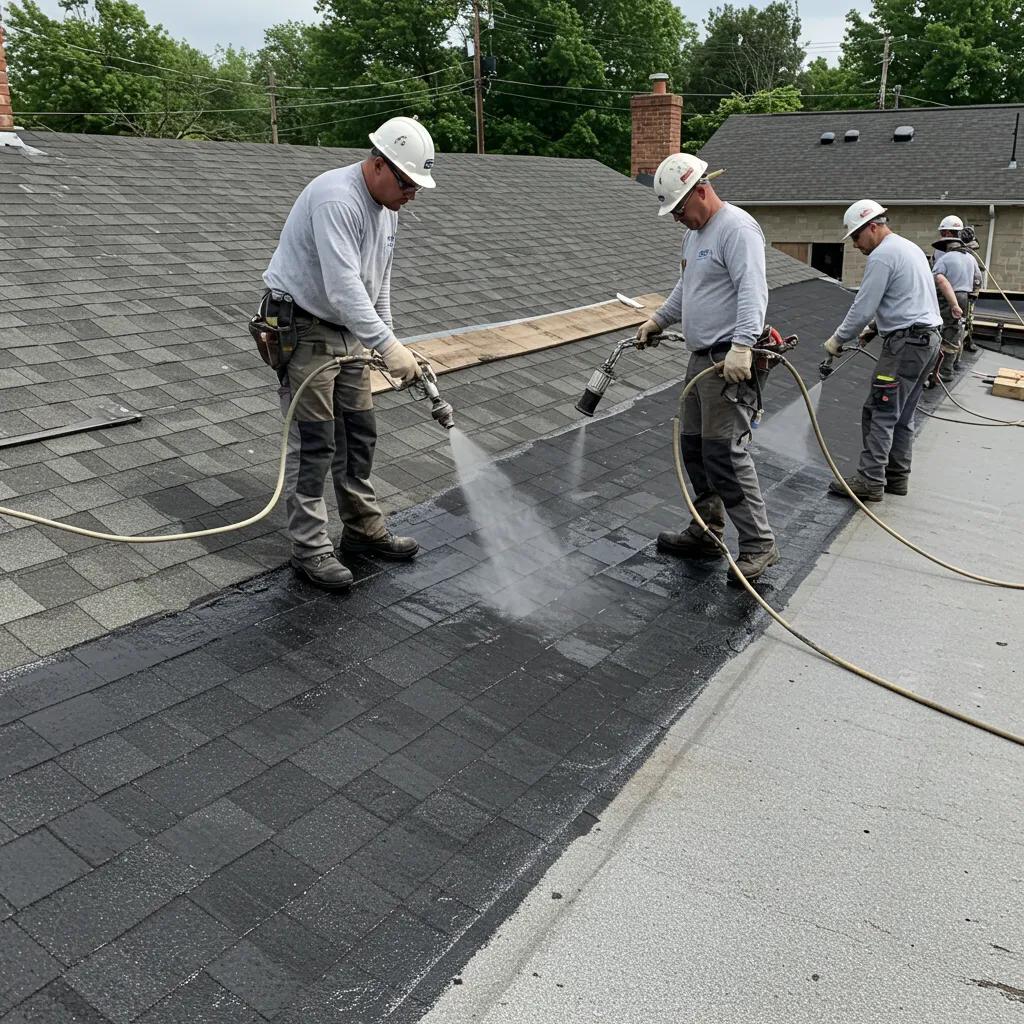
Proper application begins with thorough surface preparation, followed by primer, base, and topcoat layers, each cured under controlled conditions. EverNew Roofing’s process adheres to best practices—cleaning, repairs, priming, multi-coat application, and quality inspections—to achieve lasting protection.
How Should Roof Surfaces Be Prepared Before Coating?
Surface preparation requires:
- Complete cleaning of debris, algae, and loose granules
- Repair of cracked, curled, or missing shingles
- Application of primer compatible with asphalt binder
These steps ensure a sound substrate and uniform coating adhesion.
What Are the Steps and Timing for Applying Coating Layers and Curing?
After preparation, a bonding primer is applied and allowed to tack. The first coat of elastomeric or silicone base follows and cures 24–48 hours. A reflective topcoat completes the system, with full performance reached in 5–7 days, depending on humidity and temperature.
How Does EverNew Roofing Ensure High-Quality Coating Application in Southeast Michigan?
EverNew Roofing uses certified applicators, climate-adjusted schedules, and manufacturer-approved materials tailored to regional freeze-thaw and humidity conditions. Quality control inspections at each stage guarantee consistent film thickness and adhesion.
What Maintenance and Warranty Considerations Apply to Coated Asphalt Shingle Roofs?
Routine maintenance of coated shingles involves annual inspections, gentle cleaning, and minor touch-ups after extreme weather. Proper care preserves the coating’s protective properties and prolongs roof life. Many coating manufacturers offer transferable warranties of 10–15 years, often without voiding existing shingle warranties when professional application by an approved contractor is documented.
How Often Should Roof Coatings Be Reapplied for Optimal Protection?
Reapplication intervals vary by product but typically range from 8 to 12 years. Annual visual inspections identify wear areas, ensuring timely recoating before performance declines.
Will Roof Coating Treatments Affect Existing Asphalt Shingle Warranties?
When applied by an approved professional like EverNew Roofing, coatings generally do not void manufacturer shingle warranties. Documentation of proper application and product compatibility is essential to maintain warranty coverage.
What Maintenance Practices Help Maximize Coating and Shingle Lifespan?
Key maintenance tasks include:
- Annual removal of debris and organic growth
- Prompt repair of penetrations and flashings
- Periodic inspection of coating film thickness
Consistent upkeep ensures sustained protection and peak performance.
How Can Southeast Michigan Customers Get a Personalized Roof Coating Estimate from EverNew Roofing?
EverNew Roofing offers instant, no-obligation quotes based on roof size, slope, material condition, and desired coating system. Customers simply provide basic property details—roof dimensions, age, shingle condition, and any known issues—to receive an accurate estimate.
Tailoring coating solutions to local climate and roof types, EverNew Roofing integrates freeze-thaw resilience, high-reflectance pigments, and appropriate polymer formulations for each project. Expert guidance ensures the best coating choice for area-specific challenges.
What Information Is Needed for an Instant Roof Coating Quote?
To prepare a personalized estimate, have ready your roof’s approximate square footage, shingle age, pitch, and any existing damage notes. This information allows EverNew Roofing to recommend the optimal coating system and coverage.
How Does EverNew Roofing Tailor Coating Solutions to Local Climate and Roof Types?
Leveraging regional weather data and decades of experience in Livingston, Oakland, Wayne, Macomb, Washtenaw, Monroe, St. Clair, and Lenawee counties, EverNew Roofing selects coatings formulated to withstand local freeze-thaw cycles, humidity, and solar conditions, ensuring durable performance.
Where Can Customers Learn More About Atlas Asphalt Shingles and Compatible Coatings?
Customers interested in Atlas asphalt shingle specifications and compatible coating options can consult EverNew Roofing’s Atlas Catalog resources for product details and performance data. Detailed compatibility guides help match coating chemistries to specific shingle formulations.
Roof coating treatments deliver a powerful combination of extended lifespan, energy savings, cost-effectiveness, and environmental benefits for asphalt shingle roofs.
By understanding deterioration factors, protective mechanisms, and best practices, homeowners and businesses can make informed decisions that preserve their roofs for decades.
Partnering with EverNew Roofing ensures professional inspection, tailored coating selection, and quality application, maximizing performance in Southeast Michigan’s unique climate.
Request an estimate today to see how a roof coating treatment can enhance your asphalt shingle roof’s longevity and efficiency.
Frequently Asked Questions
What are the signs that my asphalt shingle roof needs coating?
Signs that your asphalt shingle roof may need coating include visible granule loss, cracking, or curling of shingles, and the presence of algae or moss. If your roof is between 8 to 15 years old and shows these early signs of deterioration, it is an ideal candidate for a coating treatment. Additionally, if you notice increased energy bills or leaks during heavy rain, these could indicate that your roof is not performing optimally and may benefit from a protective coating.
How long does the roof coating application process take?
The roof coating application process typically takes several days, depending on the size of the roof and weather conditions. After thorough surface preparation, a bonding primer is applied, followed by the first coat of elastomeric or silicone base, which usually cures within 24 to 48 hours. A reflective topcoat is then applied, with full performance achieved in about 5 to 7 days. Proper timing and conditions are crucial to ensure optimal adhesion and durability of the coating.
Can roof coatings be applied in winter or during rainy weather?
While it is possible to apply roof coatings in winter, it is generally not recommended during rainy weather or when temperatures are below the manufacturer’s specified limits. Cold temperatures can affect the curing process, leading to poor adhesion and performance. Ideally, coatings should be applied during dry conditions with moderate temperatures to ensure the best results. Consulting with a professional like EverNew Roofing can help determine the right timing for your specific situation.
What maintenance is required after applying roof coatings?
After applying roof coatings, routine maintenance is essential to maximize their lifespan. This includes annual inspections to check for wear, gentle cleaning to remove debris and organic growth, and prompt repairs of any penetrations or flashings. Additionally, monitoring the coating’s film thickness can help identify areas that may need touch-ups. Regular maintenance ensures that the protective properties of the coating remain intact and that the roof continues to perform effectively.
Are there any environmental benefits to using roof coatings?
Yes, roof coatings offer several environmental benefits. By extending the lifespan of asphalt shingle roofs, they reduce the amount of waste sent to landfills. Additionally, reflective coatings can lower energy consumption by reducing heat transfer to attic spaces, which decreases greenhouse gas emissions. In urban areas, these coatings help mitigate the heat island effect, contributing to overall community sustainability goals. Thus, using roof coatings not only benefits homeowners but also supports environmental initiatives.
How do I choose the right roof coating for my shingles?
Choosing the right roof coating involves considering several factors, including the condition of your shingles, local weather patterns, and desired lifespan extension. For example, elastomeric acrylic coatings are ideal for flexibility, while silicone coatings offer superior UV resistance. Consulting with a professional like EverNew Roofing can provide tailored recommendations based on your specific roof conditions and regional climate, ensuring you select the most effective coating for your needs.
Conclusion
Roof coating treatments provide a comprehensive solution for extending the lifespan of asphalt shingle roofs, offering benefits such as enhanced durability, energy efficiency, and cost savings. By understanding the factors that contribute to shingle deterioration and the protective mechanisms of coatings, homeowners and businesses can make informed decisions that optimize their roof’s performance. Partnering with EverNew Roofing ensures expert guidance and quality application tailored to the unique climate of Southeast Michigan. Request your personalized estimate today to discover how a roof coating treatment can significantly enhance your roof’s longevity and efficiency.