

Understanding Your Roof Replacement Journey
Your roof is one of your home’s most critical components, protecting your family and property from the elements. A well-maintained roof can last for decades, but eventually, every roof needs to be replaced. Knowing when and how to tackle this major project can feel overwhelming.
This guide will walk you through everything you need to know about how to change the roof of a house. We’ll cover how to spot the warning signs that it’s time for a replacement, what to expect during the process, how to choose the right materials, and what it all might cost. Whether you’re dealing with an aging roof, storm damage, or are planning a major home renovation, you’ll find the clear, actionable information you need to make confident decisions.
When and Why to Consider a Roof Change
Knowing when to change the roof of a house can save you from expensive water damage and structural headaches down the road. Some signs are obvious, like missing shingles after a storm, while others are more subtle. Catching these warning signs early can mean the difference between a planned roof replacement and an emergency repair when water’s dripping into your living room.
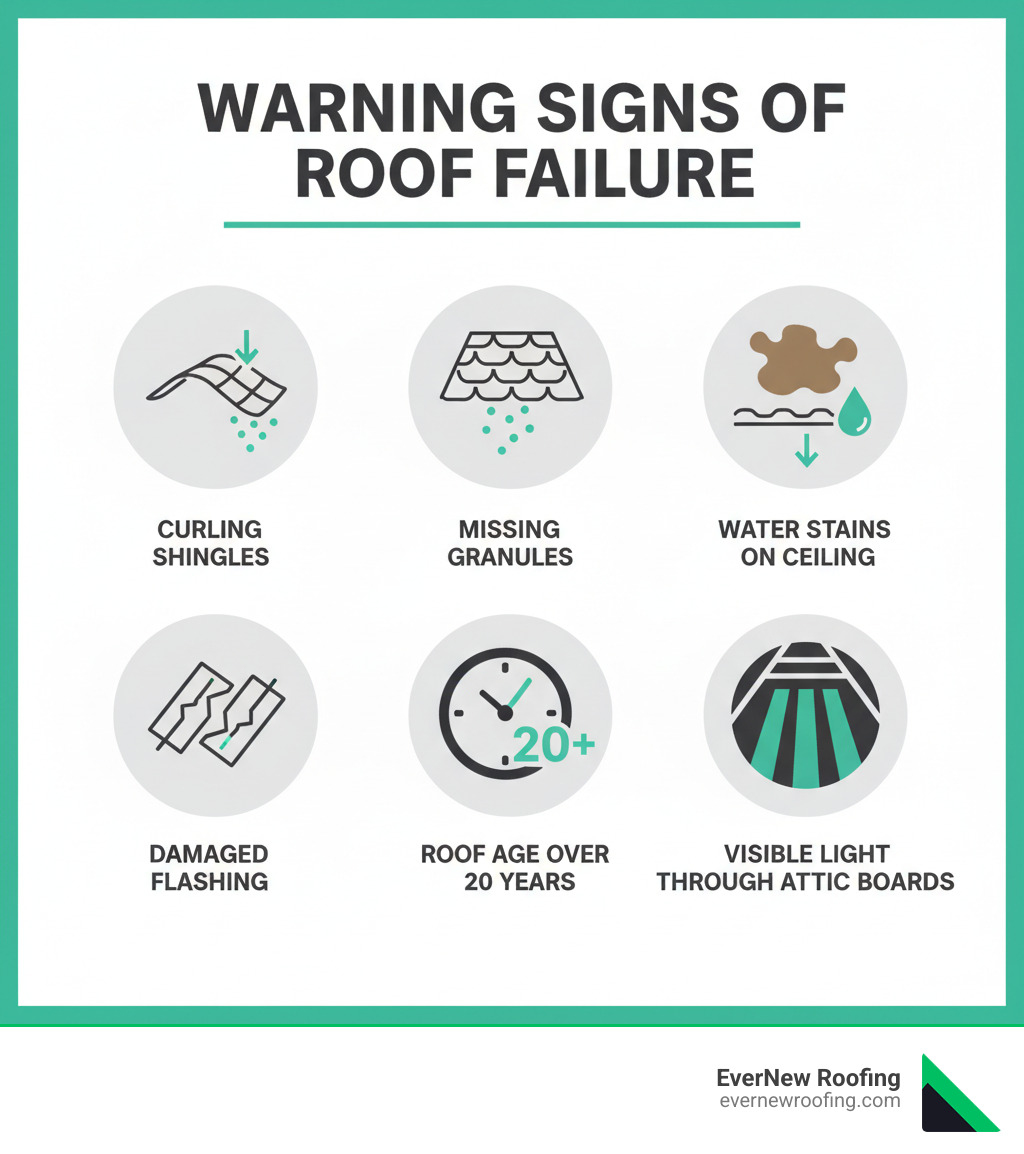
- Roof Age: An asphalt shingle roof’s lifespan is typically 20-25 years. If your roof is approaching this age, it’s time to start planning for a replacement, even if it looks okay from the ground.
- Water Leaks: Stains on your ceiling, damp spots in the attic, or visible drips are clear indicators that your roof’s integrity is compromised. Don’t ignore them, as they will only worsen over time.
- Damaged Shingles: Look for shingles that are curling, cracking, or missing entirely. These are signs that your roof’s primary layer of defense is failing.
- Granules in Gutters: Finding an excessive amount of shingle granules (which look like coarse sand) in your gutters means your shingles are deteriorating and losing their protective layer.
- Sagging Roof Deck: A sagging or drooping roofline is a serious red flag, often indicating structural damage to the underlying decking, possibly from rot. This requires immediate professional attention.
- Damp Insulation: If the insulation in your attic is damp or compressed, it could be a sign of a roof leak or poor ventilation, both of which can lead to more significant problems.
For a more detailed breakdown of these warning signs, see our guide on Key Signs You Need Roof Replacement Without Delay.
When should you schedule your roof replacement? The sweet spot is late spring through early fall. You want dry weather and temperatures between 50 and 80 degrees Fahrenheit. This range lets asphalt shingles seal properly and gives our crews safe, comfortable working conditions.
While our experienced teams throughout Metro Detroit, Macomb County, and Oakland County can work year-round when necessary, planning for favorable weather simply makes sense. Your roof will perform better, and the installation goes more smoothly.
Typical Lifespan of Roofing Materials
Understanding the expected lifespan of different roofing materials can help you plan and budget for a replacement.
- Asphalt Shingles: The most common choice, offering a great balance of cost and durability. Standard shingles last 20-25 years, while architectural shingles can last 30-50 years.
- Metal Roofing: A long-term investment, metal roofs (steel or aluminum) can last 40-70 years or even longer. They are more expensive upfront but may be the last roof you ever need.
- Clay and Slate Tiles: These are premium, long-lasting options. Clay tiles can last 50-100 years, and slate can last well over a century with proper care.
- Wood Shakes: Offering a rustic, natural look, wood shakes typically last 20-25 years, though this can be extended with regular maintenance.
That climate, maintenance, and installation quality are crucial factors that affect a roof’s actual lifespan. For a deeper dive, check out our Comprehensive Roof Replacement Guide: Timing, Costs, and More.
Understanding Your Roof System
Your roof is more than just shingles; it’s a complex system of components working together to protect your home.
- Roof Deck: The foundation of your roof, usually made of plywood or OSB. Its integrity is critical.
- Underlayment: A water-resistant barrier installed over the deck for secondary protection.
- Ice and Water Shield: A specialized membrane applied to vulnerable areas like eaves and valleys to prevent leaks from ice dams.
- Shingles: The outermost layer, providing the primary defense against weather and UV rays.
- Flashing: Metal pieces that seal joints around chimneys, vents, and skylights to prevent water intrusion.
- Vents: Crucial for attic airflow, preventing heat and moisture buildup that can damage your roof and home structure.
- Ridge Caps: Shingles that cover the peak of the roof, providing a final seal.
A failure in any one of these components can compromise the entire system. Learn more about material options in our guide to Insights on Asphalt Shingles and Metal Roofing Alternatives.
How to Change the Roof of a House: The Complete Process
When it’s time to change the roof of a house, it’s a significant project that’s best left to professionals. While DIY might seem tempting, roofing is a dangerous job that requires specialized skills and equipment to ensure it’s done safely and correctly. A professional installation protects your home, your family, and your investment.


Why Professional Installation Matters:
- Expertise: Certified roofers ensure every component is installed to manufacturer specifications, maximizing its lifespan.
- Safety: Professionals are trained in fall protection and have the right safety gear, minimizing risks on your property.
- Warranty Protection: Most shingle manufacturers require professional installation to validate their warranties. A DIY job could void your coverage.
- Efficiency: An experienced crew can often complete a full roof replacement in just 1-3 days, minimizing disruption to your daily life.
We handle all necessary building permits with your local municipality, ensuring your new roof is fully compliant with all safety and building codes. This is a crucial step that protects your home’s value.
One of the first decisions is whether to do a tear-off or an overlay. An overlay (installing new shingles over old ones) is cheaper but can hide underlying problems like rot. A full tear-off, where we remove all old materials, allows for a thorough inspection of the roof deck. We almost always recommend a full tear-off to ensure a long-lasting, high-quality result. Learn more about what to expect in our guide to roof replacement services.
Key Steps to Change the Roof of a House
Here’s a step-by-step look at our professional roof replacement process:
- Tear-Off: We remove all old shingles, underlayment, and flashing to expose the roof deck.
- Decking Inspection & Repair: We thoroughly inspect the wood decking for any rot or damage and replace any compromised sections to create a solid foundation.
- Ice & Water Shield Installation: A self-adhering waterproof membrane is applied to the most vulnerable areas of your roof, like the eaves and valleys, to protect against ice dams and wind-driven rain.
- Underlayment Installation: A new layer of synthetic underlayment is installed over the entire roof deck for a secondary layer of water protection.
- New Shingle Installation: We carefully install your new shingles, following precise manufacturer guidelines for alignment and nailing to ensure maximum wind resistance and longevity.
- Flashing & Vent Installation: New flashing is installed around chimneys, vents, and skylights. We also ensure your attic ventilation system is properly installed, often using a ridge vent for optimal airflow.
- Cleanup: We finish by sealing all penetrations and performing a thorough cleanup of your property, including using magnetic rollers to pick up stray nails.
For a deeper dive into each stage, see our guide on the Key Aspects of the Roof Replacement Process to Know.
The Importance of Proper Ventilation and Sealing
Proper attic ventilation is crucial for the health of your roof and your home. It prevents heat buildup in the summer, which can cook your shingles from underneath, and it stops moisture accumulation in the winter, which can lead to mold, mildew, and wood rot. A balanced system of intake vents (at the bottom of the roof) and exhaust vents (at the top) allows air to circulate, extending the life of your roof and improving your home’s energy efficiency.
Equally important is sealing. Every nail, vent, and flashing point is a potential entry point for water. We use high-grade, flexible sealants to ensure every part of your new roof is completely watertight, protecting your home for years to come. For more technical information, you can reference this guide on proper roof ventilation.
Costs, Materials, and Warranties for Your New Roof
When you decide to change the roof of a house, understanding the financial investment, material options, and warranty coverage is essential. This is often one of the largest home improvement projects a homeowner undertakes, so making informed choices protects both your home and your budget.
Choosing the Right Roofing Materials
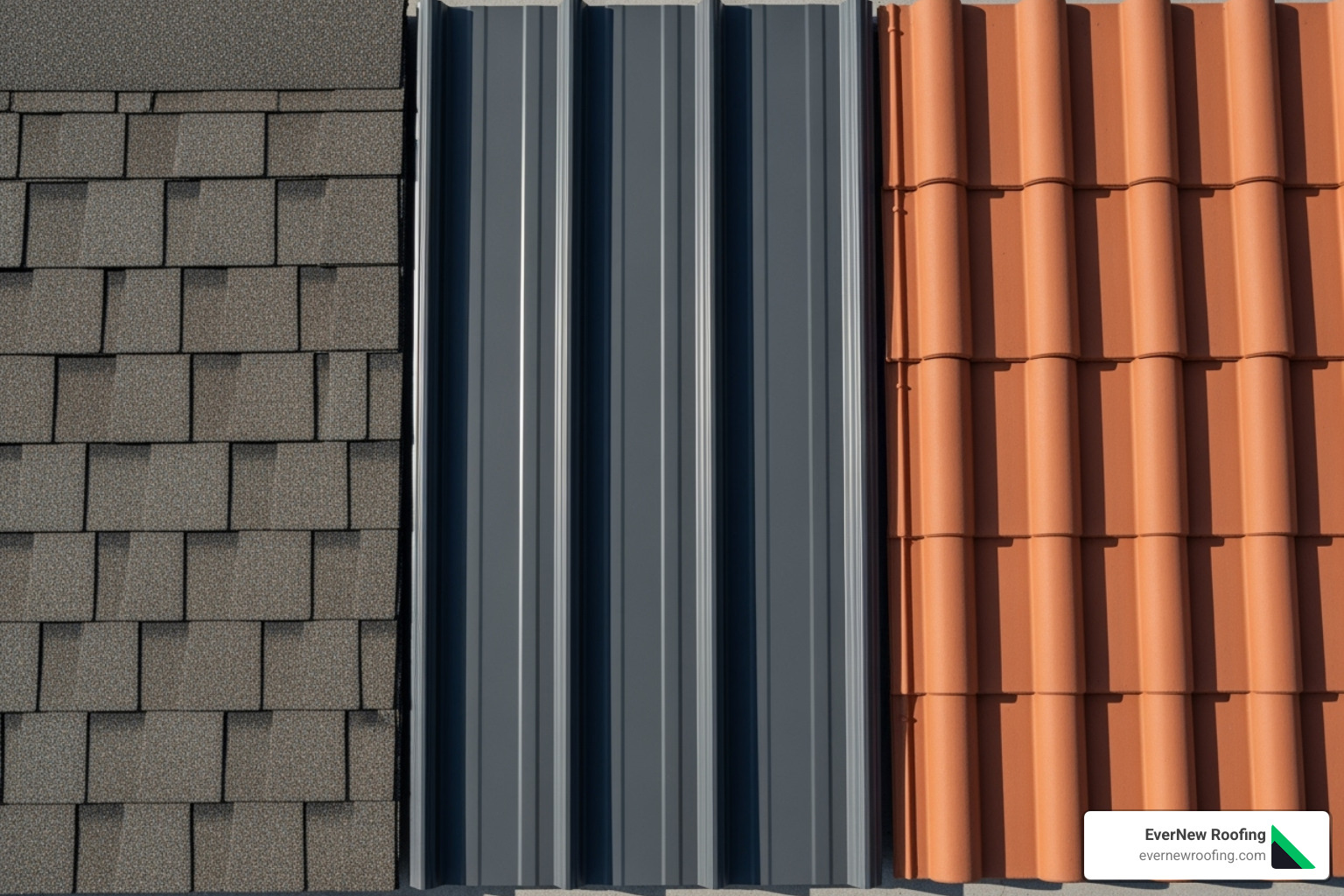
Selecting the right roofing material involves balancing durability, aesthetics, cost, and suitability for your home and local climate. Here’s a comparison of common options:
| Material Type | Durability (Lifespan) | Aesthetics | Climate Suitability – | – | – | – | – |
| Asphalt Shingles | 20-50 years | Versatile, wide range of colors/styles | Excellent for most climates, including Michigan’s varied weather. | Good, especially with lighter, ENERGY STAR® rated colors. |
| Metal Roofing | 40-70+ years | Modern, sleek, available in various profiles and colors. | Excellent in all climates; great for shedding snow and resisting high winds. | High, reflects solar heat, which can lower cooling costs. |
| Clay and Slate Tiles | 50-100+ years | Classic, high-end look. | Best in climates without extreme freeze-thaw cycles. | Good thermal mass helps regulate temperature. |
| Wood Shakes | 20-40 years | Rustic, natural appearance. | Best in drier climates; requires maintenance to prevent rot and moss. | Moderate natural insulation. |
When considering energy efficiency more broadly, look into cool roof options. These specially designed roofing materials reflect more sunlight and absorb less heat, keeping your home cooler and reducing air conditioning costs. The EPA’s ENERGY STAR program provides detailed information on cool roofing products and their benefits. For more guidance on selecting the best material for your specific situation, explore our Optimal Roofing Materials for Your Home Today.
Factors Influencing the Cost to Change the Roof of a House
Beyond material selection, several other factors influence what you’ll ultimately pay when you change the roof of a house. Understanding these helps you budget accurately and avoid surprises.
- Average Cost Per Square Foot: In Michigan, where we serve areas like Metro Detroit, Macomb County, and Oakland County, you can expect to pay $3-6 per square foot for asphalt shingles, $7-12 for metal, and $10-30 for tile or slate. These figures include both materials and labor for a complete tear-off and replacement.
- Demolition and Disposal Fees: Removing old shingles, underlayment, and flashing is labor-intensive, and disposing of these materials responsibly isn’t free. This can add $1-2 per square foot to your project.
- Permit Fees: These vary by municipality but typically range from $100-500 for a residential roof replacement. Our team handles all permit applications and inspections.
- Upgrades and Additional Features: Adding skylights ($500-$2,500+ each), improving attic insulation ($1-3 per sq. ft.), or replacing gutters ($4-9 per linear foot) will impact your final cost.
- Roof Complexity: A simple gable roof is the most affordable to replace. Multiple dormers, valleys, steep pitches, or complex architectural features can increase labor costs by 25-50%.
For a comprehensive breakdown of what affects pricing, consult our guide on What Affects Roof Replacement Costs for Homes and Offices.
Understanding Roof Warranties
Warranties are a crucial but often misunderstood aspect of roof replacement. You’re typically covered by two distinct types of warranties:
-
Manufacturer’s Warranties: These cover defects in the roofing materials themselves. They vary in length, with standard asphalt shingles often carrying 20-30 year warranties and premium architectural shingles offering “lifetime” warranties (usually 40-50 years). Most are prorated, meaning coverage decreases over time.
-
Workmanship Warranties: Provided by your roofing contractor, these cover installation errors and labor defects. At EverNew Roofing, we stand behind our work with comprehensive workmanship warranties because we know that even the best materials fail if installed improperly.
Understanding the distinction between material defects vs. installation errors is important. If your shingles crack prematurely due to a manufacturing issue, the manufacturer’s warranty applies. If water leaks through improperly installed flashing, the workmanship warranty covers repairs. Always read warranty terms carefully and ask about transferability if you plan to sell your home.
When and Why to Consider a Roof Change
Knowing when to change the roof of a house helps you avoid costly water damage and structural issues. Look for the most common warning signs and plan ahead rather than waiting for an emergency.
- Roof age approaching 20-25 years (asphalt shingles)
- Water leaks or ceiling stains
- Curling, cracked, or missing shingles
- Excess shingle granules in gutters
- Sagging or uneven roof lines
- Damp or compressed attic insulation/poor ventilation
For a complete breakdown of these indicators, see Key Signs You Need Roof Replacement Without Delay.
When should you schedule the work? The ideal window in Michigan is late spring through early fall, with dry weather and temps around 50-80°F for proper shingle sealing and safe working conditions.
Typical Lifespan of Roofing Materials
- Asphalt shingles: 20-25 years (architectural options 30-50 years)
- Metal roofing (steel/aluminum): 40-70+ years
- Clay or slate tiles: 50-100+ years
- Wood shakes: 20-25 years with regular maintenance
Climate, maintenance, and installation quality heavily influence real-world results. Learn more in our Comprehensive Roof Replacement Guide: Timing, Costs, and More.
Understanding Your Roof System
Your roof is a system, not just shingles. Key components include:
- Roof deck (plywood/OSB)
- Underlayment
- Ice and water shield (at eaves, valleys, penetrations)
- Shingles (primary weather defense)
- Flashing (chimneys, valleys, vents, skylights)
- Vents (intake and exhaust for airflow)
- Ridge caps (seals peaks/hips)
Explore materials and alternatives in Insights on Asphalt Shingles and Metal Roofing Alternatives.
How to Change the Roof of a House: The Complete Process
Replacing a roof is a major project that’s best handled by certified professionals. Roofing work is hazardous, installation details are critical for longevity, and DIY can void warranties. Our teams manage permits, follow local codes, and complete most projects in 1-3 days across Metro Detroit, Farmington Hills, West Bloomfield, and beyond.
We secure all required building permits and inspections, ensuring code compliance and protecting your home’s value.
Tear-off vs. overlay: A full tear-off removes old materials and exposes the deck for repair, delivering the best long-term result. Overlays may cost less initially but can trap problems and limit warranty coverage. Learn more in our Understanding What to Expect from Roof Replacement Services.
Key Steps to Change the Roof of a House
- Tear-off: Remove all shingles, underlayment, and flashing.
- Decking inspection/repair: Replace any damaged or rotted wood.
- Ice and water shield: Install at eaves, valleys, and penetrations.
- Underlayment: Apply synthetic underlayment over the entire deck.
- Shingle installation: Follow manufacturer specs for alignment/nailing.
- Flashing and ventilation: Install new flashing and a balanced vent system (often ridge + soffit).
- Sealing and cleanup: Seal penetrations; magnet-sweep for nails and haul away debris.
See more in Key Aspects of the Roof Replacement Process to Know.
The Importance of Proper Ventilation and Sealing
Balanced attic ventilation extends roof life, reduces summer heat, and limits winter moisture and ice dams in Michigan. A common guideline is 1 sq. ft. of net free ventilation per 150 sq. ft. of attic space (1/150), adjusted when vapor retarders and vent placement allow 1/300. We also seal all vulnerable points (vents, flashing, exposed nail heads) with durable, flexible sealants to keep water out. Learn more about best practices in More on proper roof ventilation.
Costs, Materials, and Warranties for Your New Roof
When you decide to change the roof of a house, understanding costs and options helps you budget with confidence.
The overall cost is influenced by:
- Material choice
- Labor (tear-off, installation, cleanup)
- Roof size, pitch, and complexity
- Demolition and disposal fees
- Permit fees
- Upgrades (skylights, insulation, gutters)
Understanding these factors is crucial for budgeting and knowing How Roof Replacement Costs Impact Home Value: Key Insights.
Choosing the Right Roofing Materials
| Material Type | Durability (Lifespan) | Aesthetics | Climate Suitability | Energy Efficiency |
|---|---|---|---|---|
| Asphalt shingles | 20-50 years | Many colors/styles | Works for most roofs; check minimum slope | Good with cool-roof options |
| Metal roofing | 40-70+ years | Modern; many profiles/colors | Excellent in snow/wind; sheds snow well | High; reflects solar heat |
| Clay/Slate tiles | 50-100+ years | Classic, premium look | Best where freeze-thaw is manageable | Good thermal mass |
| Wood shakes | 20-40 years | Rustic, natural | Best in drier climates; more maintenance | Moderate insulation |
Choose materials that balance durability, budget, and local climate performance. Maintain manufacturer specs and proper installation to maximize lifespan.
Understanding Roof Warranties
- Manufacturer’s warranty: Covers material defects; often prorated over time.
- Workmanship warranty: Covers installation errors from the contractor.
Know what each covers, how long coverage lasts, and whether it’s transferable if you sell your home.